


Description
Payment & Security
Your payment information is processed securely. We do not store credit card details nor have access to your credit card information.
Customers also bought these
Very grainy and results are rather variable perhaps because of the iso100 rating.
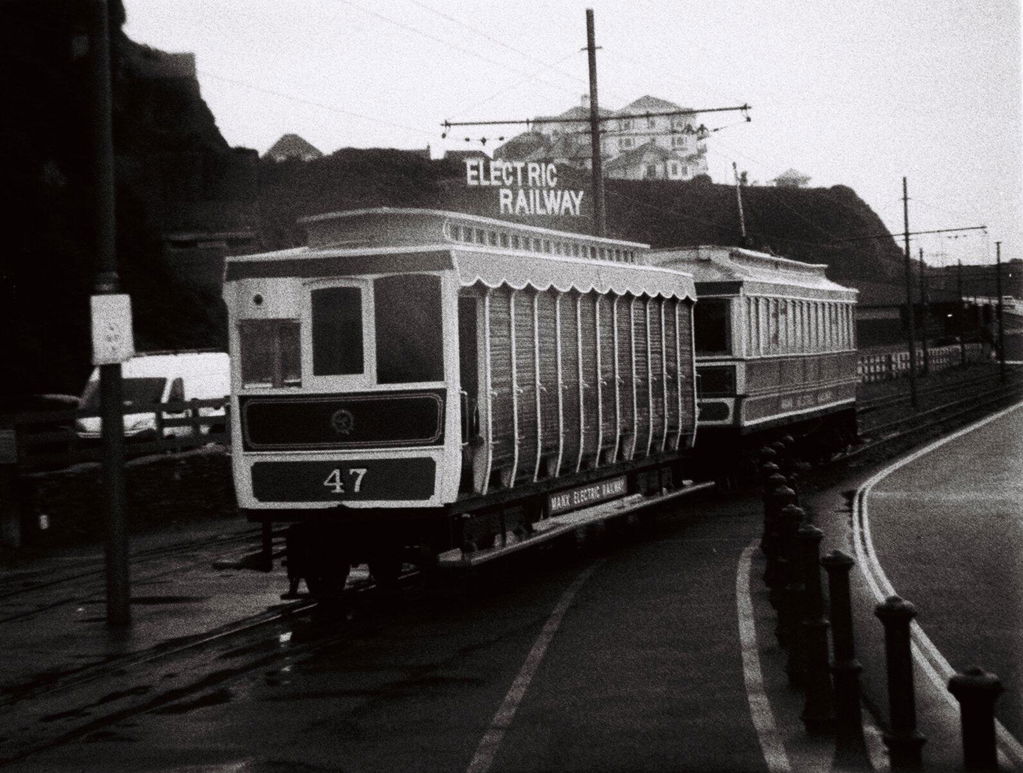
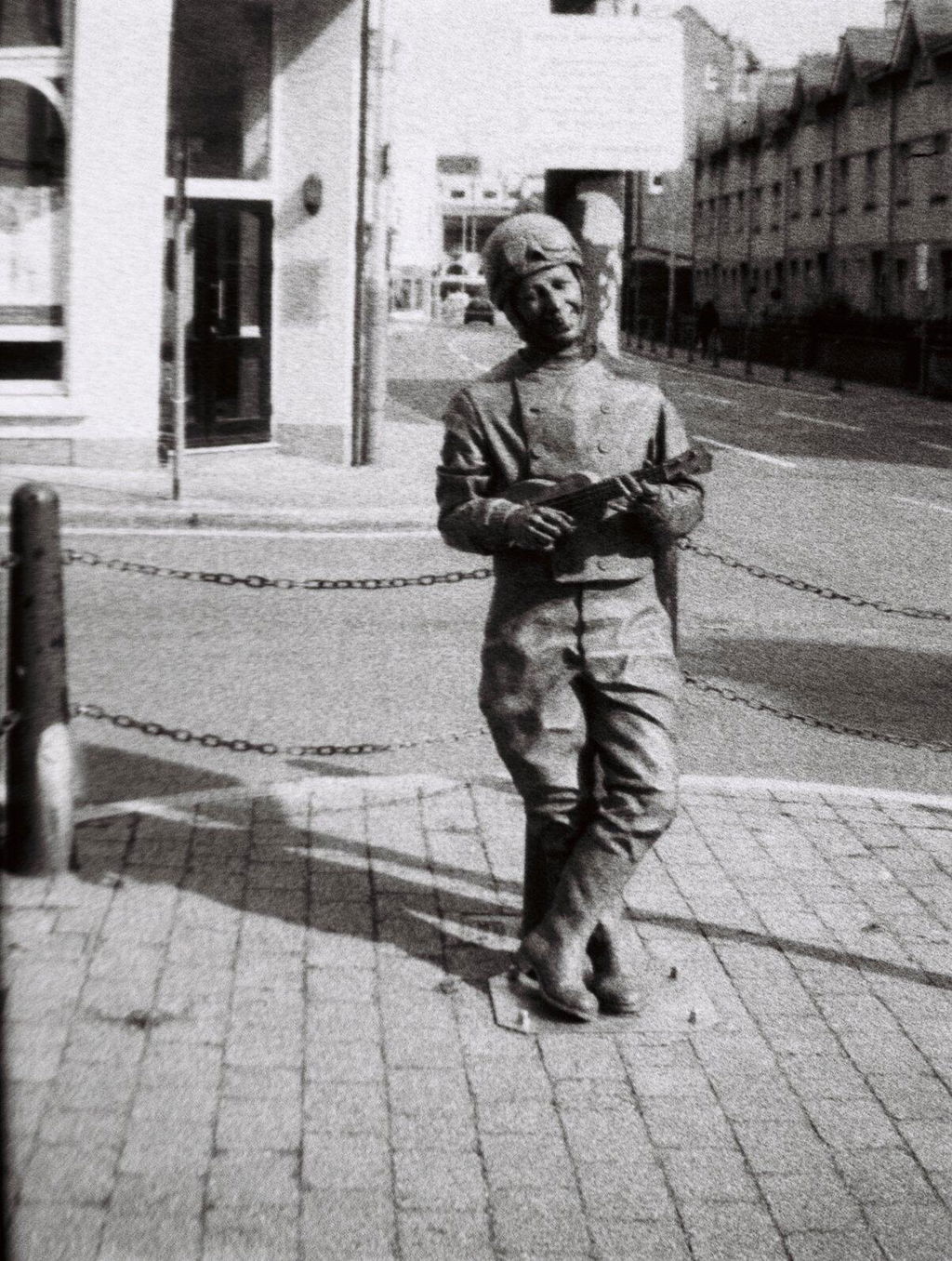
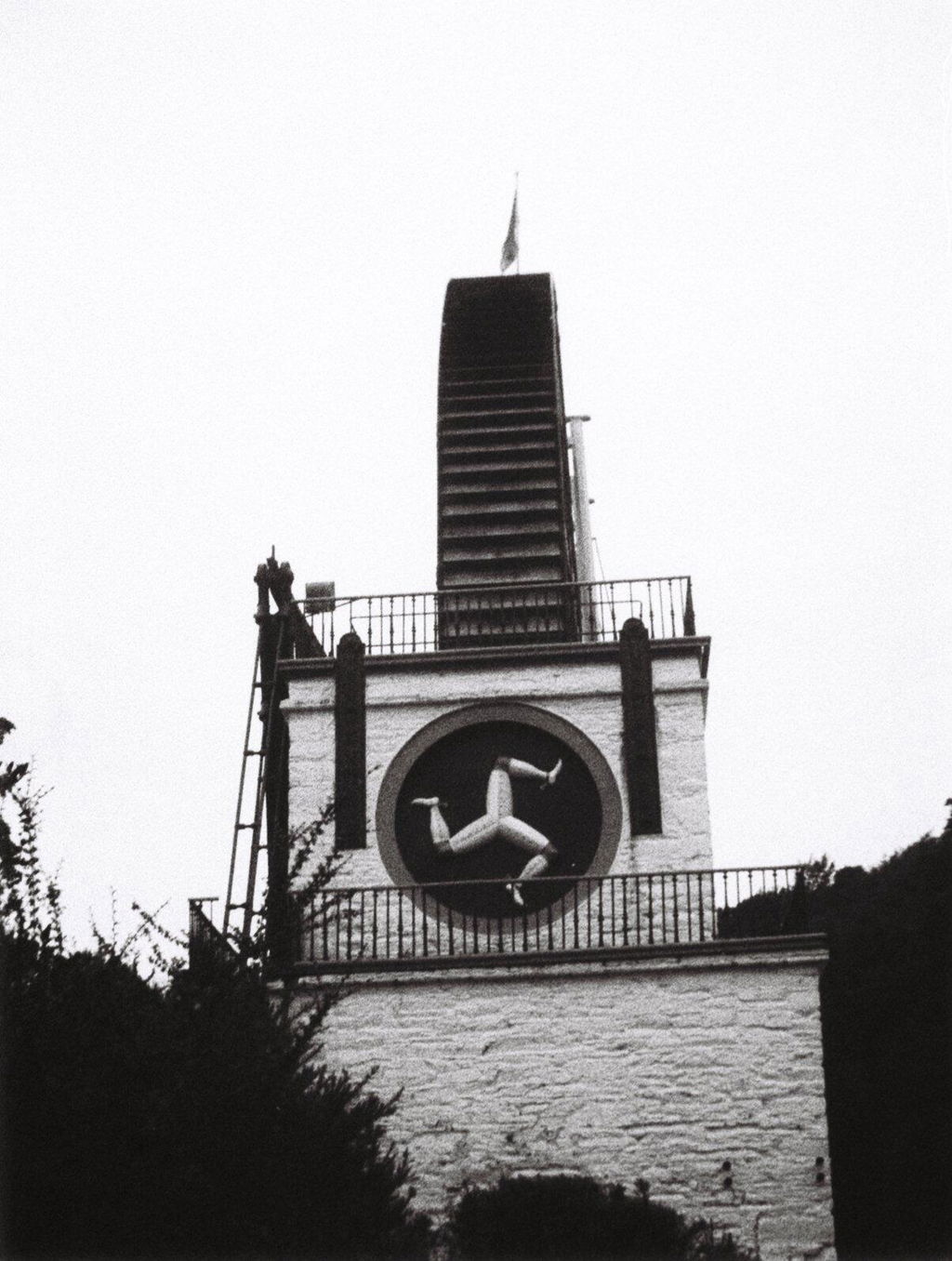
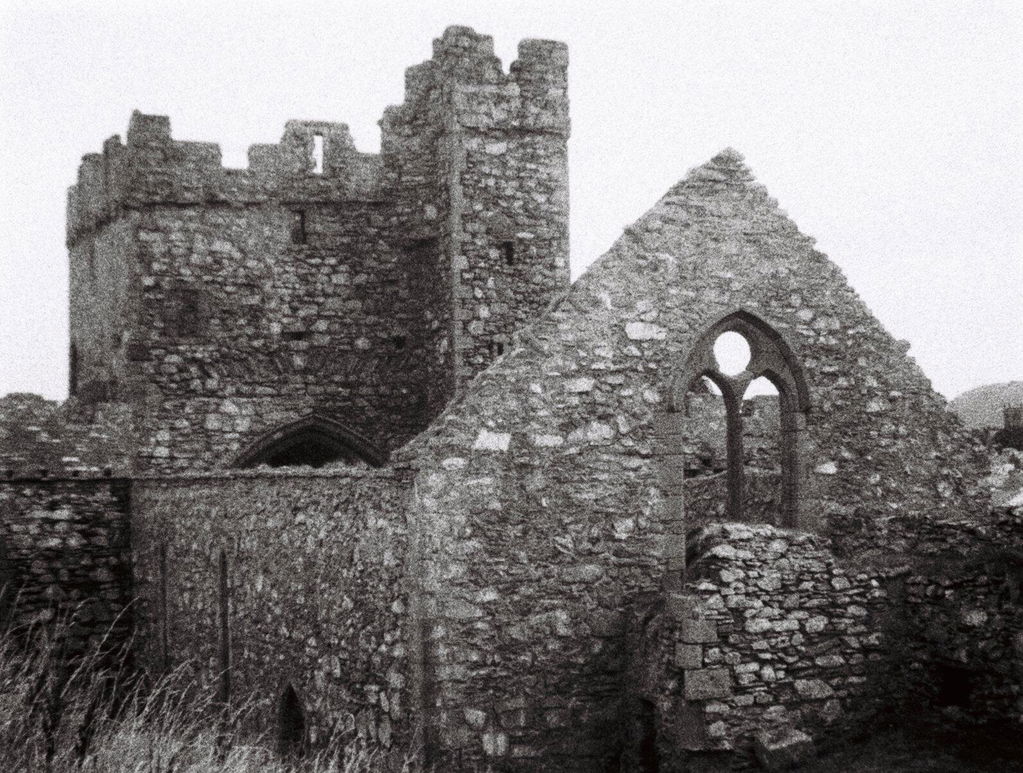
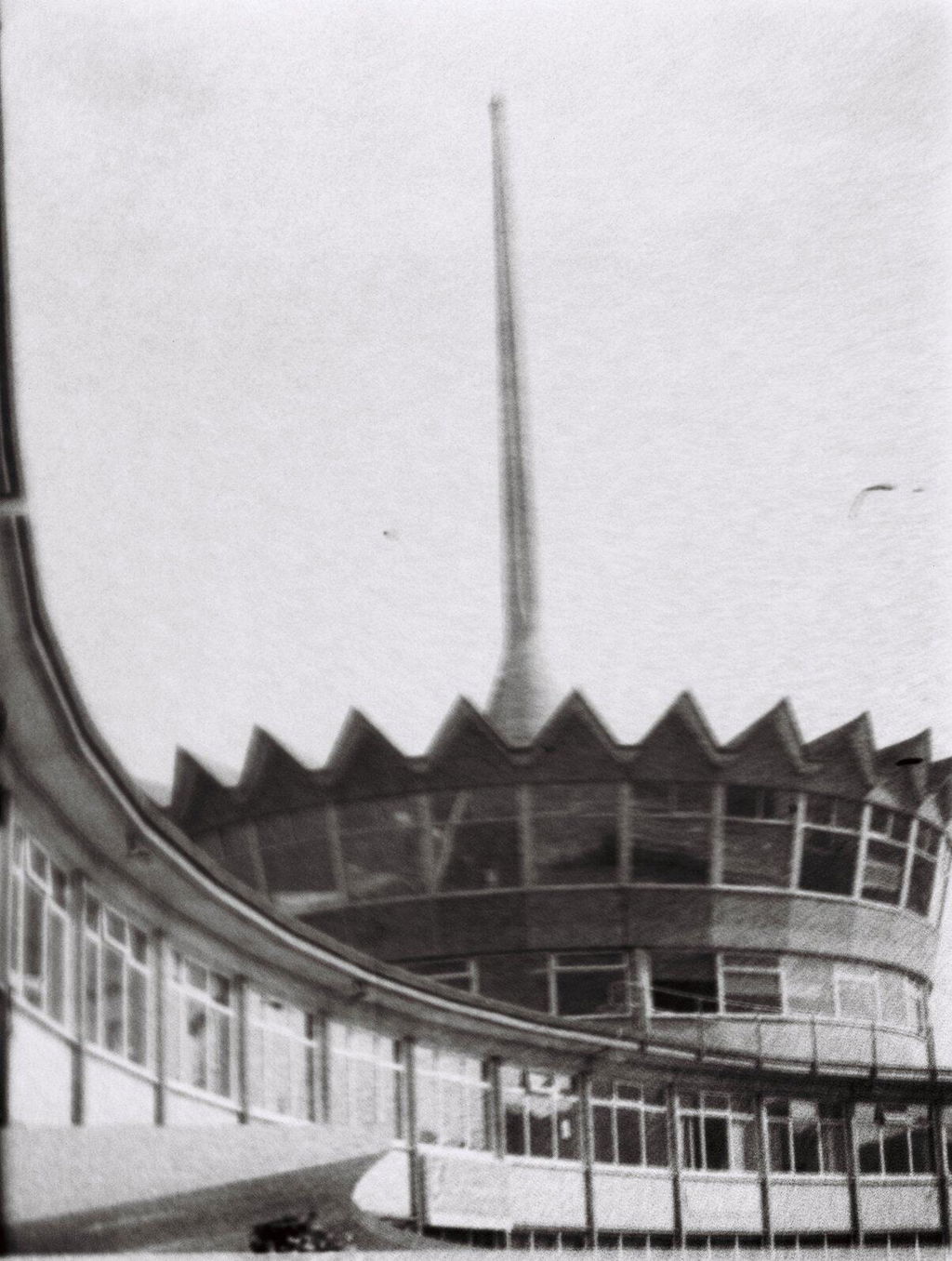
Sample image shot with a Lomomatic 110. Quack!
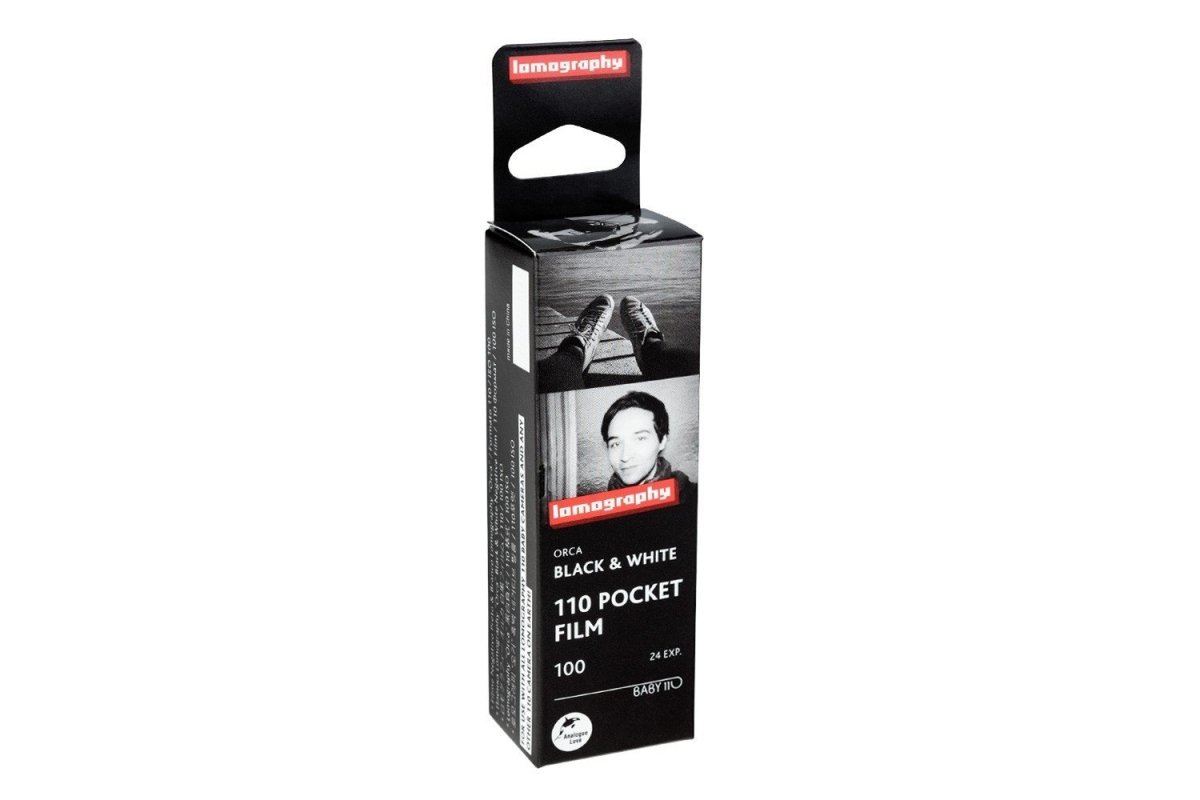
This was the first black & white 110 film I ever shot. The film has a heavy grain and soft/low contrast - it reminds me of vintage newsprint.
Looking through the other reviews, it certainly seems possible to achieve great results with this film, although I must admit I seemed to have struggled with this! This is probably down to me rather than the film, as photography is a new hobby.
Most of the images I shot were of landscapes during the day & early evening.
The Analogue Wonderland team did a great job of developing my film; I would recommend sending your own to them for processing.
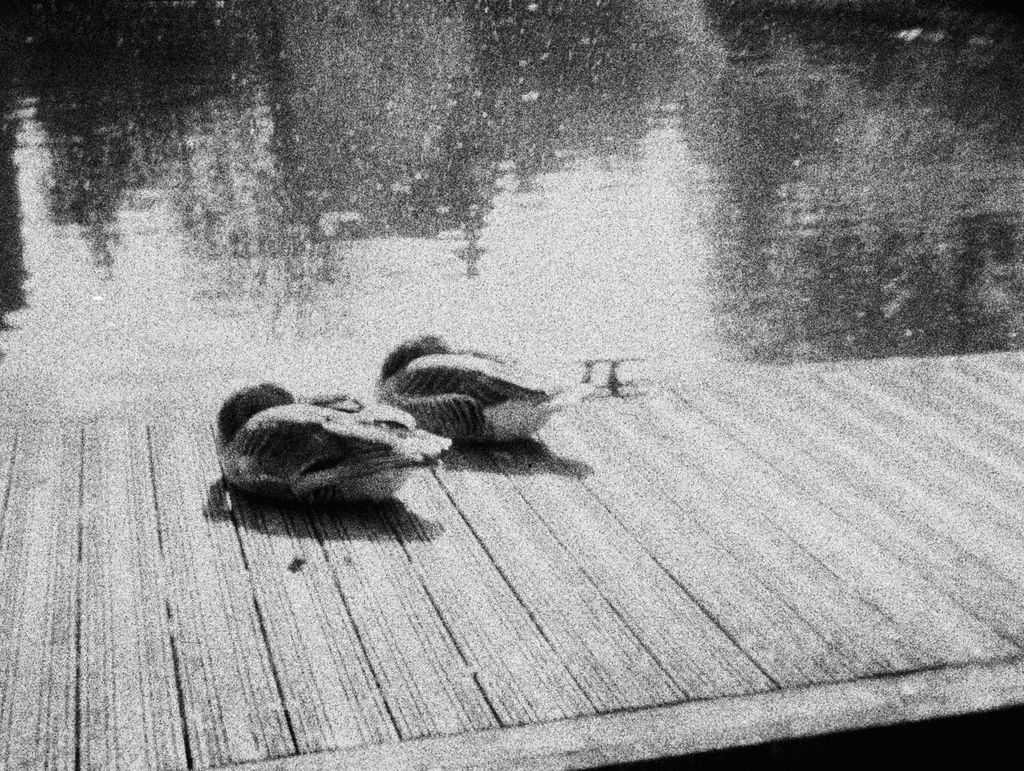
I think this film really does shine in a more bright setting but I was very surprised by how moody a setting it can bring when shot in the evening. Also quickly developed by the lovely folks at AW thanks a ton!
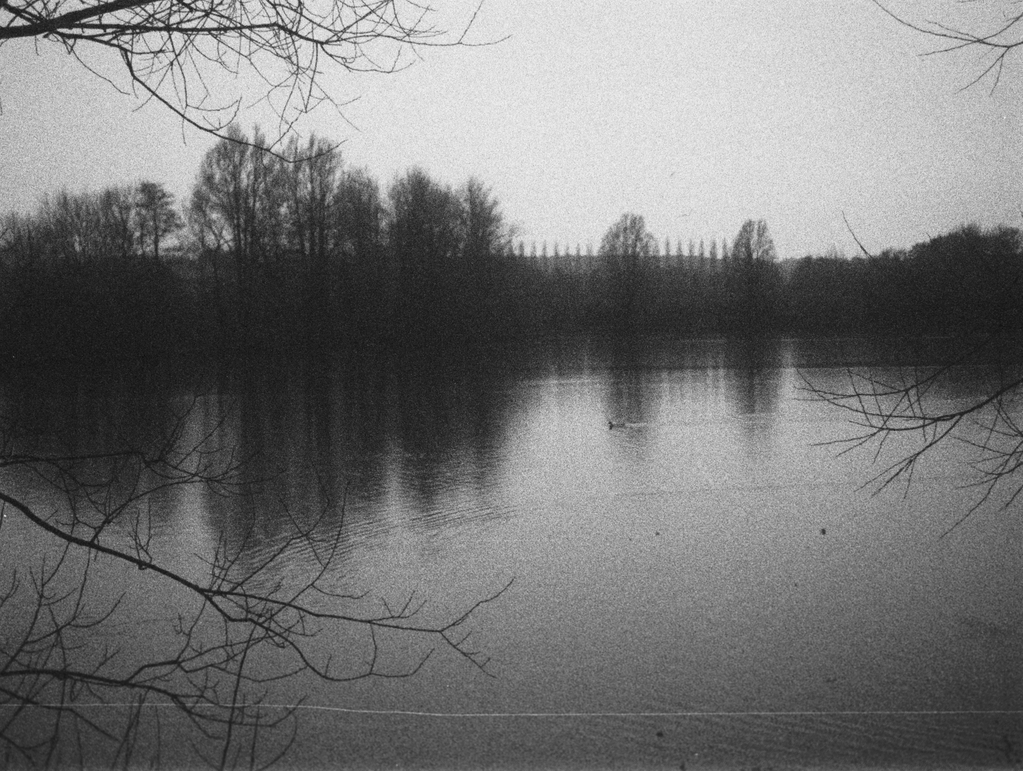
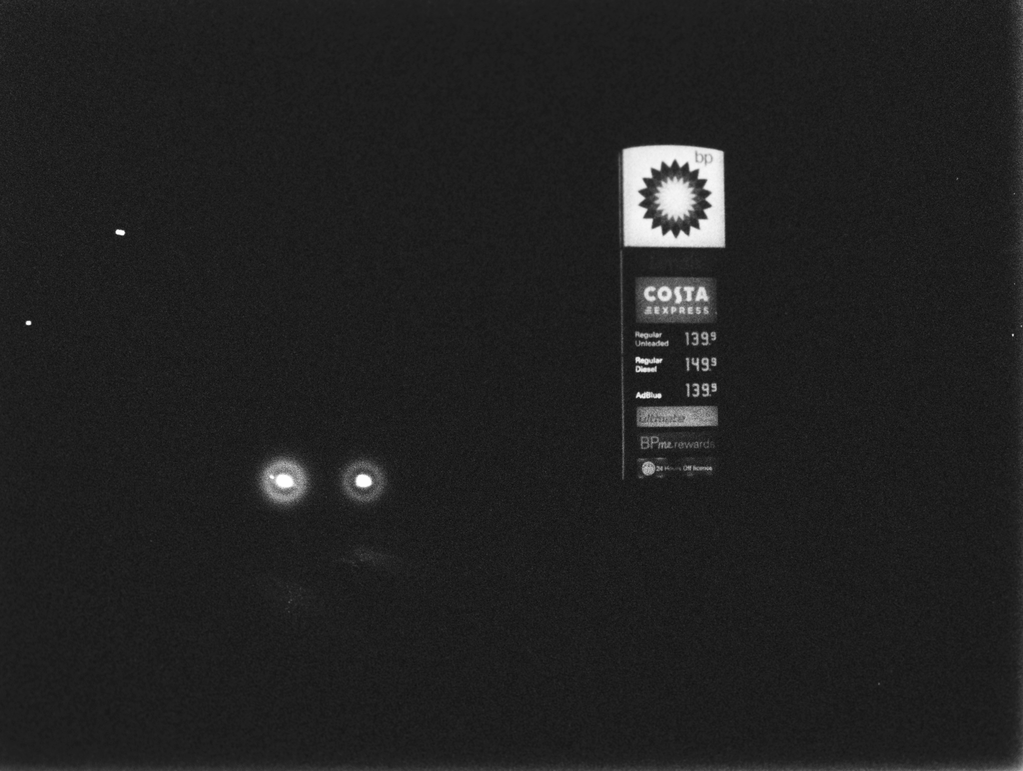
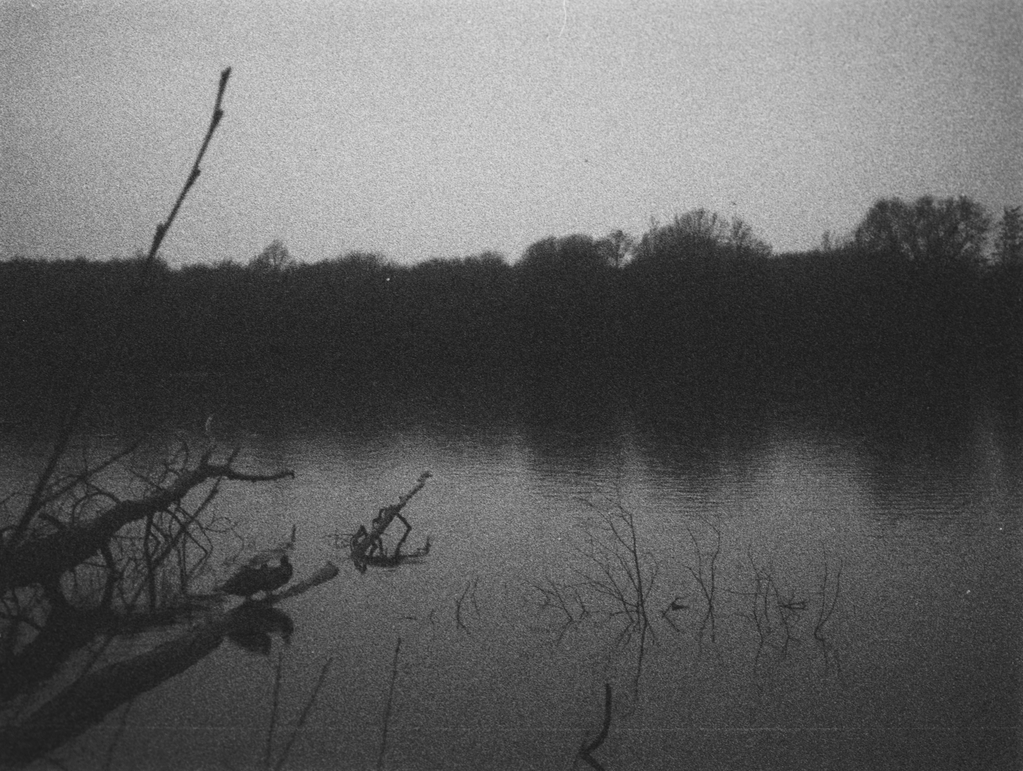
I home developed this film in ID-11, and used a Pentax auto 110 Super. The photos have a good dynamic range, preserving highlights and shadows. It is grainy, but that is a product of the films miniature size.
The only limitations with this film is the inherent limitations of the 110 format. But to me limitations are what creates good art, not what prohibits it.
I have cut down t-max film and put it into 110 canisters and Lomography orca holds up very well.
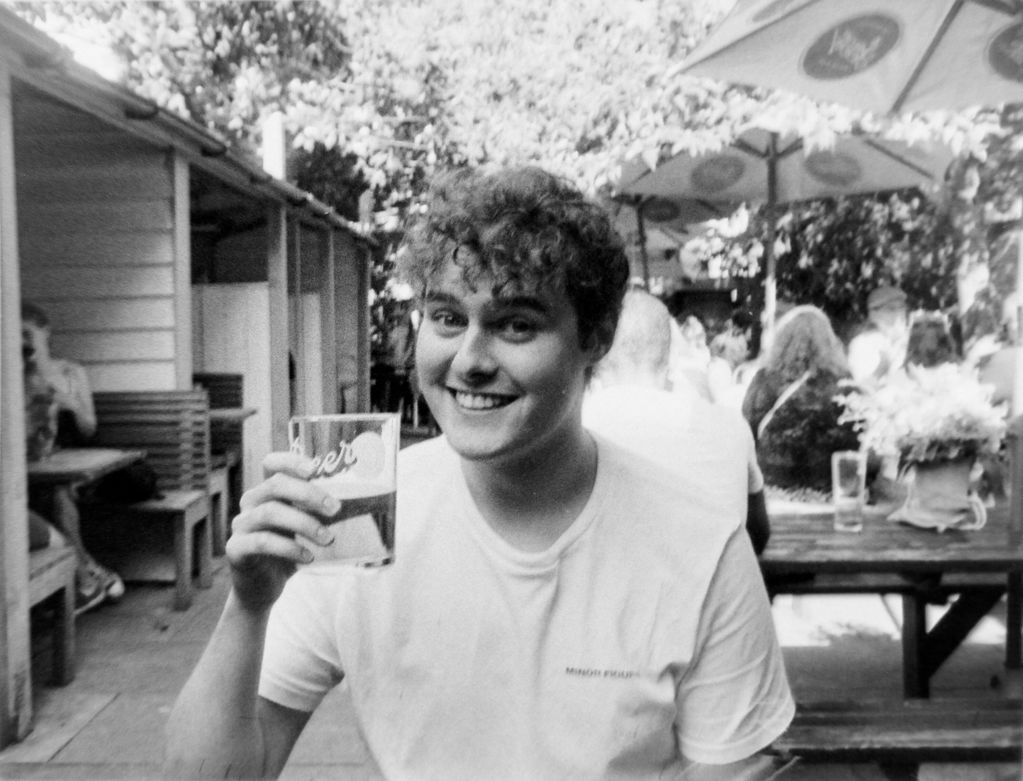
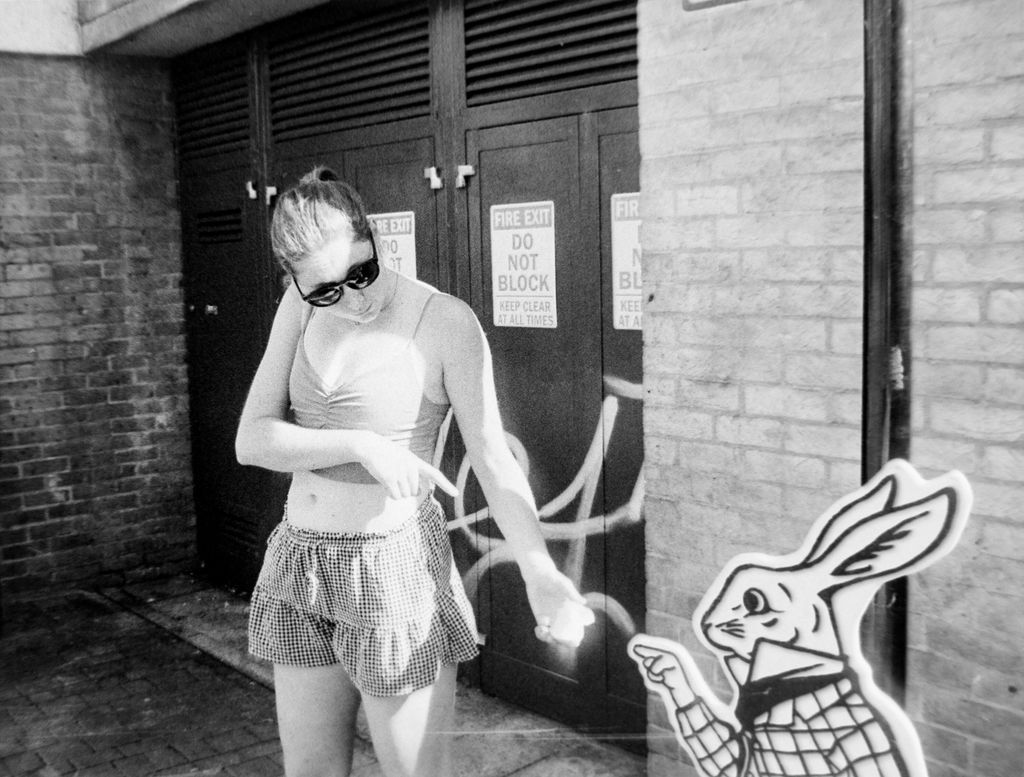
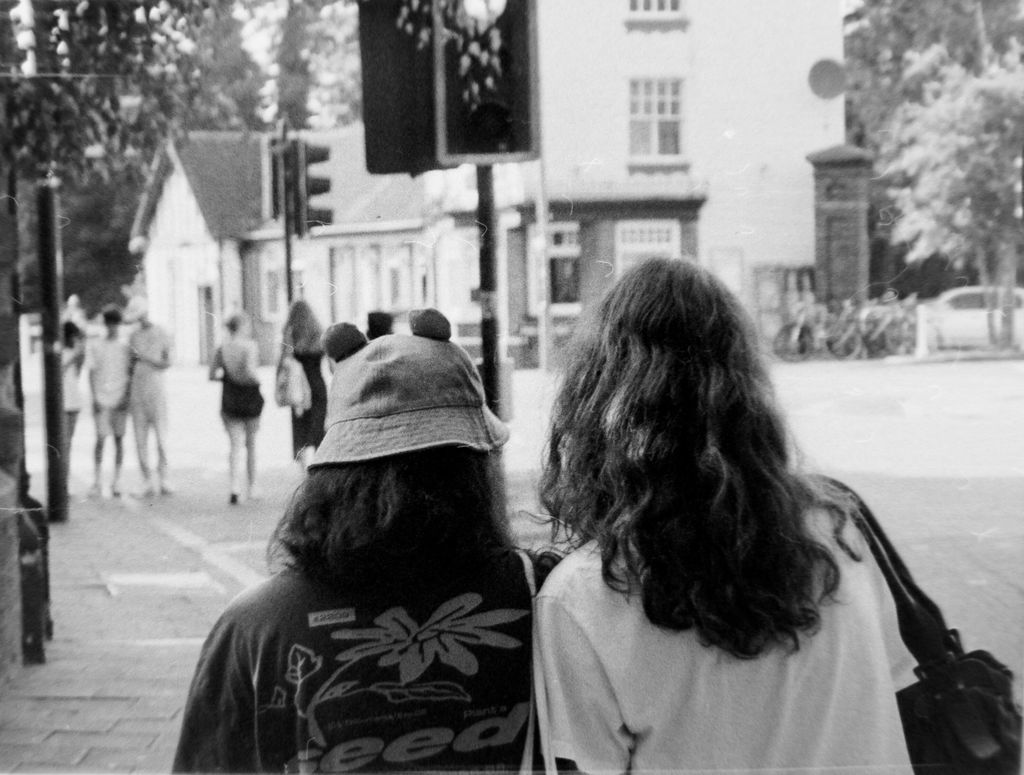
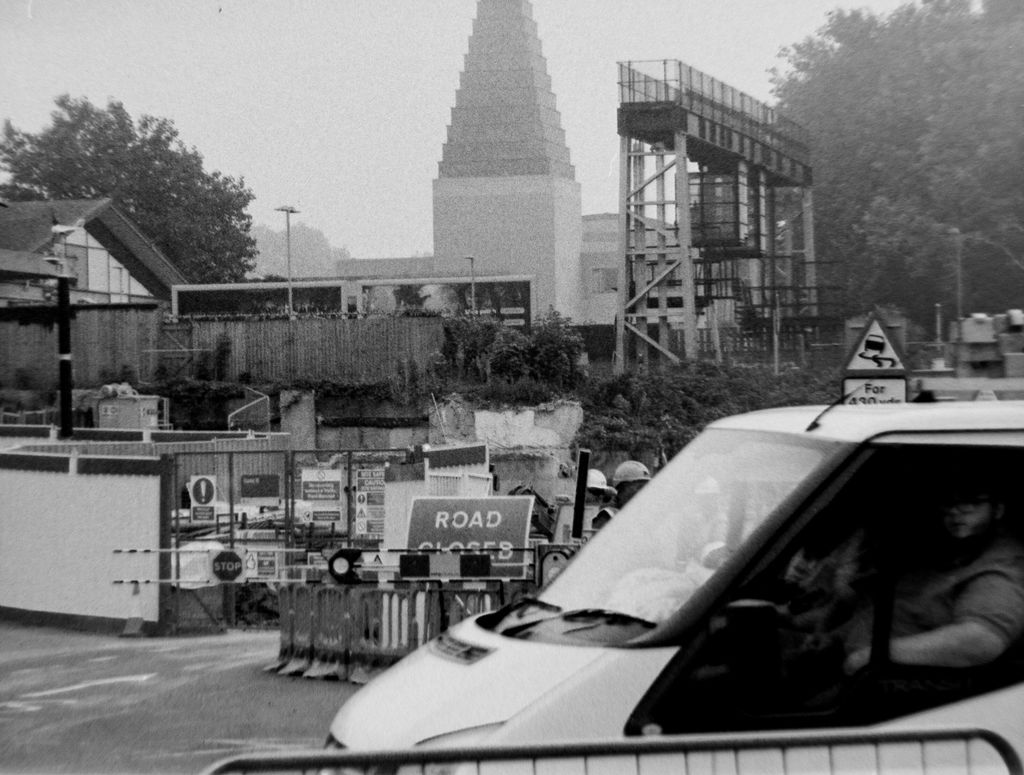
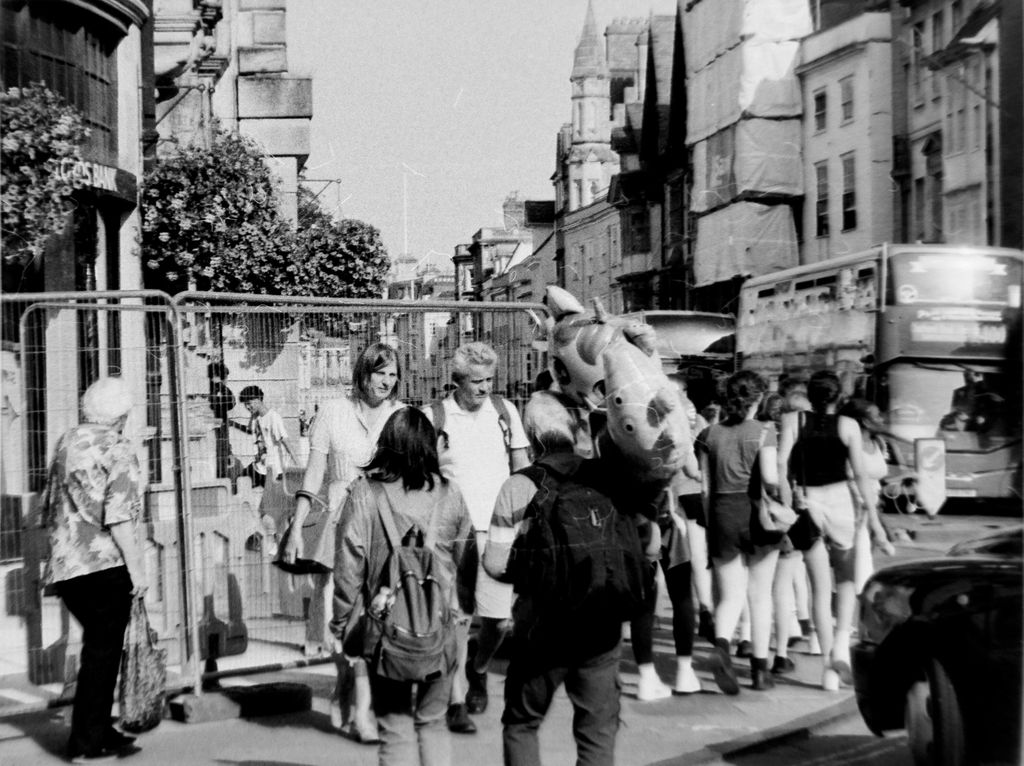
I love this film stock. Shot in my Pentax auto 110, I was surprised by the detail in my negatives considering 110 is known for its lack of sharpness and image quality. I feel like this film has a lot of character, it does lack in contrast but that’s an easy fix in editing.
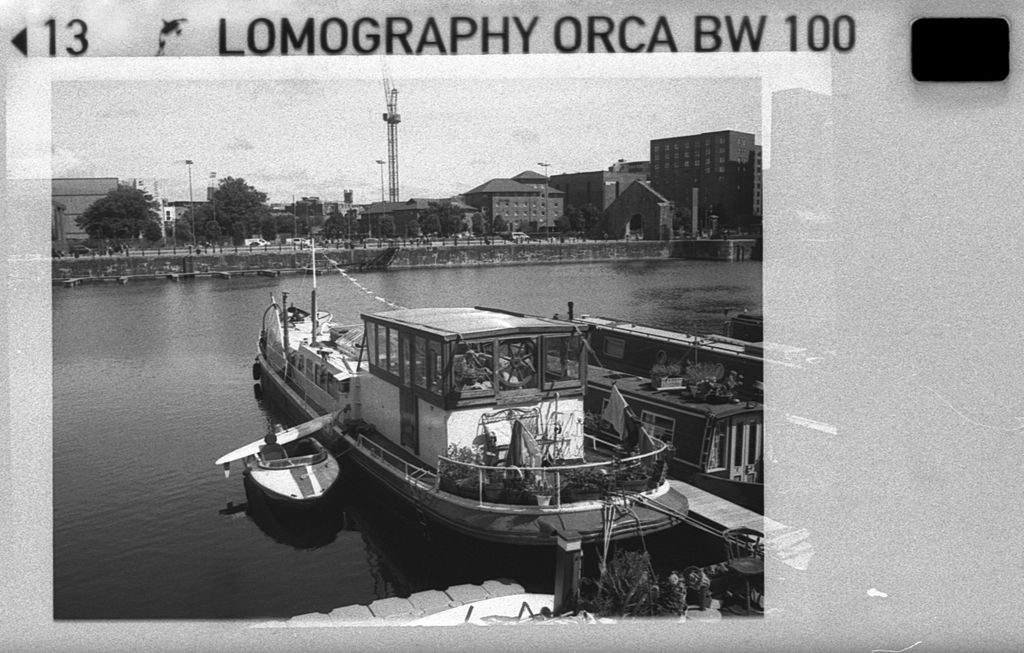
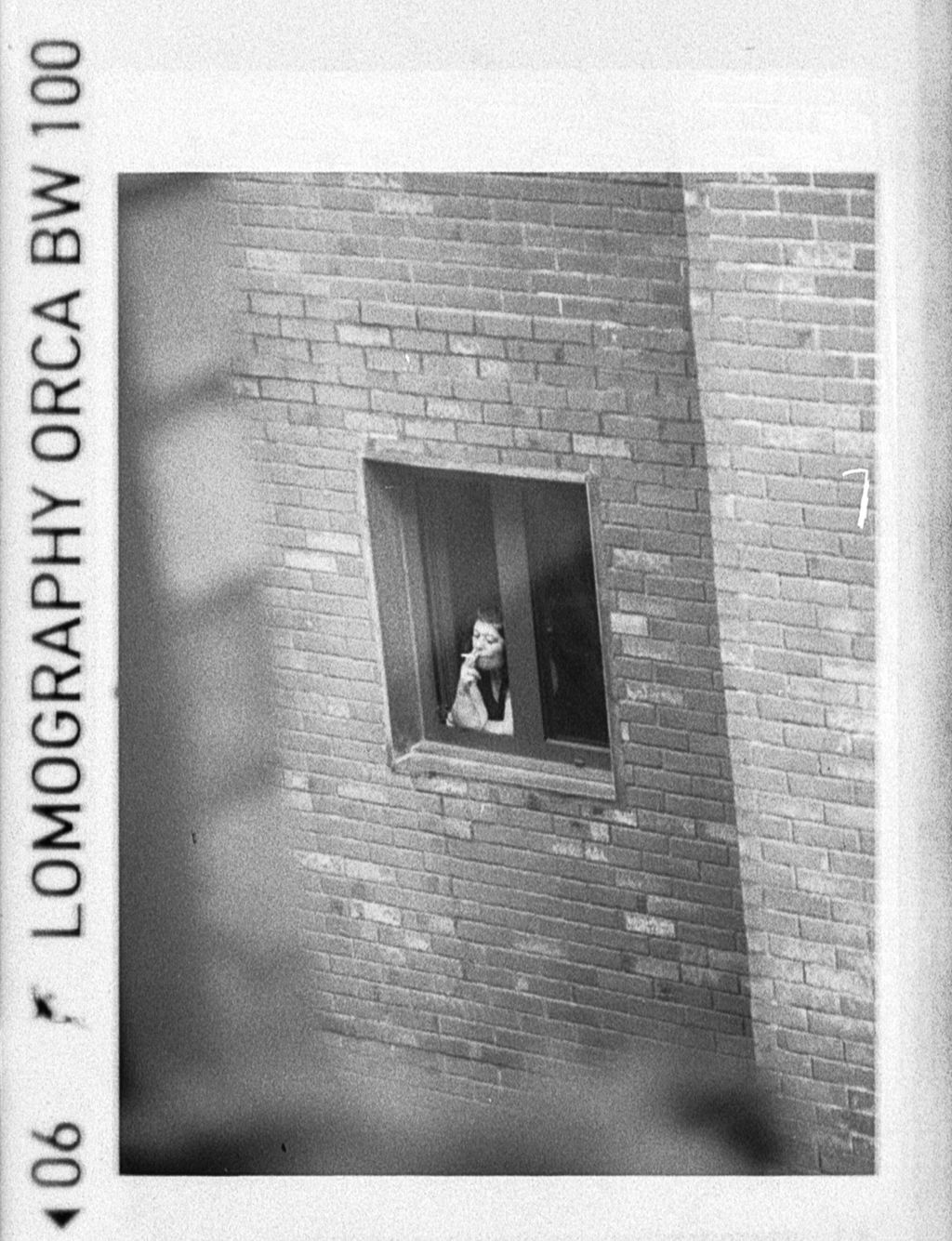
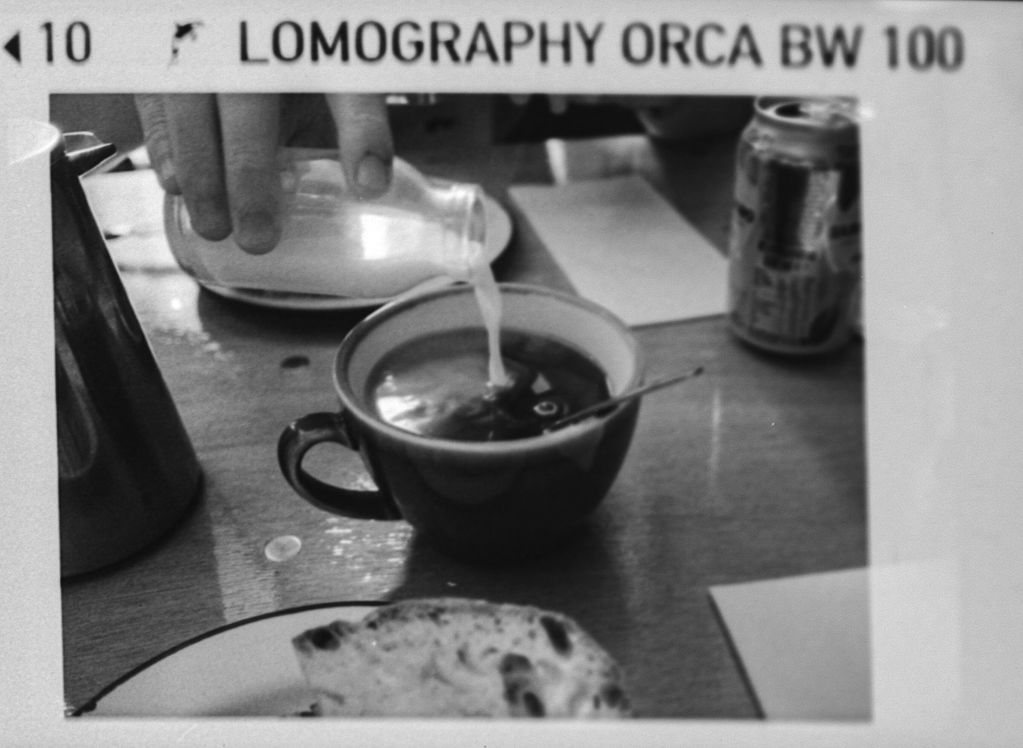
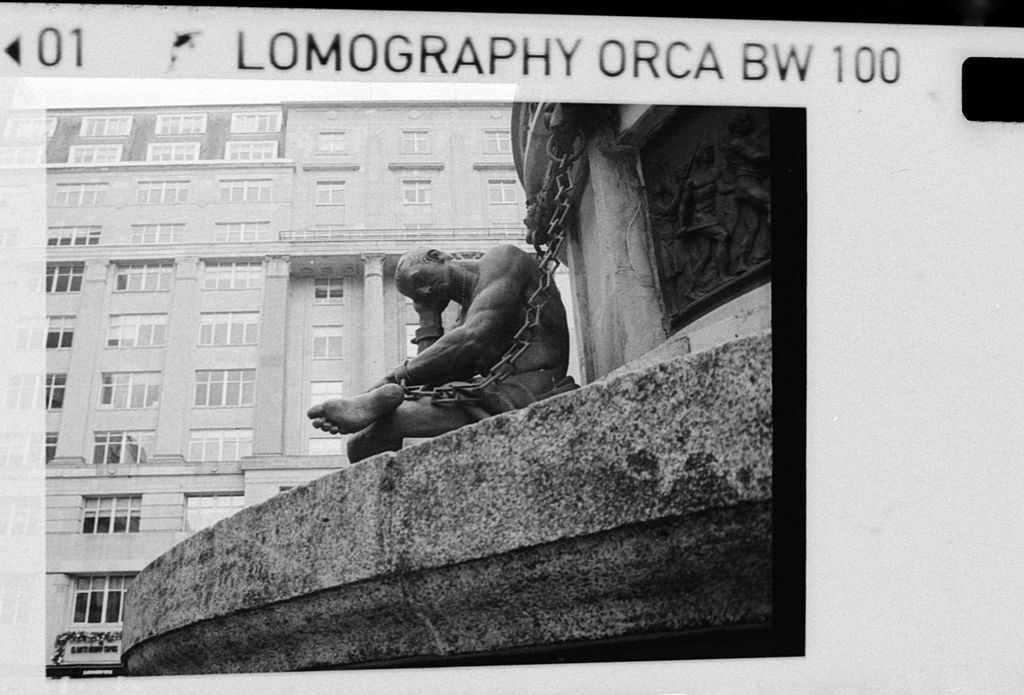
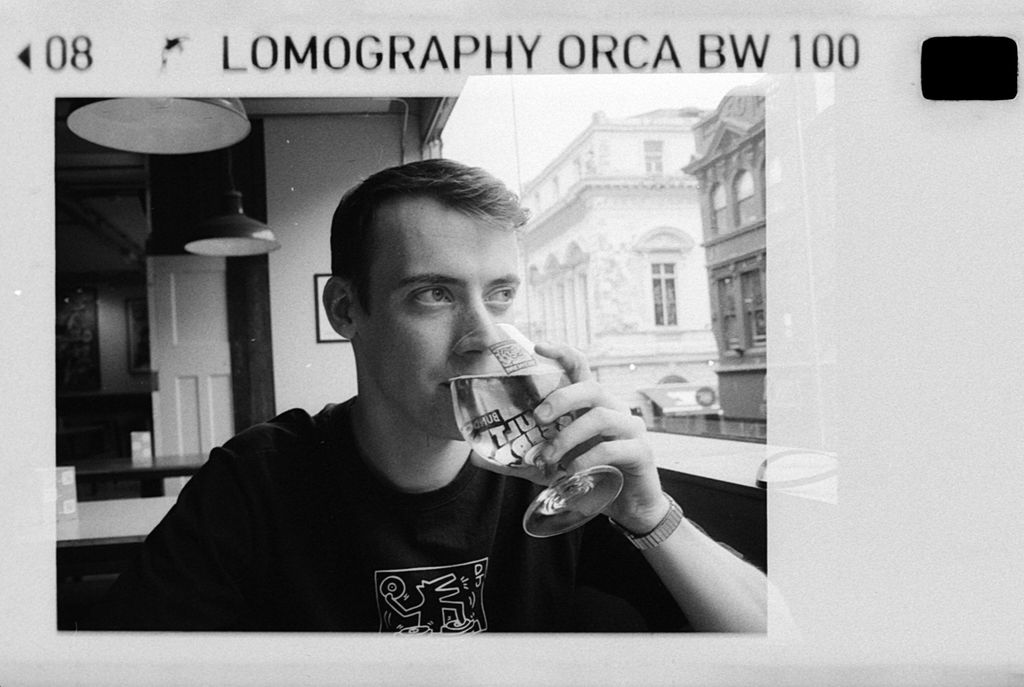
I don't have the best 110 camera, so I don't know how much is me, how much is the camera and how much is the film, but when it clicked together, there was some nice grain and contrast. It's not a lowlight film in any way, shape or form.
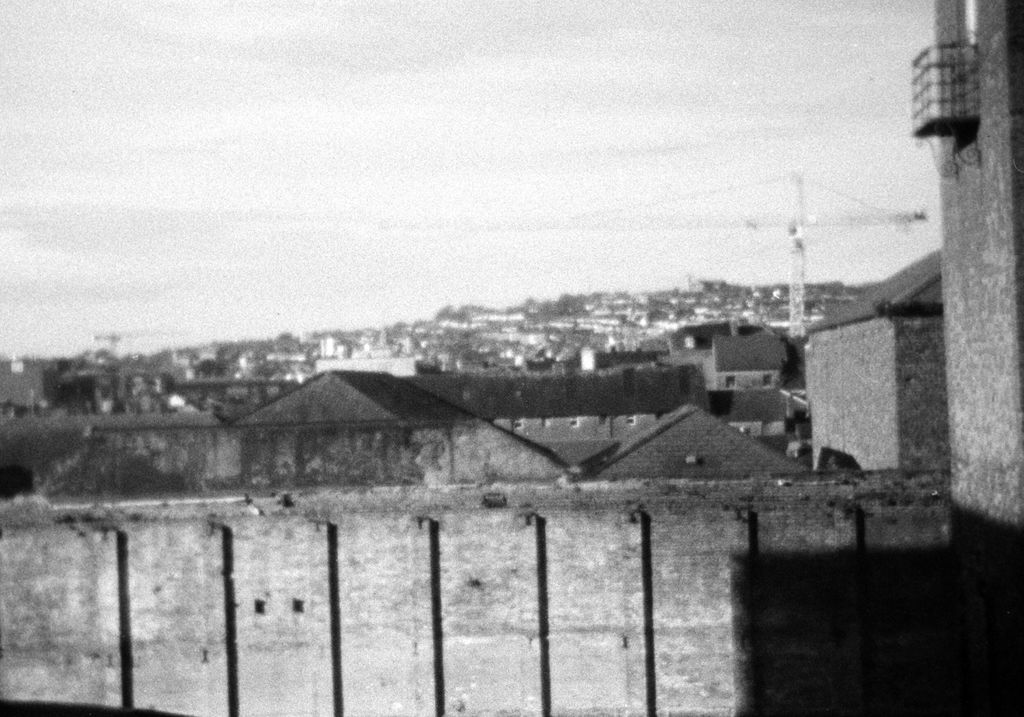
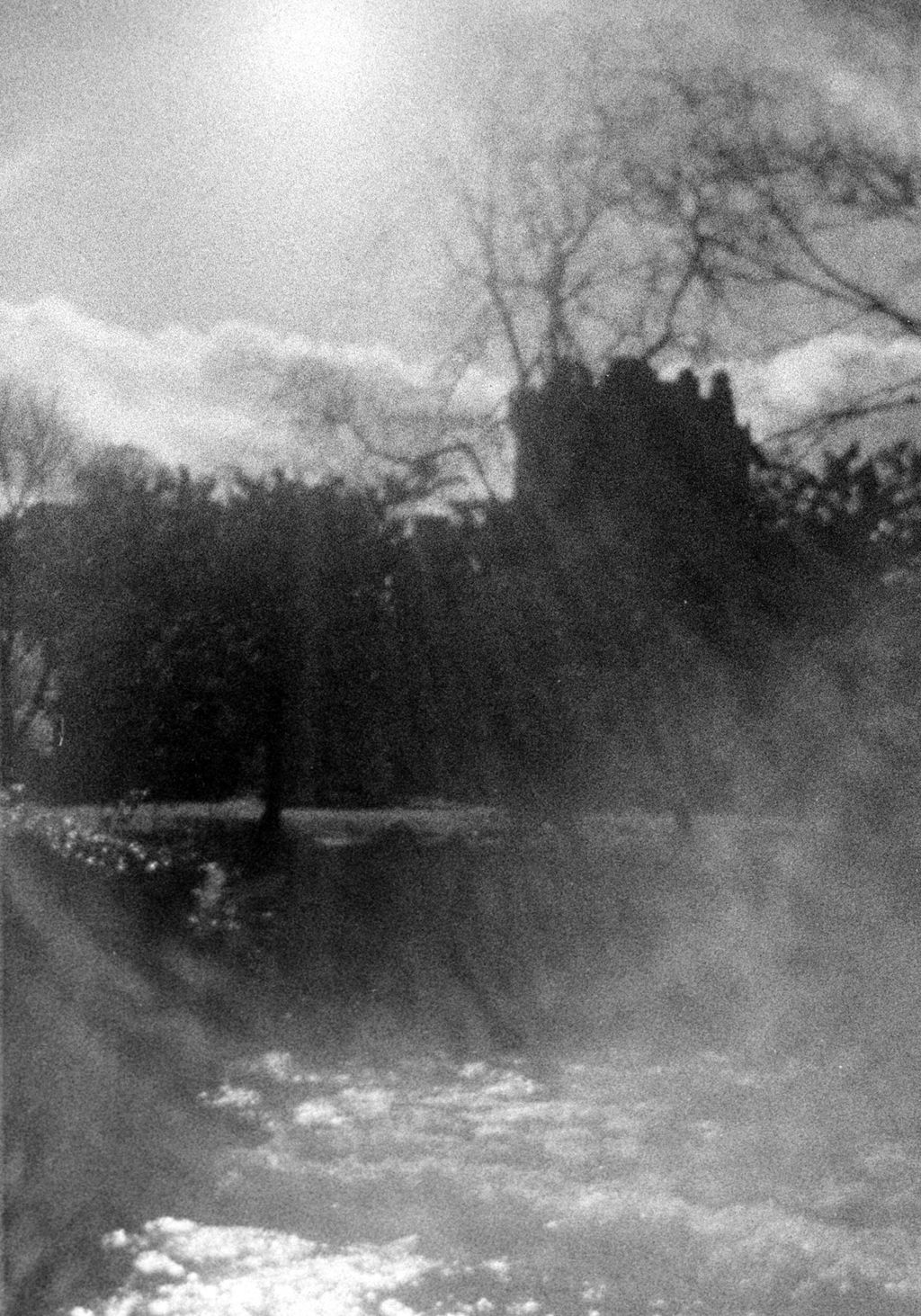
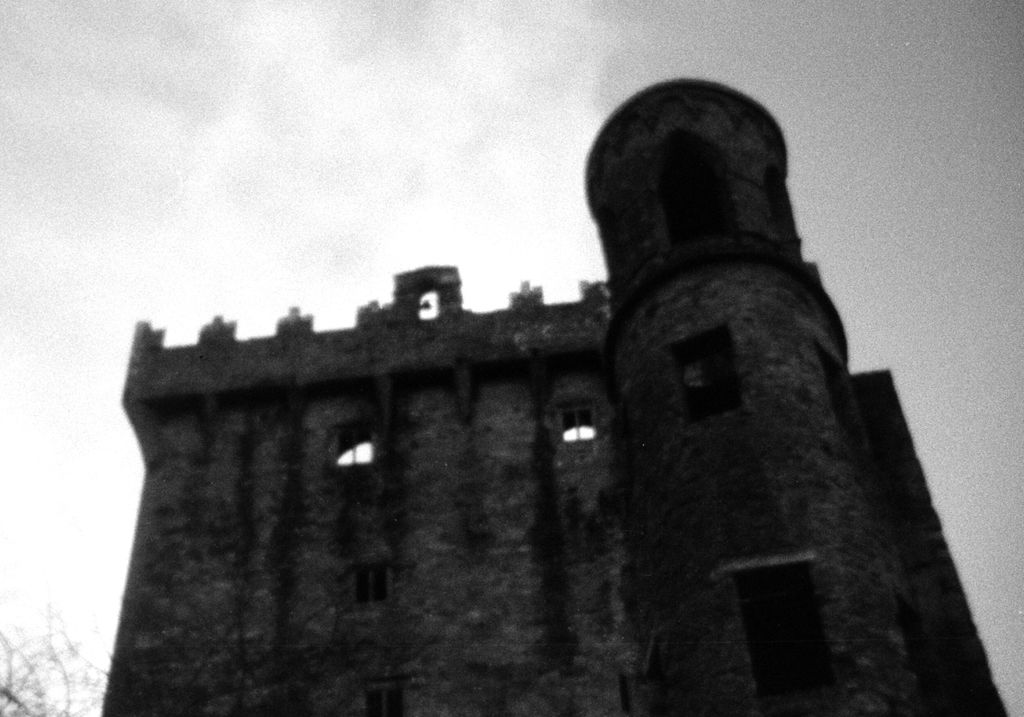
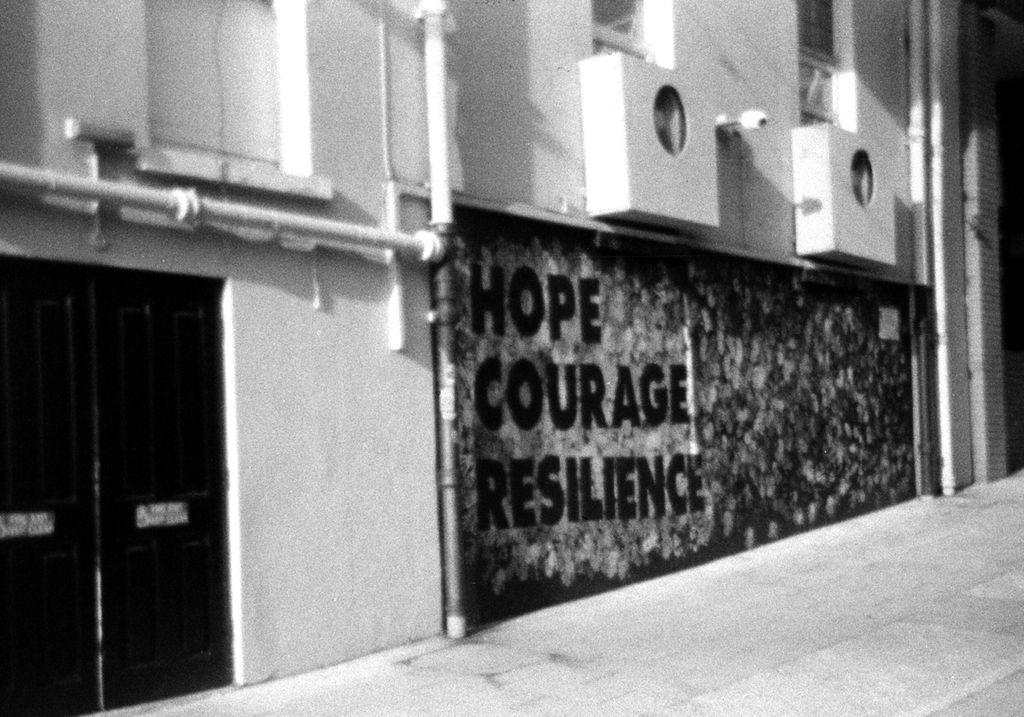
I dabbled with 100 some 40+ years ago with a Minolta 110 SLR. But I never shot B&W until 2020 when I was given a pocket 110 camera from the late 70s and decided to give Lomography Orca a go. I was pleasantly surprised, the contrast is really good and the grain is not intrusive as long as you don't look too close - which is what you expect from 110 film anyway. It's easy enough to shoot as most 110 cameras were designed for 100 ISO film, and I developed it myself in regular B&W chemicals. Definitely a nice option alongside the Lomography Tiger film, which is great but 200ASA doesn't sit well with 110 cameras which were designed for 100 or 400 ASA in the main.
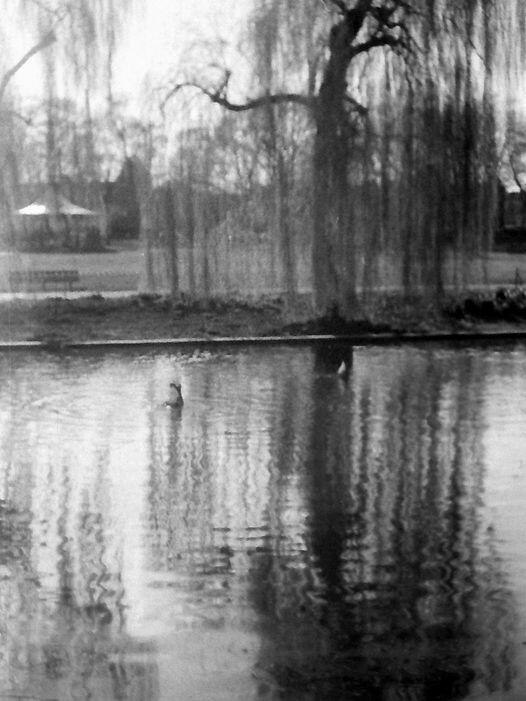
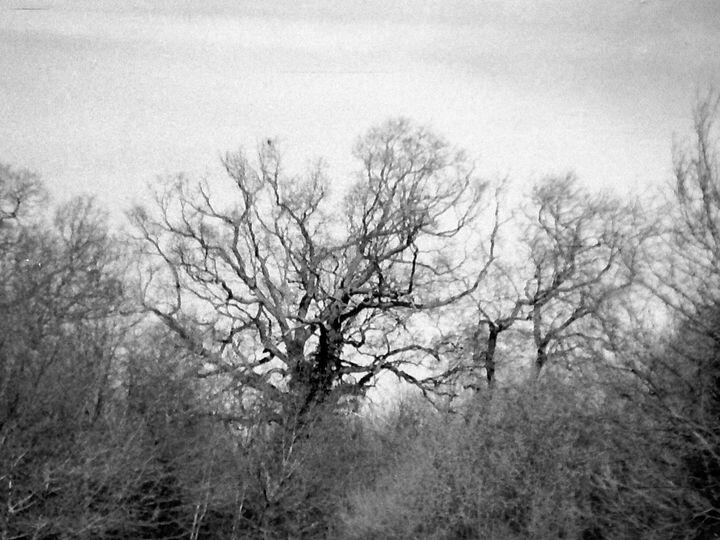
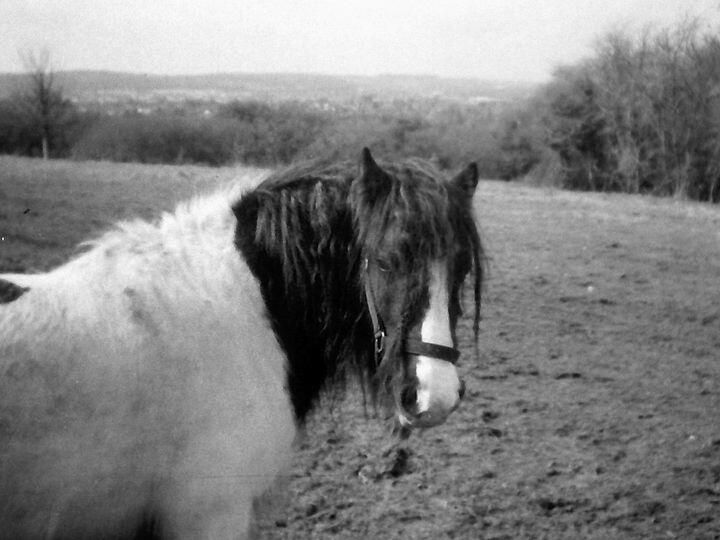
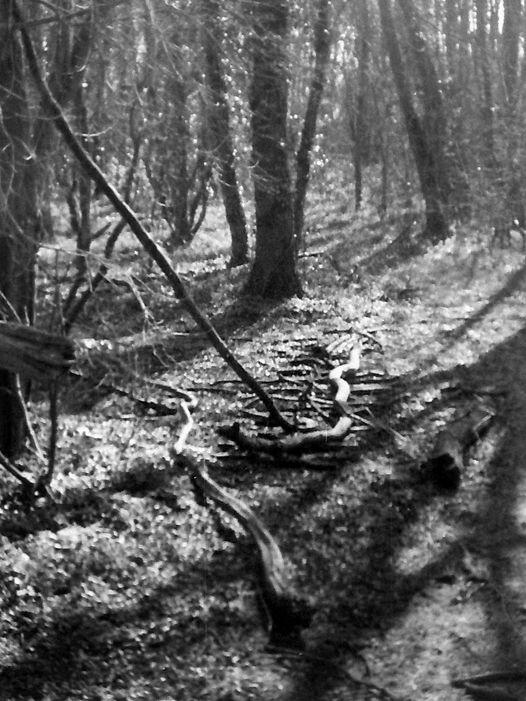
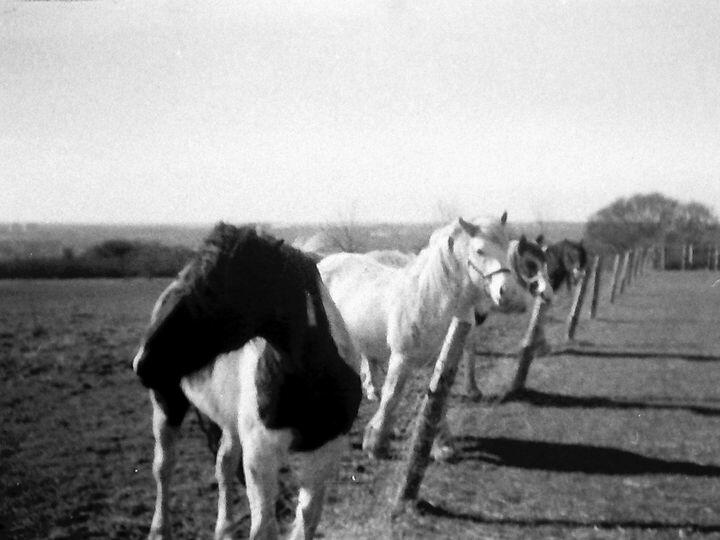
don't expect anything amazing but it does the job for a bit off a laugh using an old crap 110 camera
Sure if you put it in a Pentax 110 you might get some reasonable results
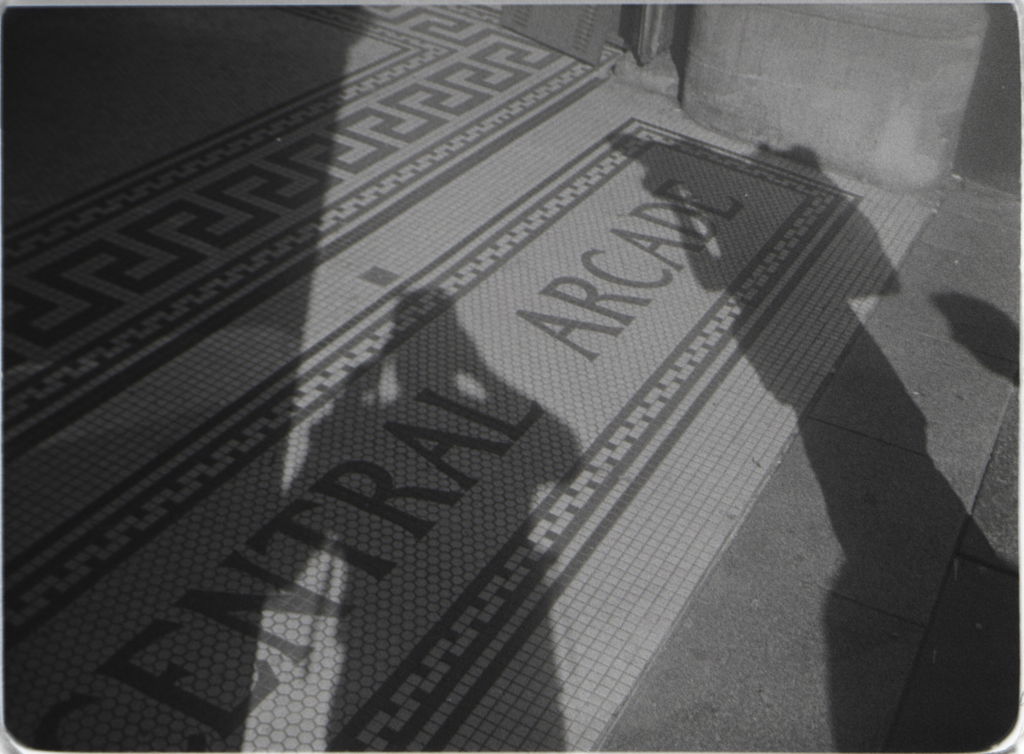
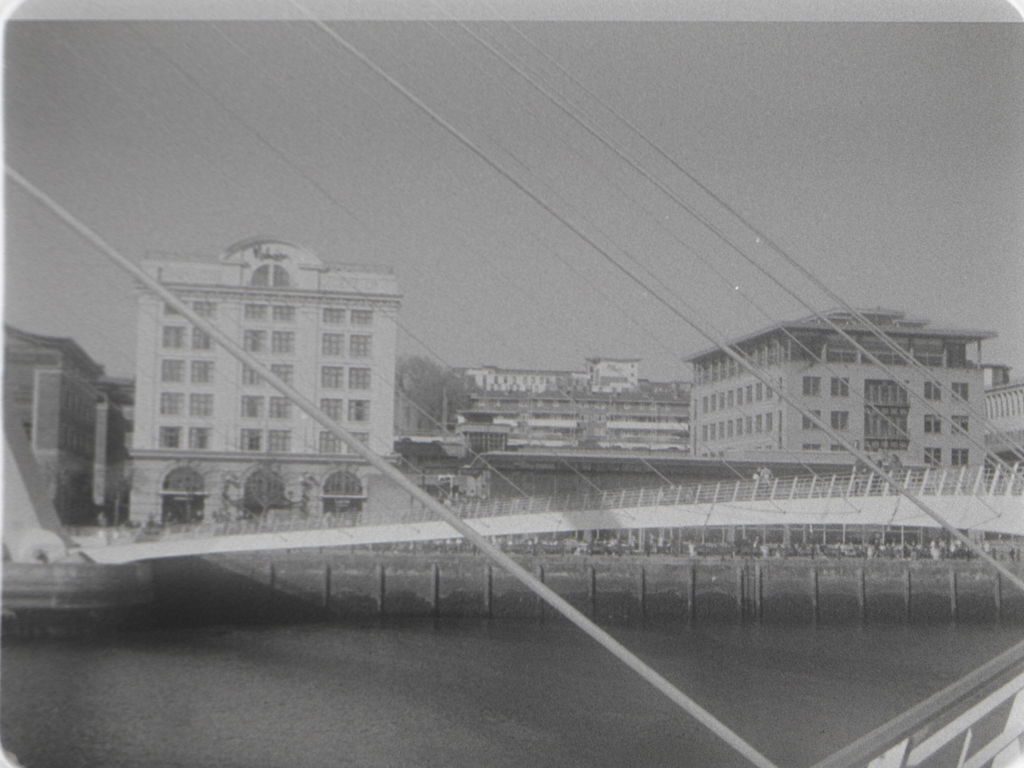
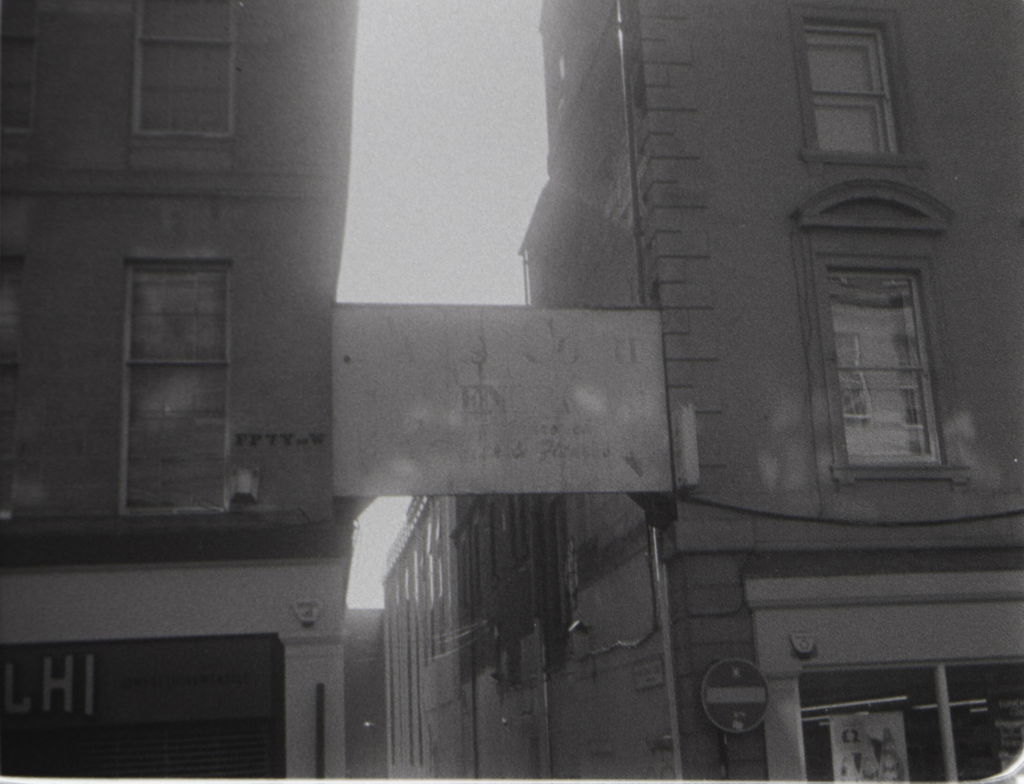
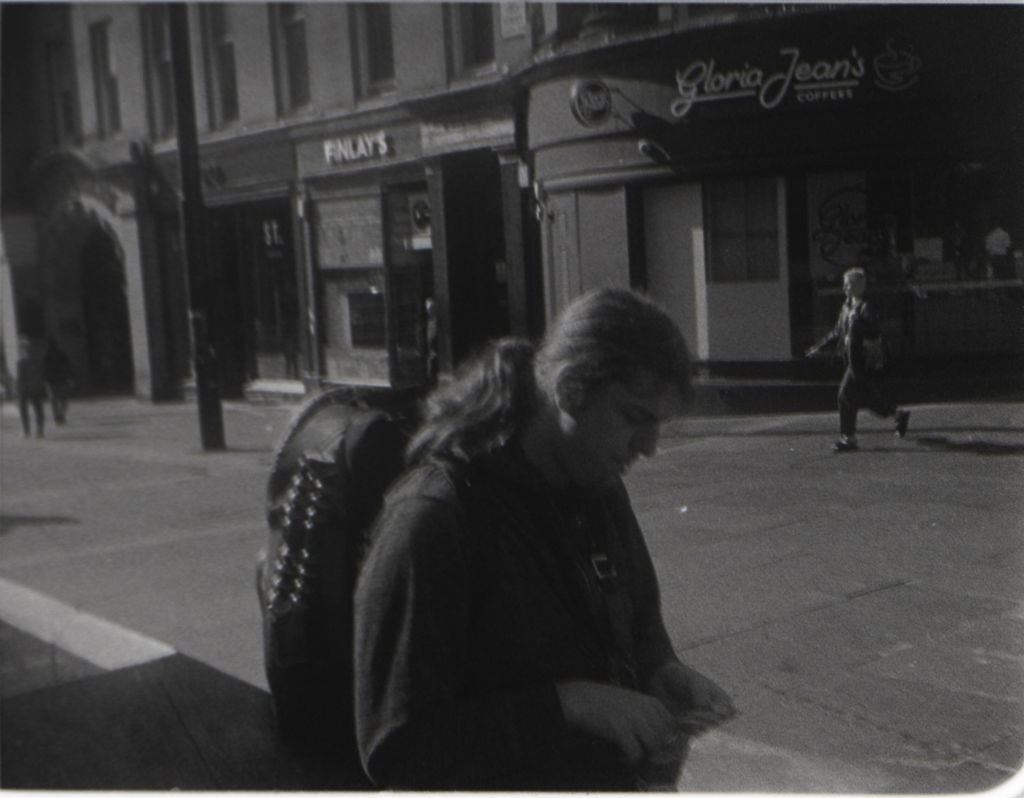
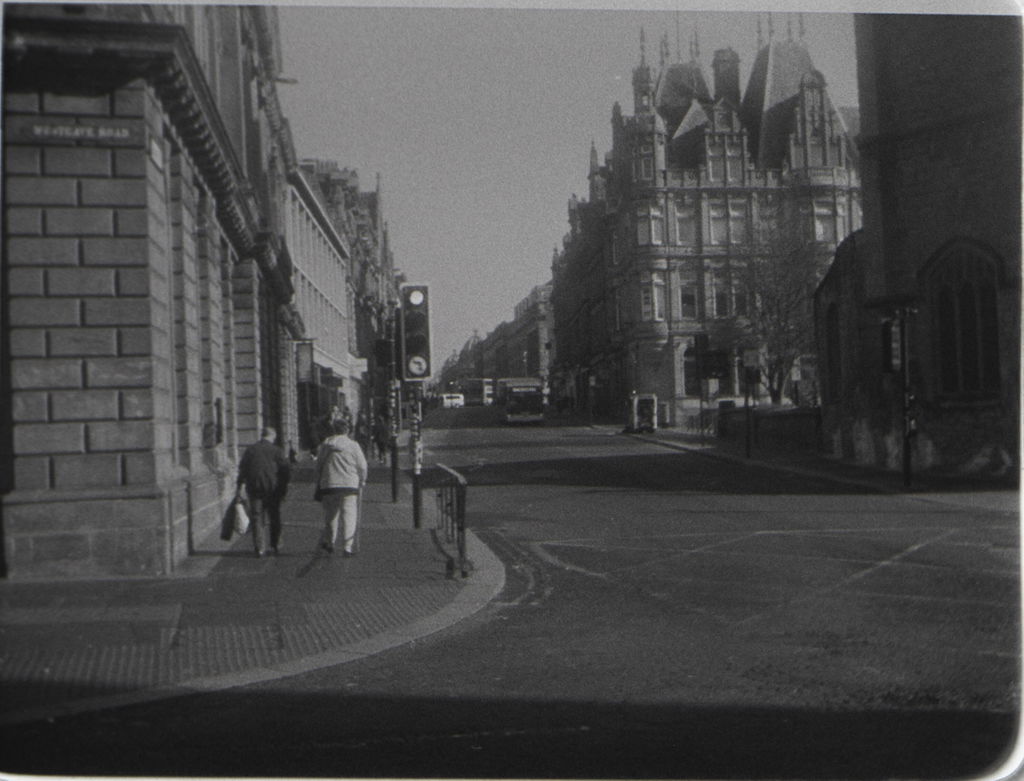
I've used a couple of rolls of Orca 110 recently. Once with a very primitive Dolphin Sirius waterproof camera to test the concept and then, again with a newly acquired Minolta Autopak 450E, probably one of the best 110 compacts ever made.
I develop my own black and white film and so had the fun of running this through the processing tank and seeing the tiny negatives emerge at the end of the process. If you want to do this yourself, be warned, processing tanks and spirals for 110 are difficult to find. I managed to track down and old West German movie developing tank (yes, *West* German). It takes 16mm which is exactly the size of 110 film.
The pictures from the fixed focus, two exposure levels, Dolphin Sirius were surprisingly good: the main factor in moving onto the Minolta 450E. The film captured the scenes with nice crisp contrast and fairly fine grain, considering the images are so small.
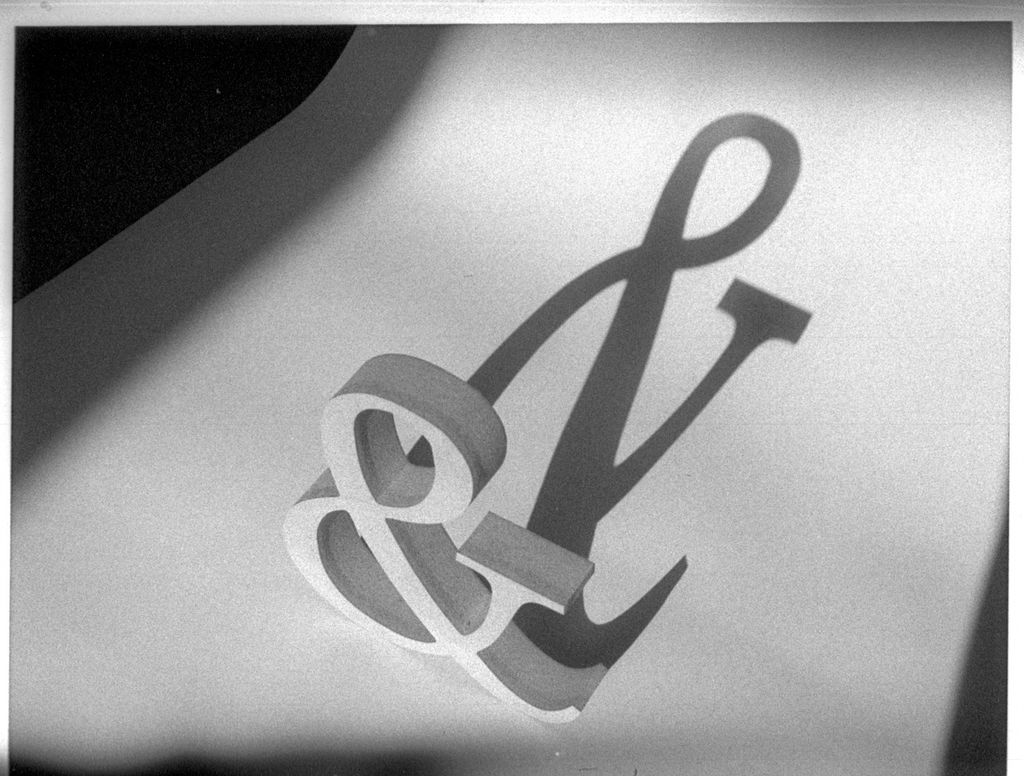
Moving onto the Minolta, the quality really began to show. Having the ability to actually focus the lens (zone focussing) really shows what these small negatives can capture. I found it a really nice format for street photography but it is also more than capable in the camera's close-up and macro settings as seen in the capture of the scrabble board.
So I am looking forward to a happy relationship with Lomography Orca 110 film and my Minolta Autopak 450E, a good choice for street photography, parties and other occasions when I need a pocket-sized film camera.
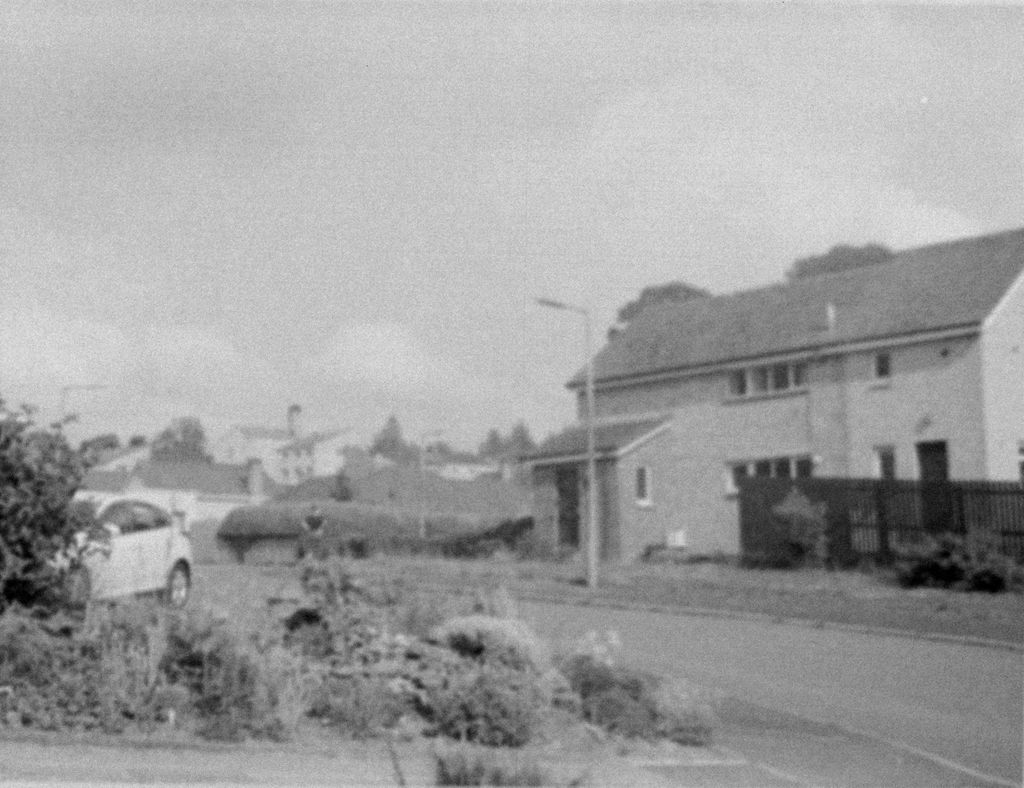
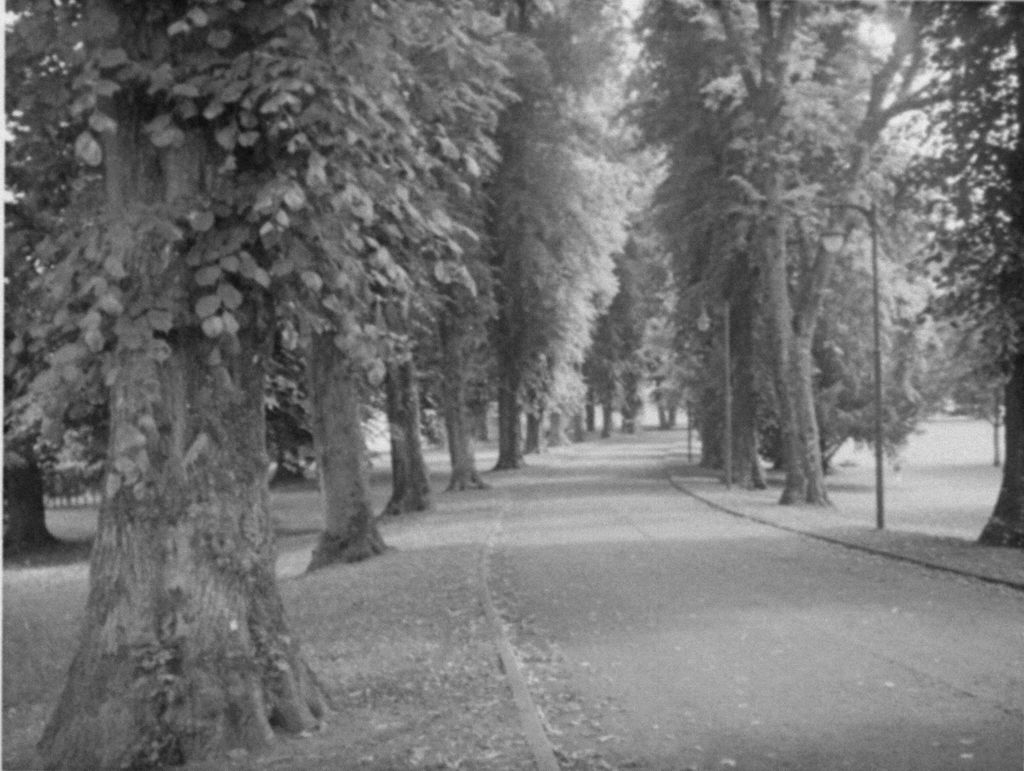
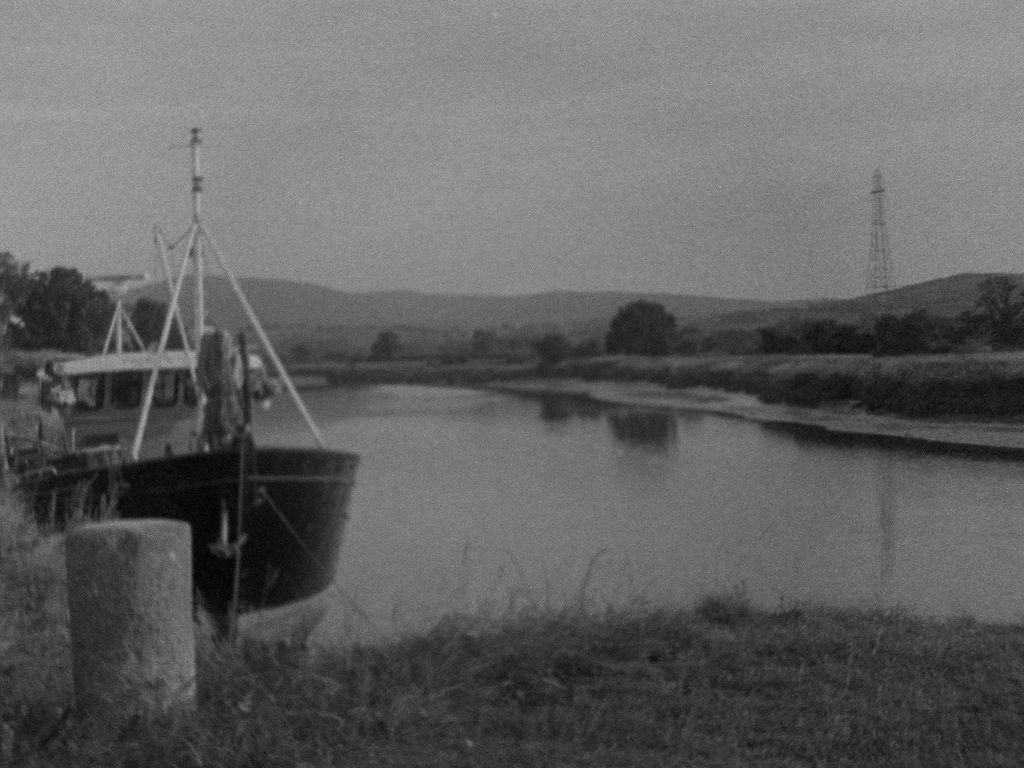
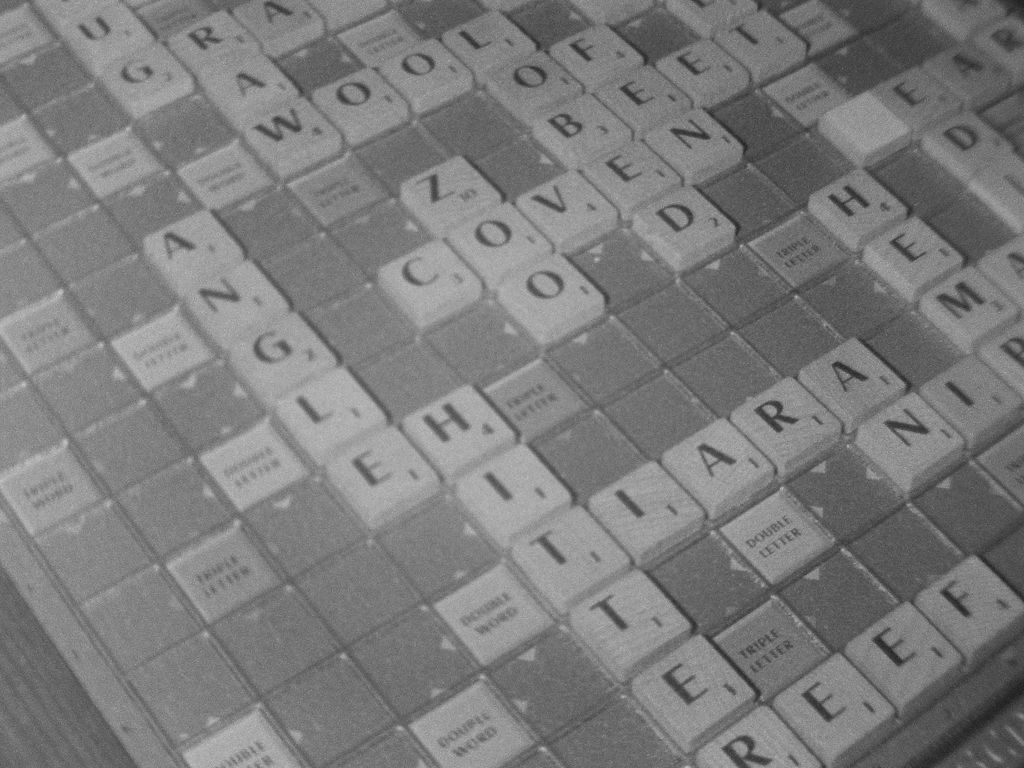
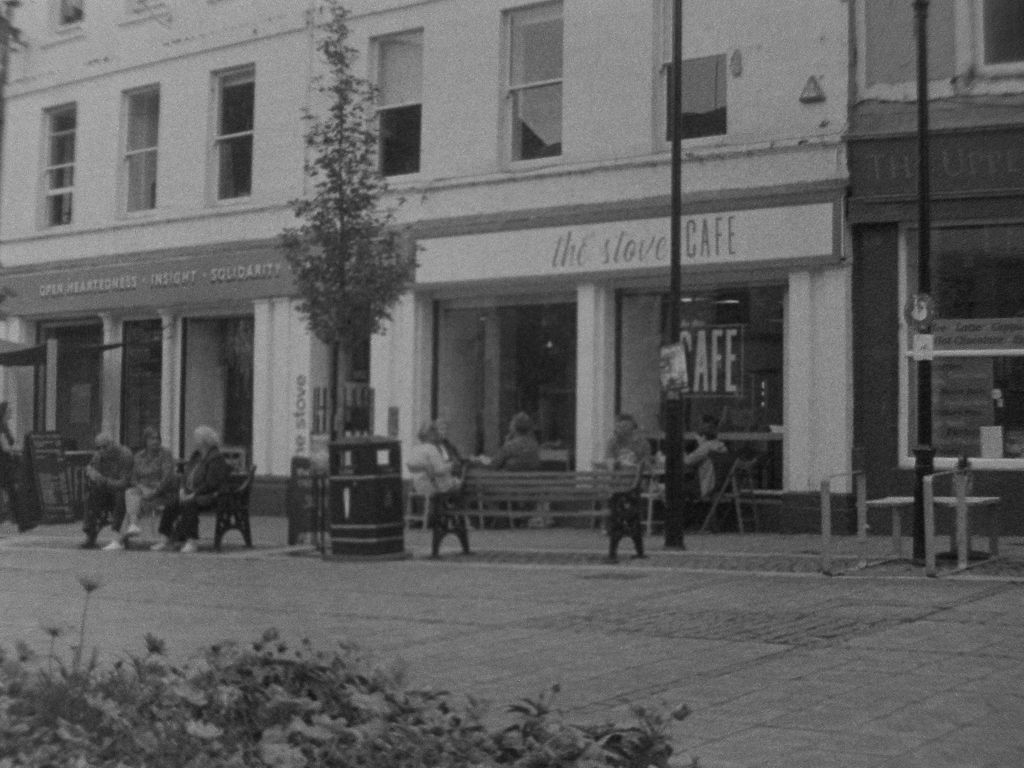
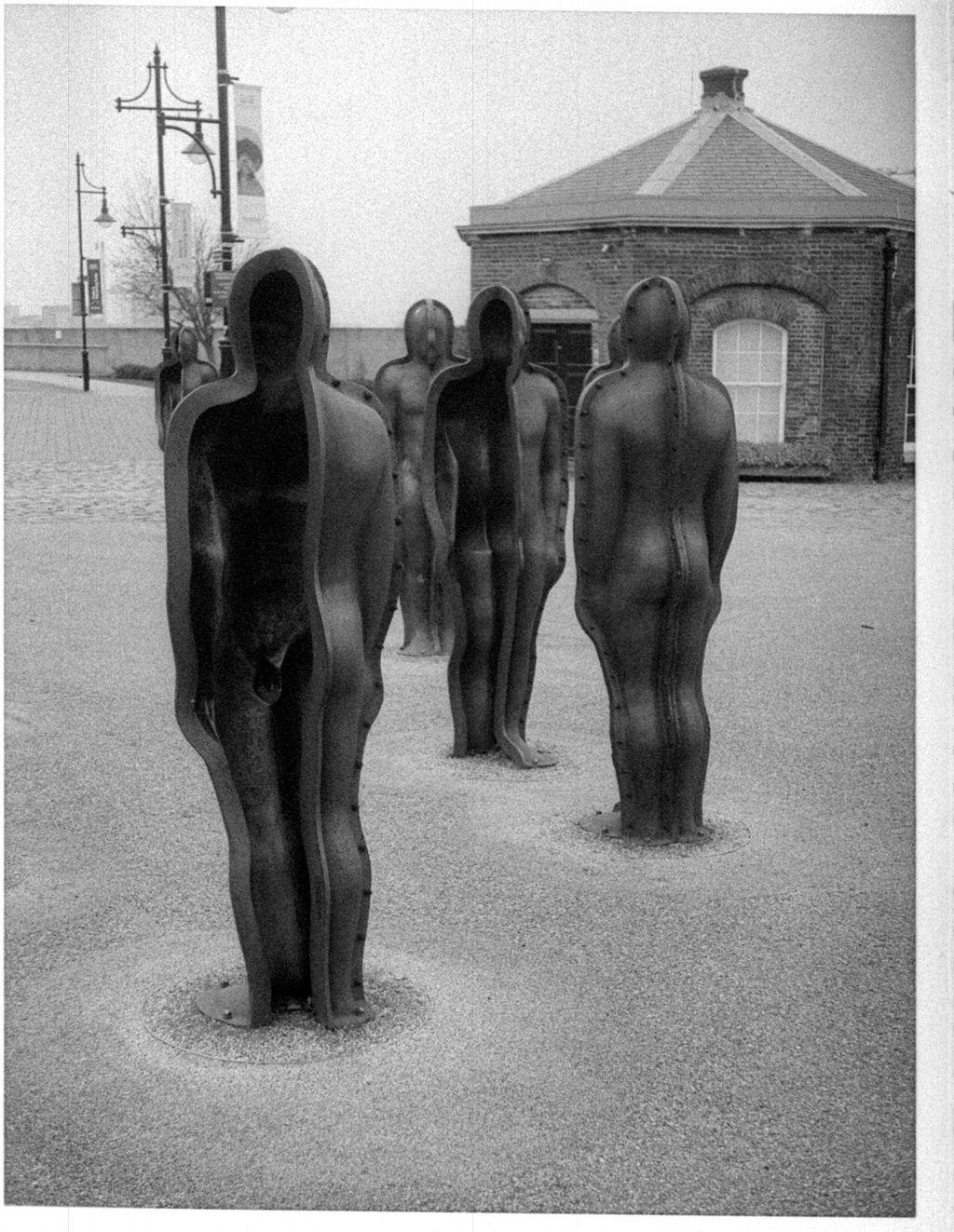
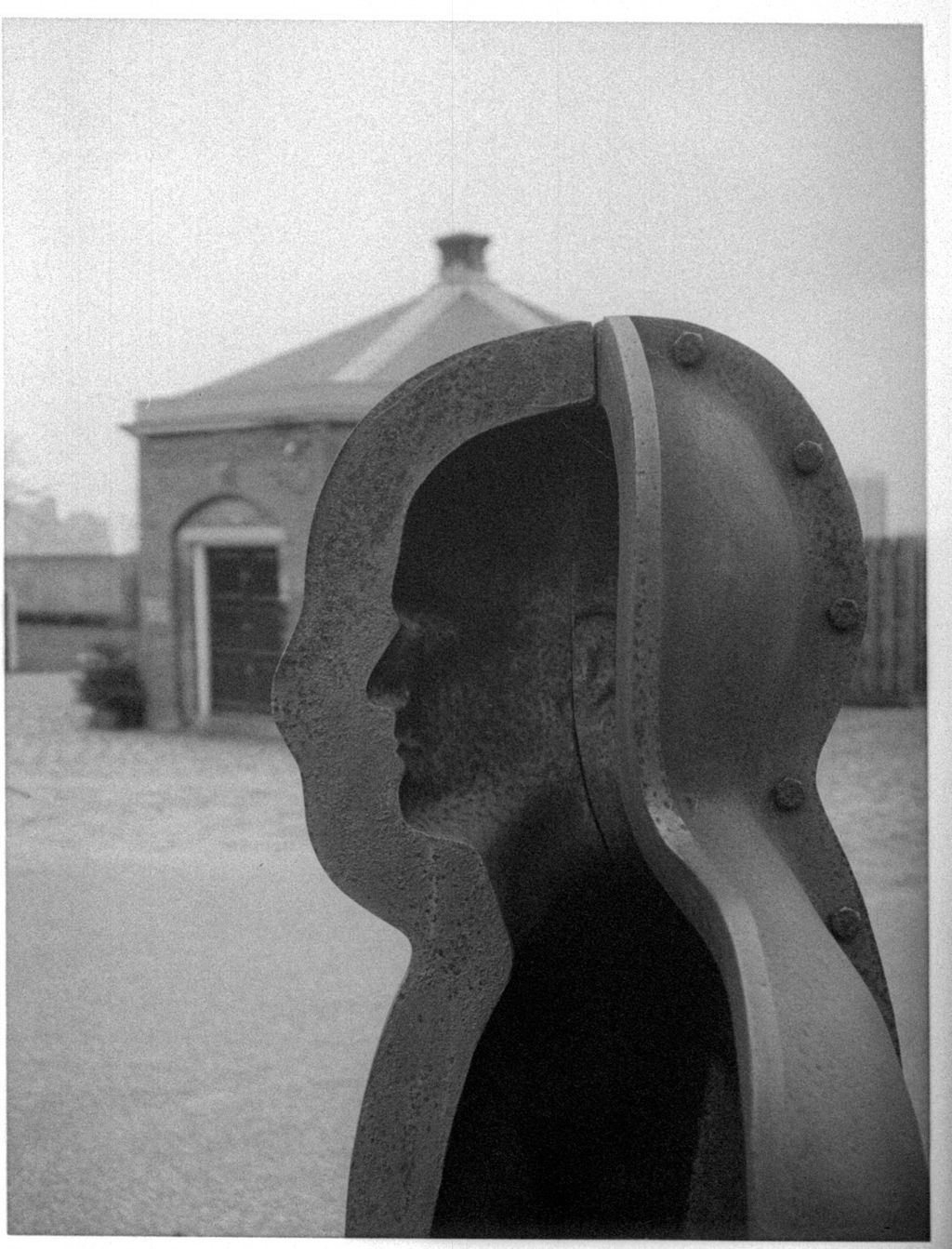
Ran a roll of this through a Pentax Auto 110 as a test film, not expecting too much from the tiny negatives, and was pleasantly surprised by the results.
Yes, there's grain. But the contrast and range of tones available from the Orca stop it from being too intrusive most of the time. Really hard to comment on latitude because the Pentax just does what it thinks is right for exposure - no questions or opinions from the user allowed. But it seemed to cope well enough with fairly contrasty late afternoon sunshine on everything from landscapes to pretty extreme close-ups.
Exposed at 100ISO and developed in Rodinal 1+25 for 6 minutes, 20 deg C, agitation 10 seconds then 4 inversions at the start of each minute. Scanned on Epson V600 at 6400DPI to get some sort of decent file size out of the tiny negatives.
Film like this might actually keep 110 shooting alive and will definitely be stocking up on this once it's back in stock!
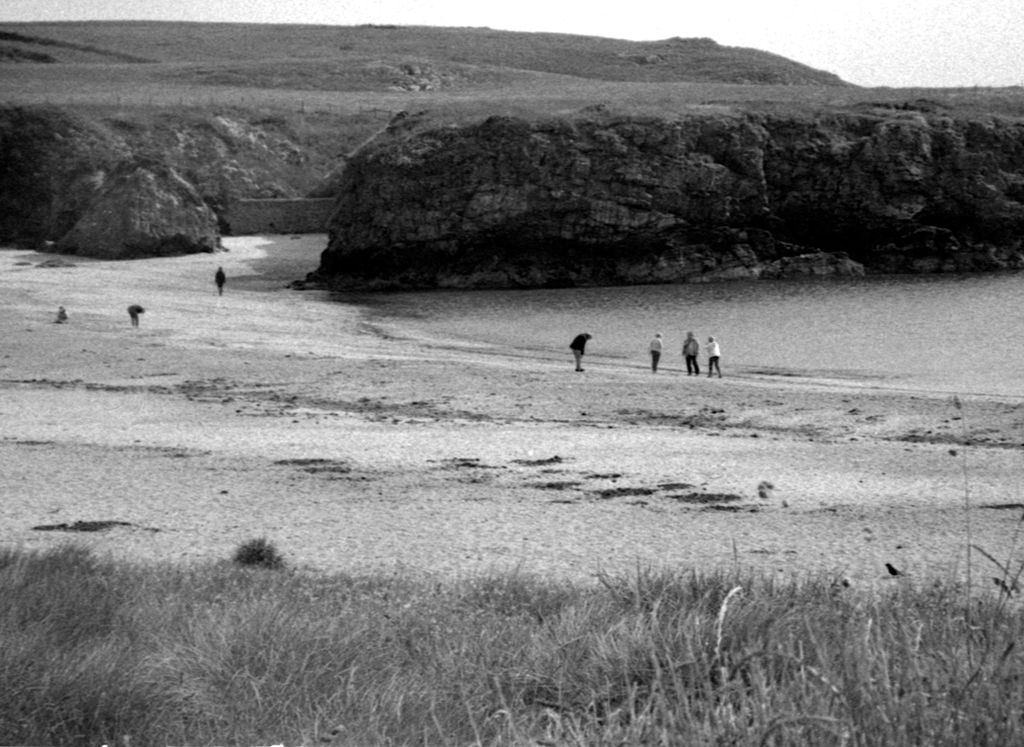
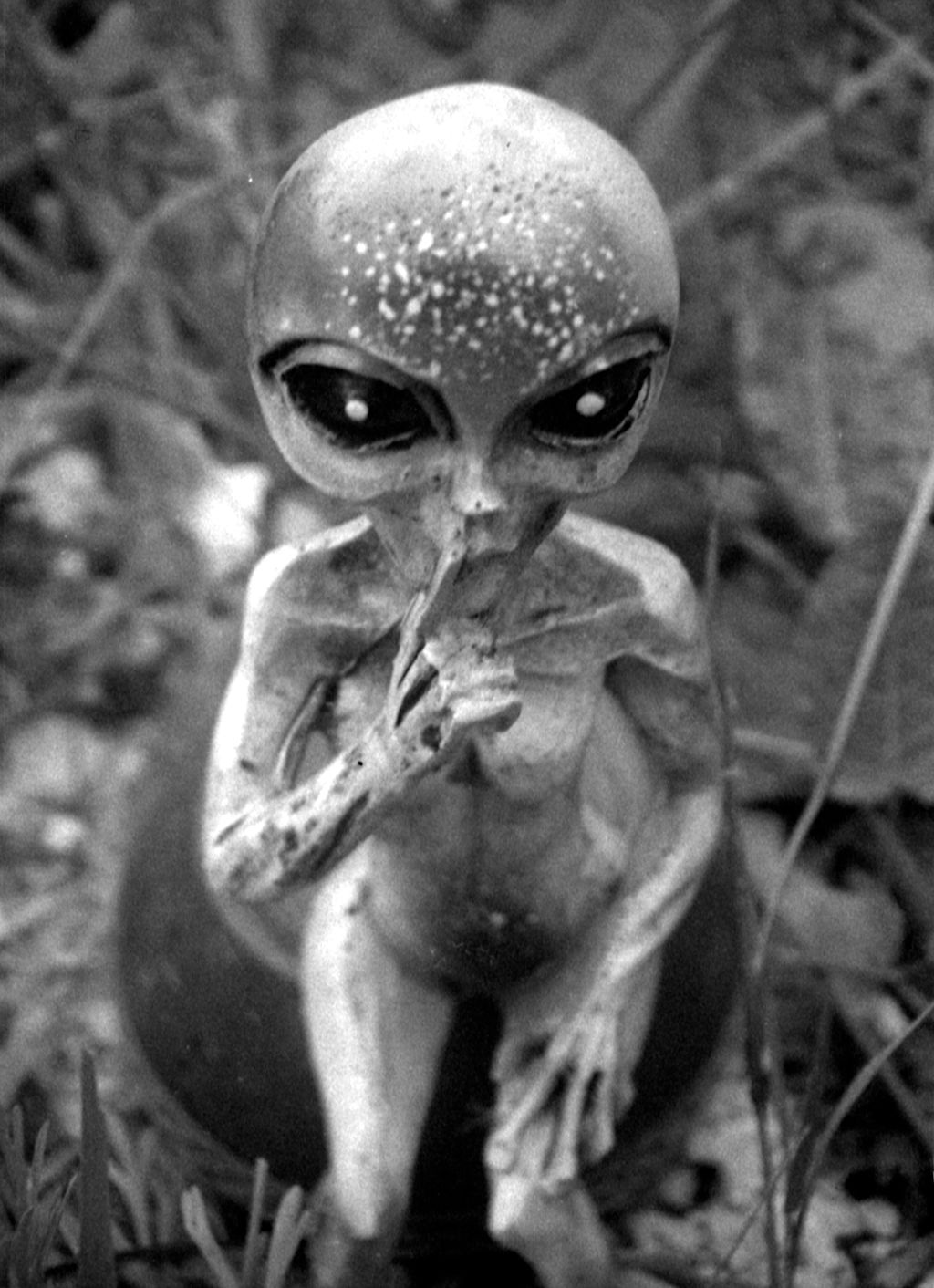
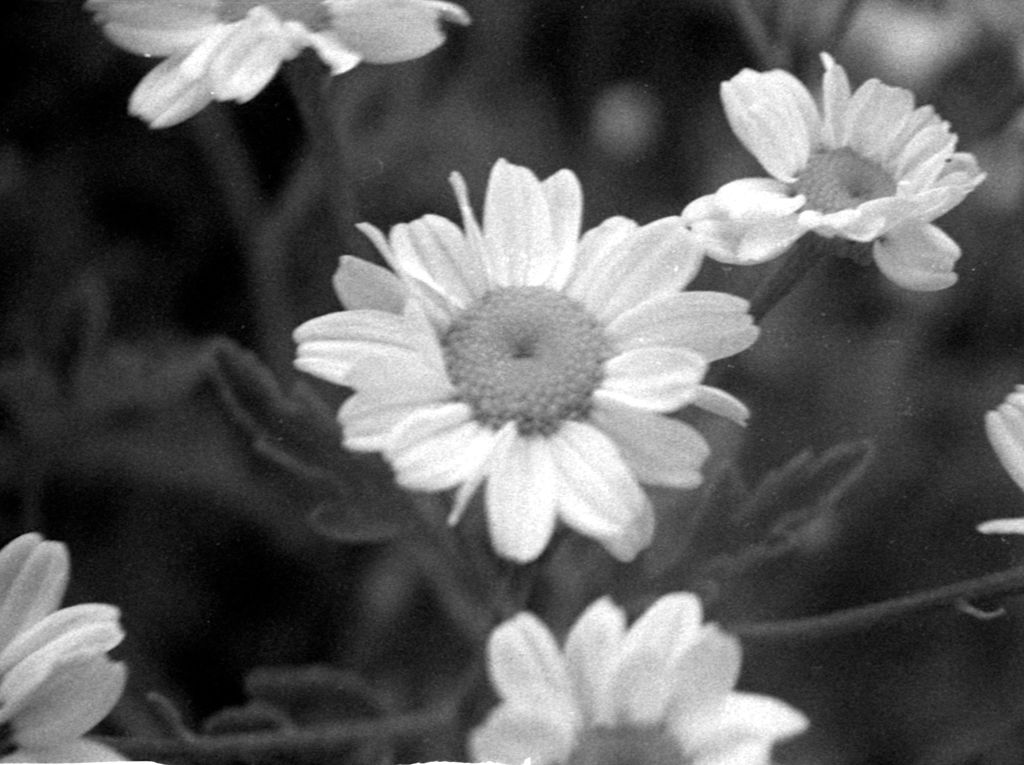
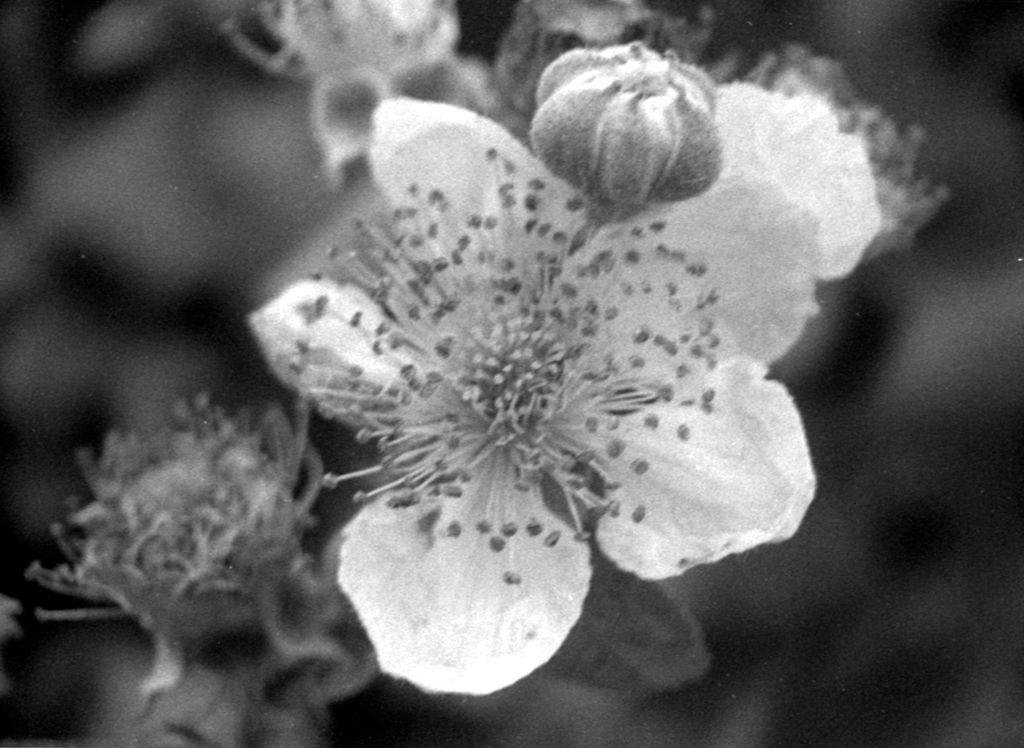
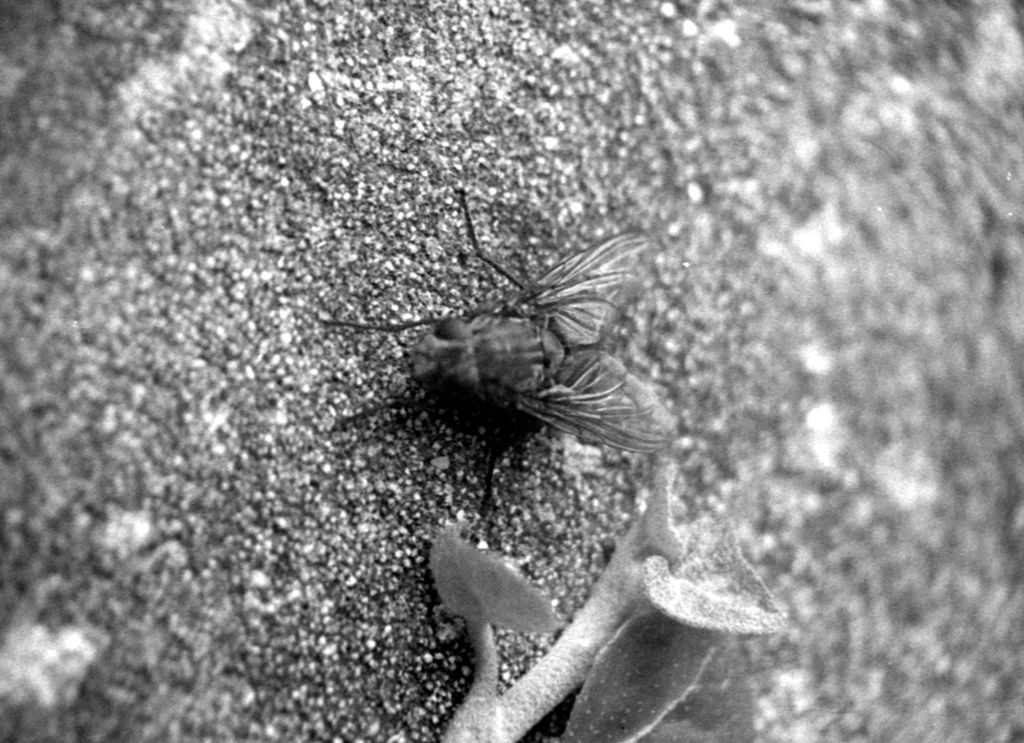
Was nice to be able to use 110, and this was my first time using a 110 bw film. I didnt have my camera set right so the images were underexposed, but even so, the images were very clear with good levels on contrast. Also the negatives dried very flat which made very for very easy scanning.
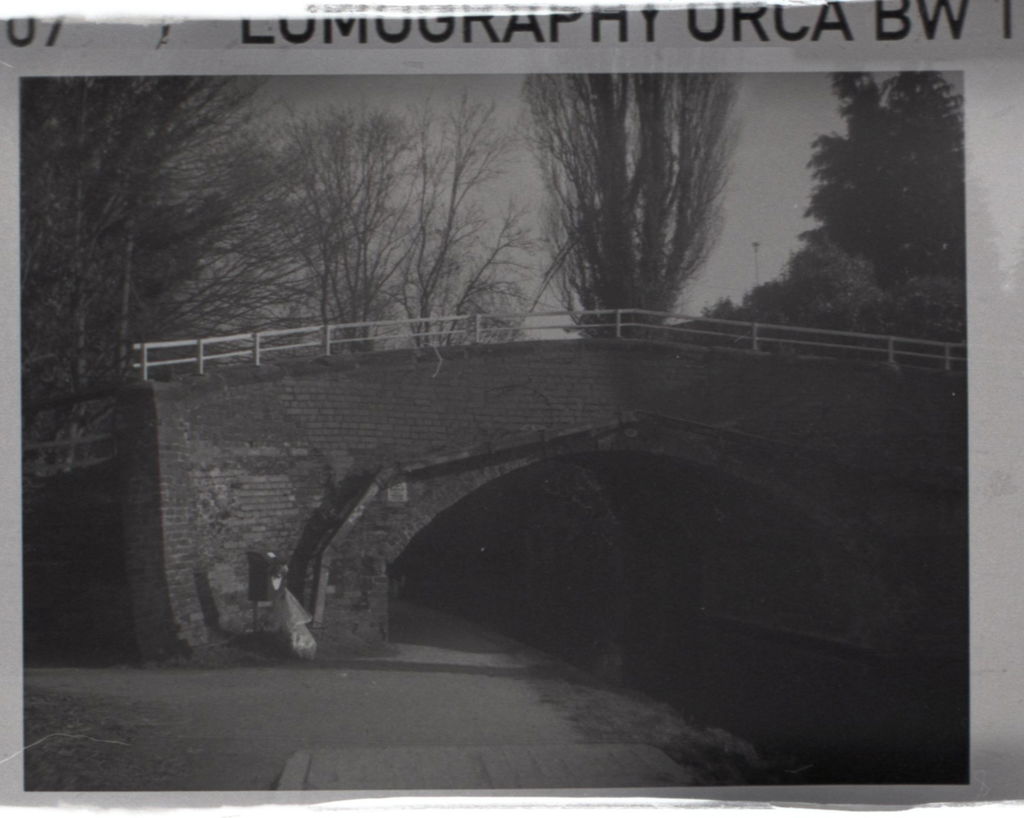
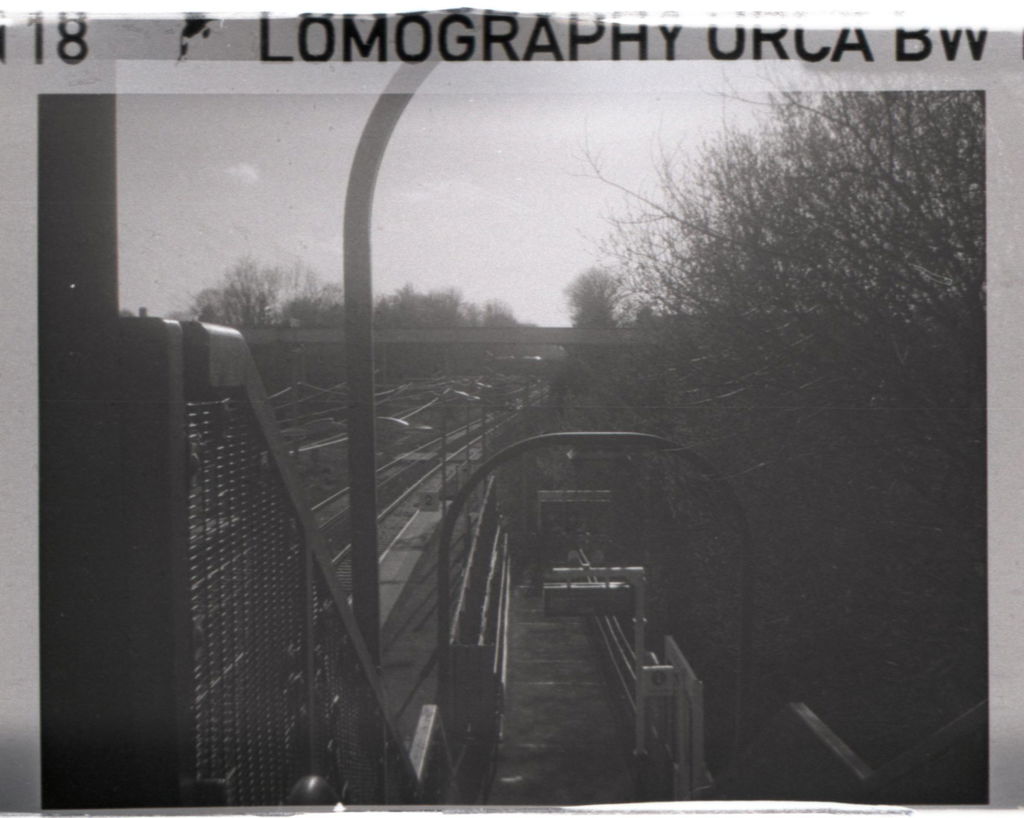
These taken with a Minox 110s.