




Description
Payment & Security
Your payment information is processed securely. We do not store credit card details nor have access to your credit card information.
Customers also bought these
Having read the reviews I was apprehensive about this film - it seemed to be a real case of Marmite (you either love it or hate it).
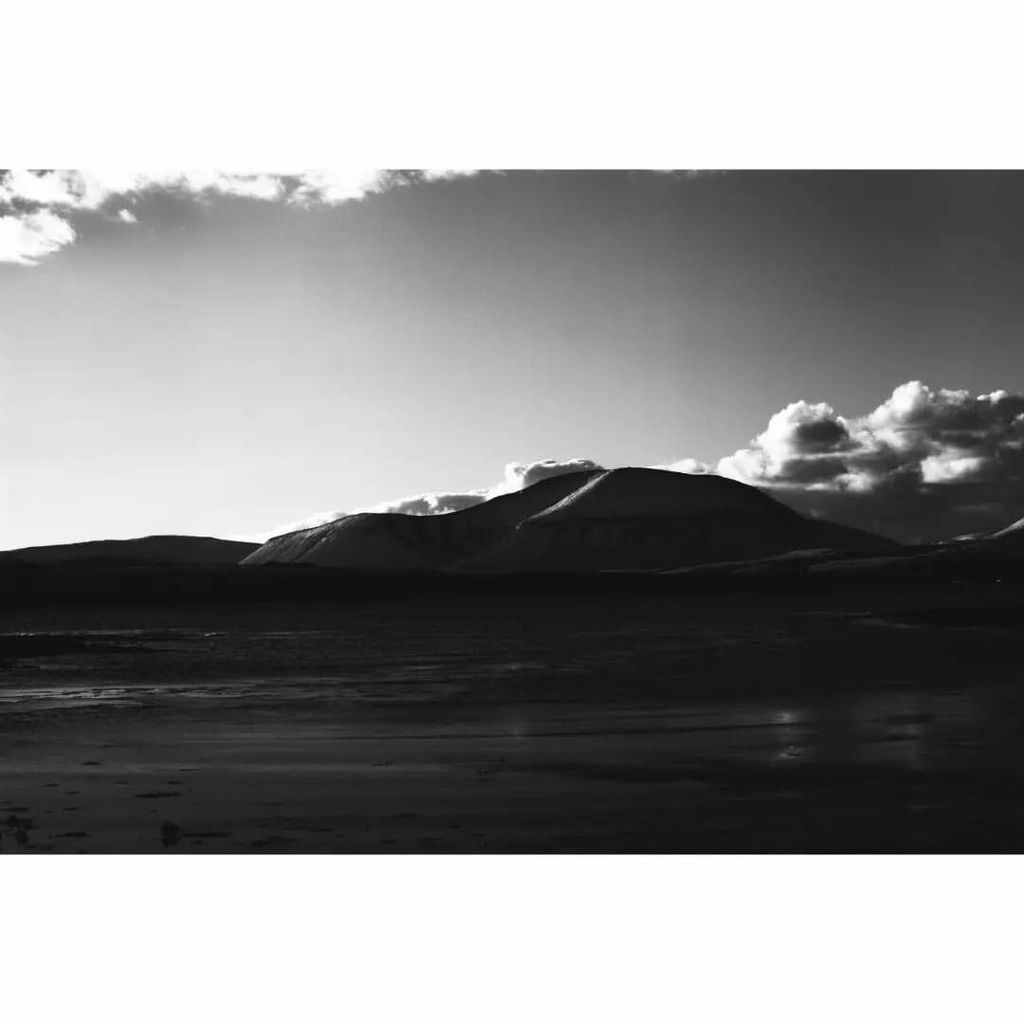
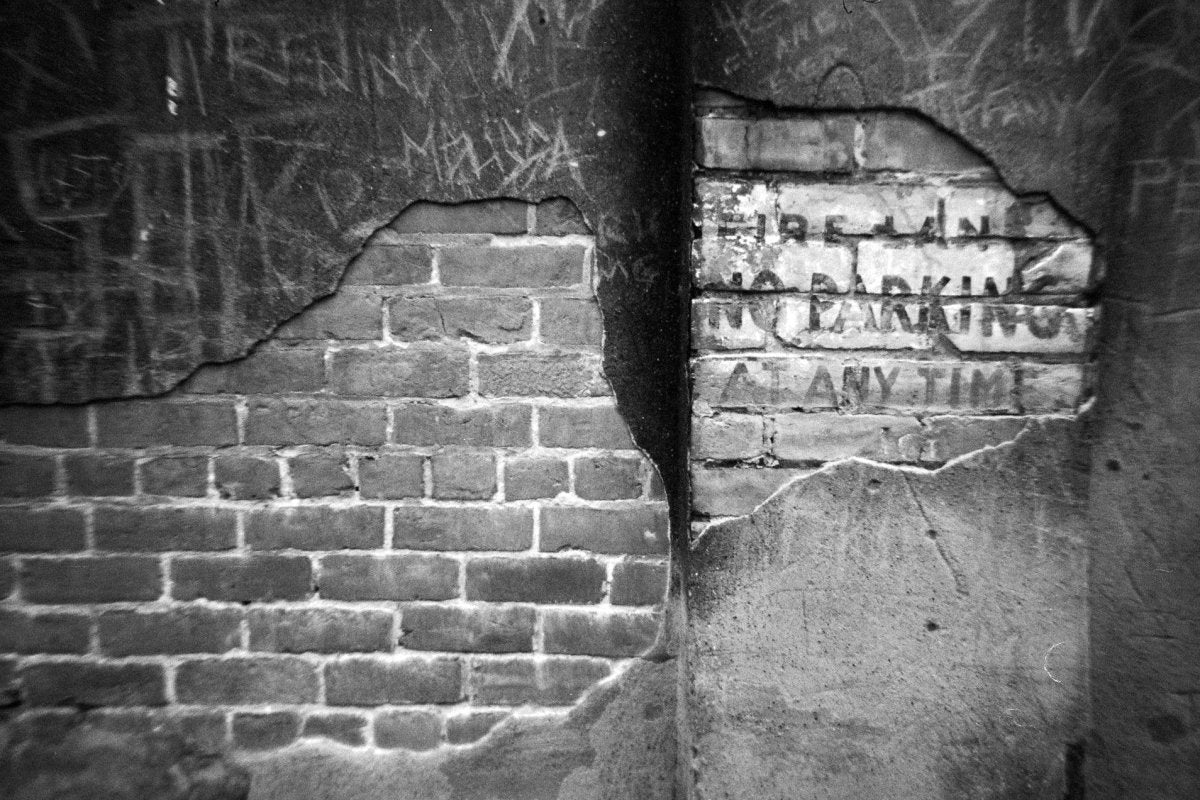
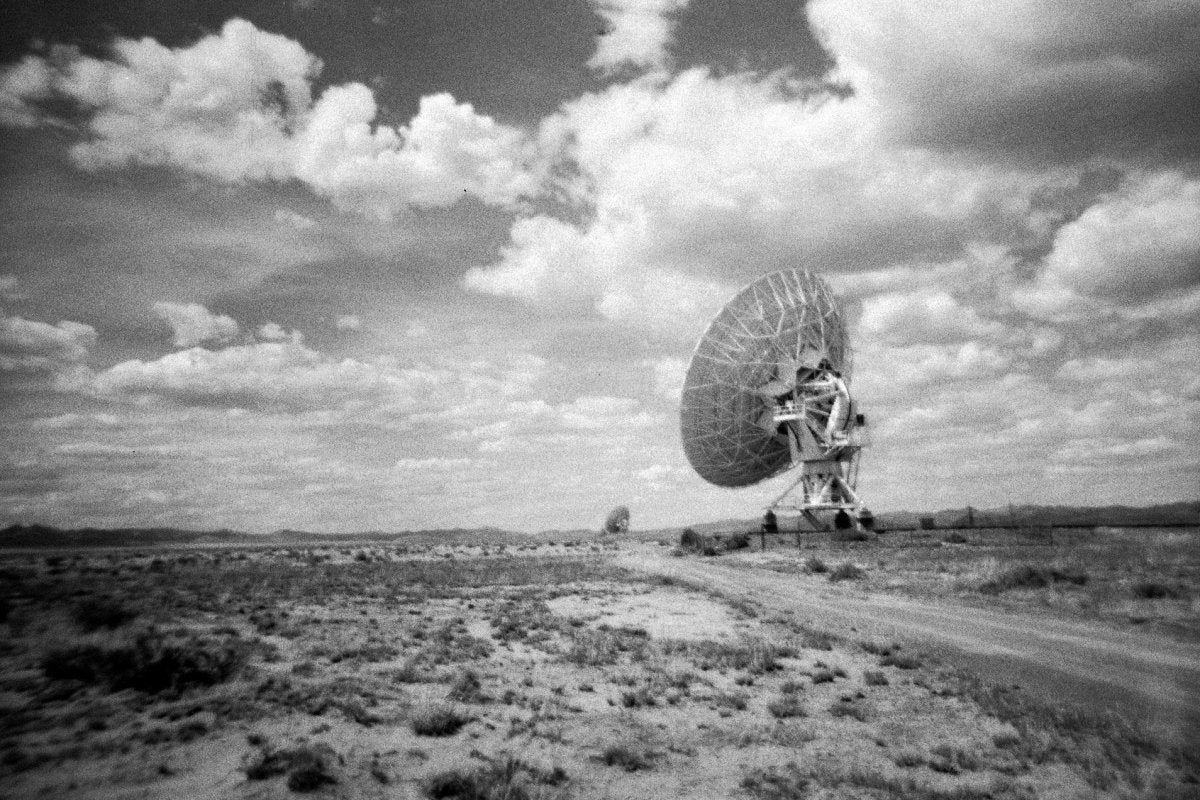
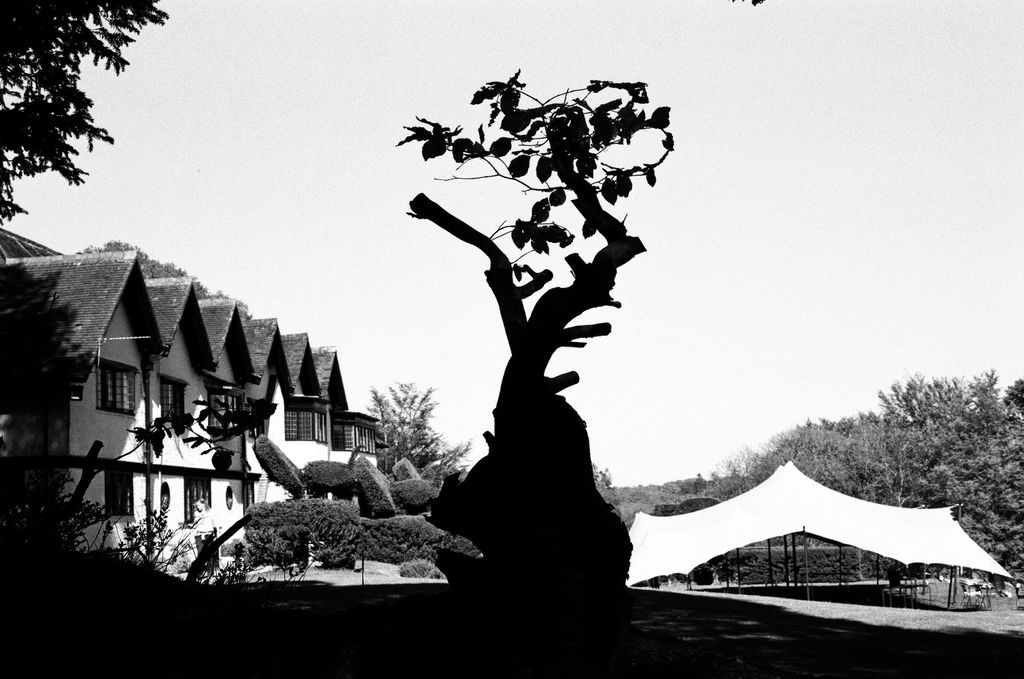
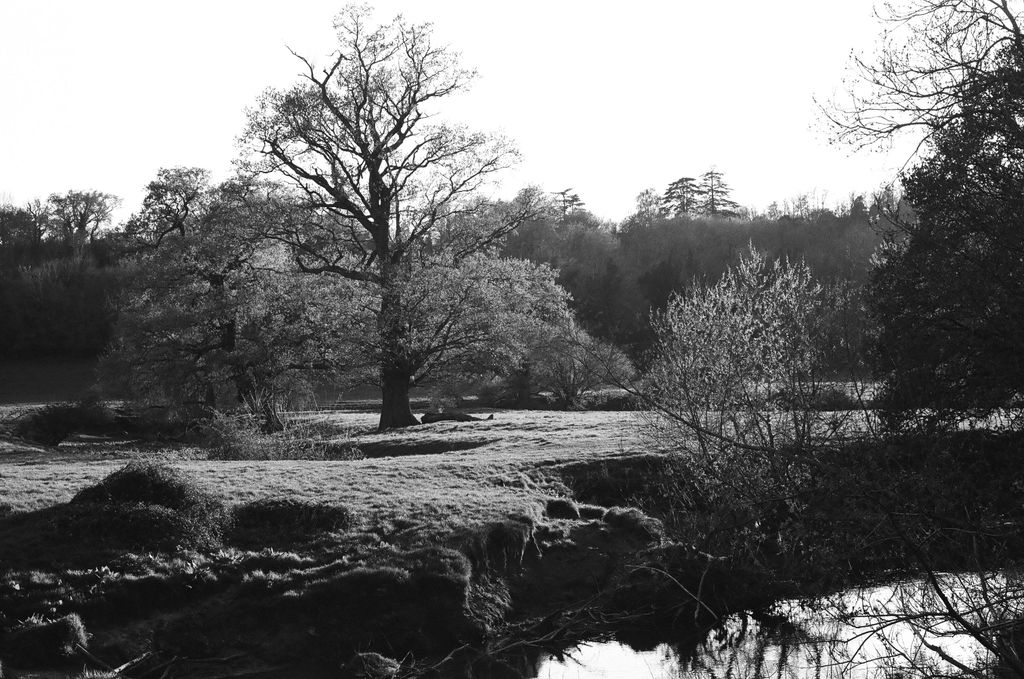
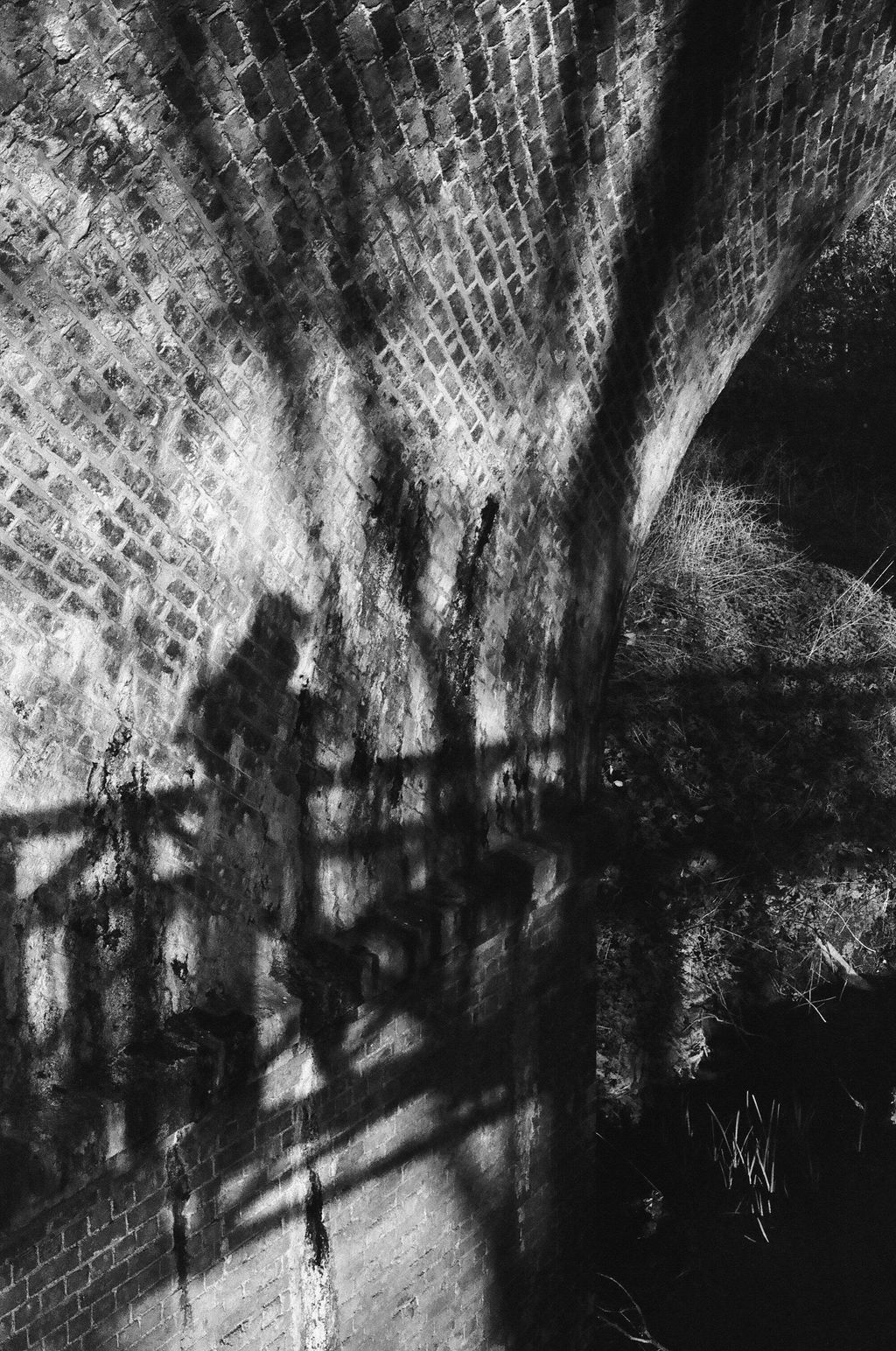
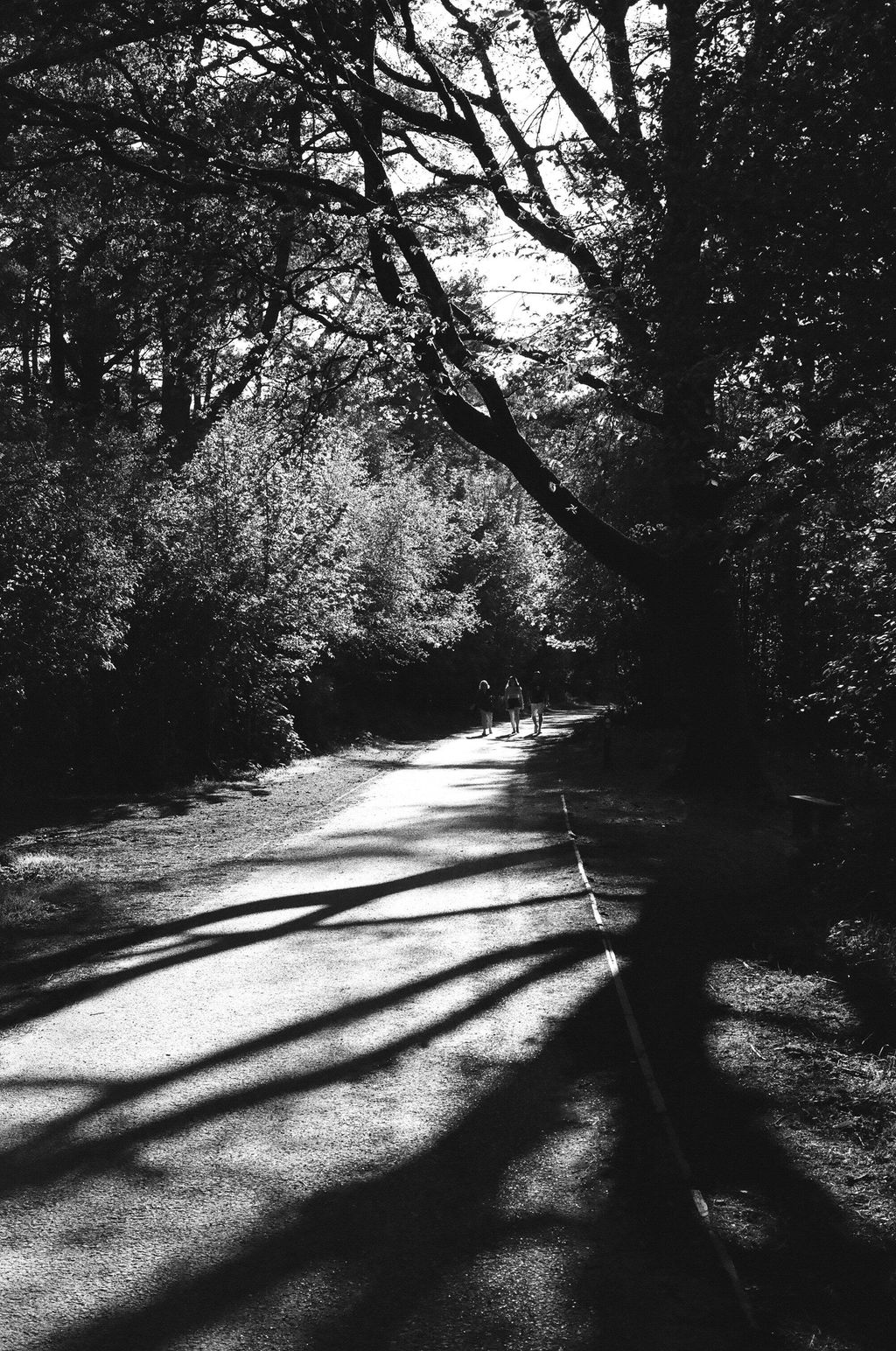
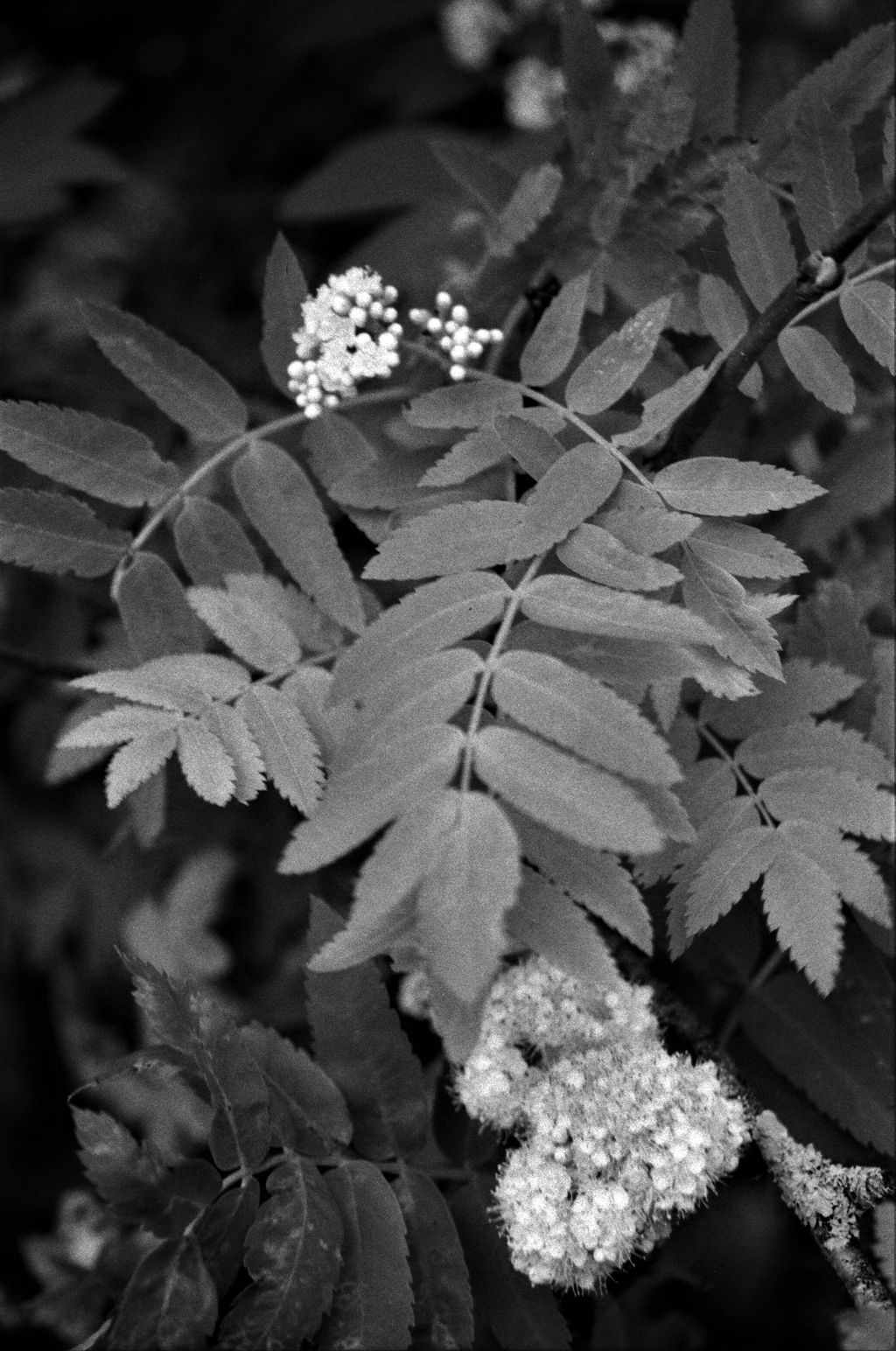
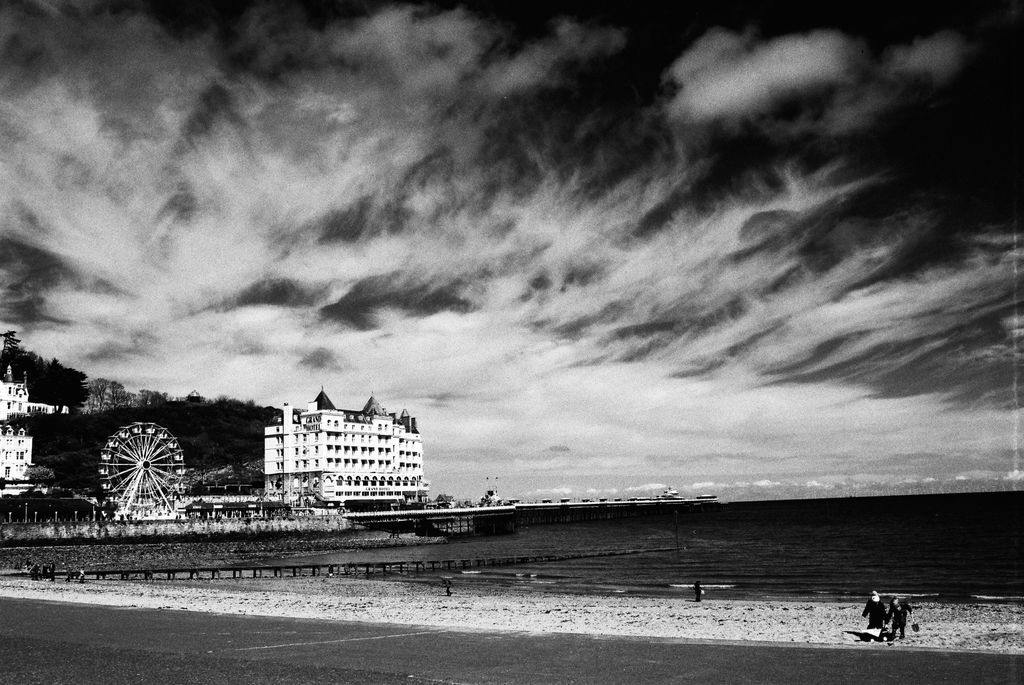
Well, I love it and I wish I could get my hands on some more. I didn't use a filter (I never do), nor a light metering app, just my FM2's inbuilt meter, and I don't do post-processing jiggery-pokery, so the images are exactly as they came out on a couple of bright, sunny days in April by the River Mole and at Gibbet Hill near Hindhead.
The grain is really fine for a 400 ASA film and the near-infrared characteristics work brilliantly on well-lit vegetation. I love the contrast between the bright highlights and rich black shade. I can't wait to roam around some gothicky haunts with a couple of rolls of this to play with.
I suspect that the disappointments some users have expressed are because it seems to need strong light in which to shine. It's probably best suited to subjects for which contrast is an asset rather than a drawback. As I have a liking for strong, graphic shadows, this film was ideal for me. I doubt it would be your first choice for a flattering portrait, though it might make a dramatic and unusual image - maybe take a roll to the Whitby Goth Weekend!
If used as a regular 400 ISO black & white film, there is nothing special about it. However, it is one of very few infrared light sensitive film stocks out there and it makes it quite special! With an IR filter, it's great for dramatic landscapes or Giedi Prime-like eerie portraits. The caveat is that Washi Z is similarly priced to a roll of Rollei Infrared and it's only 24 exposures while Rollei is a regular 36-exposures film. It's definitely worth giving it a go but I'm not sure if I'd use it for regular work.
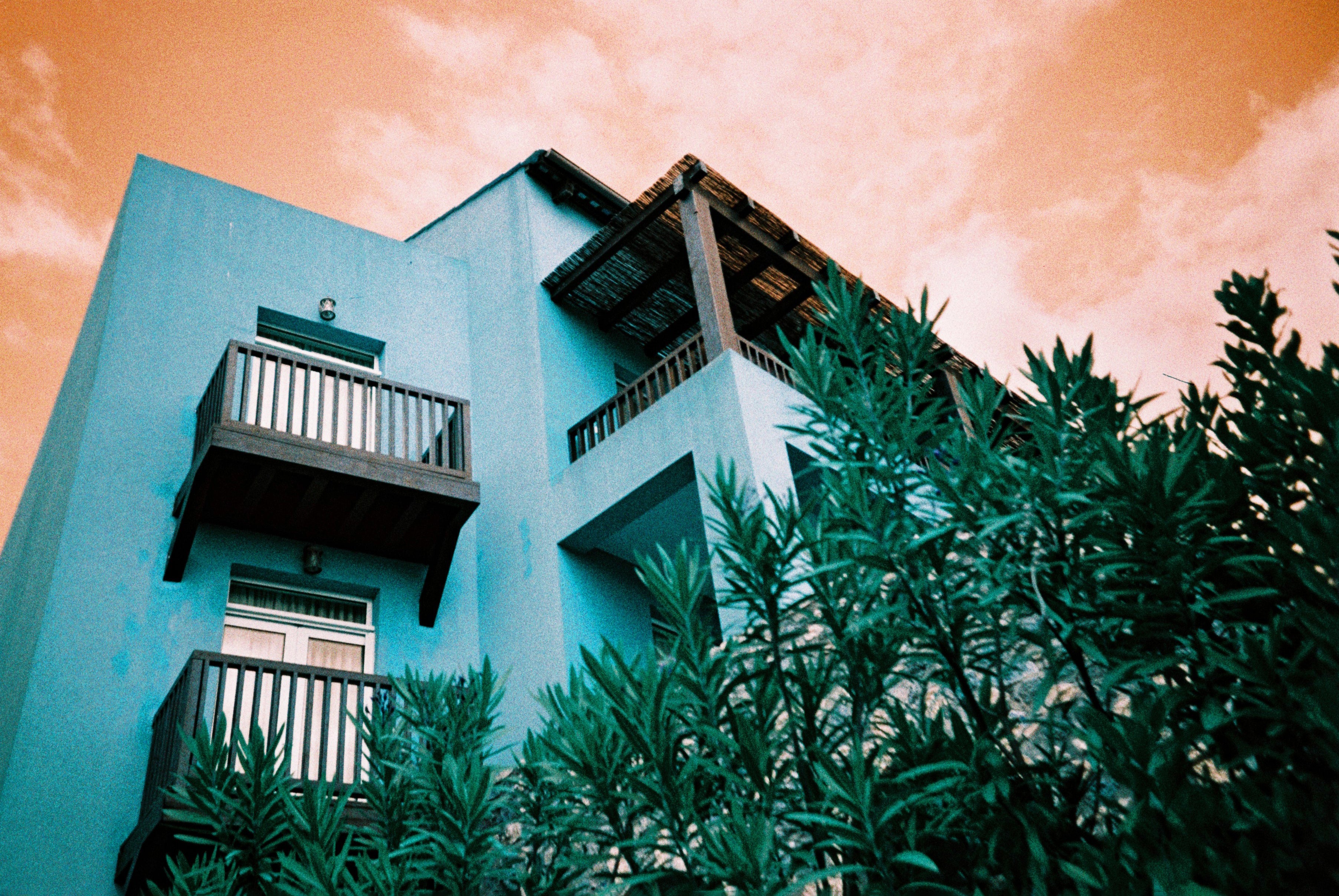
Attached photos are:
1. Shot with Washi Z with no IR filter, exposed at box speed.
2. The same shot taken with a 720nm IR filter, added 5 stops compared to box speed.
Watch the full review here: https://youtu.be/0FQ2ifyBU9o
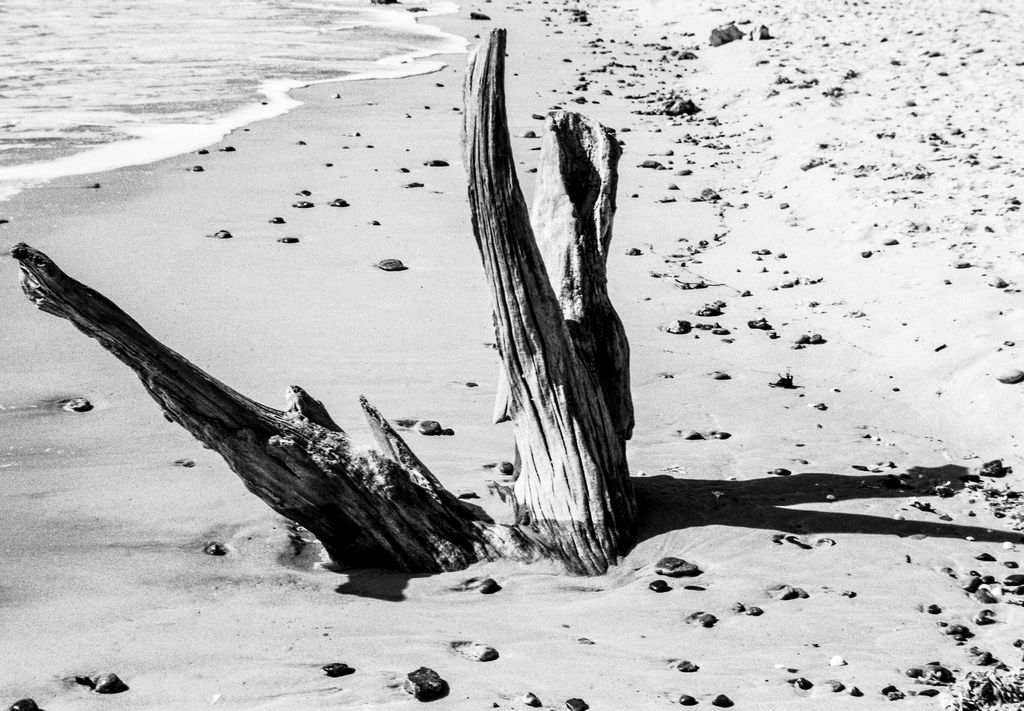
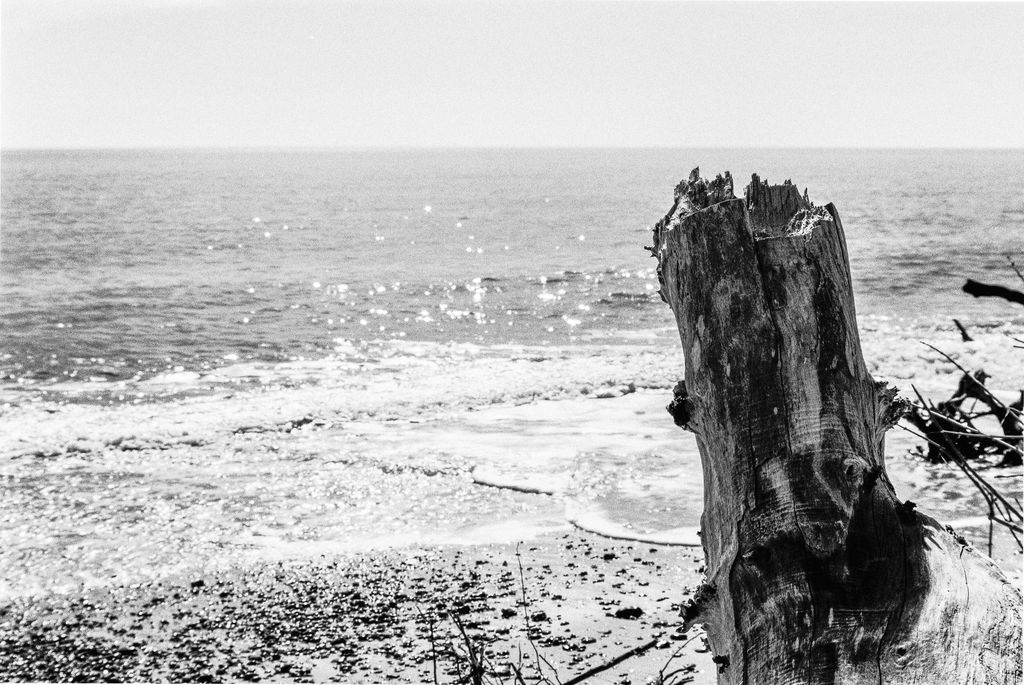
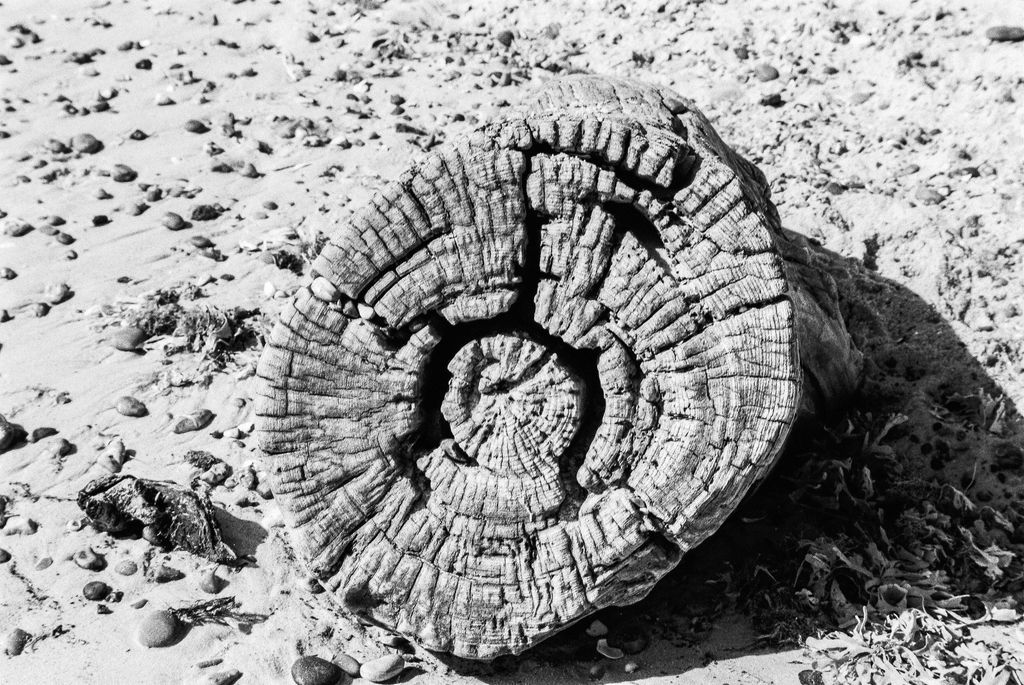
I shot this film with a red filter using a Nikon FM with 55mm micro lens. I photographed dead trees that have fallen due to cliff erosion on a beach.
What a mixture! Infrared and nature photography together. I quite liked the results. Might do it again.
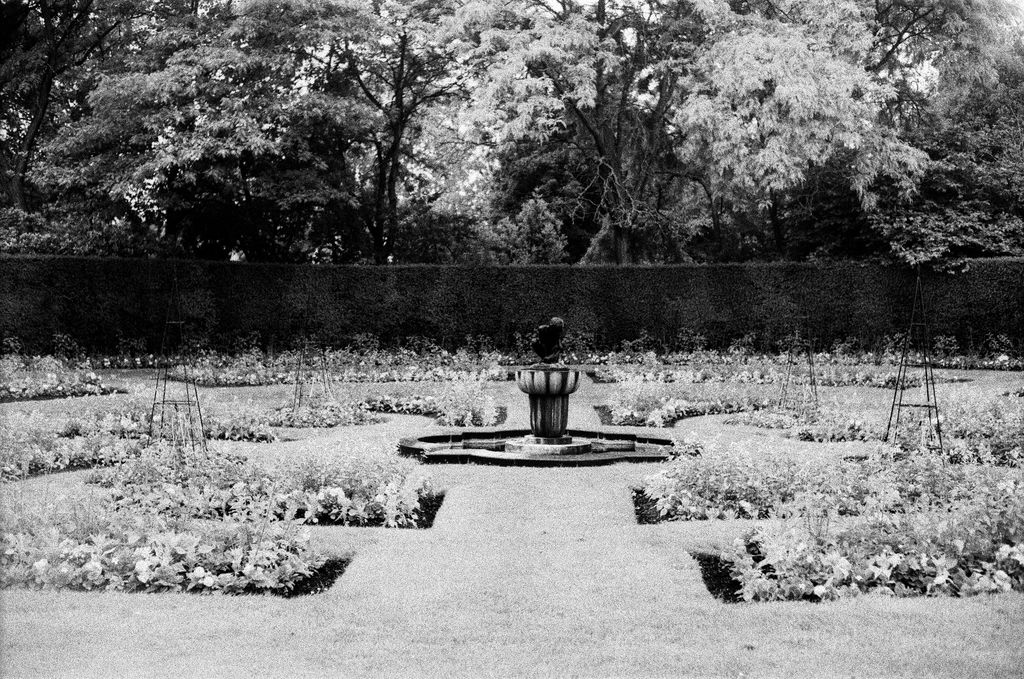
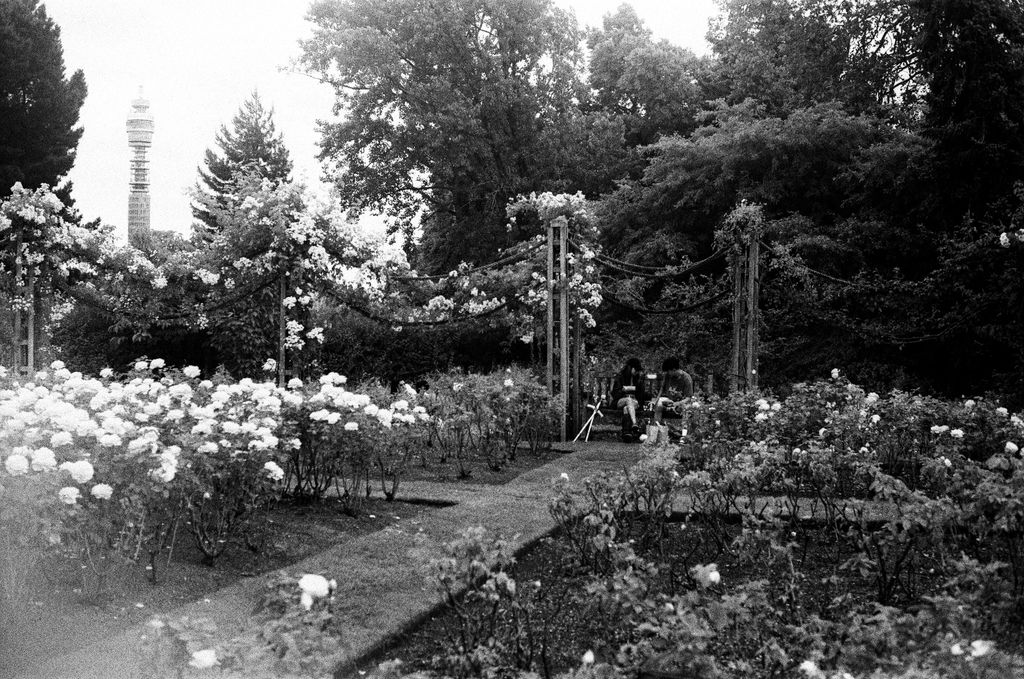
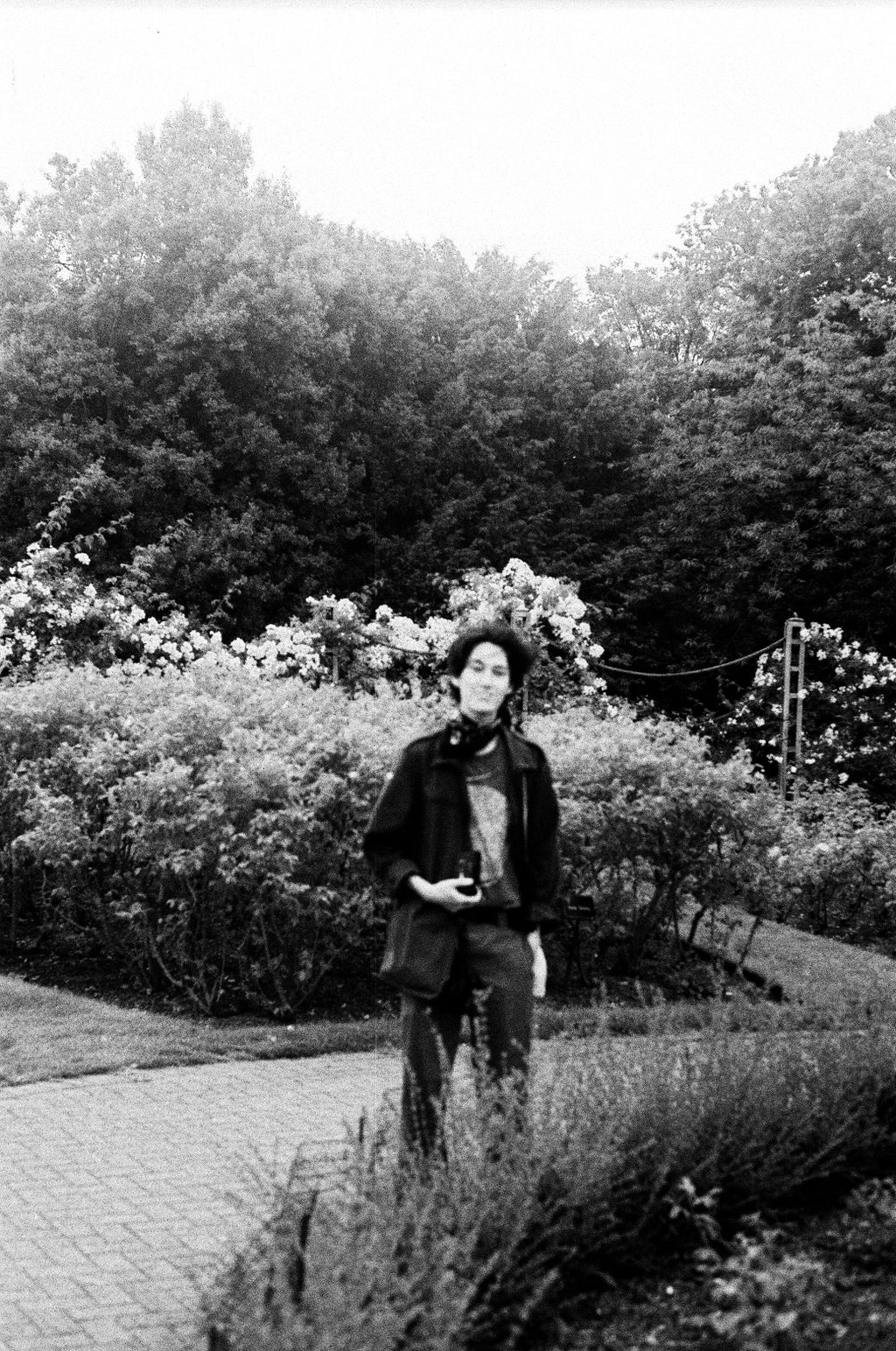
Interesting company. I mostly shot this with red filter, to get "the look". Pictures are nice, especially paired with nature photography. Manual cameras only.
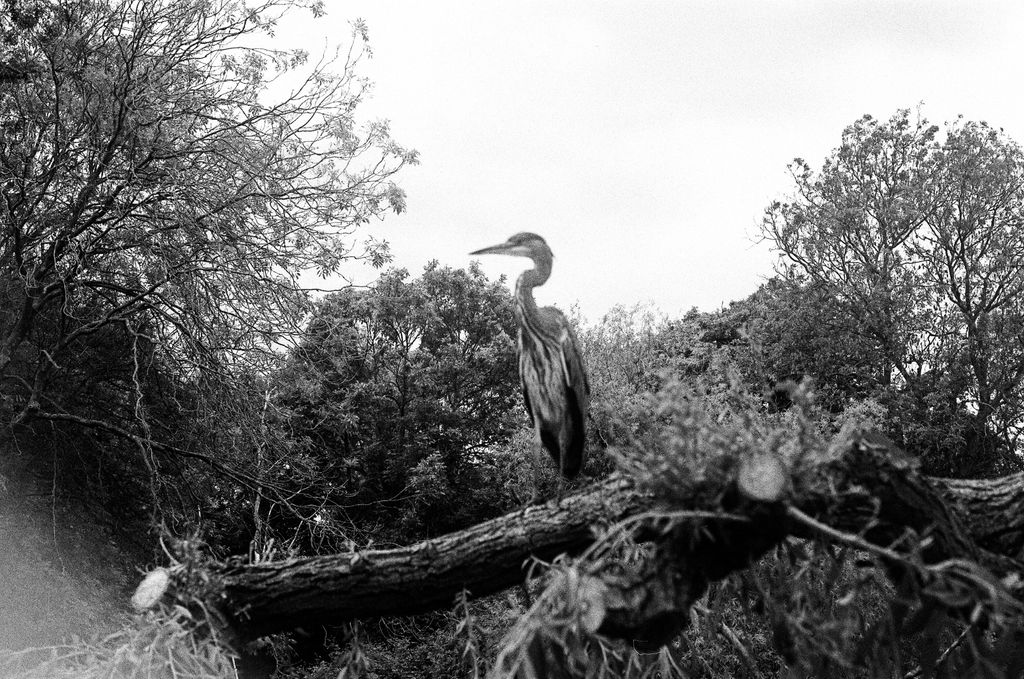
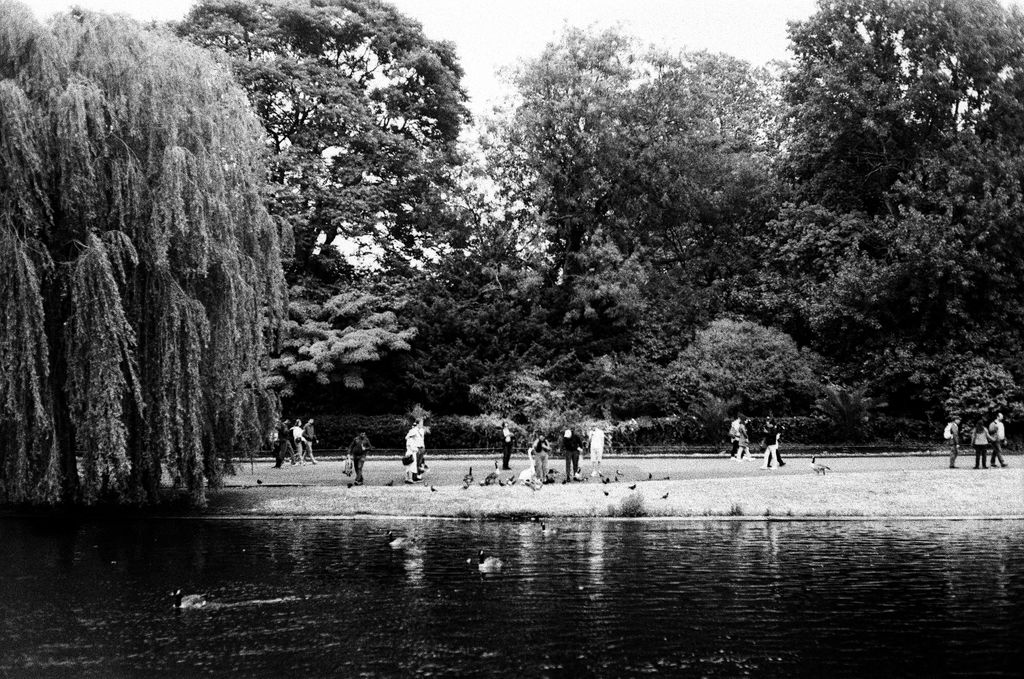
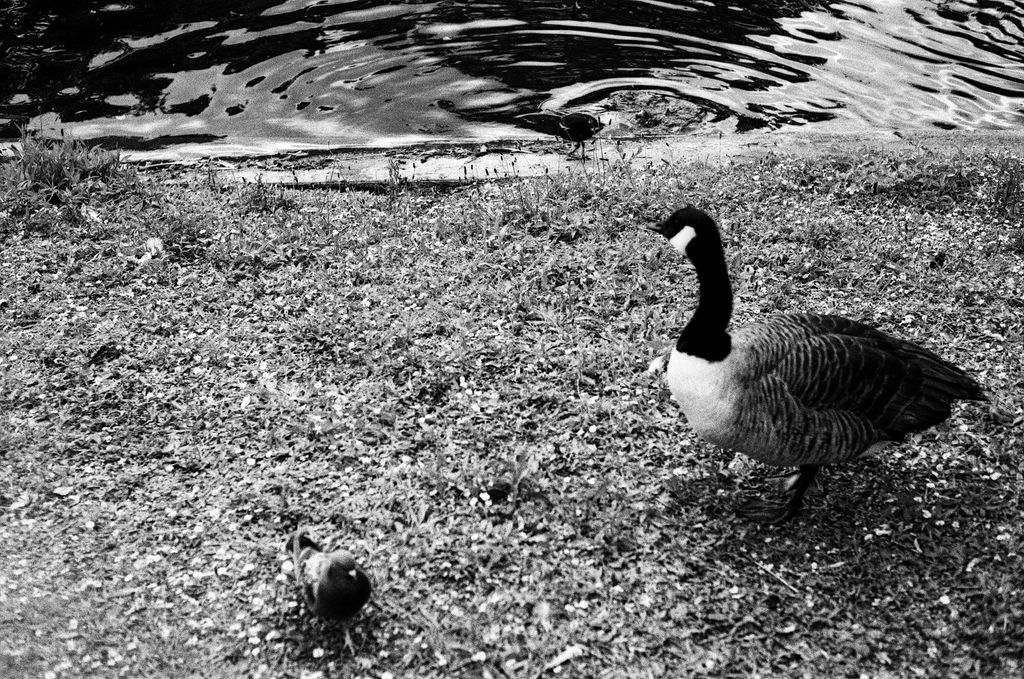
Took this film to Knoydart in the highlands of Scotland, UK. Many shades of green lent themselves well to this film.
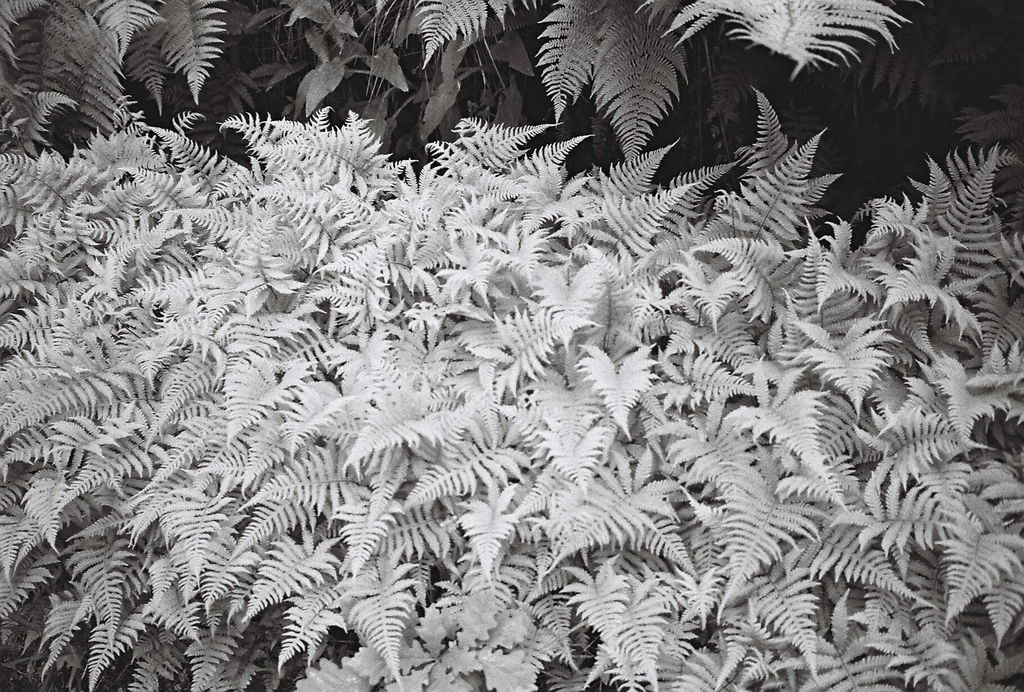
I used this film on a nice bright day near where I life, and it works really well in busy scenes that have quite nice light. It is possible to accidentally crush highlights but that's easily rescued in post. Just make sure you do have proper sunlight to take advantage of the near-infrared properties
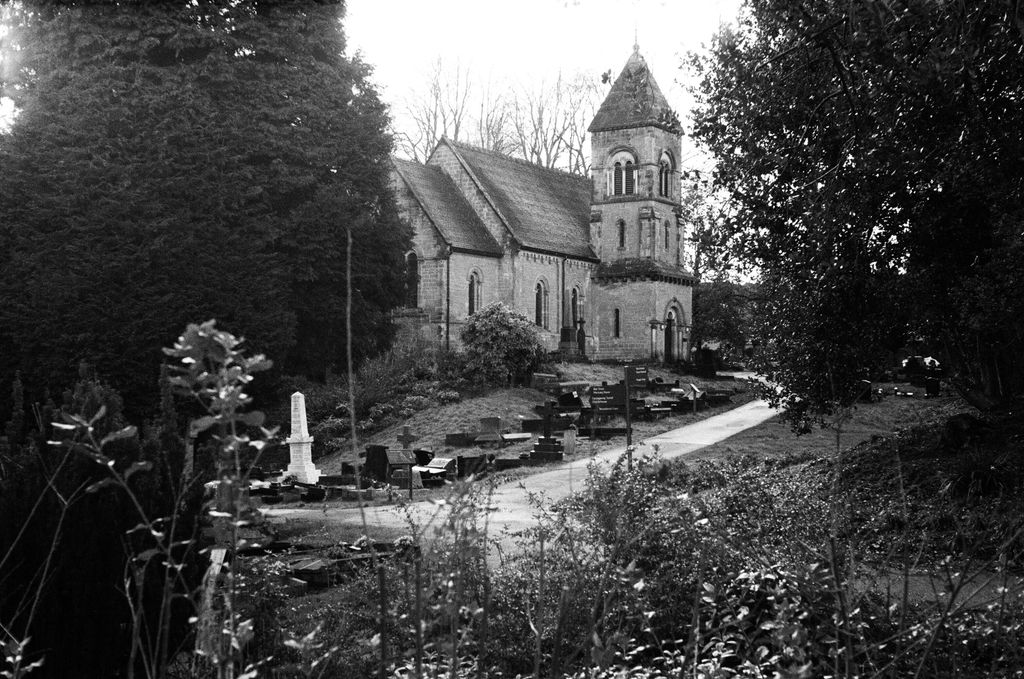
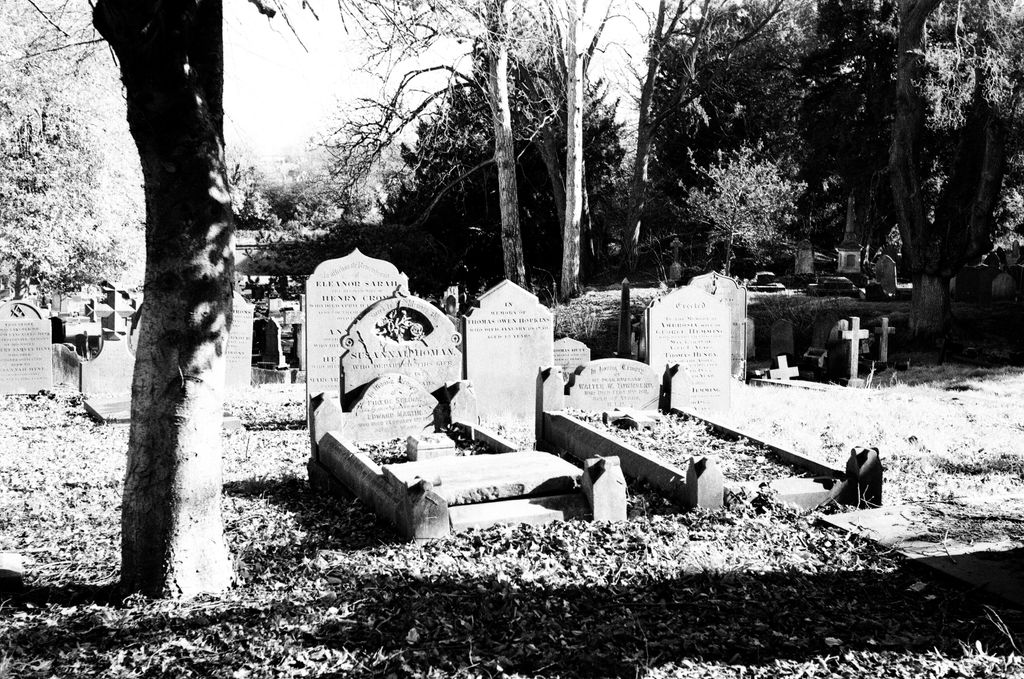
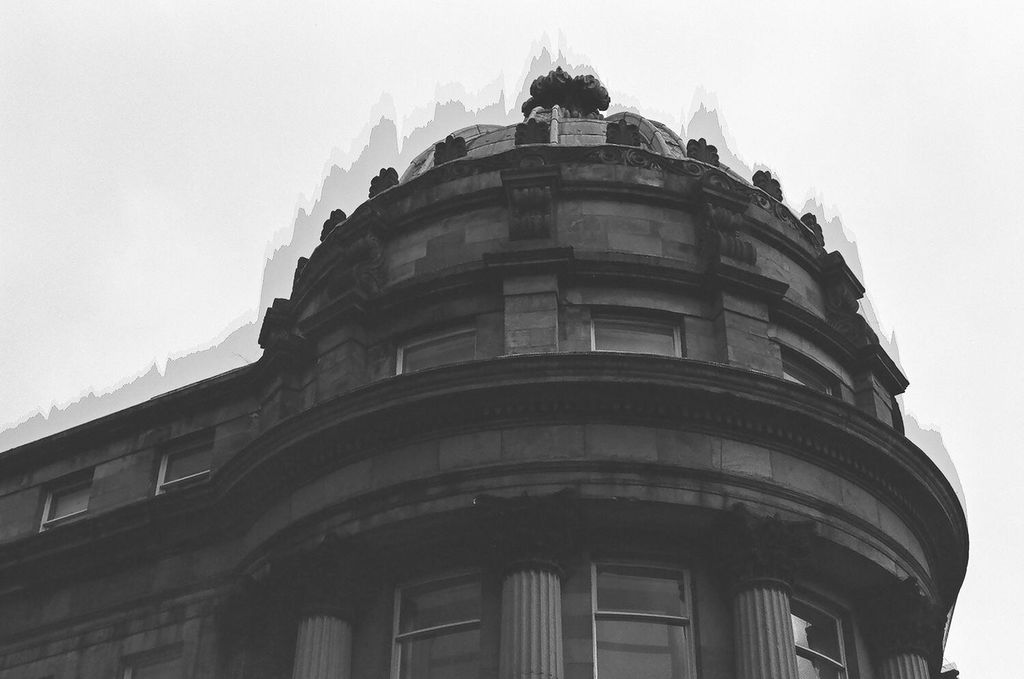
I got this film in my Wonderbox. I have such a backlog of rolls that I didn't really spend any time checking out its characteristics before using it. The results were underwhelming. Quite a few shots came out rather under-exposed. I'm guessing the near-infrared nature of the film means that one might need to compensate in certain circumstances. As a result, many of the results are low in contrast with blocked-out shadows and poor contrast. In high contrast situations, one either ends-up with blown highlights or blocked-out shadows. The most curious thing, however, is the triple-shadow effect which shows in some of the photographs I'll upload with this review. I have never seen this before and have no idea as to the cause. This isn't a film I'll return to. I'm guessing that with some experience and more careful choice of subjects it might work well, but I haven't the time and patience to squeeze something good out of an awkward film.
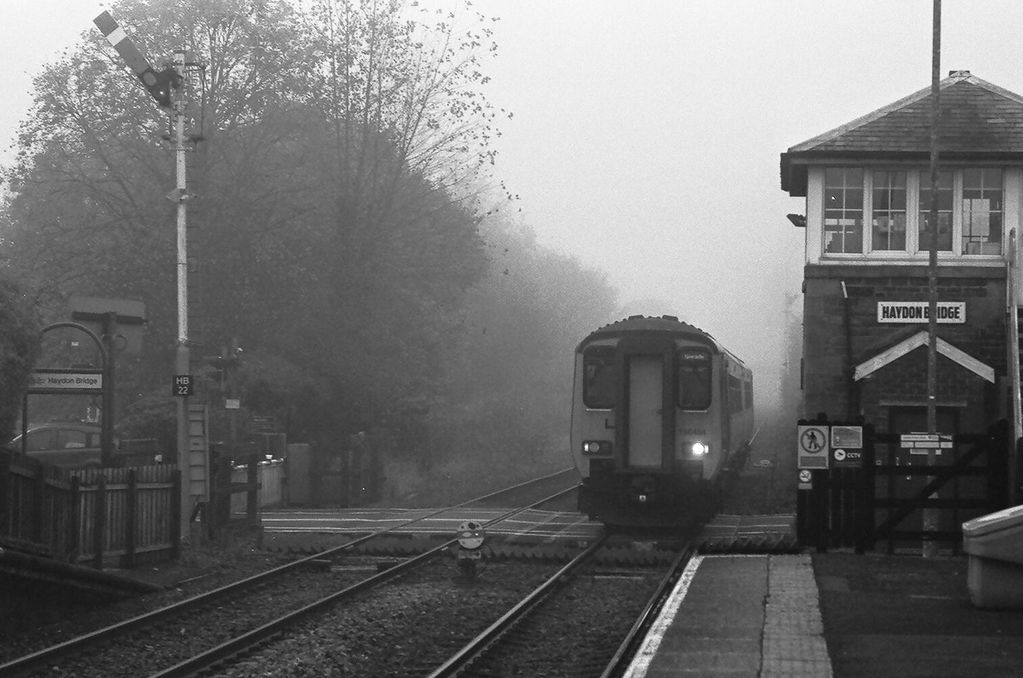
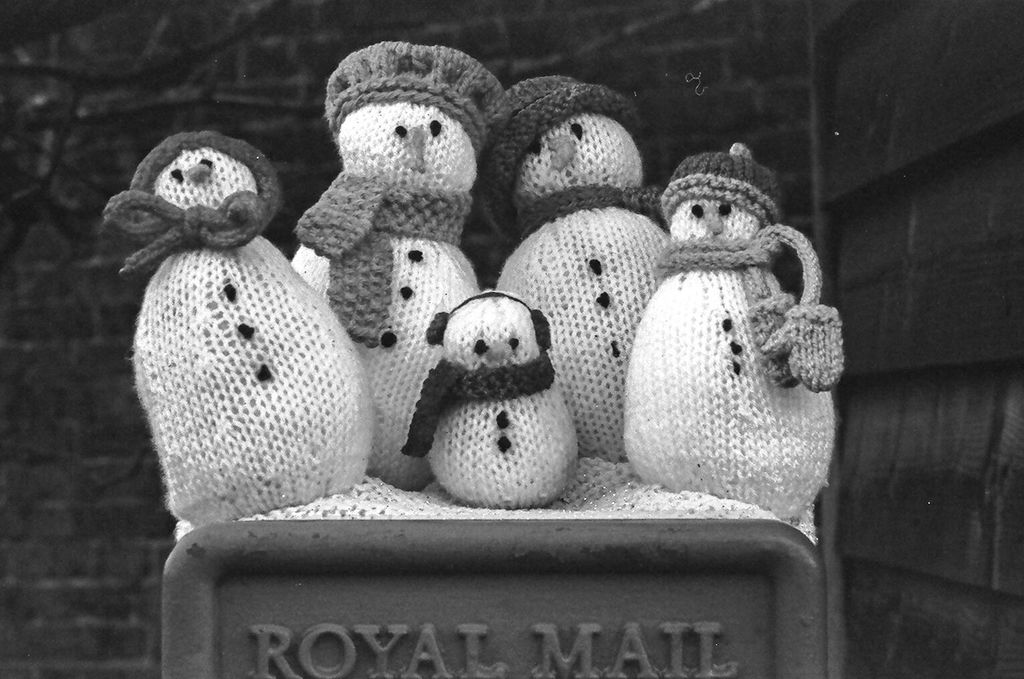
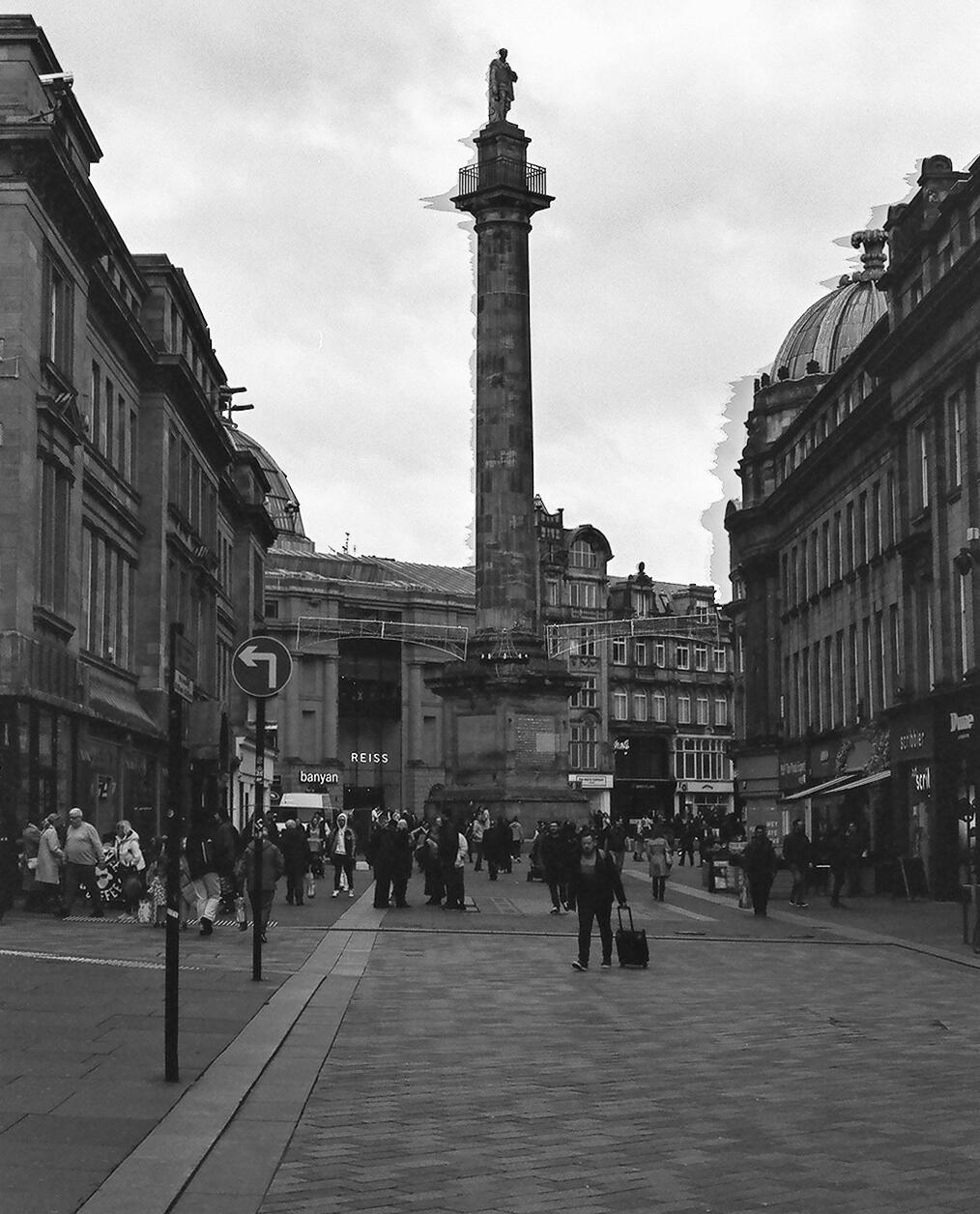
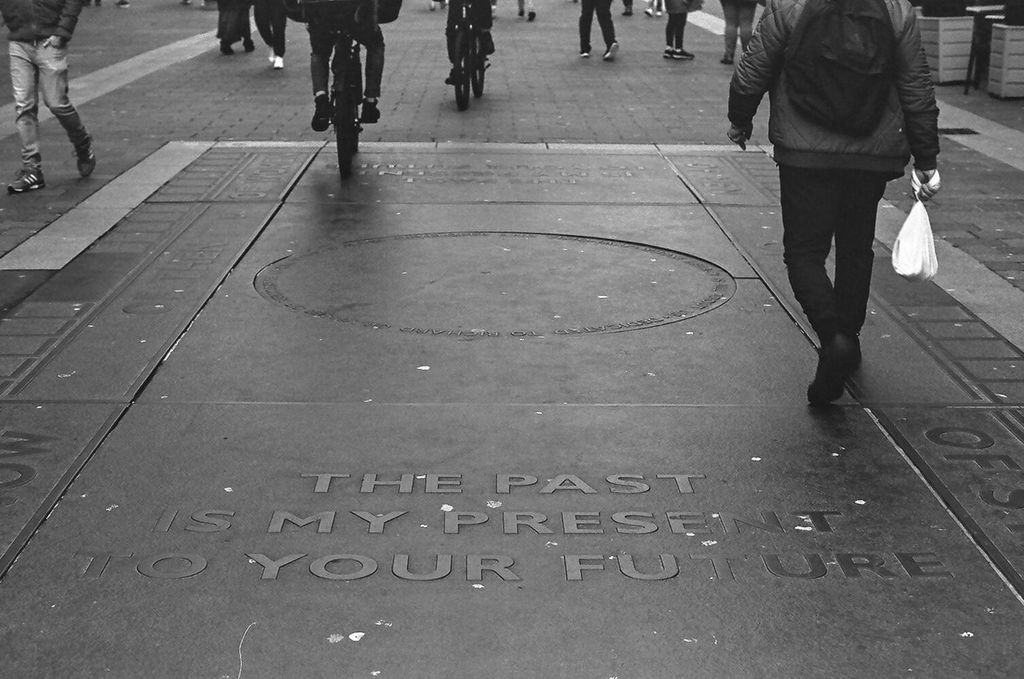
Must have got this in a wonder box - eventually shot it in my Rollei35. Very contrasty and muddy.
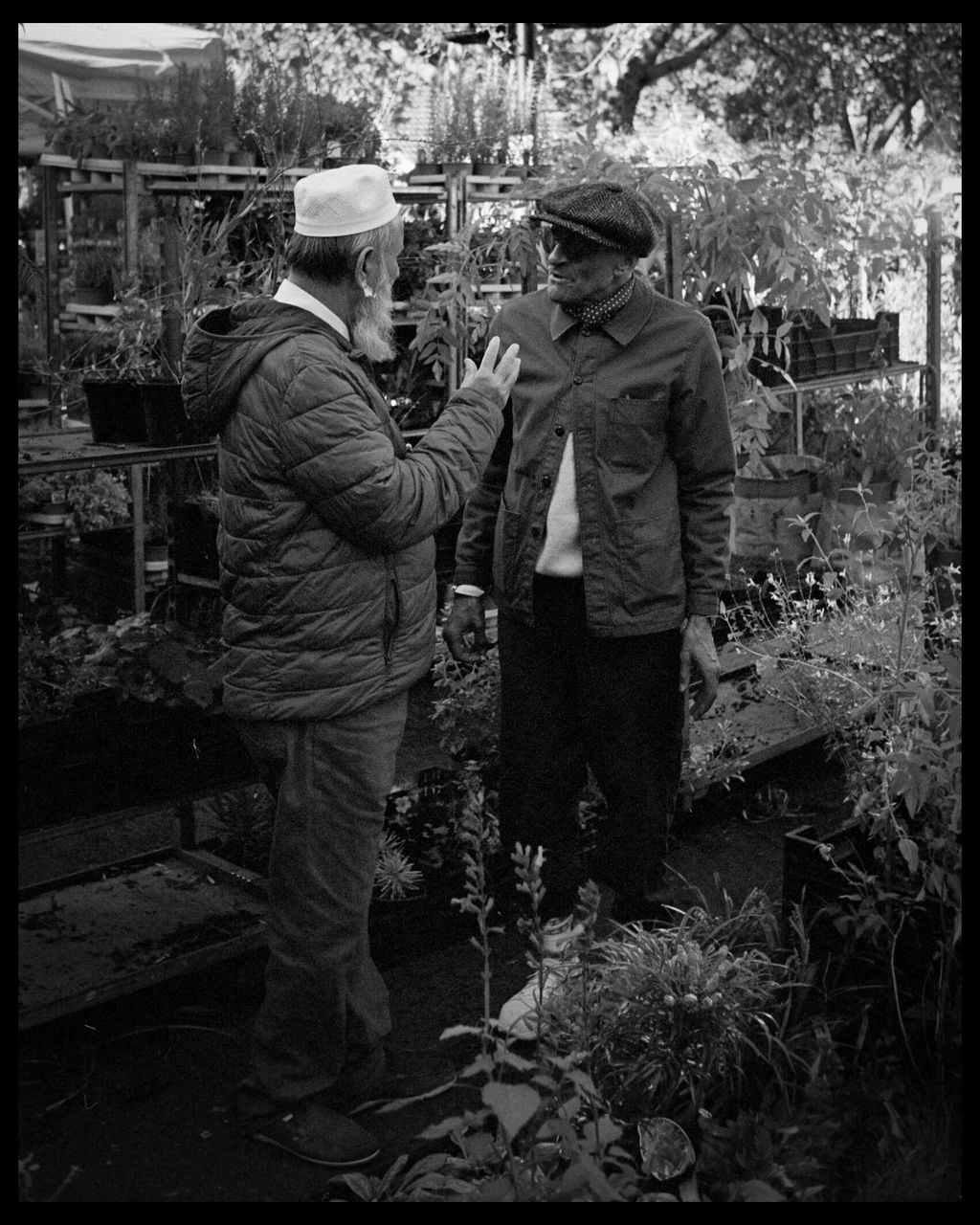
I found this a really enjoyable film to use and the extra red sensitivity lent some nicely Surrealistic dreamlike vibes to the landscapes around me. Further experimentation beckons, especially with pinhole. Washi Z and pinhole could very well be a .marriage made in heaven.
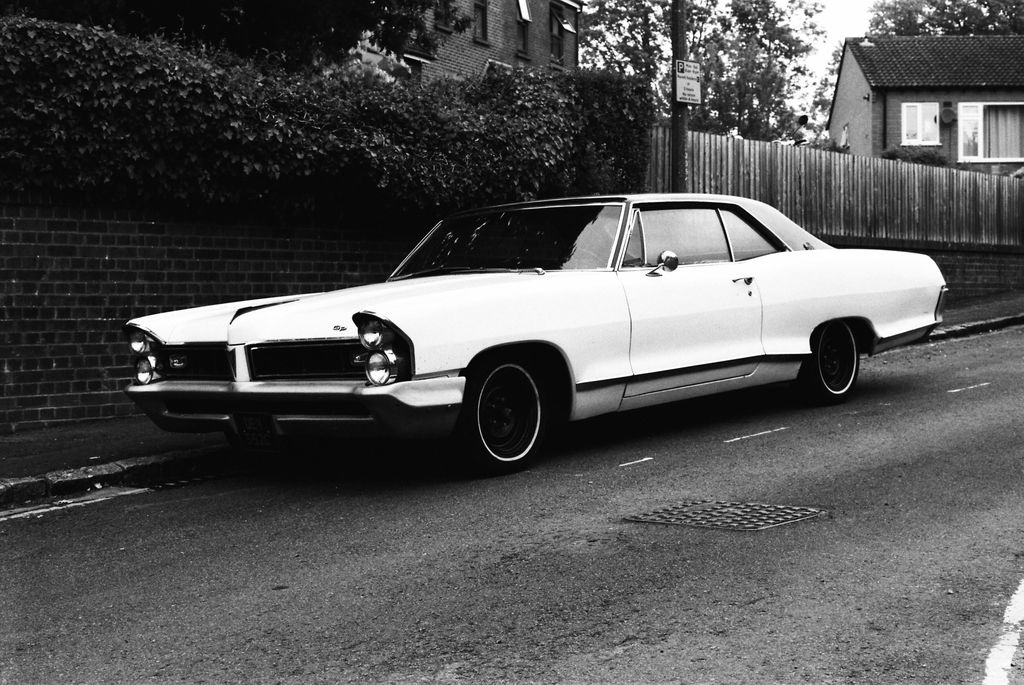
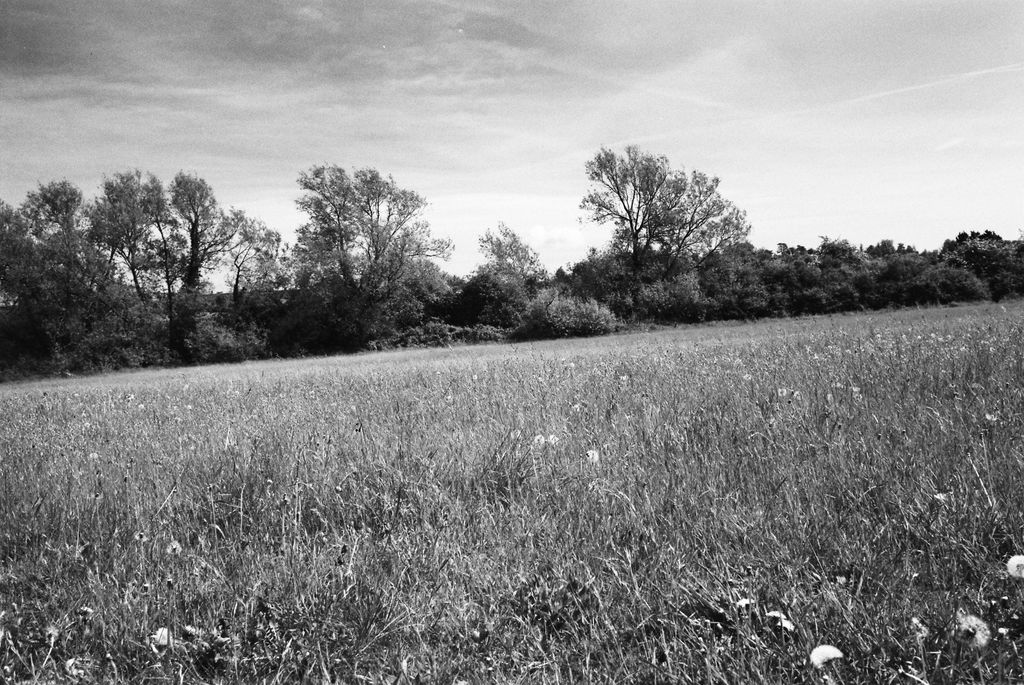
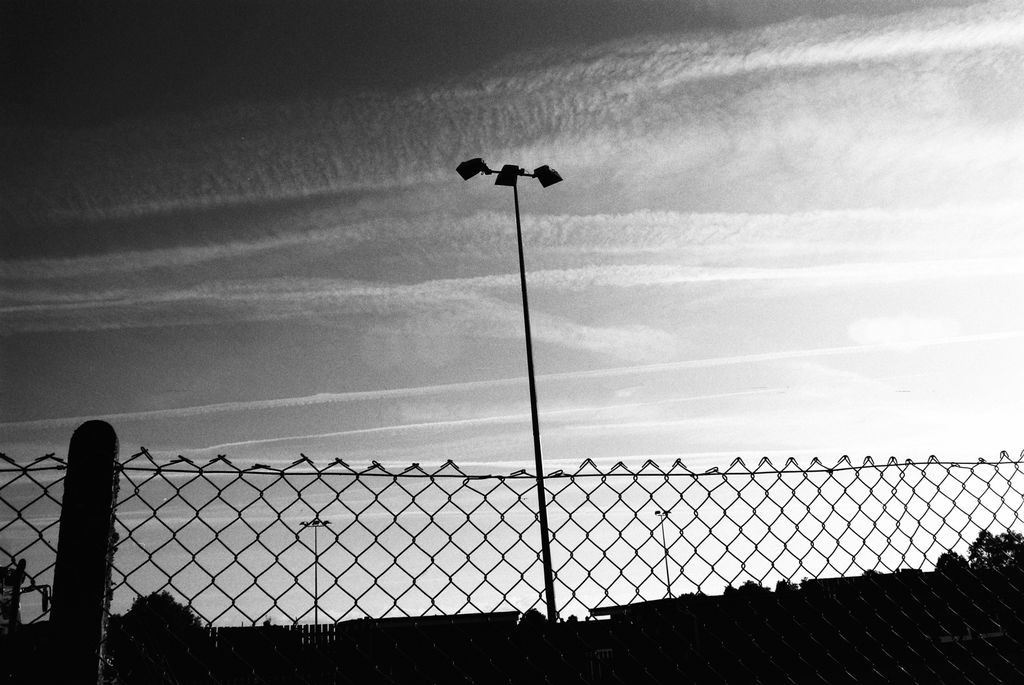
I liked the results but to get the hang of Washi Z a few more rolls are needed! A bit too dark on a dull day [car] but some sun [meadow] gives a more balanced image( if that is the objective) and lovely cloud/vapour trails [ Lighting Masts ]. I used at the stated ISO but perhaps 350 might be better. A bit grainy developed and scanned as jpg - perhaps 8 or 16 bit tiffs would give more detail? Not a film for 'ordinary ' use but will use again.
First time I have shot this film , used a red filter to try the infrared qualities , with mixed results . When you get the correct exposure results are excellent. Will be getting this film again now I have more experience of the settings .
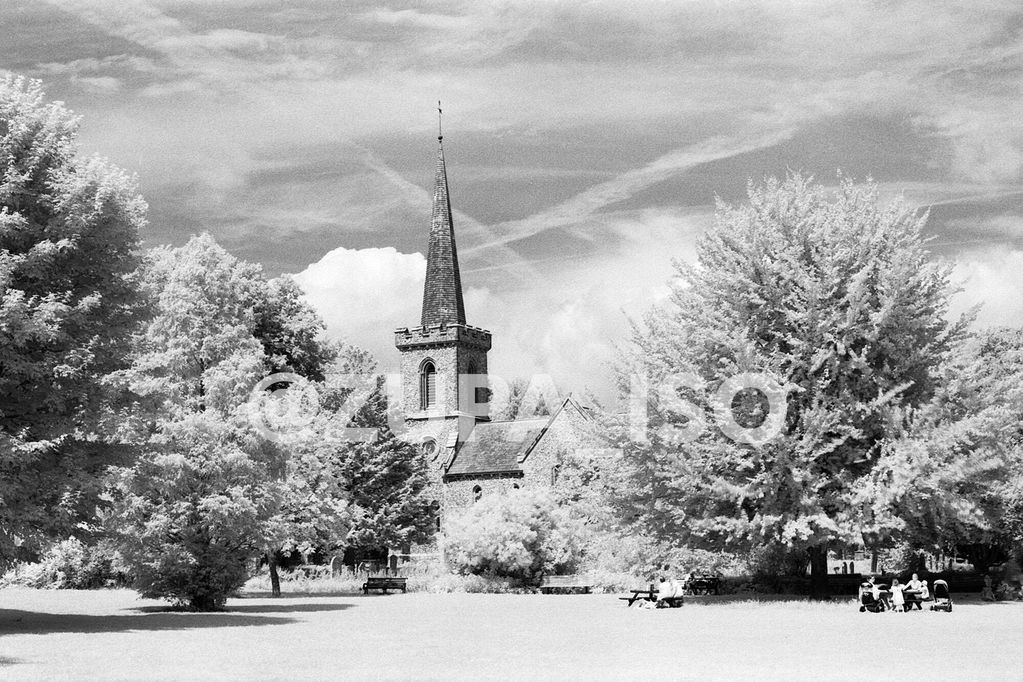
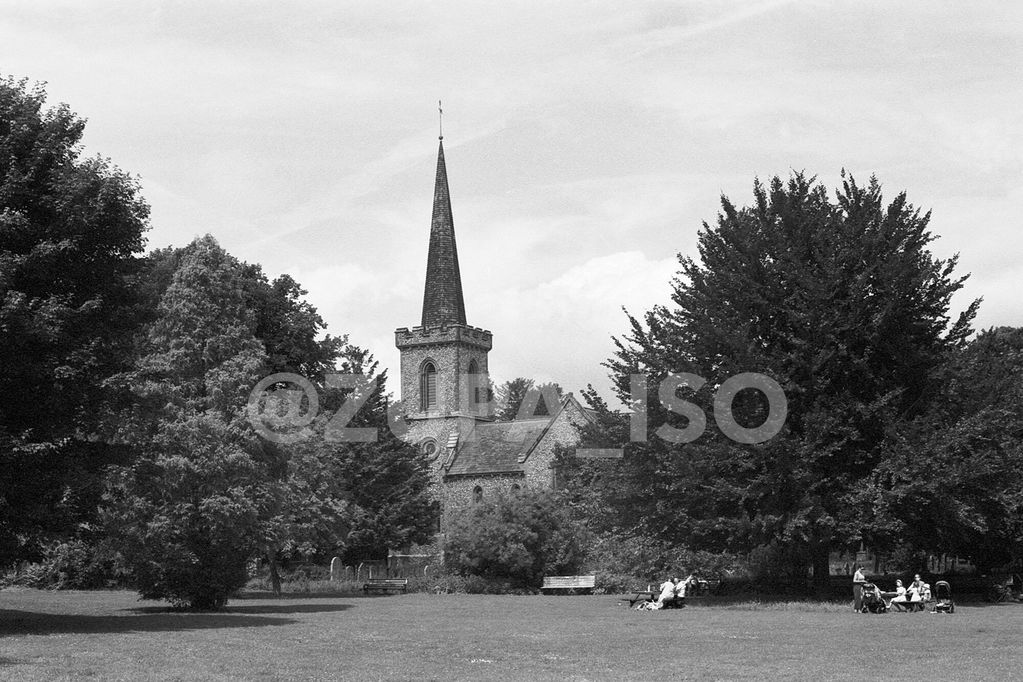
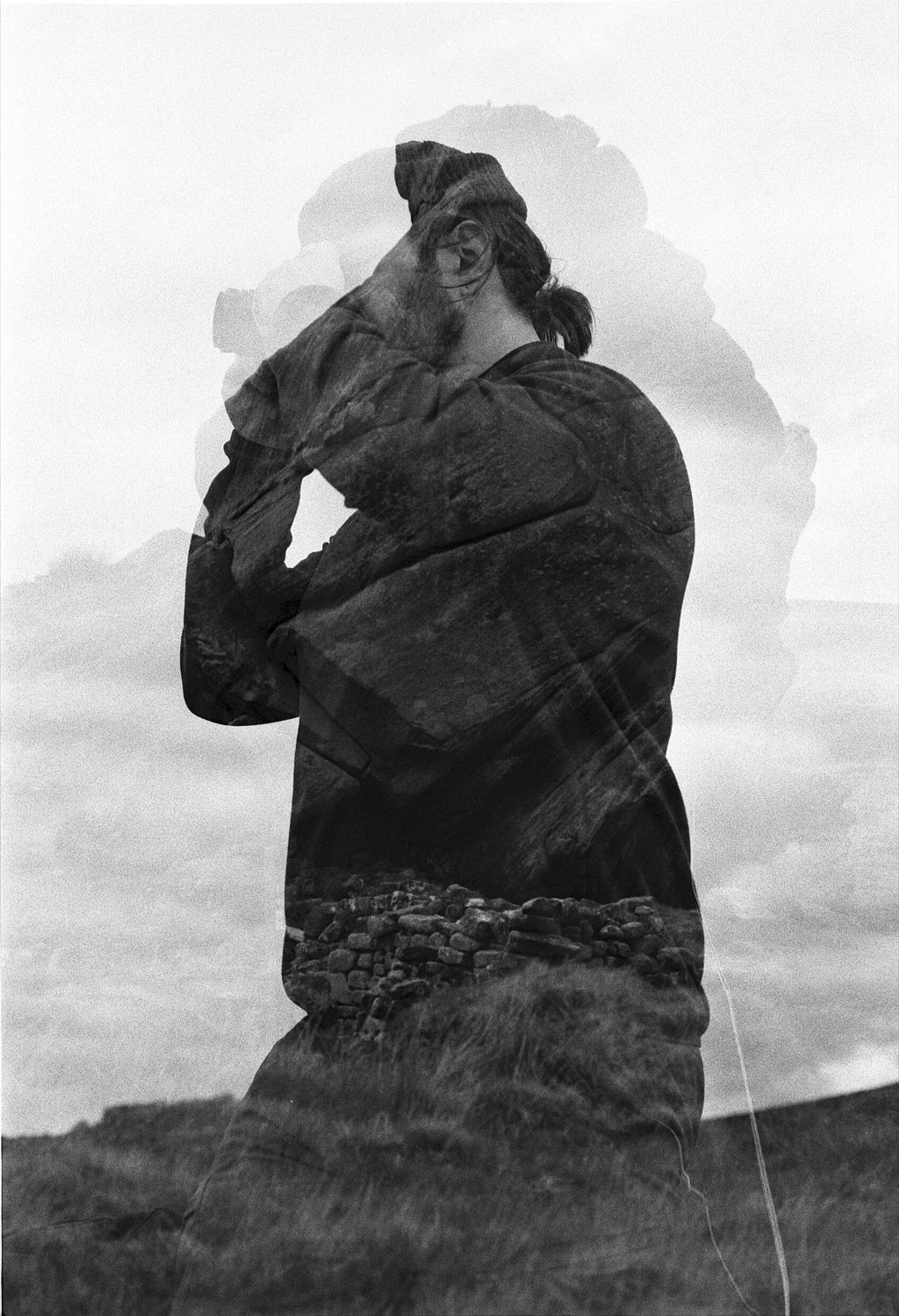
This is the first film that I have shot that has near-infrared sensitivity and, after reading the other reviews online, I didn't know what to expect. I had read that it was very unforgiving, and that the grain was very pronounced. However, these reviews didn't match my experience at all! I shot this film at Ramshaw Rocks (in the Peak District) and, having heard about how strict the exposure latitude was, I double checked my camera's light meter with my phone's Light Meter app (android). I didn't have any issues whatsoever with exposure or losing shadow details without meaning to. I even shot a couple of double exposures without under exposing on either frame and they came out fine (that is, the exposure held up fine, the composition isn't great). Several sources online strongly recommended using a red filter but I actually preferred the shots where I didn't use any filter, as I found that it impedes the film's natural ability to differentiate between vegetation, which is my favourite feature of the film stock. I've included a comparison pictures with and without the red filter so you can judge for yourself how you would prefer to shoot the film. Although the grain is visible, I don't think it is that pronounced at all and it matches the look that I was going for on this shoot.
I developed the film in HC-110 (Dil. B) for 7.5 mins at 20 degrees and scanned using my Plustek OpticFilm 8100. I've made no adjustments in post (Lightroom, Photoshop, etc.) so you can see what you get straight from the negative.



I love the Washi range. Z being a 400 allows for more flexibility with shooting range outdoors. Great landscape results. Nice for days with big, light, overcast skies.