
Recent posts


Shop the article


Analogue Adventures: Pinhole Selfies with Jed Pearson
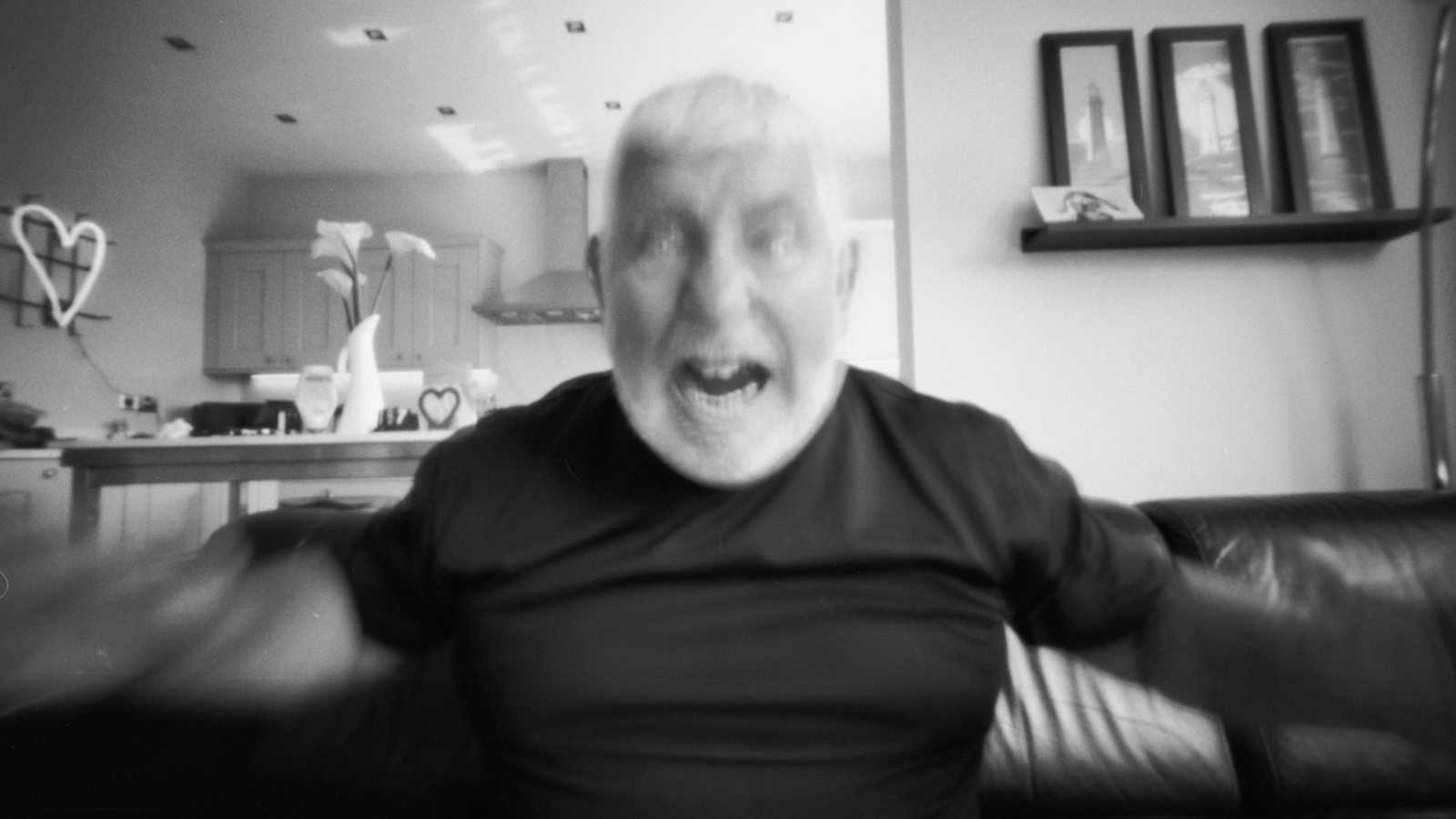
Welcome to the next series in Analogue Adventures - and this is a travel-less adventure 🤗 Photographer Jed Pearson takes (at least) one selfie on every roll of film he puts through his pinhole camera and has ended up with a mini-project. This project has really helped Jed to think more closely about subject matter, composition and utilising the characteristics of pinhole to get the best results. So let's find out more!
Jed, thank you so much for sharing your experiences with the rest of the analogue community! First question: how long have you been shooting film and how did you get started in the hobby?
I have only been shooting film for a little over 12 months now after shooting digital for many years. My interest in photography had begun to wane and my daughter suggested that I give analogue a go. I did and there has been no looking back. I now predominately shoot analogue and my expensive digital gear is mainly used for scanning negatives.

As it should be! 😂 In your general practice what is your favourite camera to shoot with - and what kind of film do you usually use?
If only I could pick just one... I have an Olympus OM 1n, given to me by a friend, that I love when paired with a Zuiko 28mm lens. I have a Yashica Mat 124g [Ed: snap!] which is my go to for medium format and I have a Canon EOS 5 that allows me to use the lenses I have collected over the years from my digital days. I use this camera along with a 16mm fisheye lens for street photography.
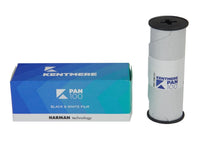
As for film again I can’t pin it down to just one. This project was all shot on Kentmere Pan 100. It has a good reciprocity factor, so important in pinhole photography, a good range of contrast and it’s affordable.

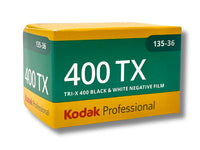
For landscapes and portraits I love Ilford FP4+. For everything else Kodak Tri X 400 is my everyday film, I just love it. I am just really getting to know Kodak T Max both 100 and 400 but so far it has surpassed all of my expectations.
What made you most excited about your project, when you first had the idea?
This project came about by accident really. I had shot 10 frames on a roll of 120 film with my 6x6 ONDU Pocket and was keen to develop it. Not wanting to waste the 2 remaining frames I shot a couple of selfies.

After processing 1 of the selfie shots was my favourite shot on the whole roll and so the project of shooting 1 or 2 selfies on every roll I shot with a pinhole camera was born.
What are the biggest photographic challenges you face in your project?
The biggest challenge was working out an exposure time that allowed me to fire the shutter, expose the film and then close the shutter whilst allowing me to appear in the frame in a recognisable form. I discovered that exposures needed to be of at least 30 seconds duration, many went well past this into the minutes, and if I couldn’t achieve 30 seconds an ND filter was required to extend the exposure time.

How does the specific camera and film you use help you overcome (or not!) the challenges?
This project is really all about the camera choice, I think without the unique and distinctive look and feel that you get with pinhole photography the shots just don’t work.
As mentioned earlier, the reciprocity factor of Kentmere Pan 100 meant that even in lower light conditions exposure times didn’t become too long and the affordability of the film meant there was scope to experiment and have a bit of fun.

What is your favourite photo from the project so far and why?
My favourite shot so far is the one playing the drums, it turned out just as I had envisioned it. Technically it was one of the more difficult shots. It was in fairly low light and had an exposure time of around 8 minutes.

This meant I had to hold a position in the shot for 90 seconds or so then move to a new position to appear in the shot and then some slow movements to give the motion blur.
What is your most unexpected photo from the project and why?
The picture of me standing on a sandhill with a moody sky was the first shot in this series. I was surprised and delighted with how it turned out.

Is there anything you’d do differently - from a photography point of view - if you were to start this project again from the beginning?
I think with hindsight there are always things you would change, but overall I’m very happy with how this project is working out.

What would you say to anyone who is curious about doing a similar project?
Go for it!! Great fun and gets the mind whirring with ideas.

What is your next planned adventure, and which camera/film will you be using to capture it?
I have just acquired a Horizon 202 Russian swing lens panoramic camera. My project for the summer is to get to know the camera and see what I can create with it. Selfies are on the list - of course! - but I have loads of other things to try out too.

Where can people go to see more of your photography?
You can head to my website at Jed Pearson
Thank you Jed for sharing your work and your story! I LOVE this, I have an ONDU pinhole myself (below) so might try and emulate your work the next time I load it up...

Ready to dive in?
Keep Reading
View all
Analogue Adventures: Disney World and Half Frame 🌈🏰
Alex Vye thought that Disney World would be an amazing opportunity to double up on photos with a half-frame film camera...and he was RIGHT!
Analogue Adventures: Pinhole Selfies with Jed Pearson
Jed Pearson takes (at least) one selfie on every roll of film he puts through his pinhole camera and has ended up with a mini-project. This project has really helped Jed to think more closely about subject matter, composition and utilising the characteristics of pinhole to get the best results.

- Opens in a new window.