Fomapan 400 in Retro Packageing
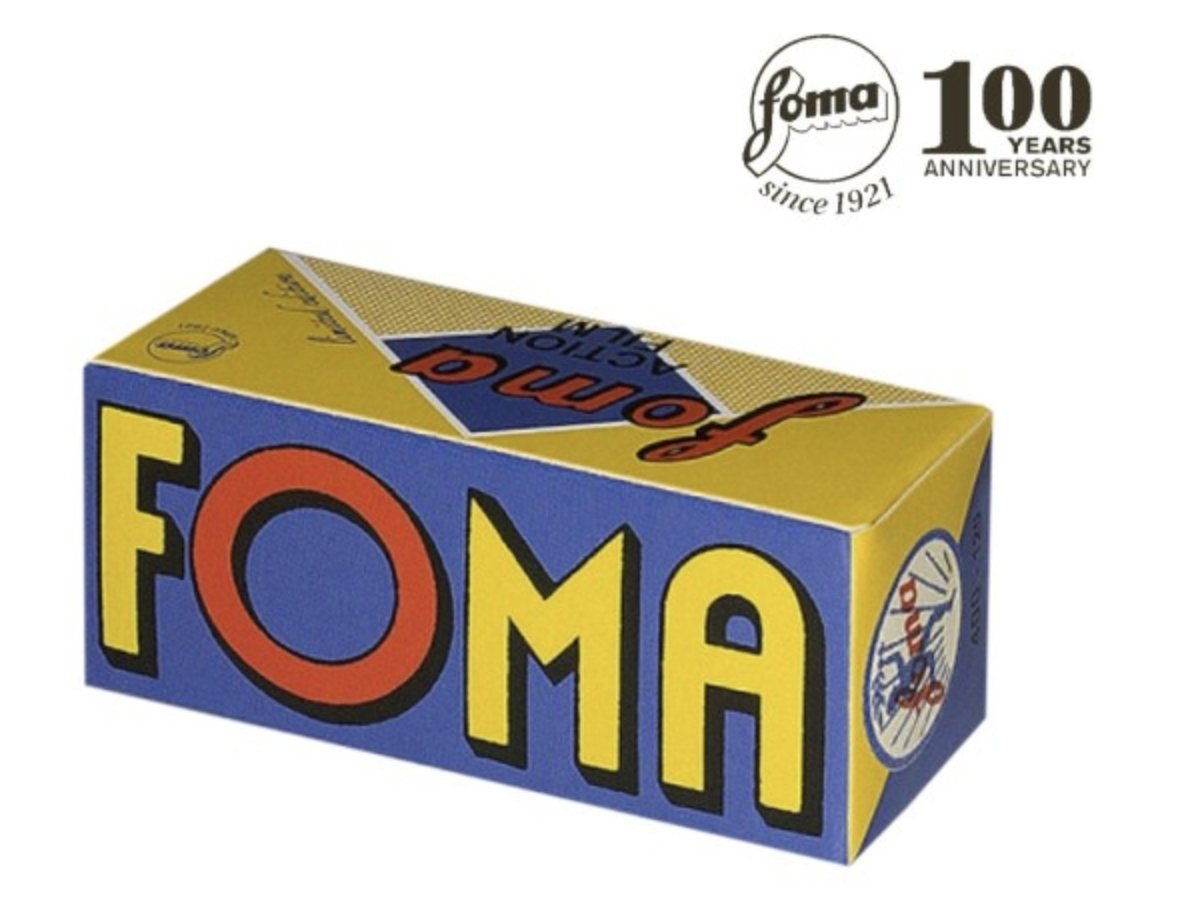
I was interested in trying out Foma since it is a classic film stock that has been widely used by film photographers for many years. Foma are not new kids in the playground they have been around the block a few times. According to their advertising Foma has been producing photographic materials. Since 1921 I particularity liked the retro cardboard boxes the film was supplied in that celebrate 100 years of Foma film. The box design seemed to compliment the reasons I wanted to try out the film.
According to the film’s data sheet on the Foma web site “due to its wide exposure latitude the film gives good results even when overexposed by 1 EV (exposure value)” - as ISO 200 - “or underexposed by 2 EV” - as ISO 1600 - “without any change in processing” This very wide exposure latitude makes it a very robust and forgiving film stock. It will deliver the goods no mater what the photographer throws at it.
In researching this film stock I looked at several on line reviews both text and video where photographers were recommending shooting Foma at half its box speed. So far I’ve shot 2 rolls at ISO400 the box speed and one roll at ISO200. I used my Bronica SQ-A for this with metering built into the prism viewfinder.
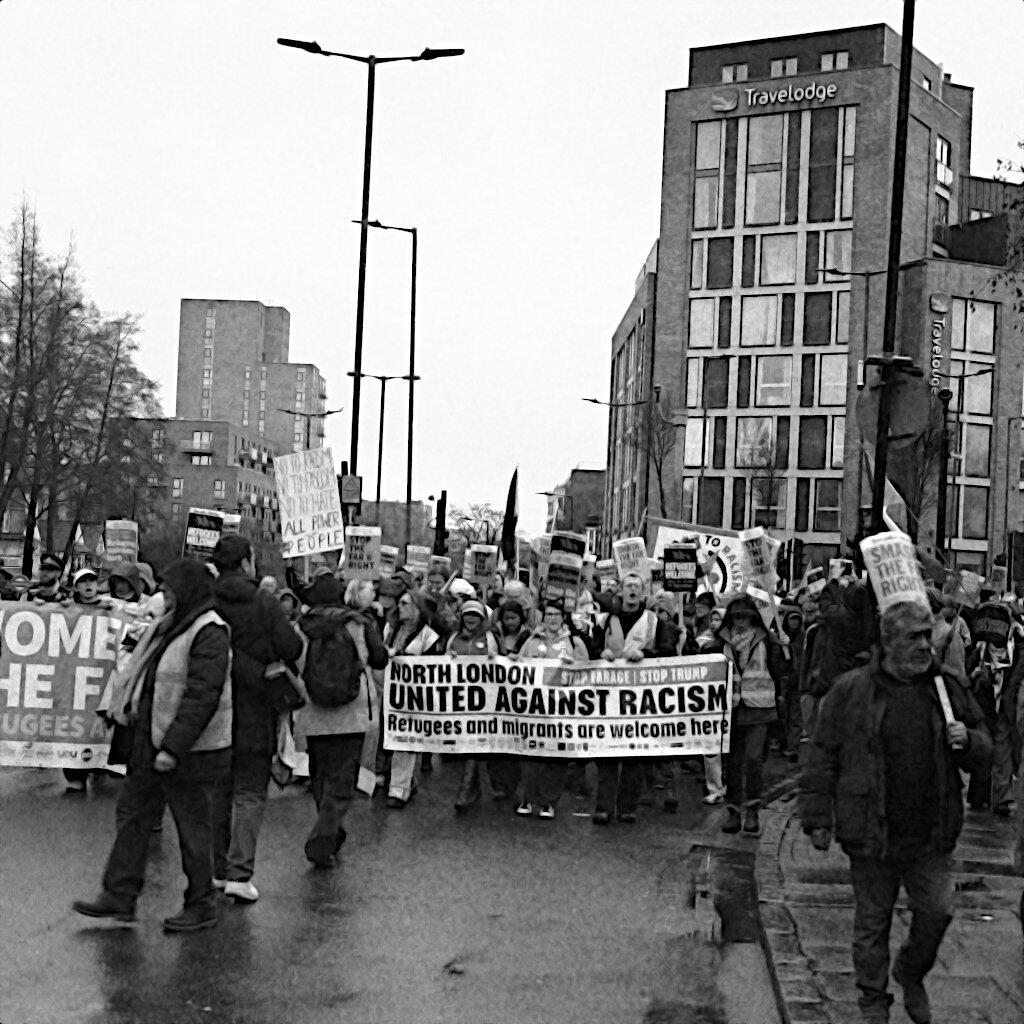
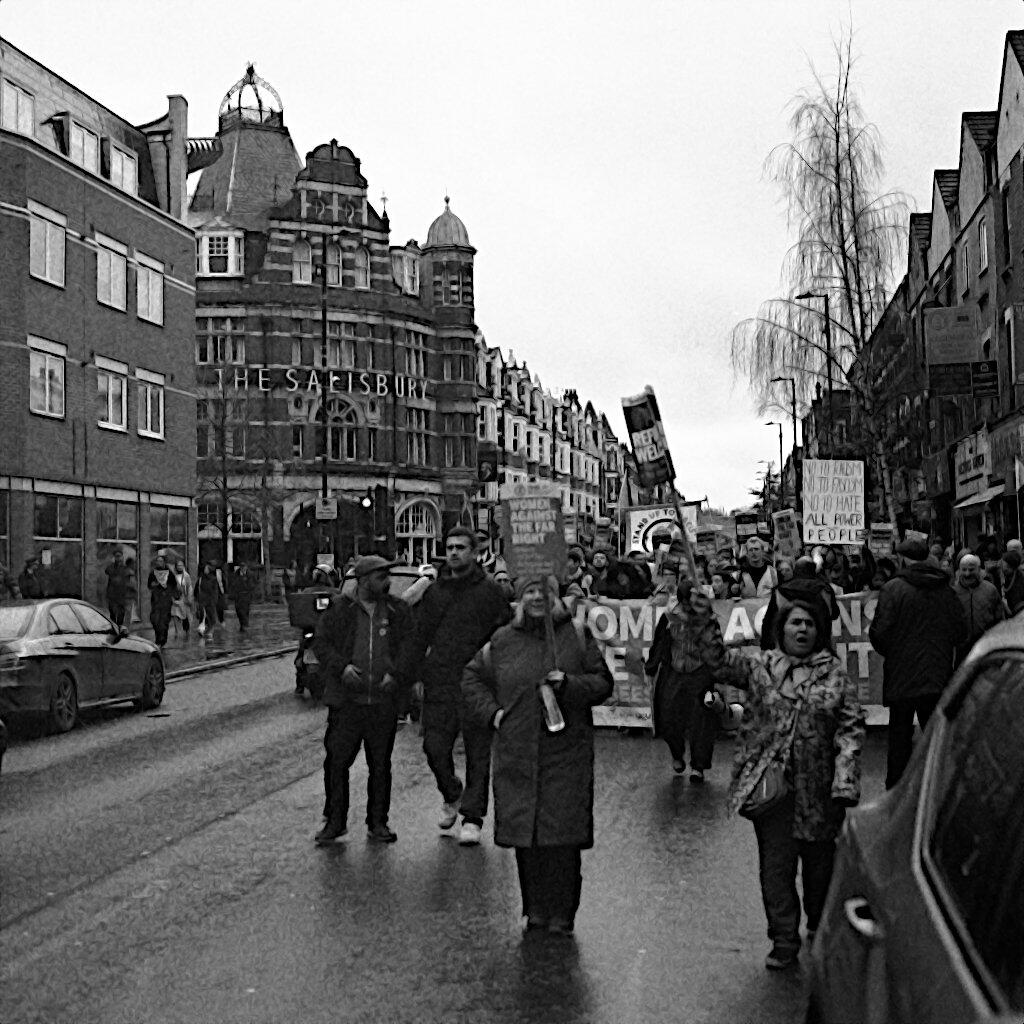
The two rolls at ISO400 were used to document a local anti-racism march on a very wet grey day. I really needed the speed that ISO400 provided to get manage down motion blur from my hand held shots and the subjects movement; also, to get an aperture that would give me a reasonable depth of field. Since I was using a prime lens I had to keep moving about to get a reasonable composition, while others shooting with a 35mm or digital were just standing still zooming in and out with their lenses.
Using a prime lens in this kind of environment requires a lot of patience and self discipline. Many times I got to a good position for a shot and was just using the cameras metering to set the shutter speed, when suddenly a couple of arms holding out mobile phones would appear in the centre of my view or someone carrying digital camera would walk into the centre of my composition to photograph the same subject.
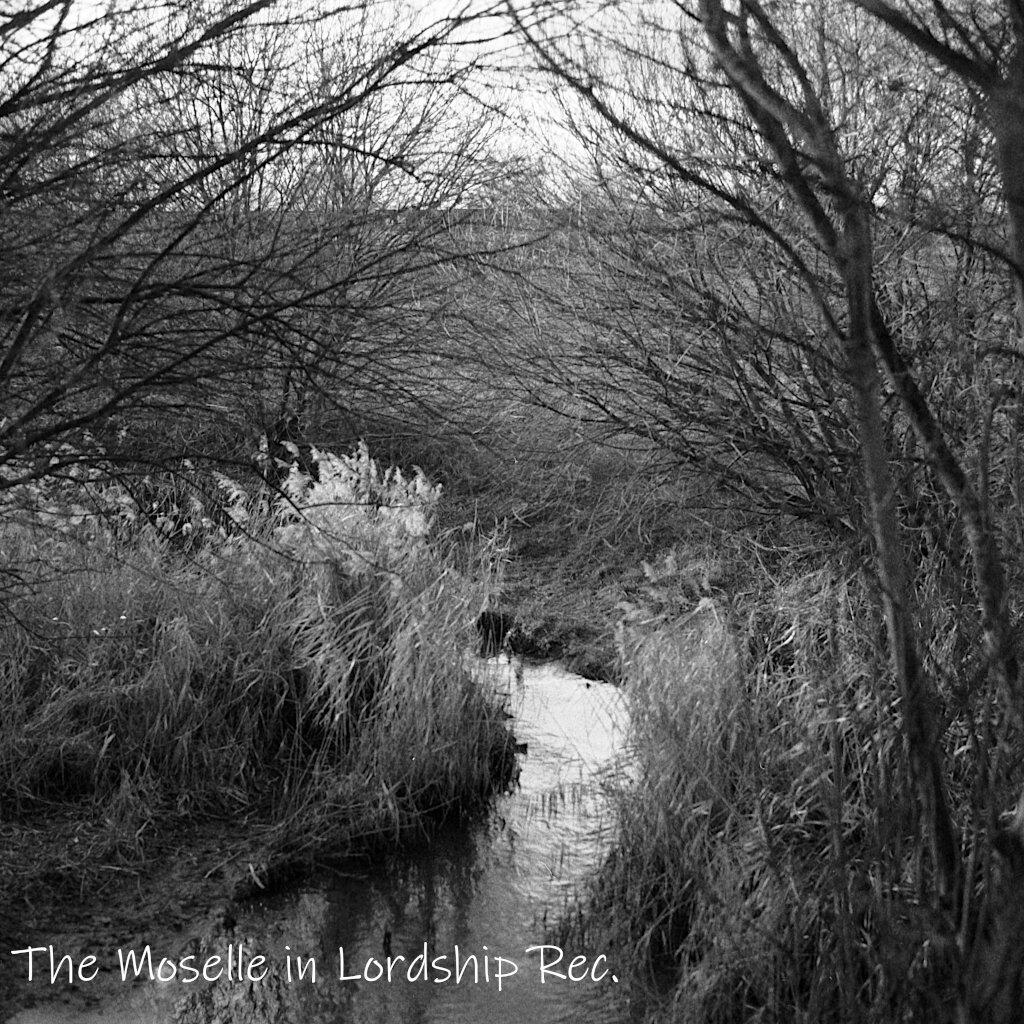
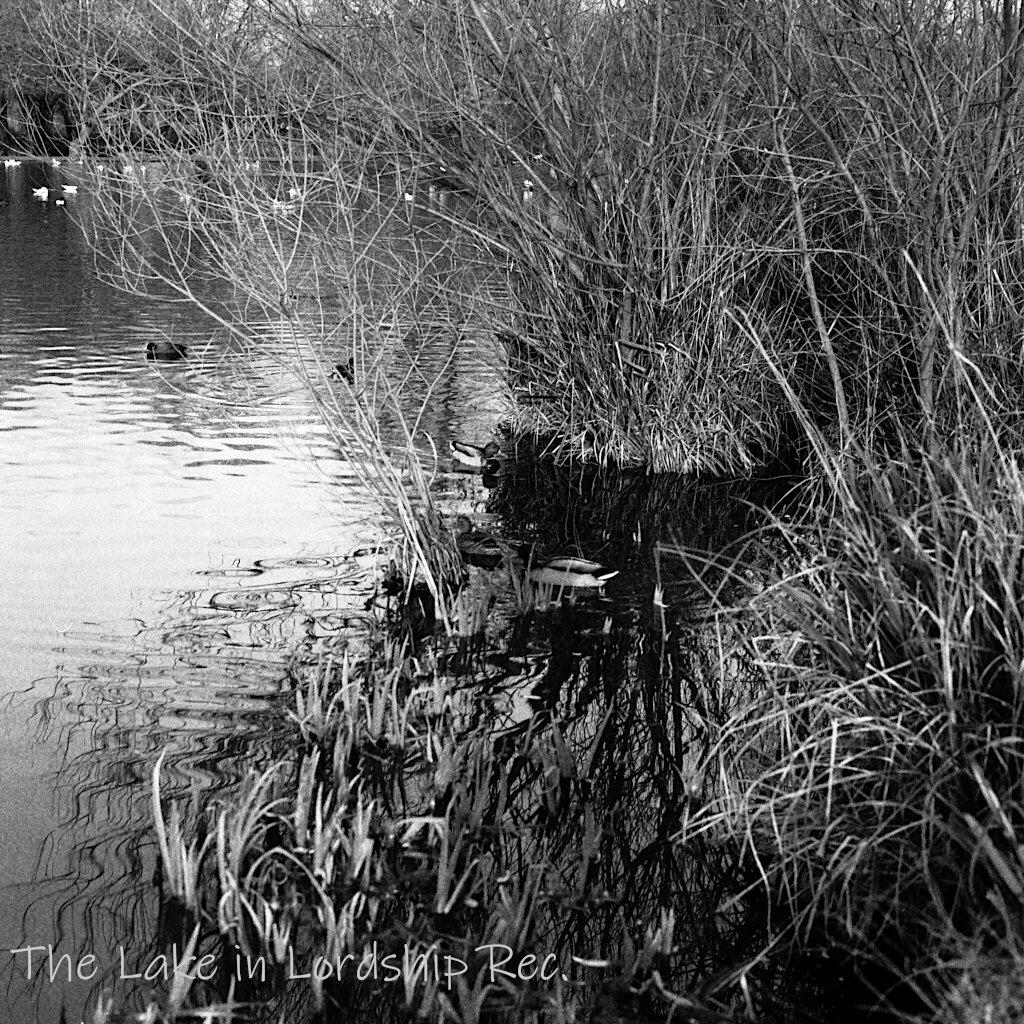
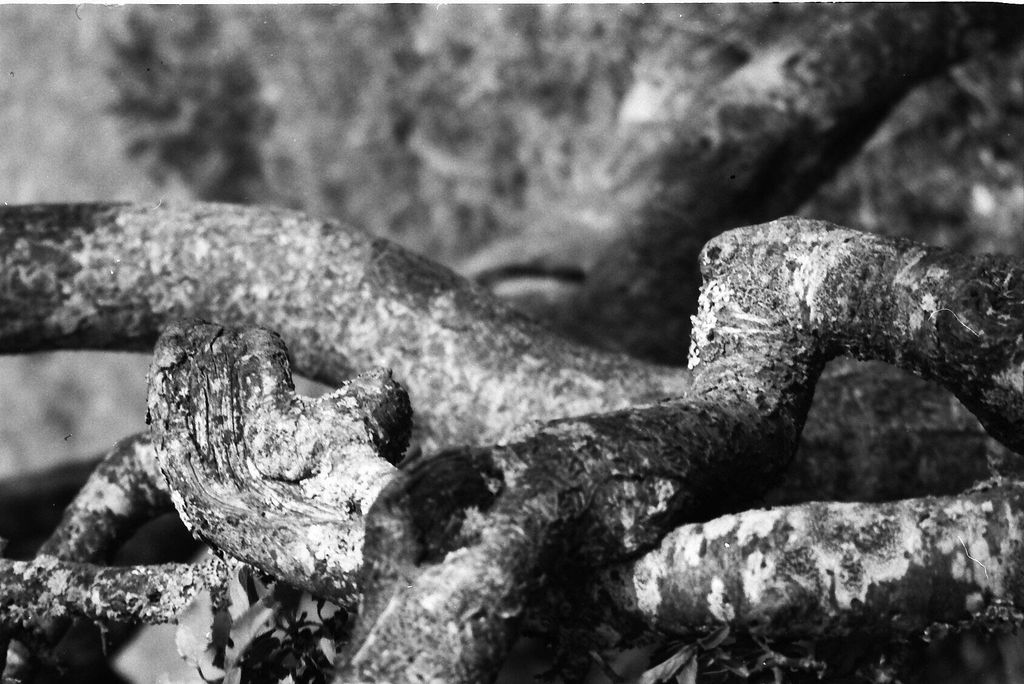
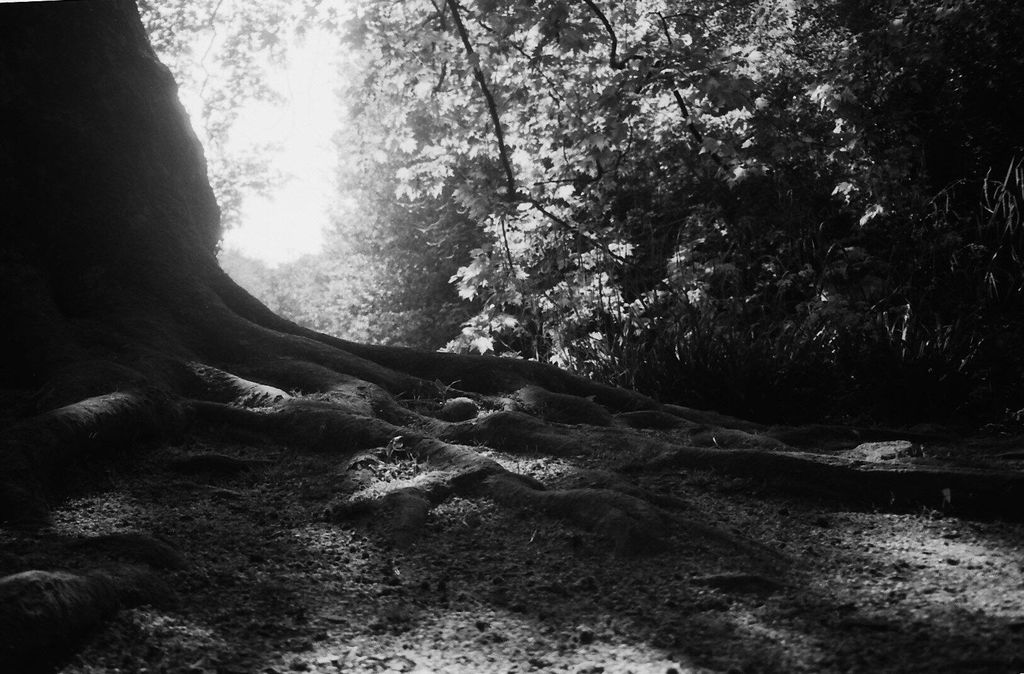
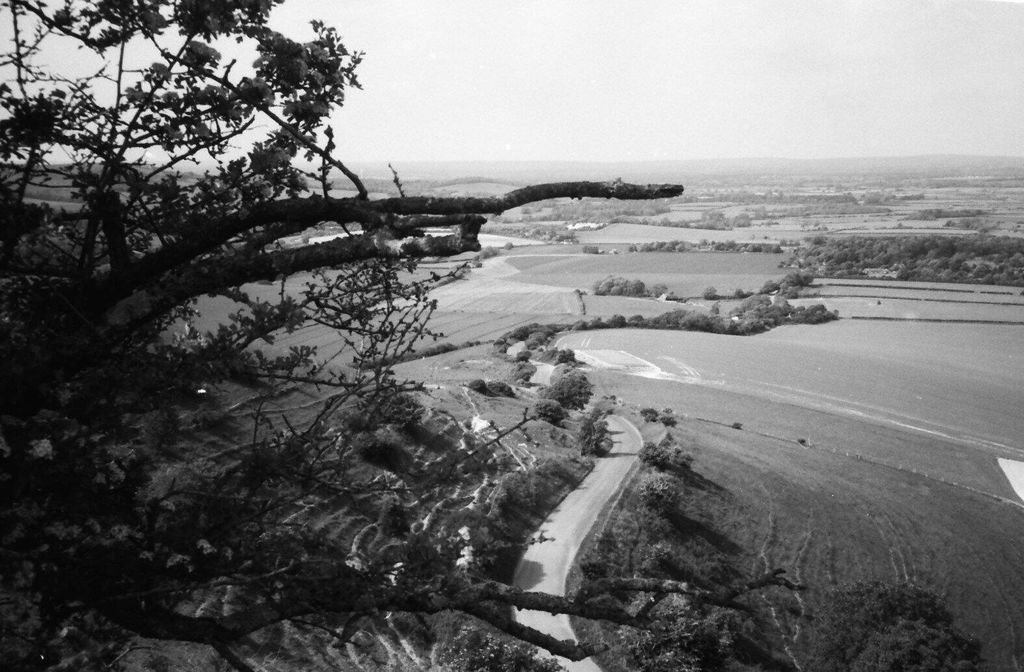
The roll at ISO200 was a little more relaxed. I went to my local park to capture some landscapes and the early signs of spring. Here I had a lot more control over the composition and how I positioned myself for the shot.
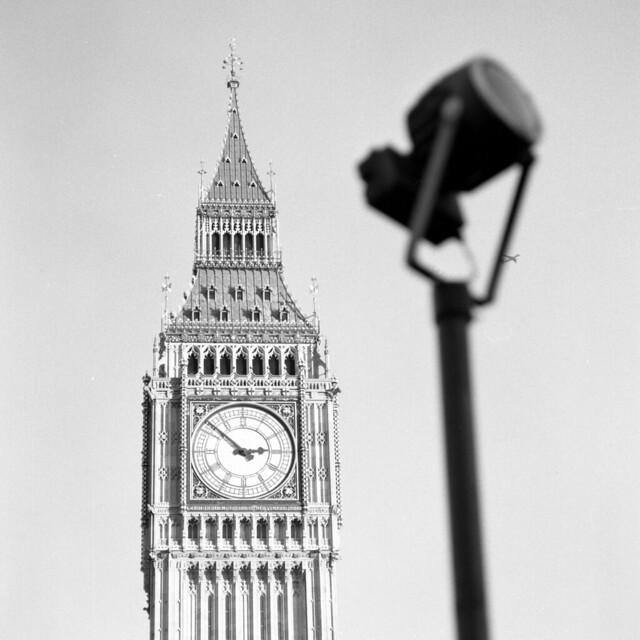
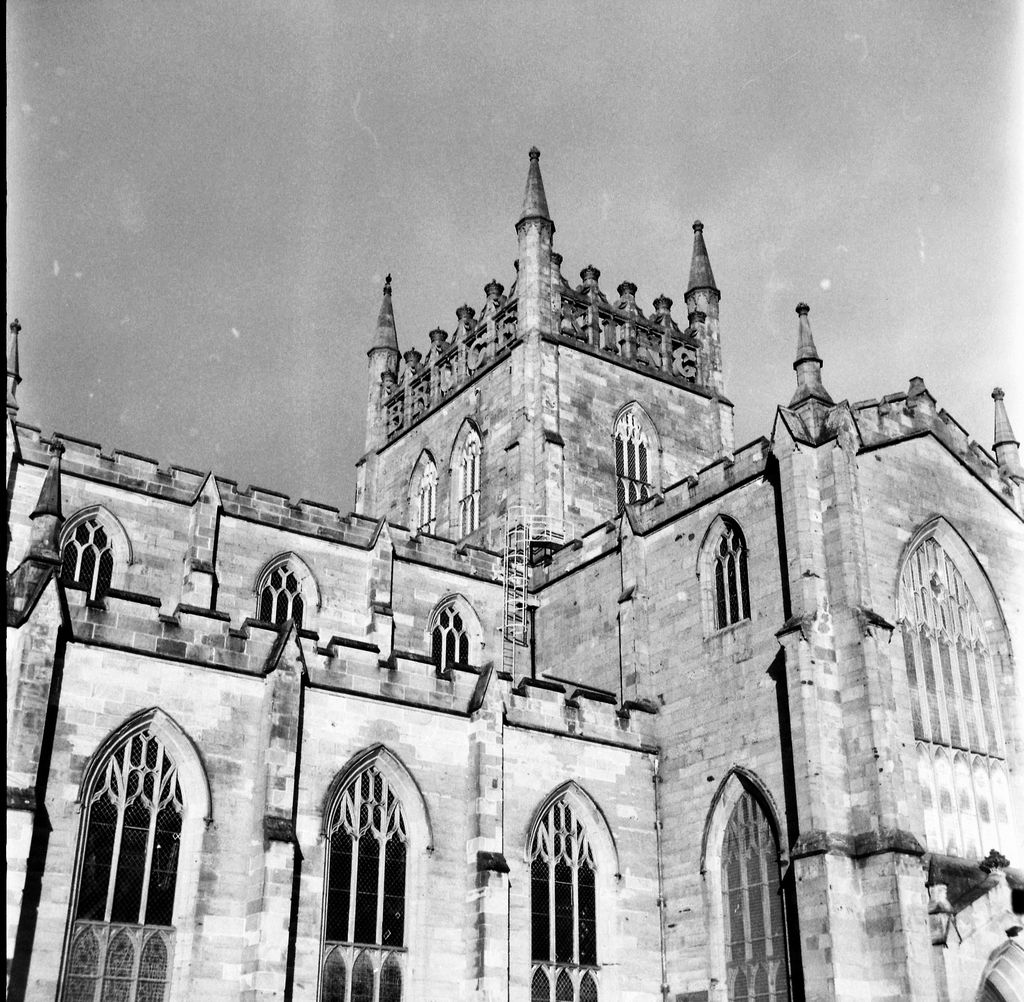
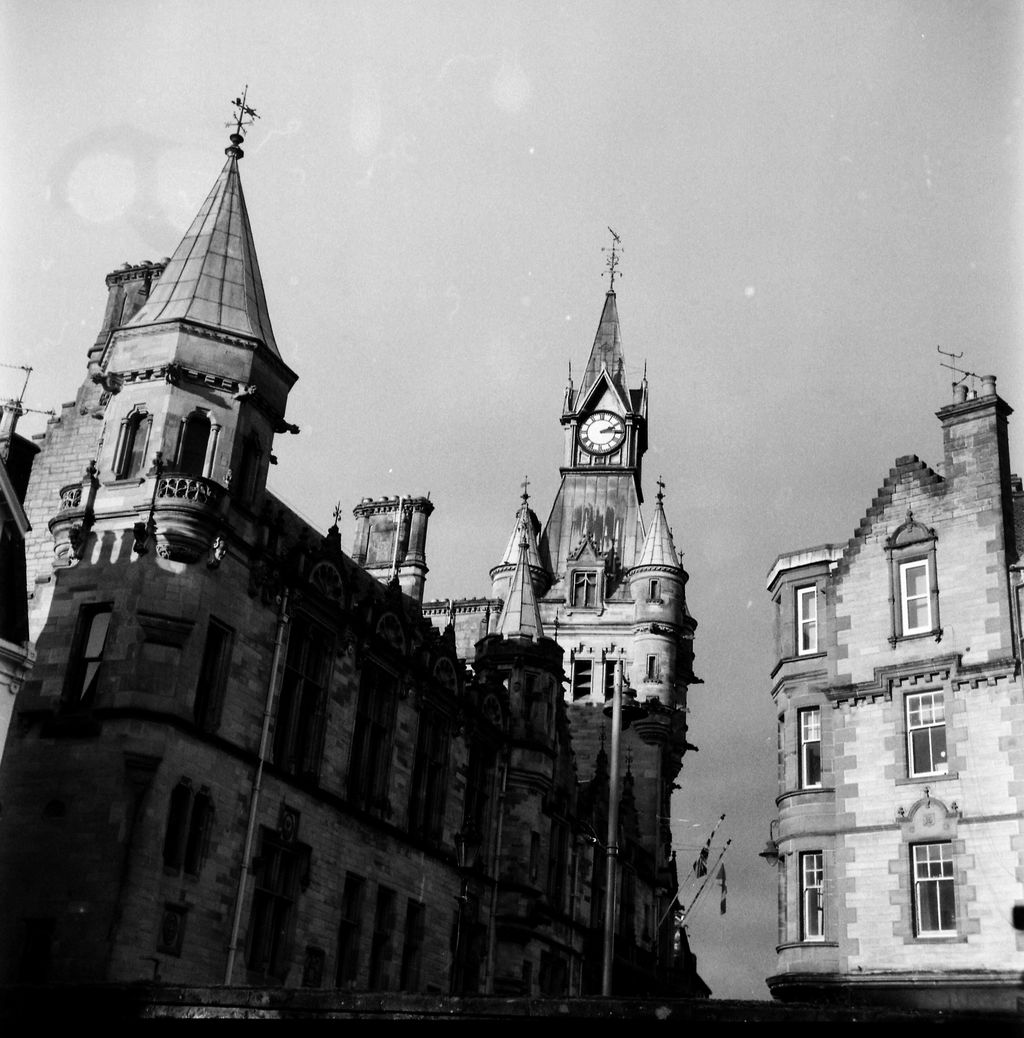
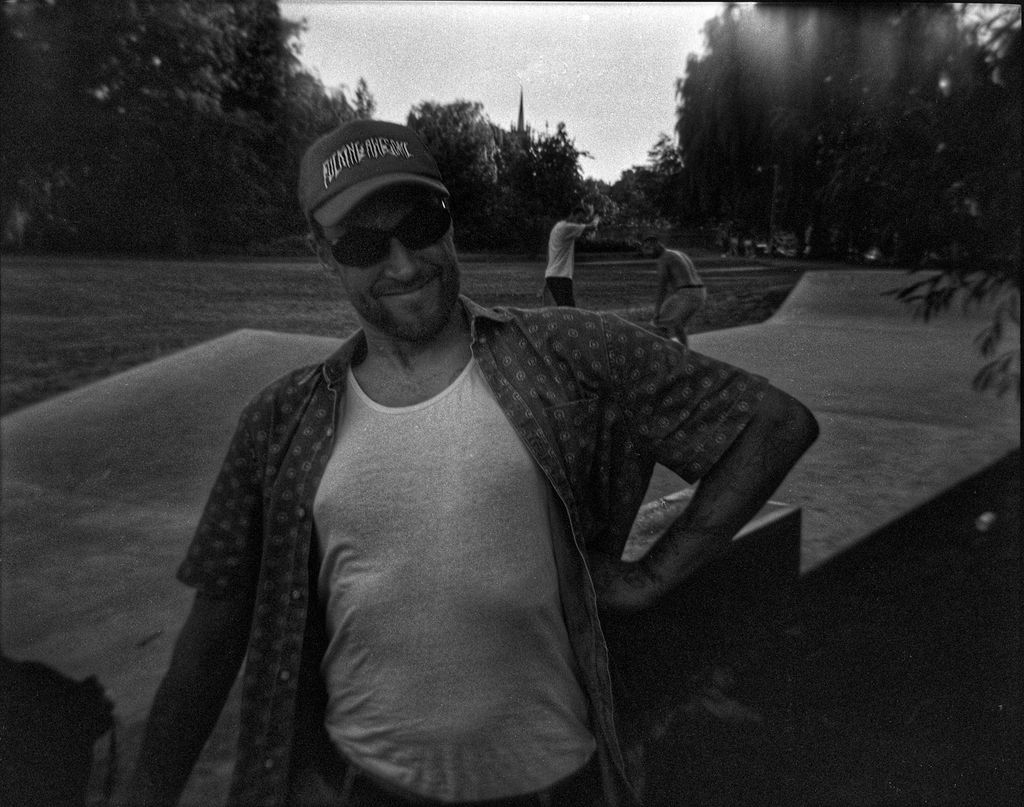
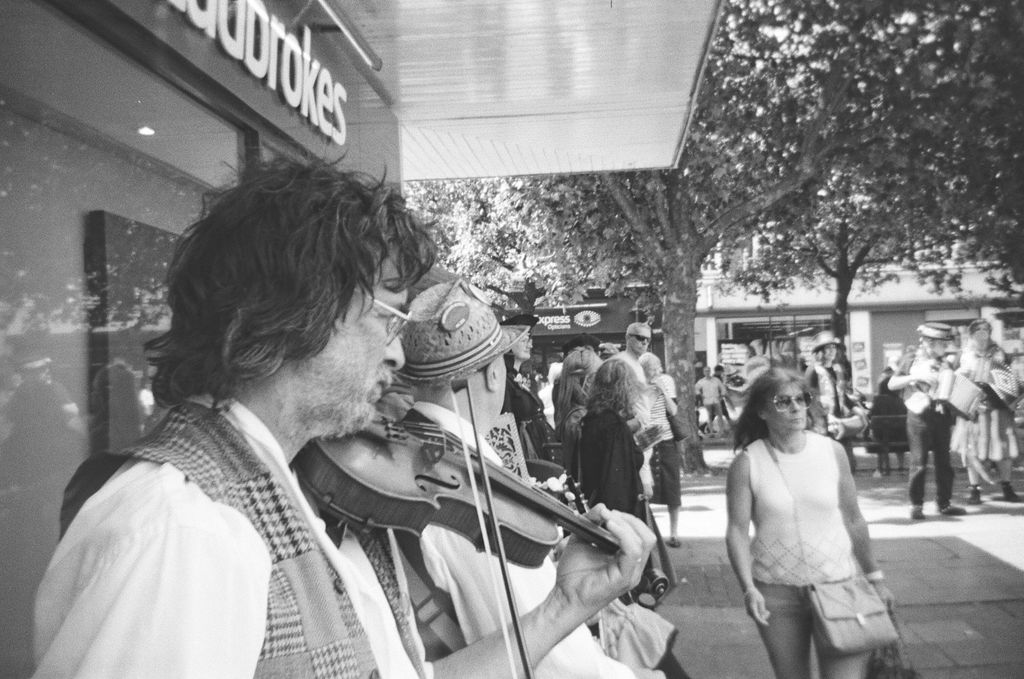
I developed the three films with Pyro 510 and scanned them on my Epson V550. The results I obtained were very much in line with what other reviewers have reported and the information in the film’s data sheet. I got good images at both ISO400 and at ISO200. The difference between them is the amount of shadow detail and tonal range.
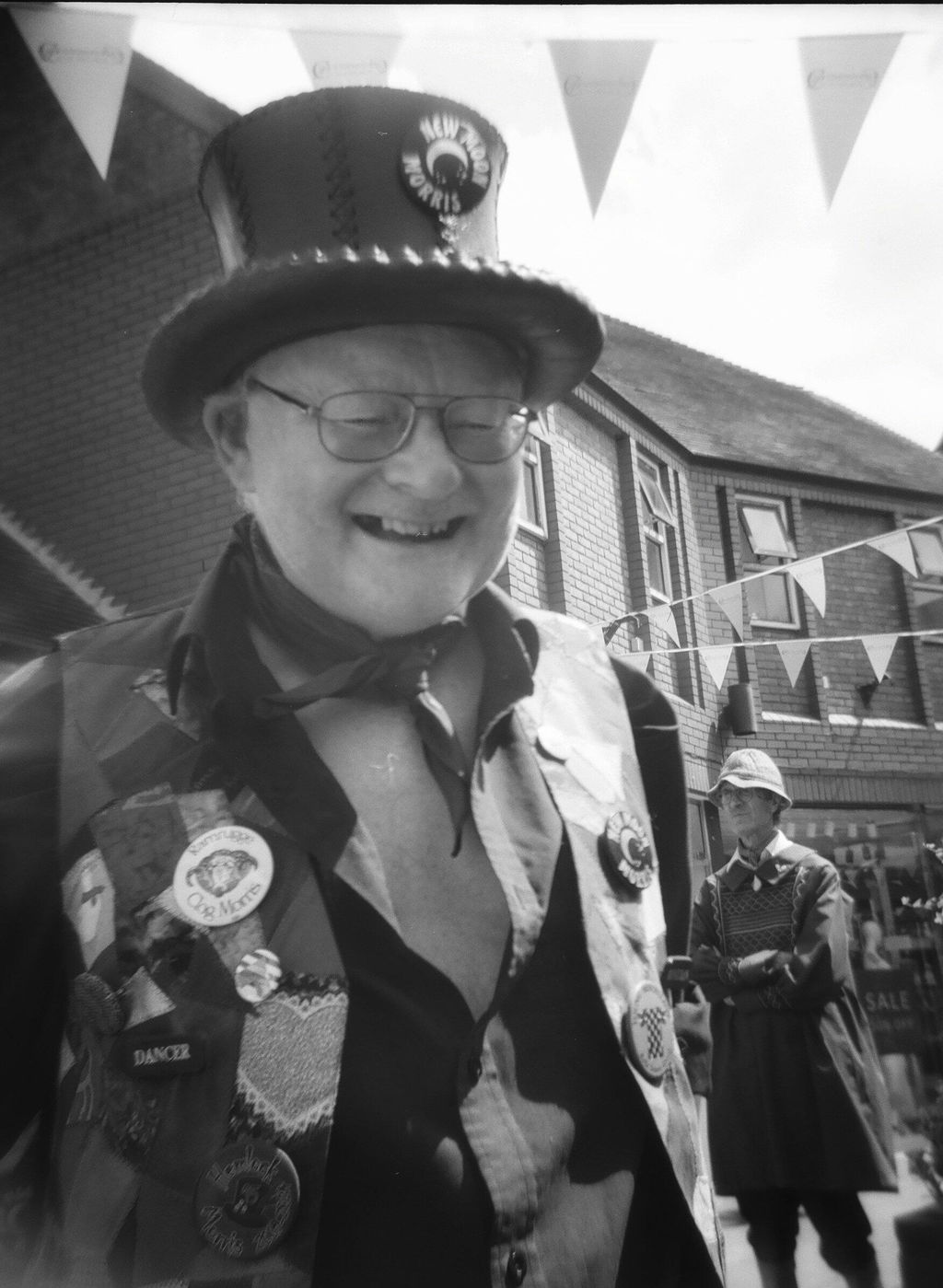
My impression of shooting at box speed is that it produces noisy high contrast images. To me these have the look of news and documentary images from the 1960/70s. The demo I shot has, for me, the look of a cheaply made 1960’s radical newspaper or pamphlet.
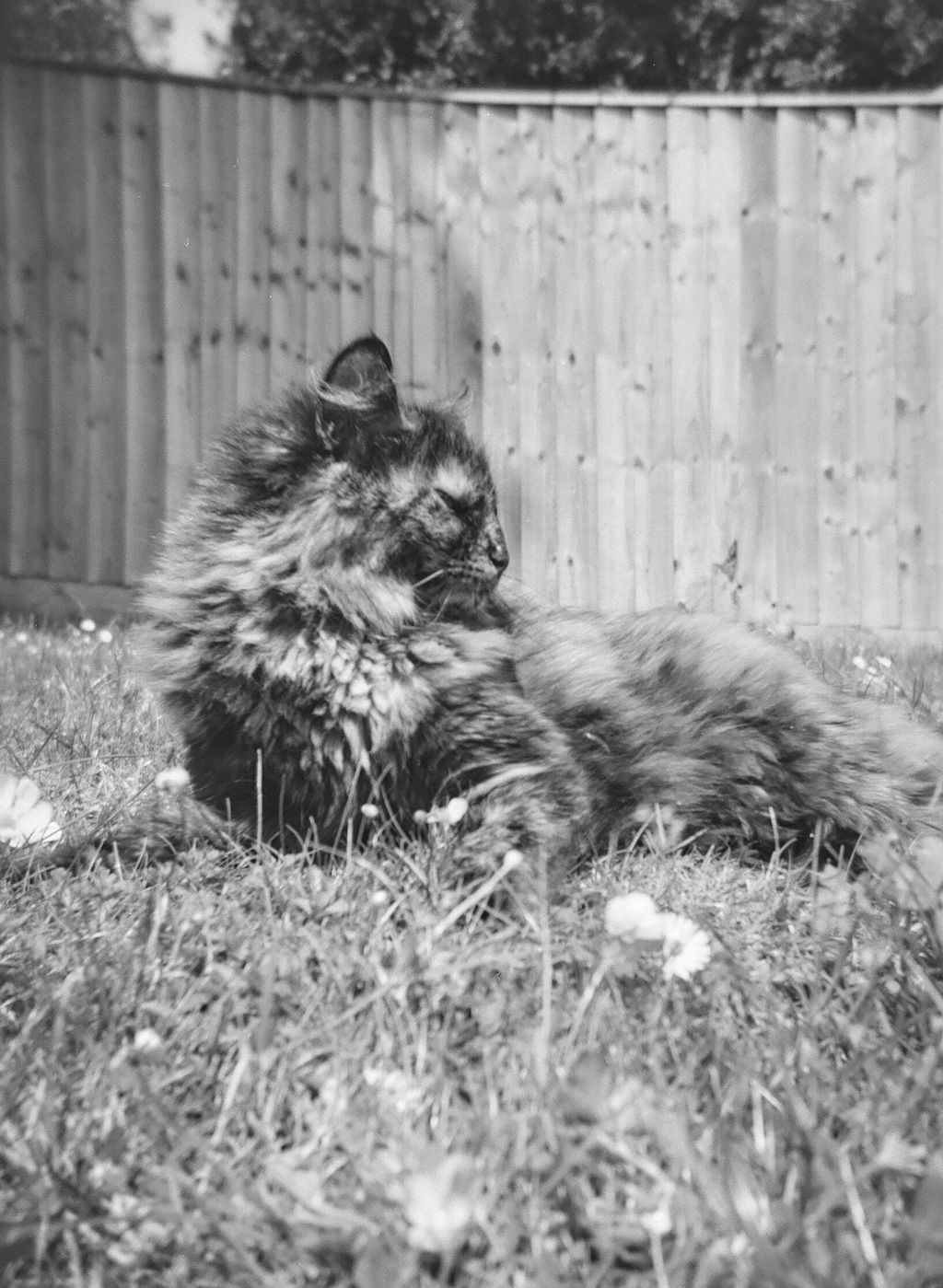
The images at ISO200 look to me to be much more controlled and detailed. If shooting at this speed I think a lot care is needed to protect from blown highlights. While there is great depth of detail and mid-tone range available care in metering is needed to prevent loss of detail in the highlights.
Overall a fun film to work with. It is very robust and can return results in difficult circumstances but to get the best from it you need to work with it to build on its strengths. Think about how you want to meter it and plan out the composition if you want to bring out the best in this film stock.