



Features & Specification
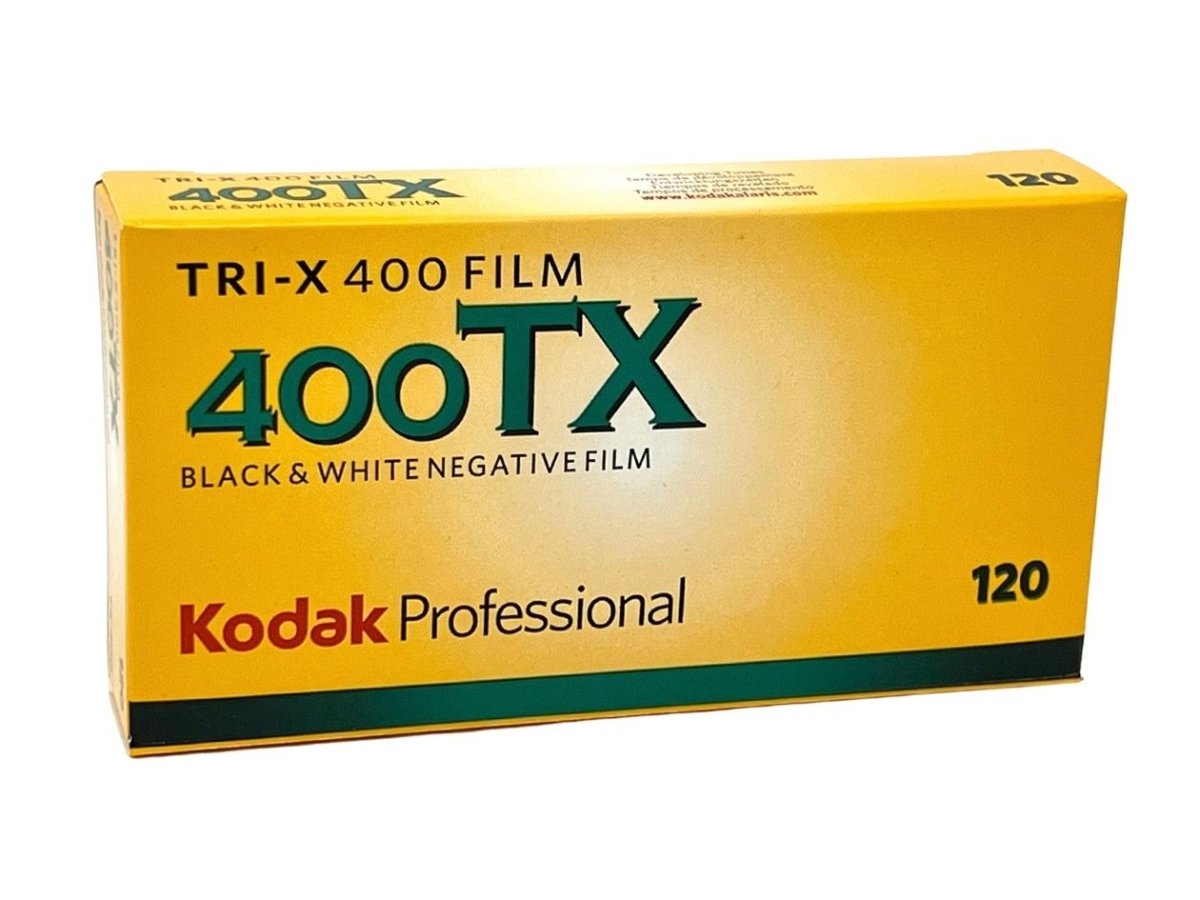
Film Format: 120/220
Film Colour & Type: Black & White
ISO: 400
Grain: Normal
Contrast: Normal and High
Colour Balance: Not Applicable
Exposure Latitude: Wide / Very Wide Latitude
DX Coding: No
Film Development Process: Black and White
Perfect for: 👪 Portraits, 🏔️ Landscapes, and 🏛️ Architecture
Description
Payment & Security
Your payment information is processed securely. We do not store credit card details nor have access to your credit card information.
Customers also bought these
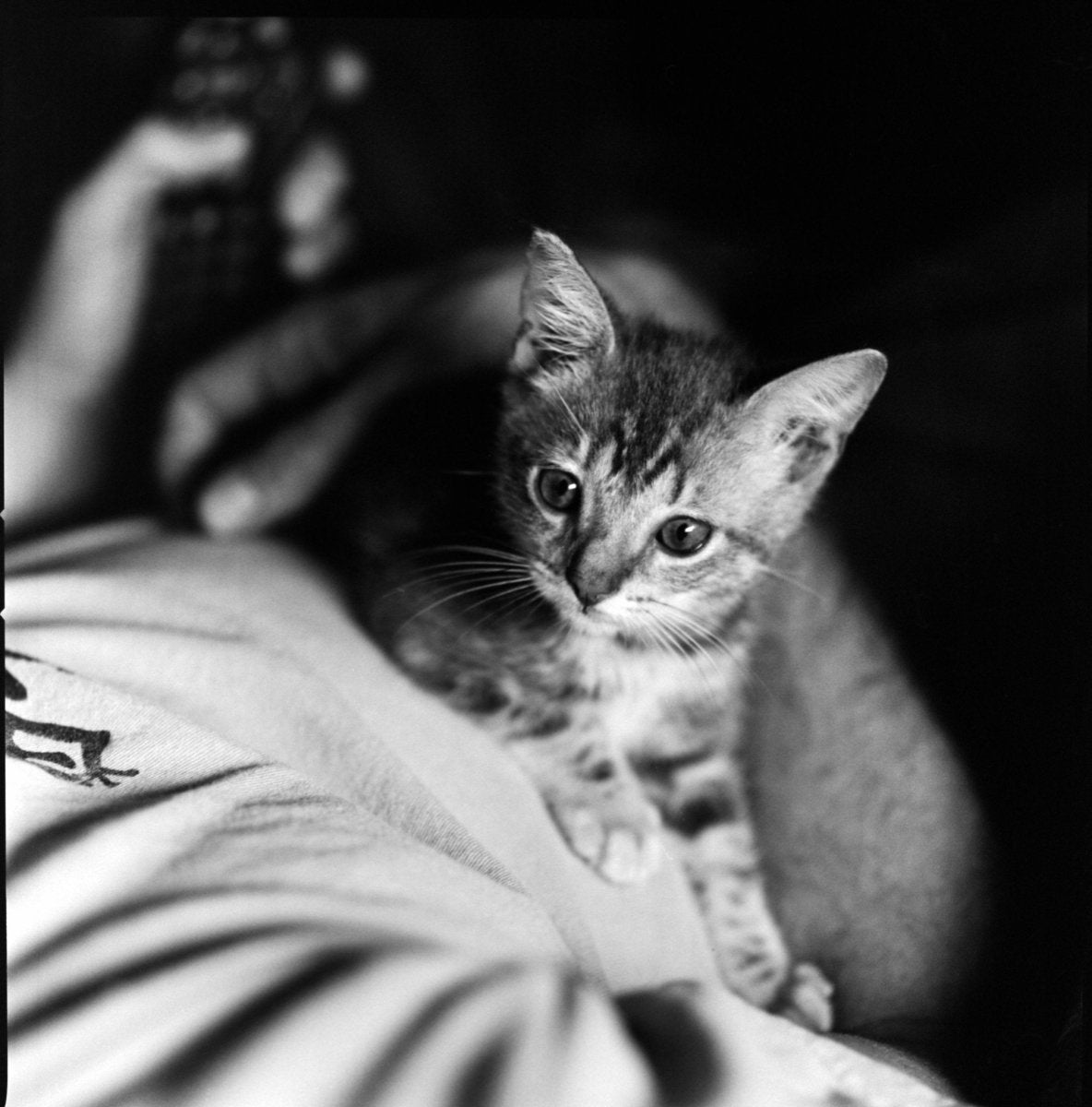
Got a bulk load of this a few years back and am still working my way through. Tri-X gives good contrast and strong grain profile. You can push it quite hard if you don’t mind the contrast and I love it for street and similar photos. What surprised me however is that it did a relatively good job of some landscapes with an orange filter. These were all shot on a 1955 Mamiya 6 so I feel it fits the camera well.
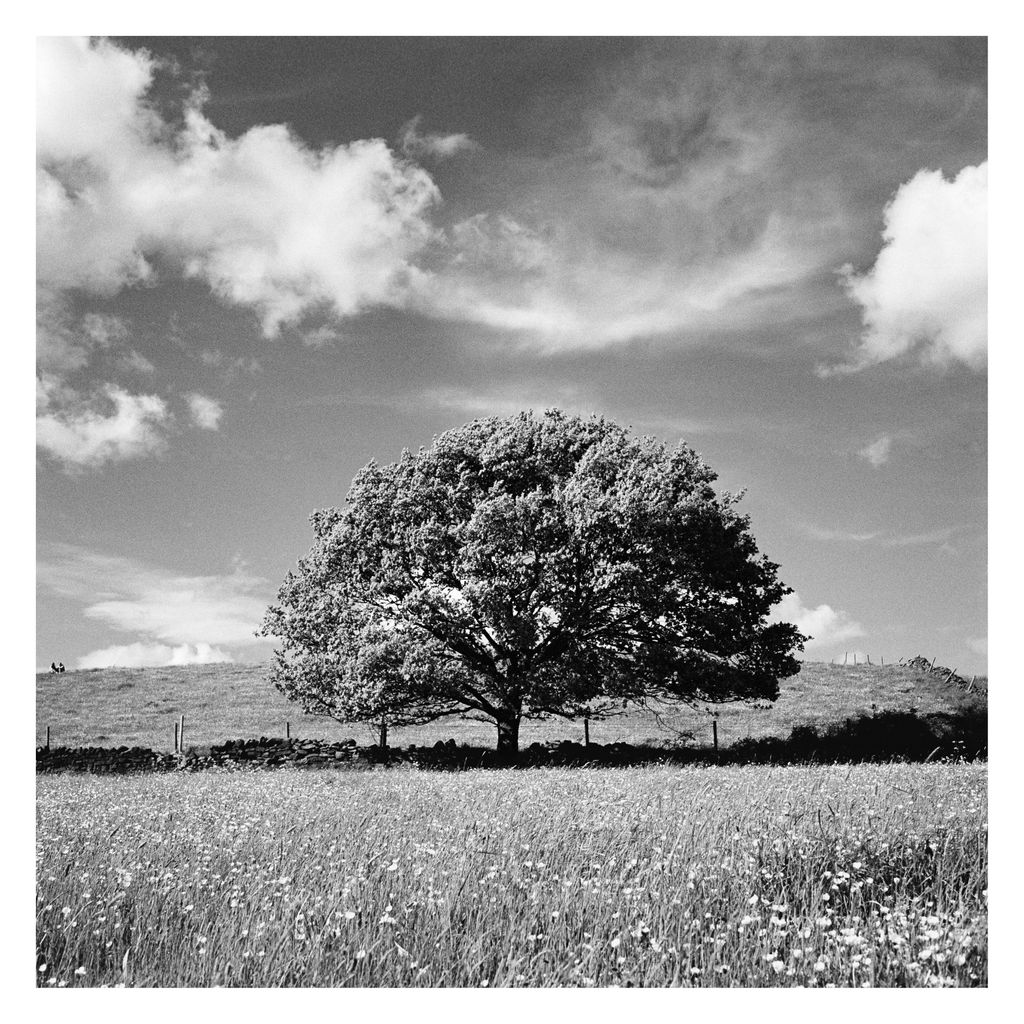
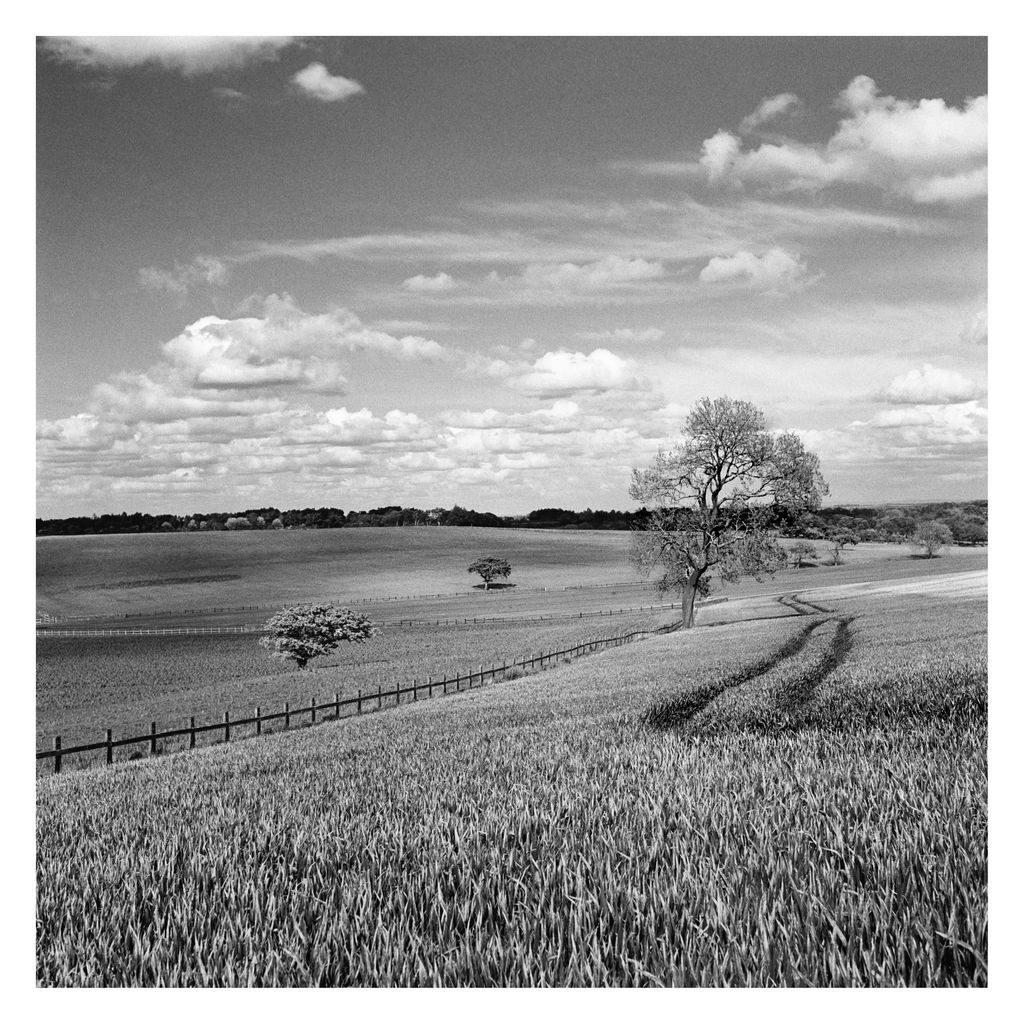
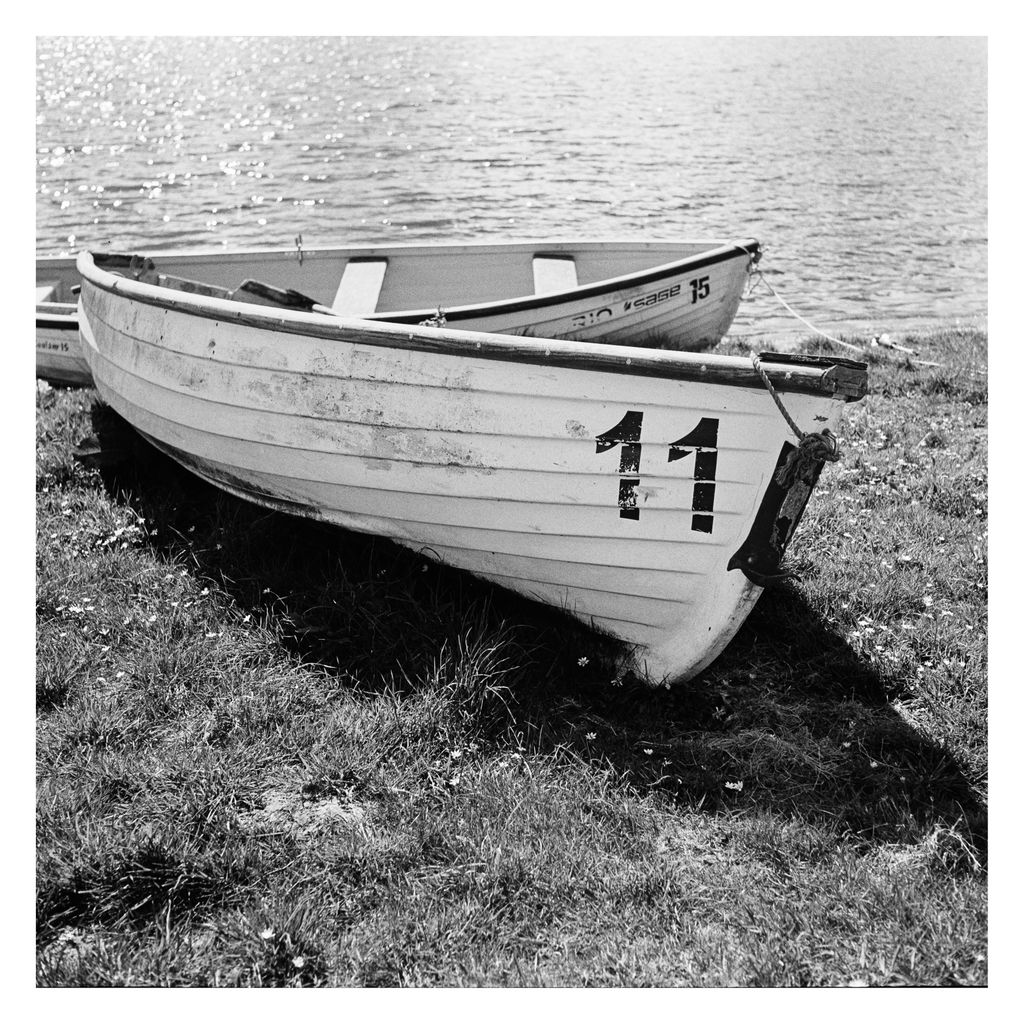
I shoot all sorts of black and white films and have quite a few favourites I repeat-buy. HP5+ is reliable and good value, I love the look of Rollei Retro 400S.
Tri-X is another that goes in that category. In 120 you get sharp images with a grain that never overpowers the image, but is still present, adding a lovely classic tone to the images. A recent woodland shoot showed it handling some tricky lighting conditions brilliantly (at least within the bounds of my ability to expos correctly!)



I hadn't had the best initial experience with Tri-X, but with some practice I've found it to be a very worthy film, and certainly one I'll be using more often! The example here is perhaps a bit overexposed or even overdeveloped, but it should print easily.
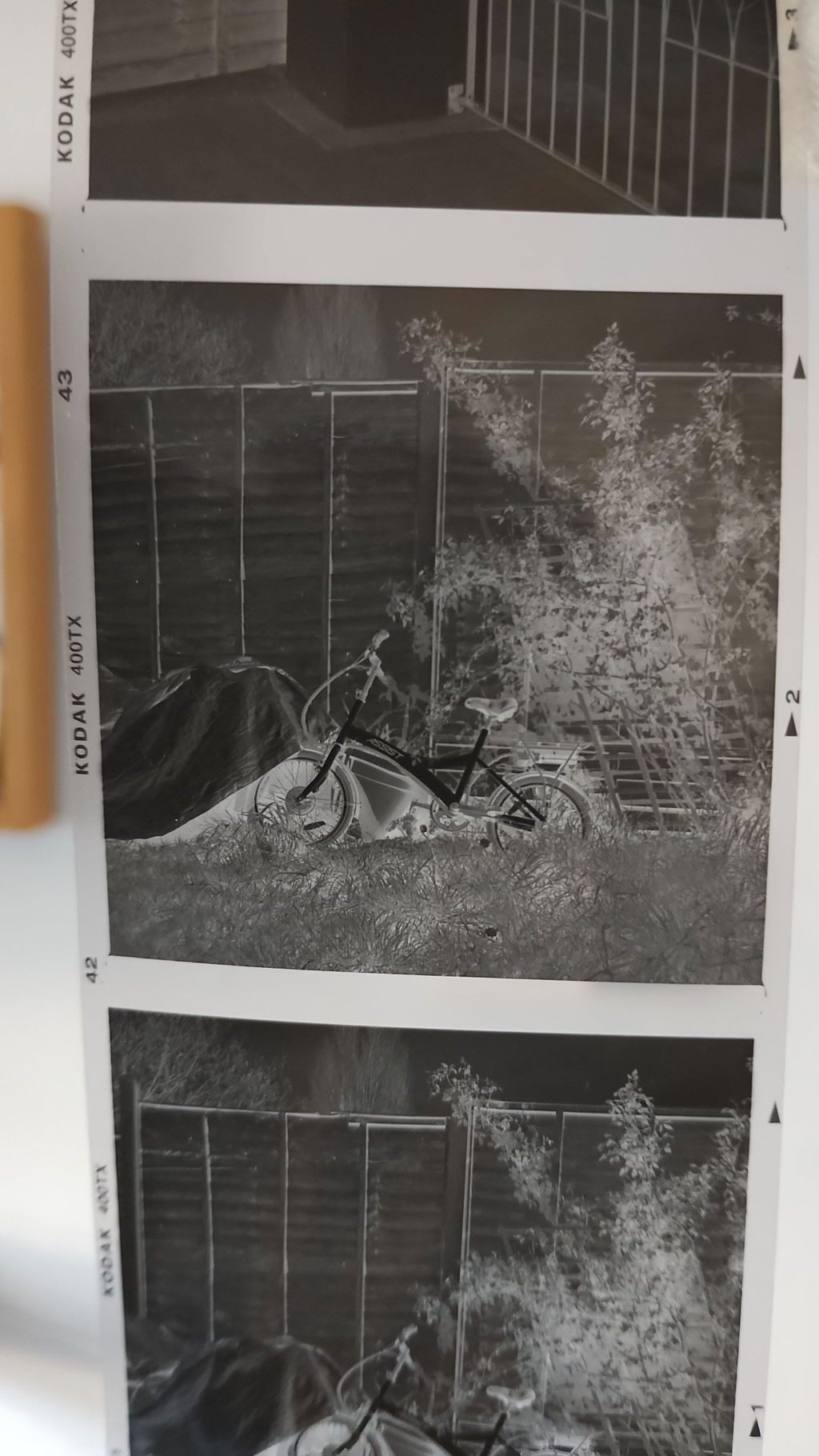
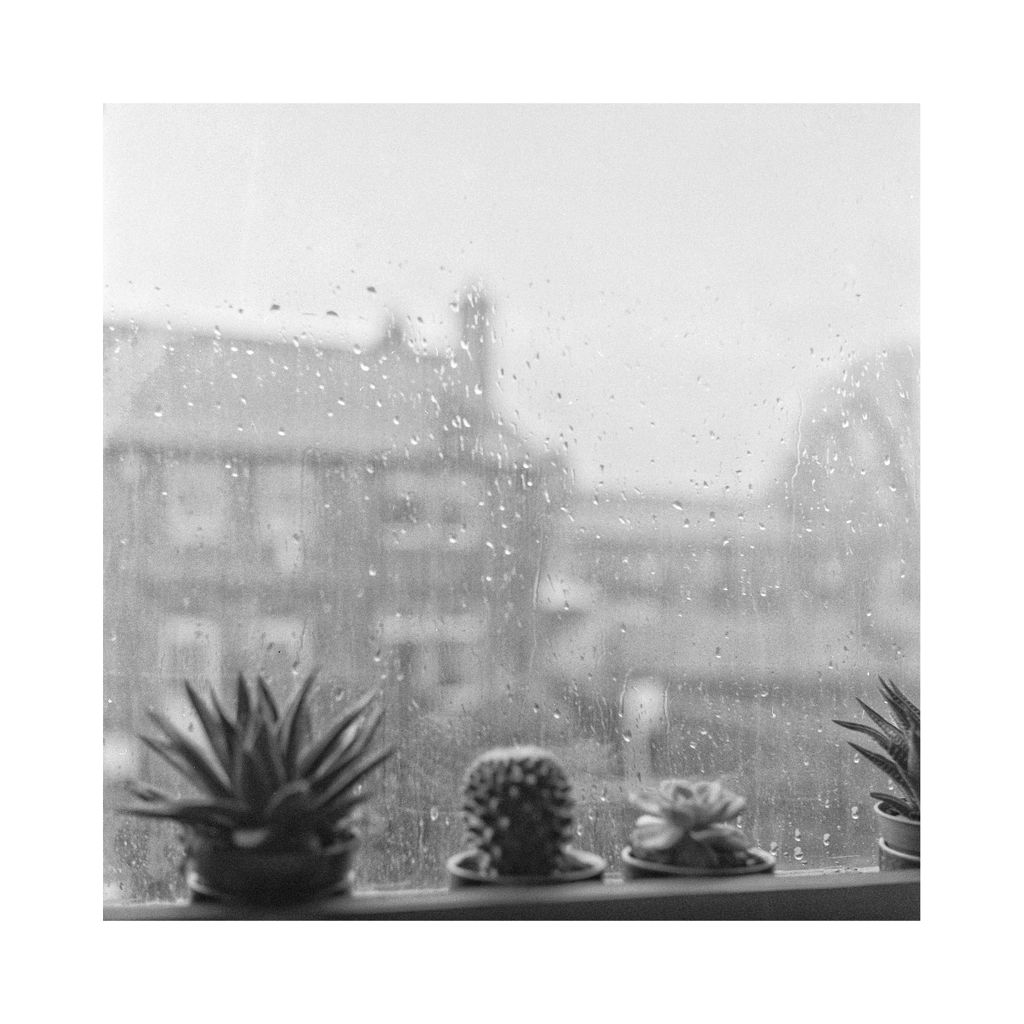
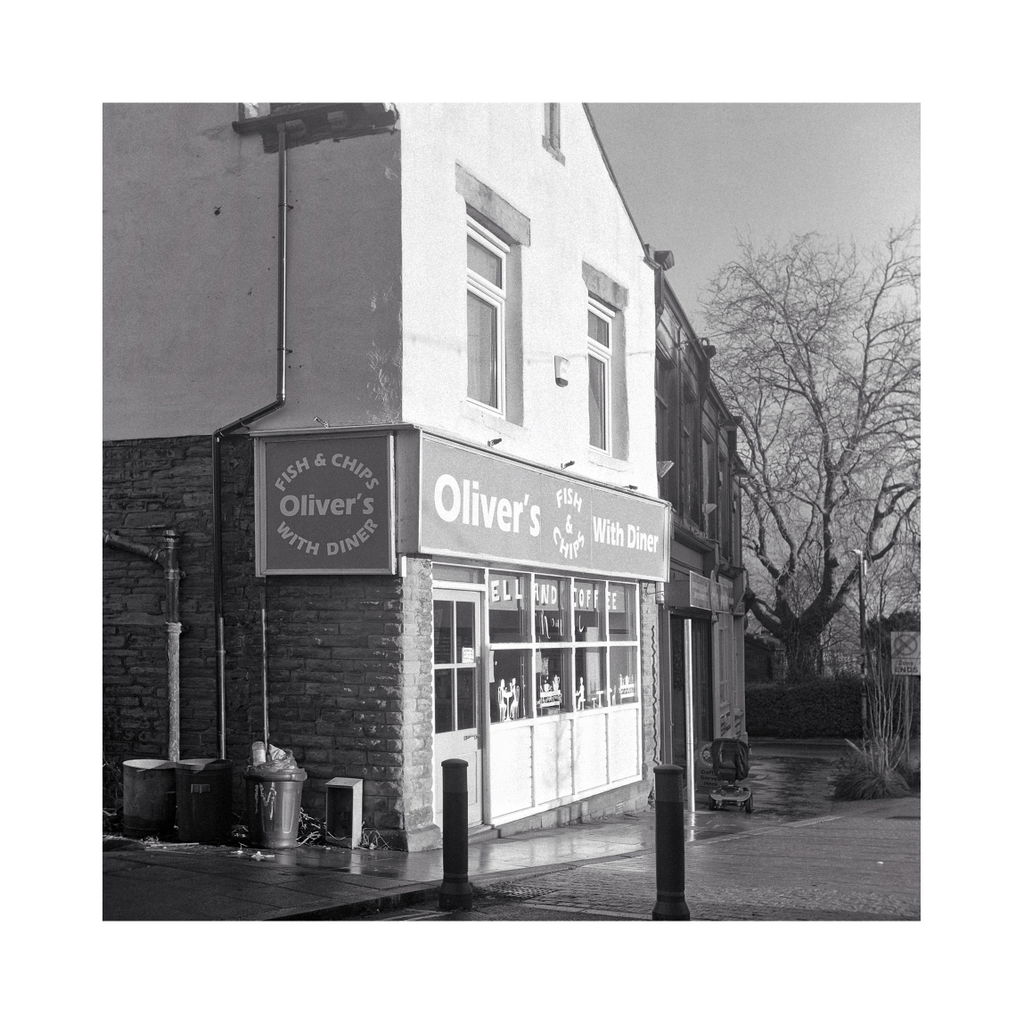
First time using TriX and what a lovely film. Lovely grain, very fine for a medium speed like this. Contrasty but still with nice shadow detail, slightly less detail in the shadows than TMax so good if you prefer a more contrasty look. This was shot at box speed on a very overcast day. No editing after scan. I bet this would push well. Would recommend.
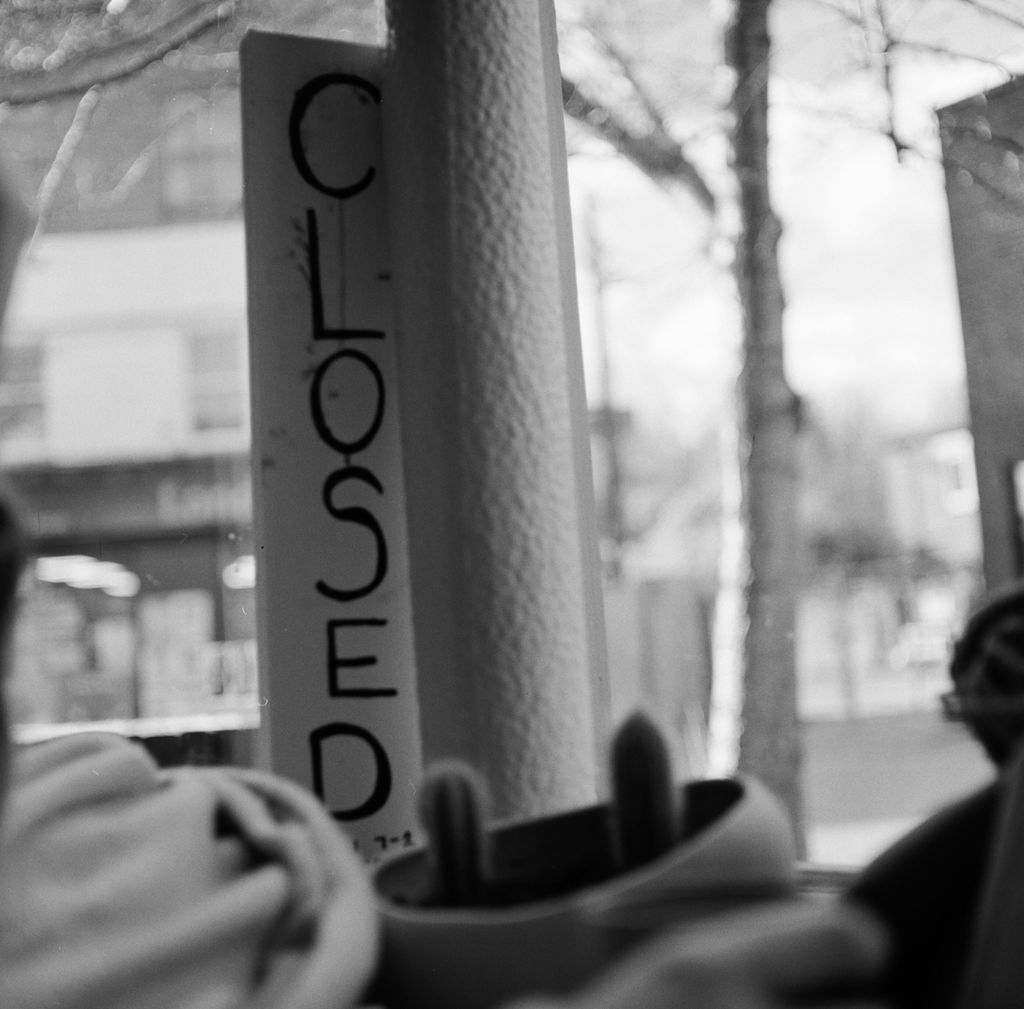
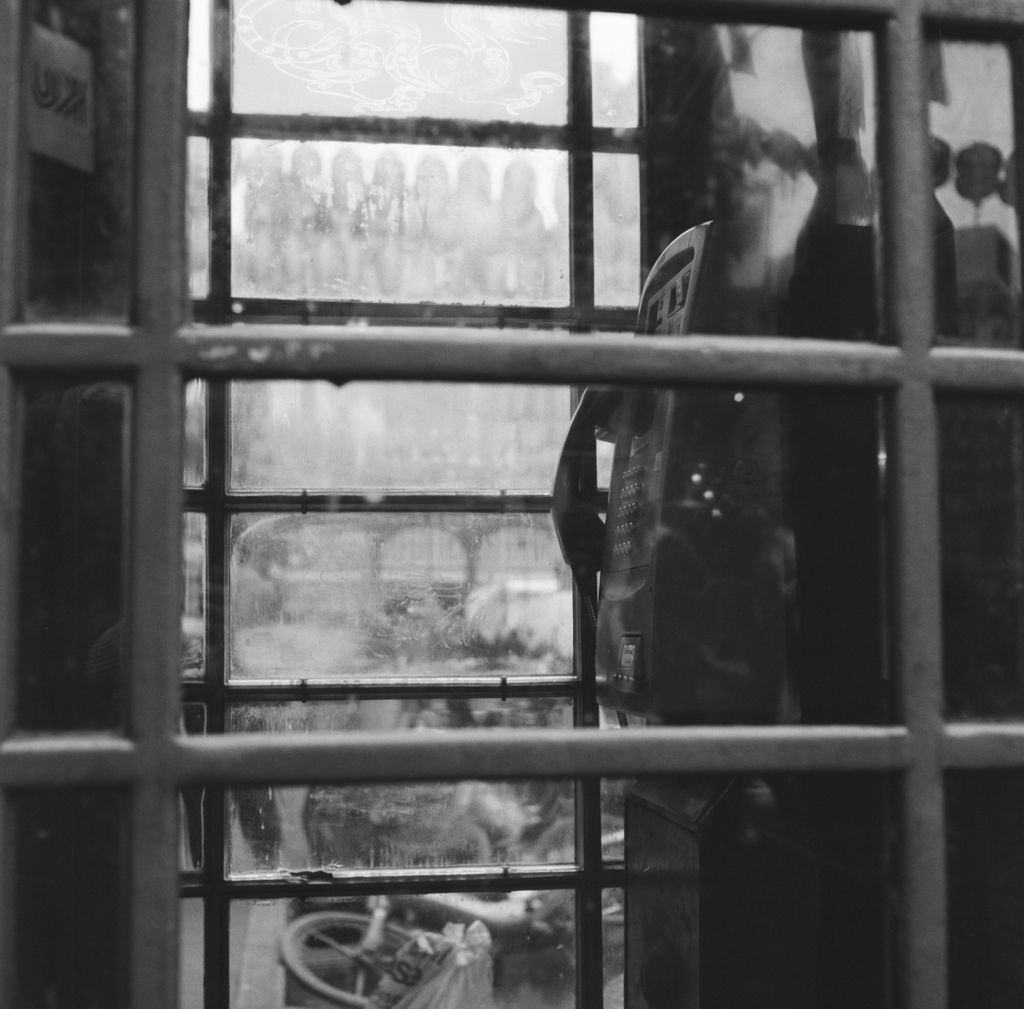

There's a reason Tri-X 400 has been in production for eight decades and counting. It does the job time and time again. If it can cope with a grey day in Wigan, it can cope with anything.
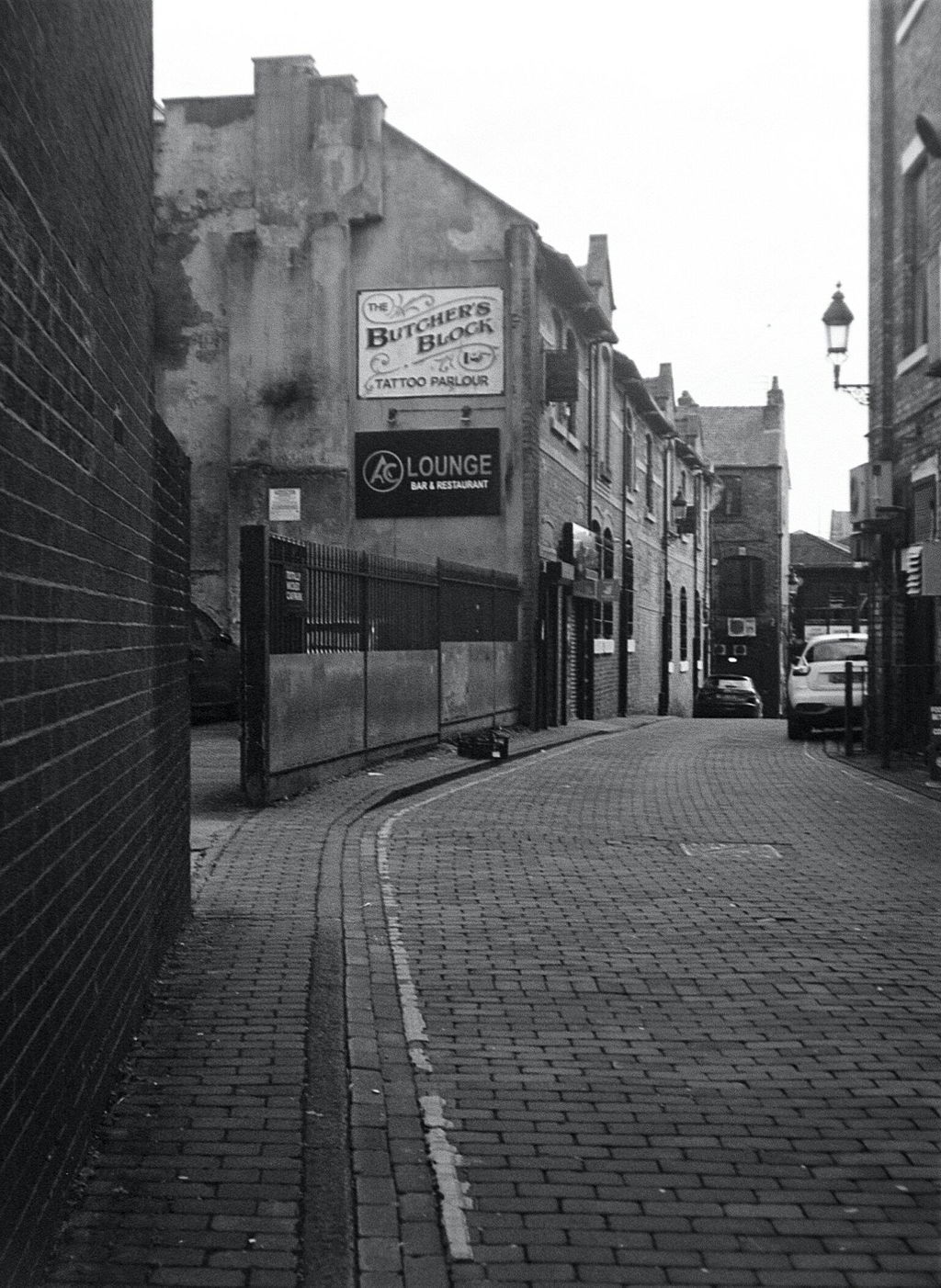
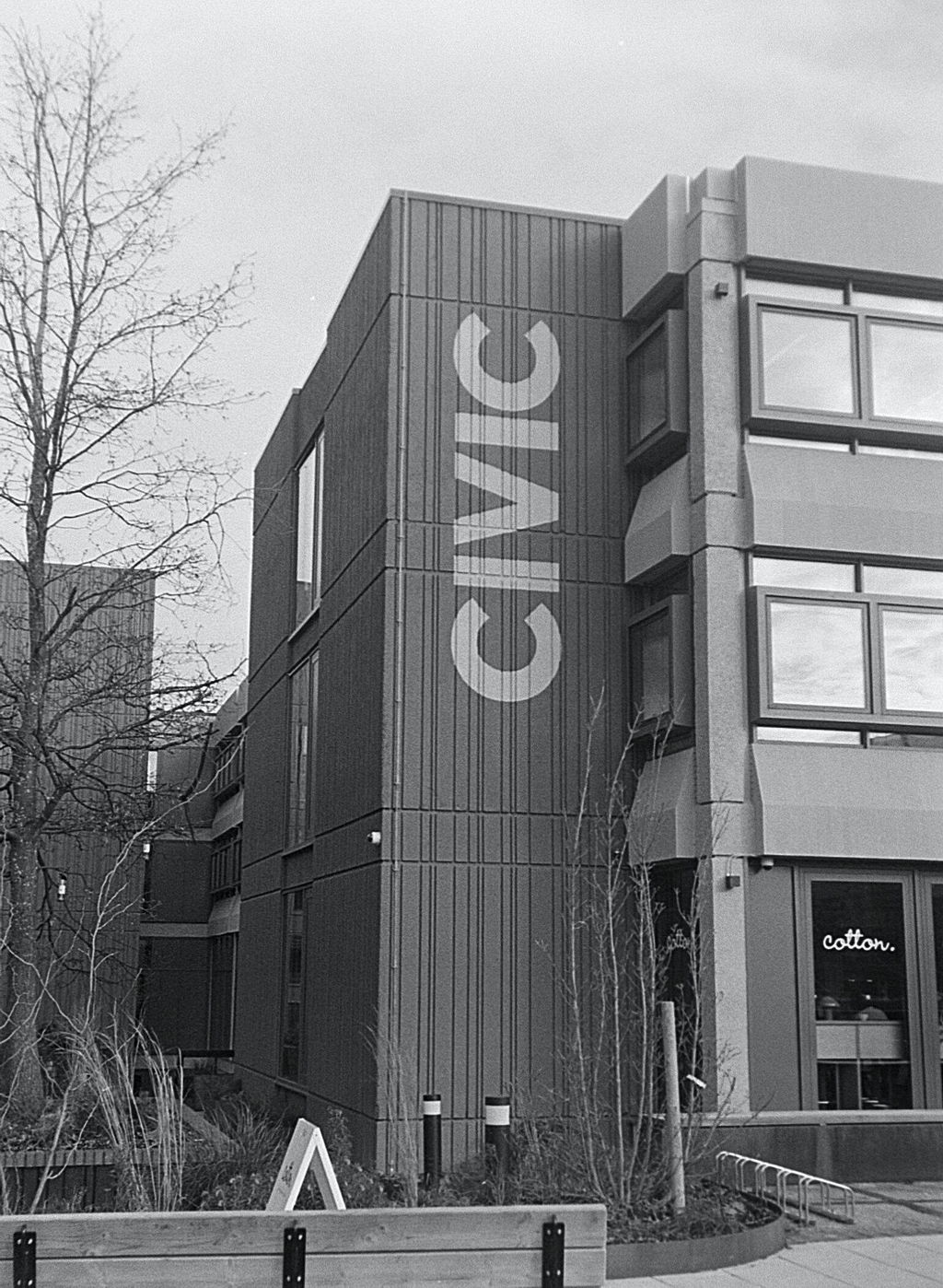
A spectacular film that just has that timeless look that can encompass both nostalgia and modernity in one breath.
The tones are fabulous, making it suitable for just about everything and my favourite 400 ISO rated film.


Just love the way this renders tone and delivers fantastic contrast
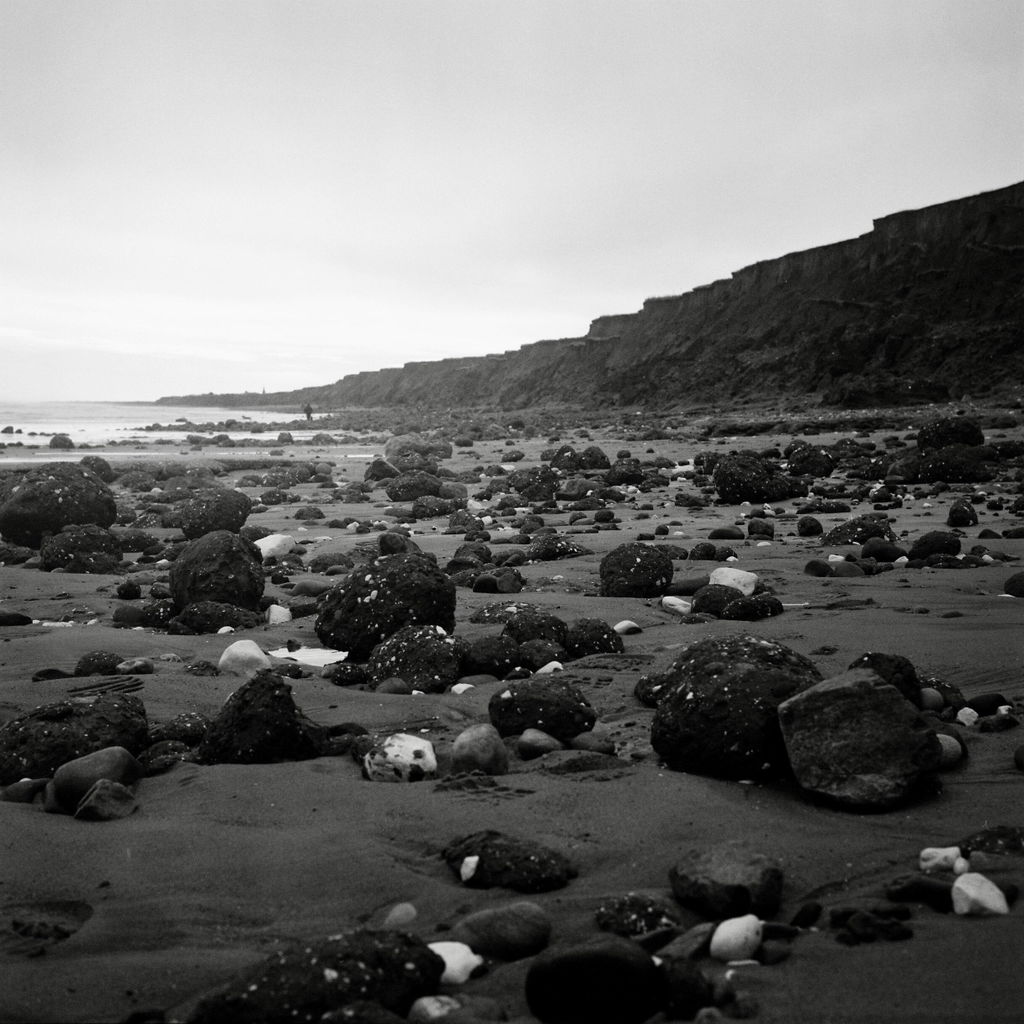
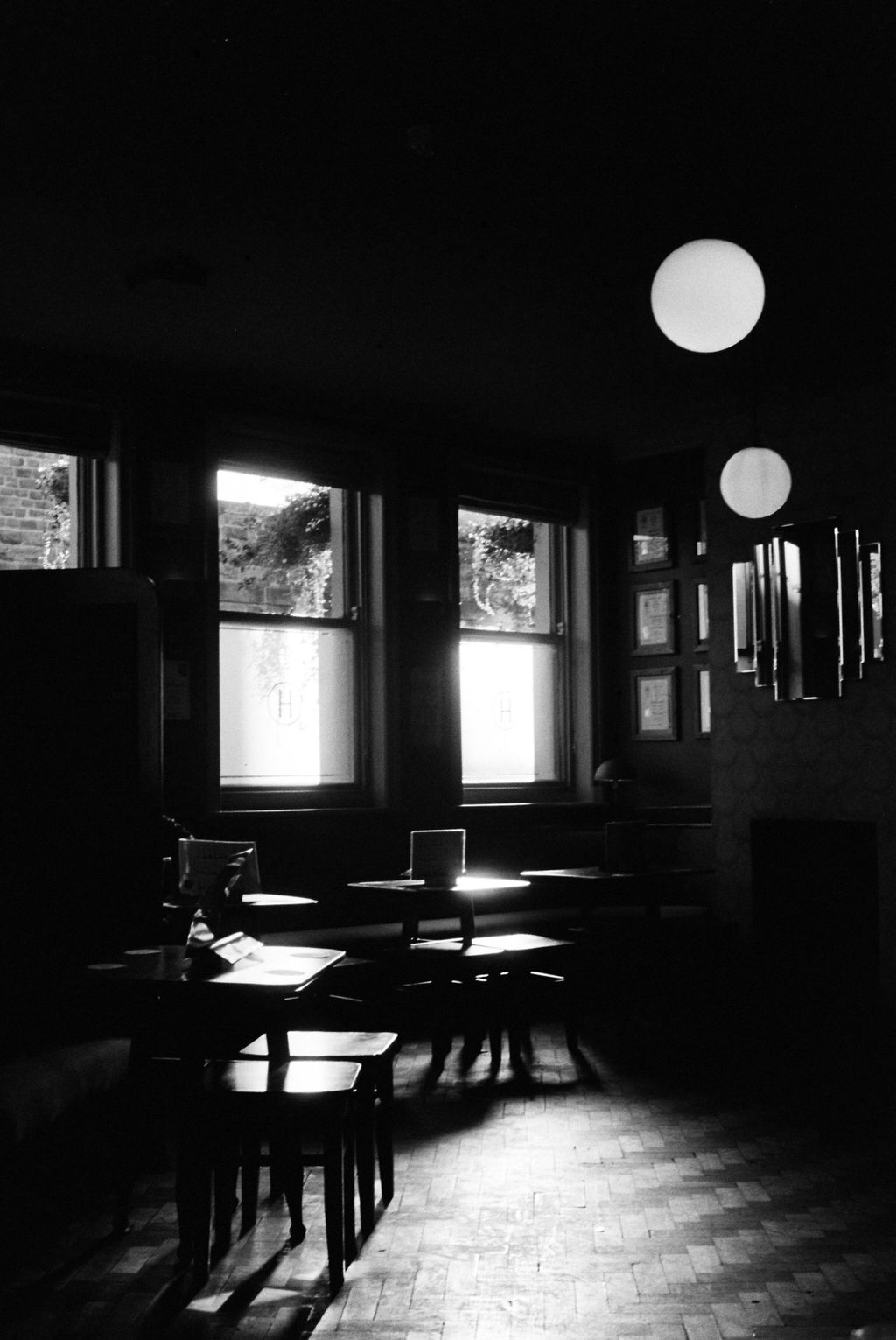
Taken as a test roll on a Mamiya 645 as I get to grips with it. Lots of texture and fine grain.
Probably need more practice to get great shots but so far I'm happy with the results
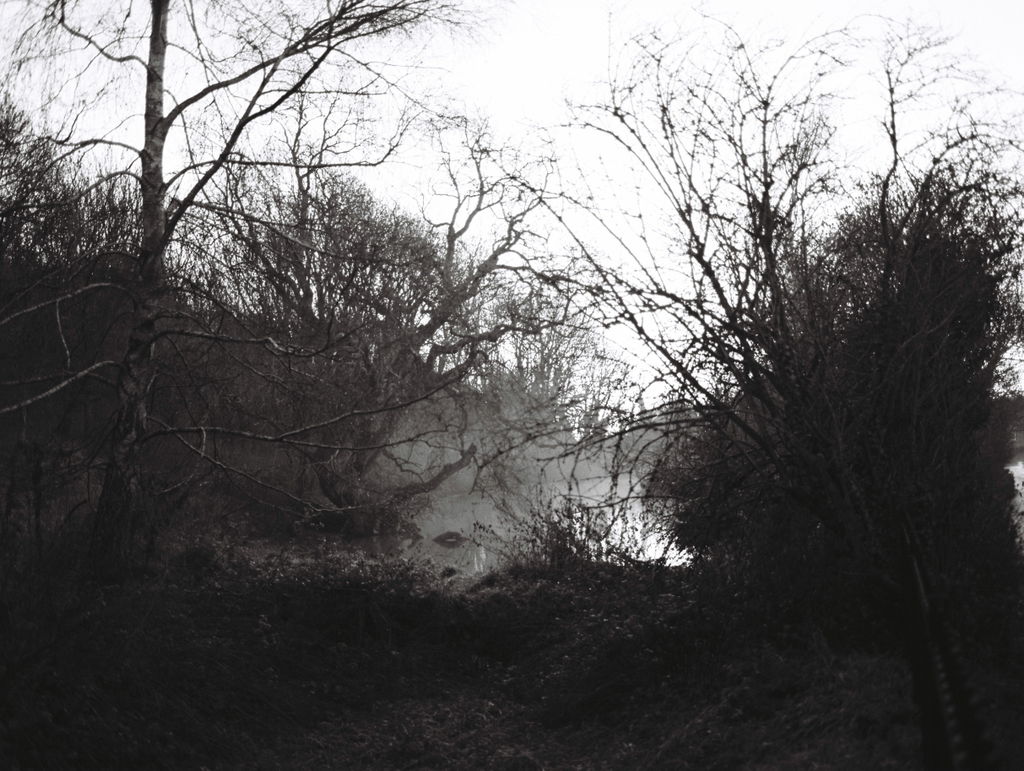
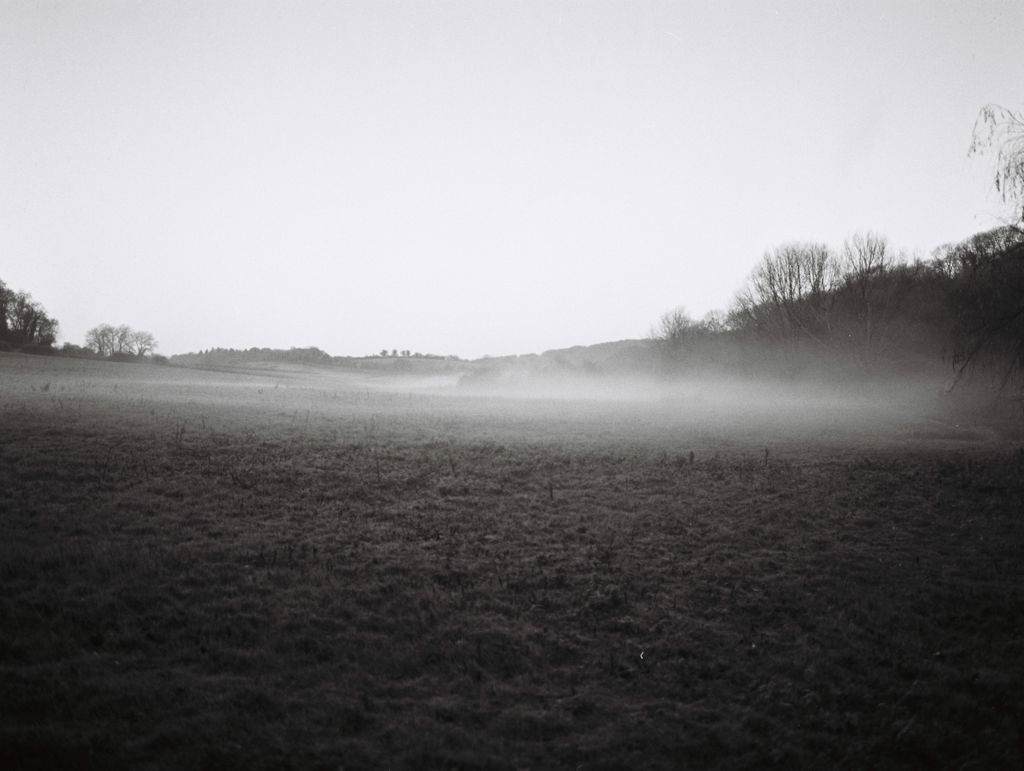

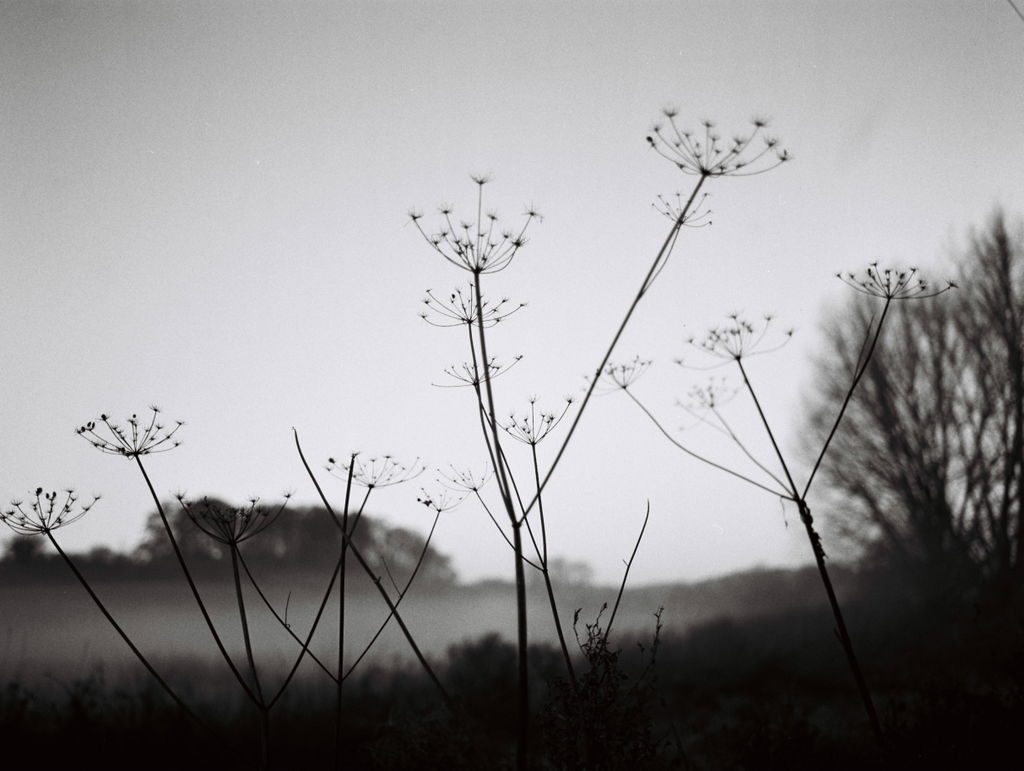
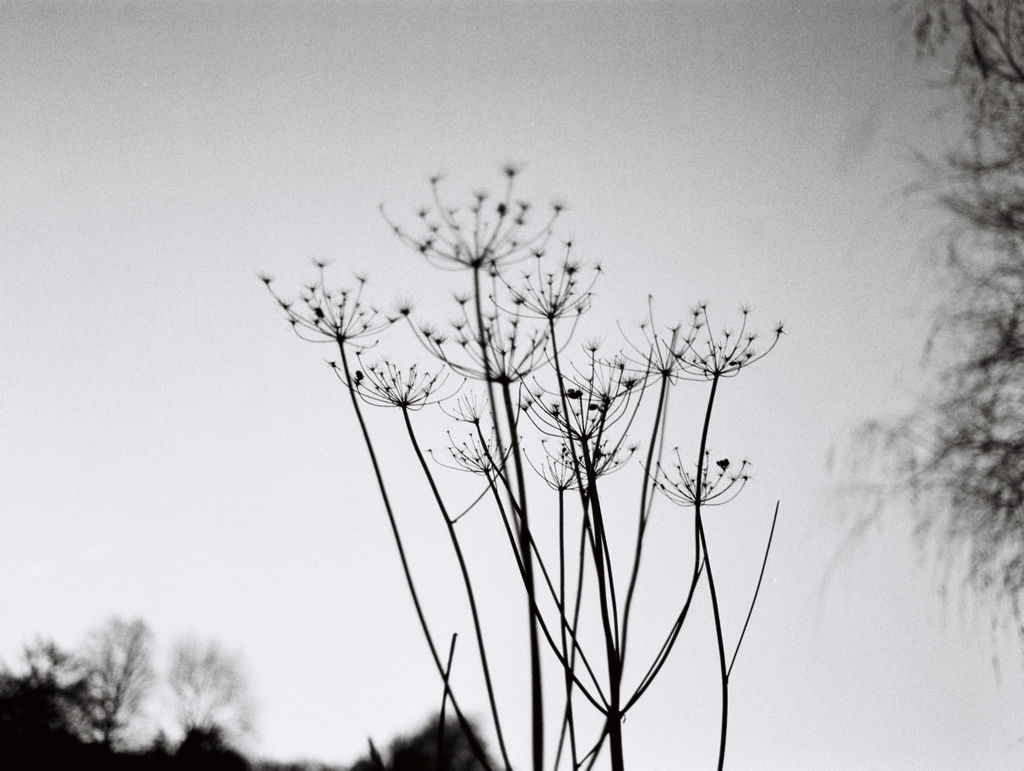
fine grain, high contrast - what more do you want? a great film
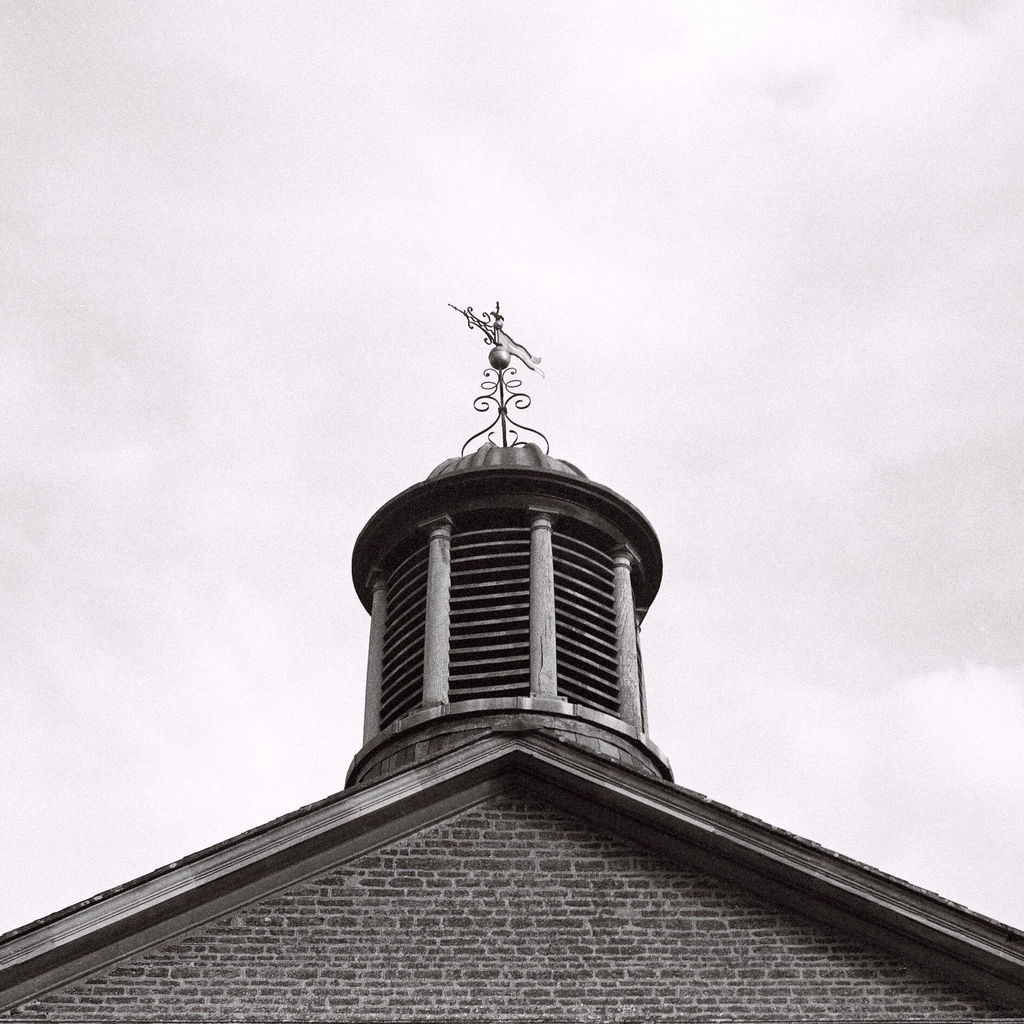
Returning to Tri-X 120 after forty years feels like coming home. It still has the same flexibility, tonal range and sympathetic grain - and that extra speed that increases the scope for hand-held work. It's not cheap, but it is now my default film.
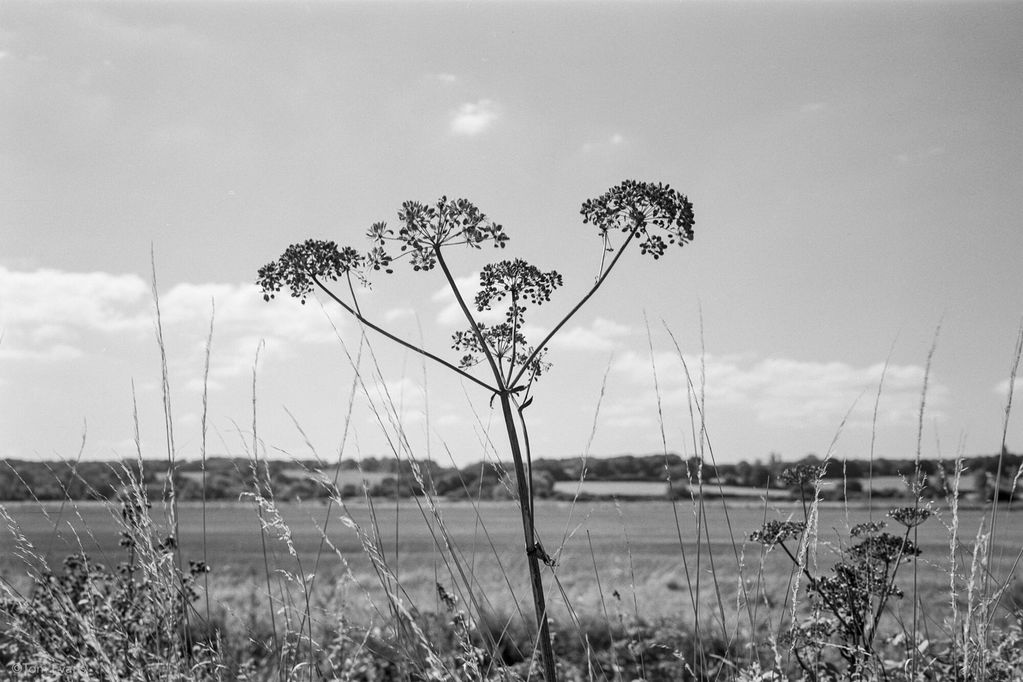
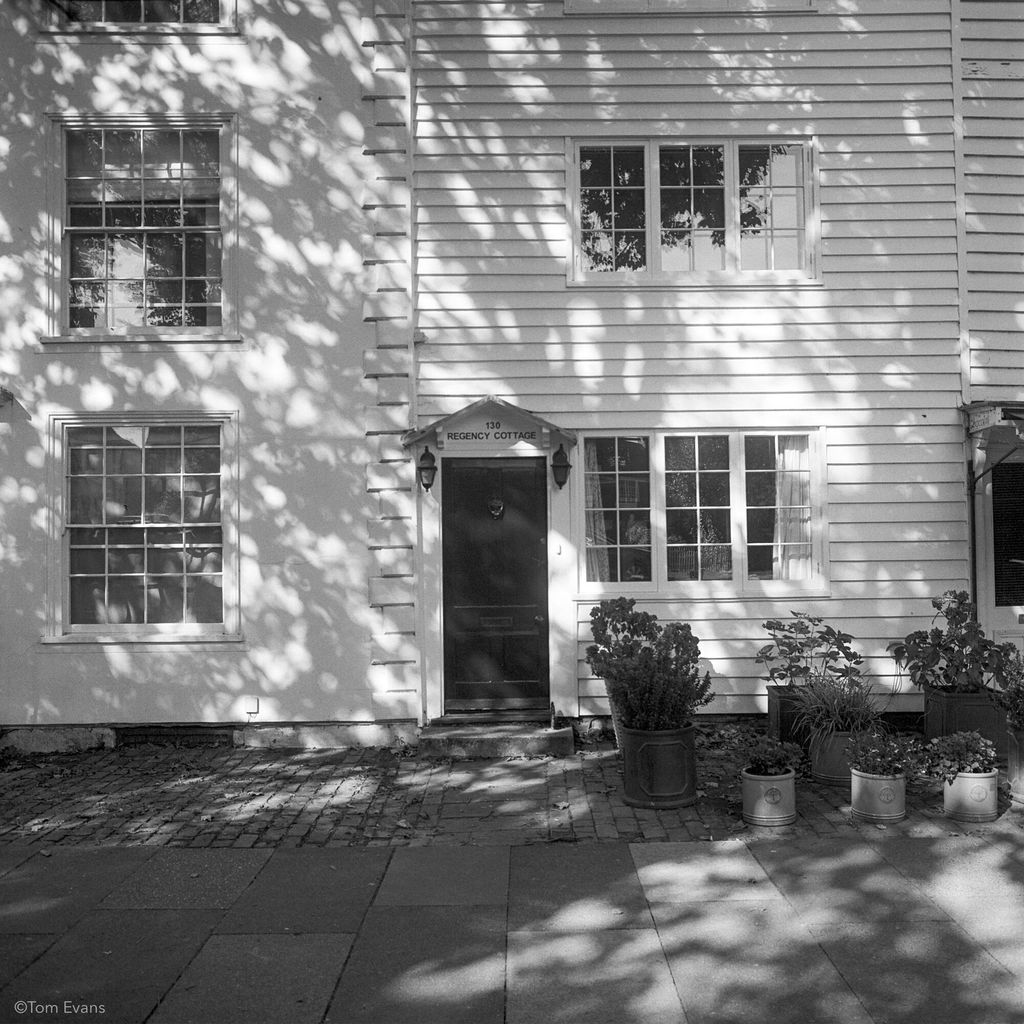

I've used Tri-X almost exclusively in the studio for the last 18 months (with a bit of TMAX too) and it delivers every time! It creates wonderful looks under studio lighting and works perfectly for that more haunting portrait aestehtic. Samples attached. See more at https://www.tedsmithphotography.co.uk/





I really like the diversity of this film as I used it for landscape and for portrait and it had great results for both. The film has a nice look that creates nice images with good contrast and tonality.
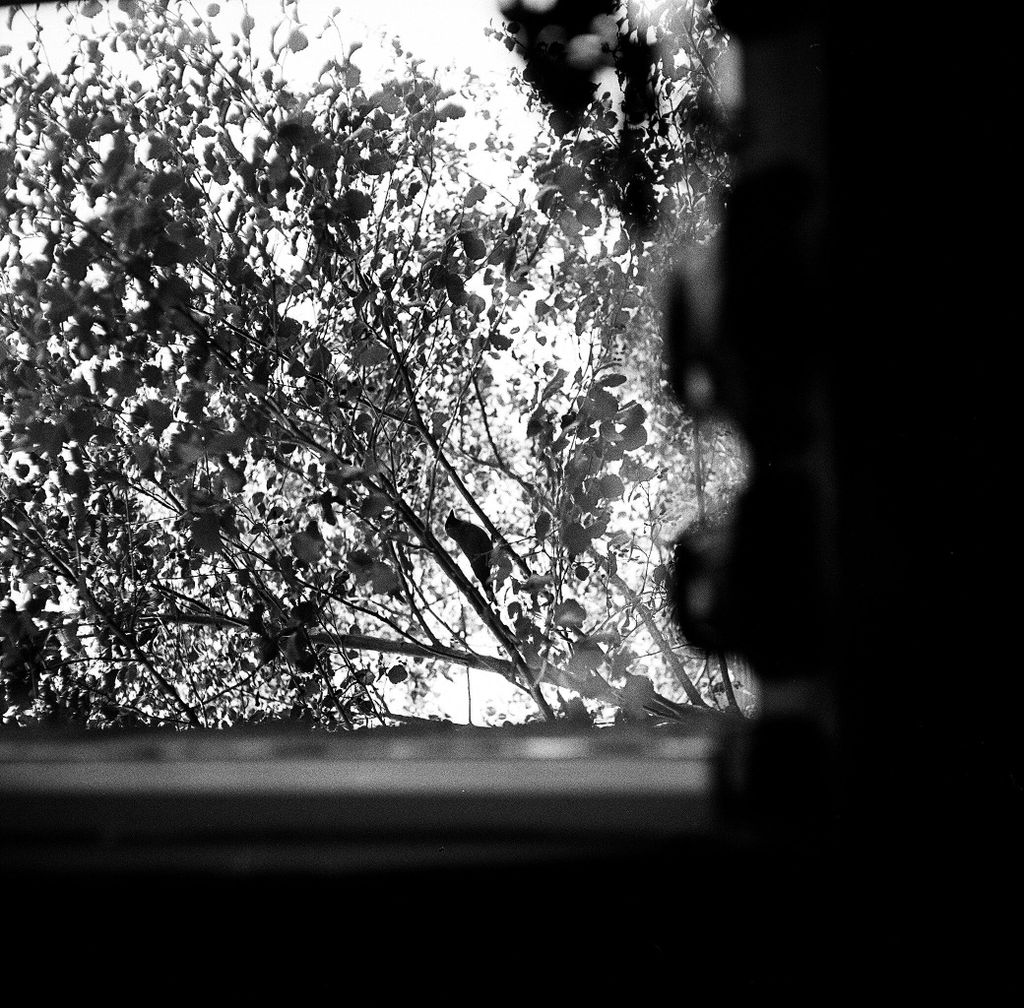

Just came back from a long trip to Shetland - been shooting this amazing film in the most extreme rainy weather imaginable. Results? Always the best, as expected!
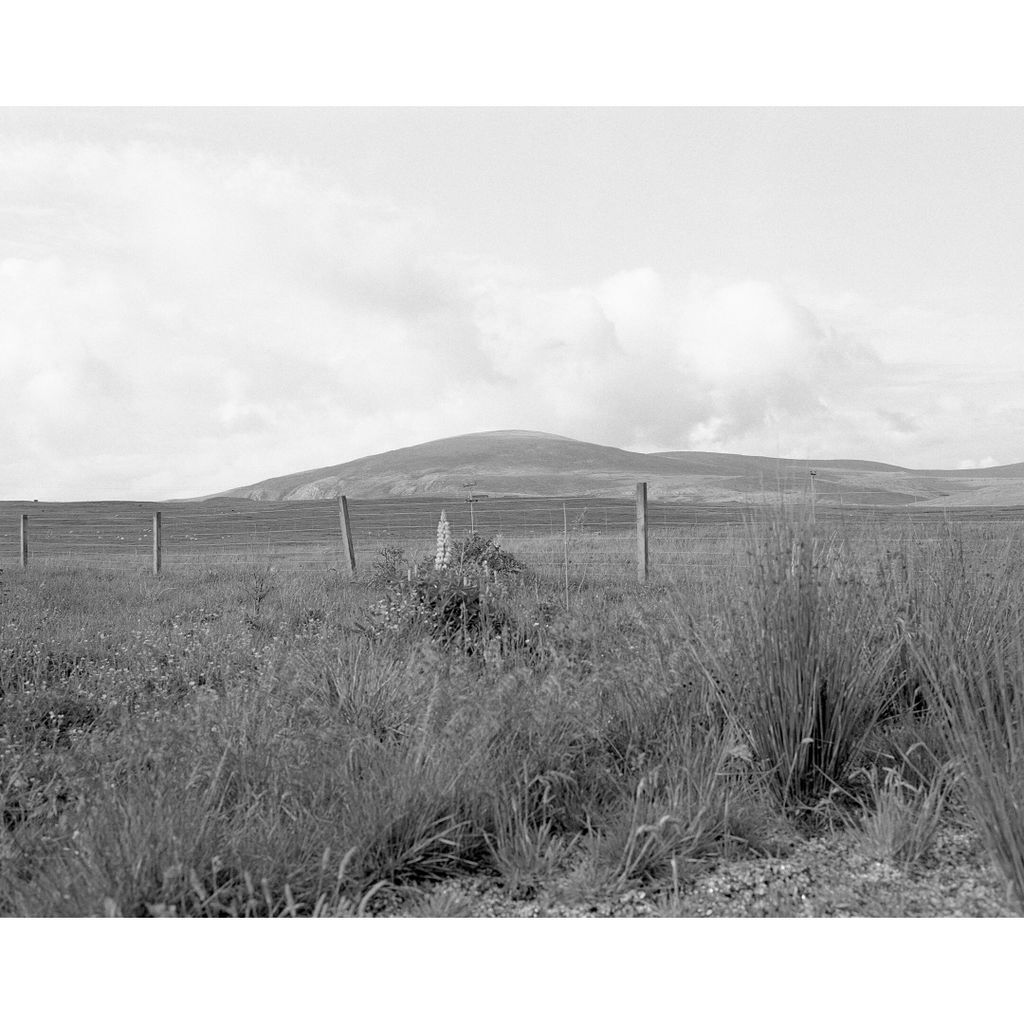
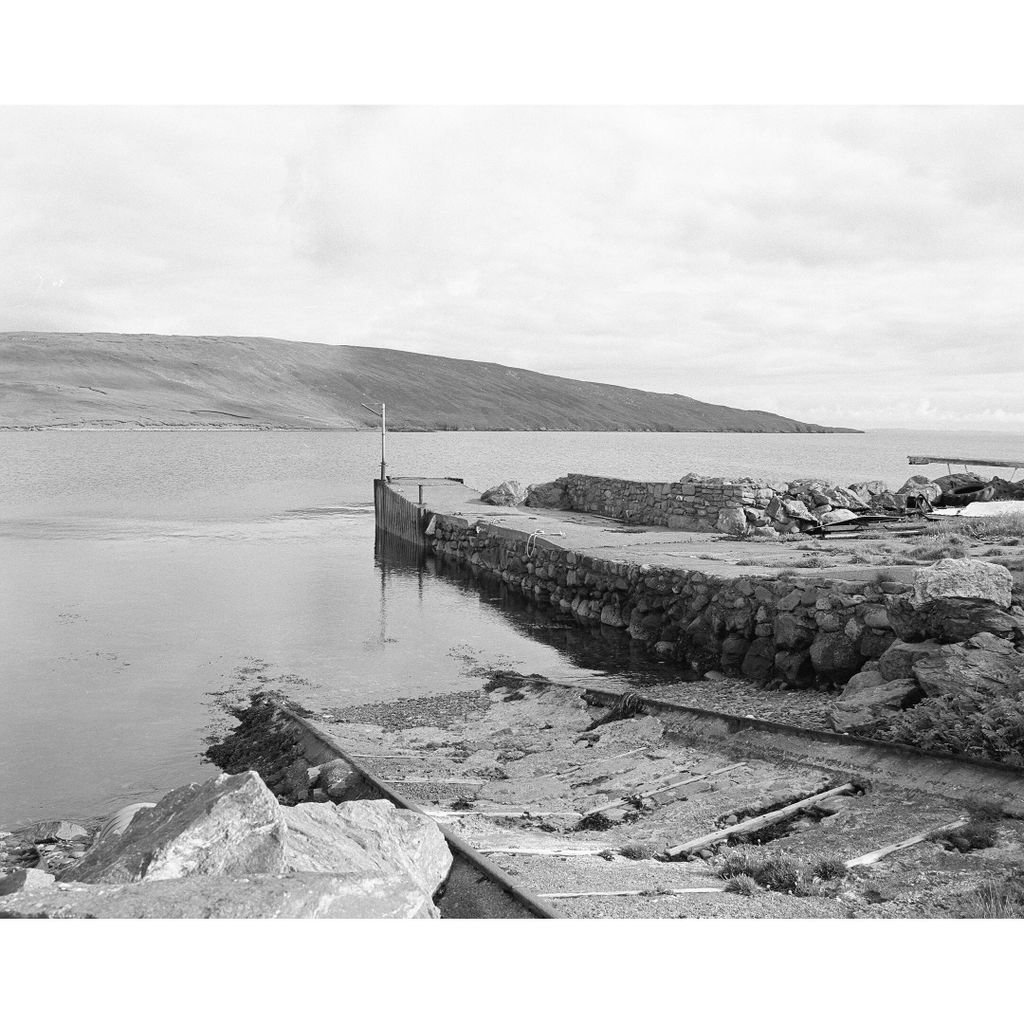
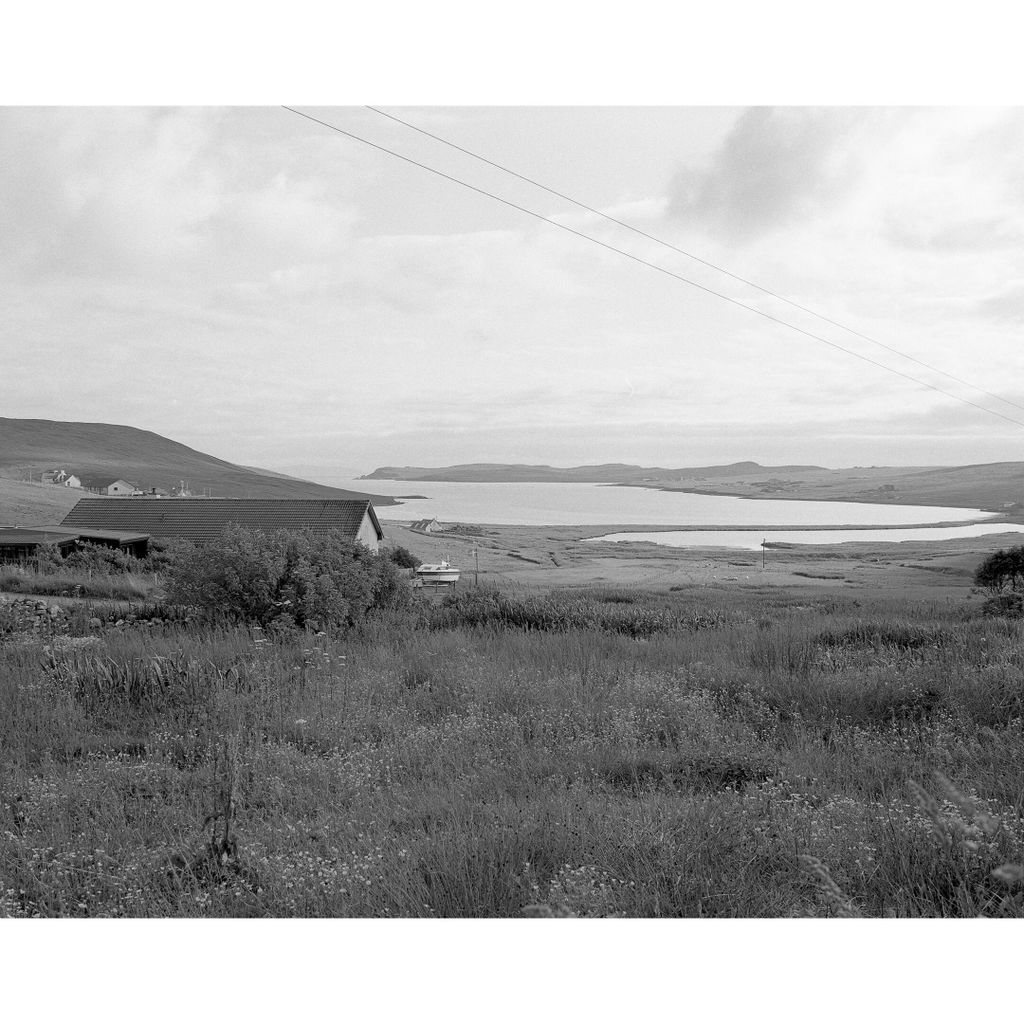
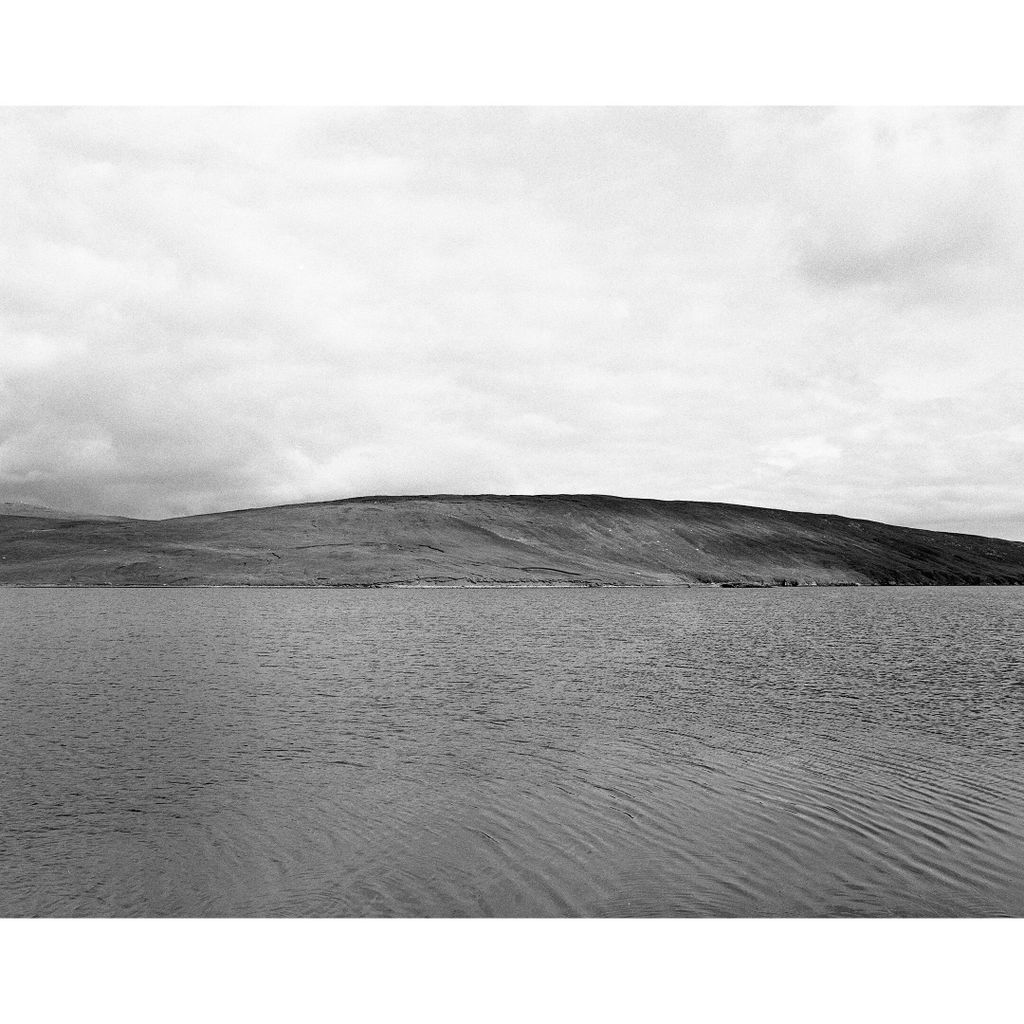
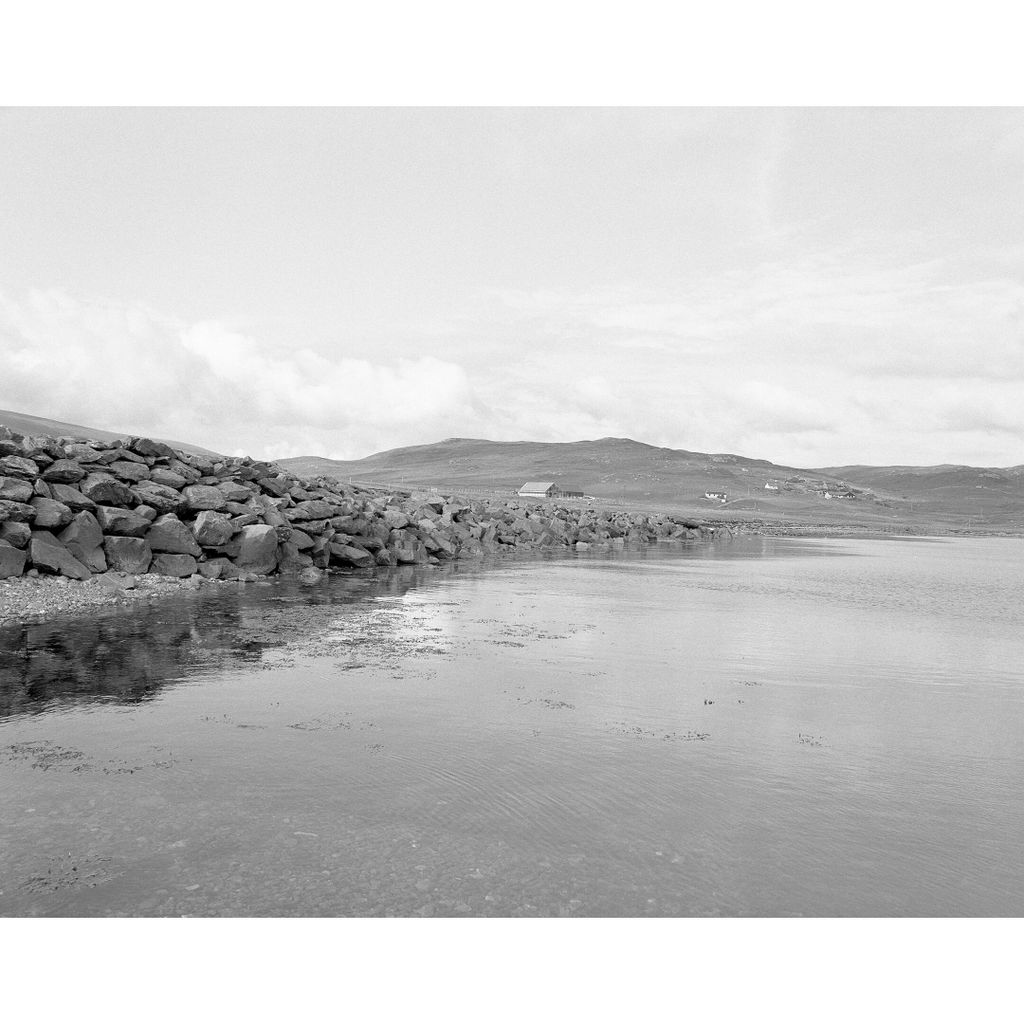
Kodak Tri-X, a film I once used almost exclusively back in the 1970s but these days is more of an occasional treat as the price differential between Ilford and Kodak continues to widen. However, a too-good-to-miss offer from AW had me reaching for my wallet and it did not disappoint. Great blacks, lovely contrast and a very pleasing grain - all the attributes that led me to shoot this so avidly all those years ago. In all honesty, if I could afford to this would be the only 400 speed film I bought, indeed it would probably be my everyday carry in both 120 and 35mm. Sample images Rolleicord
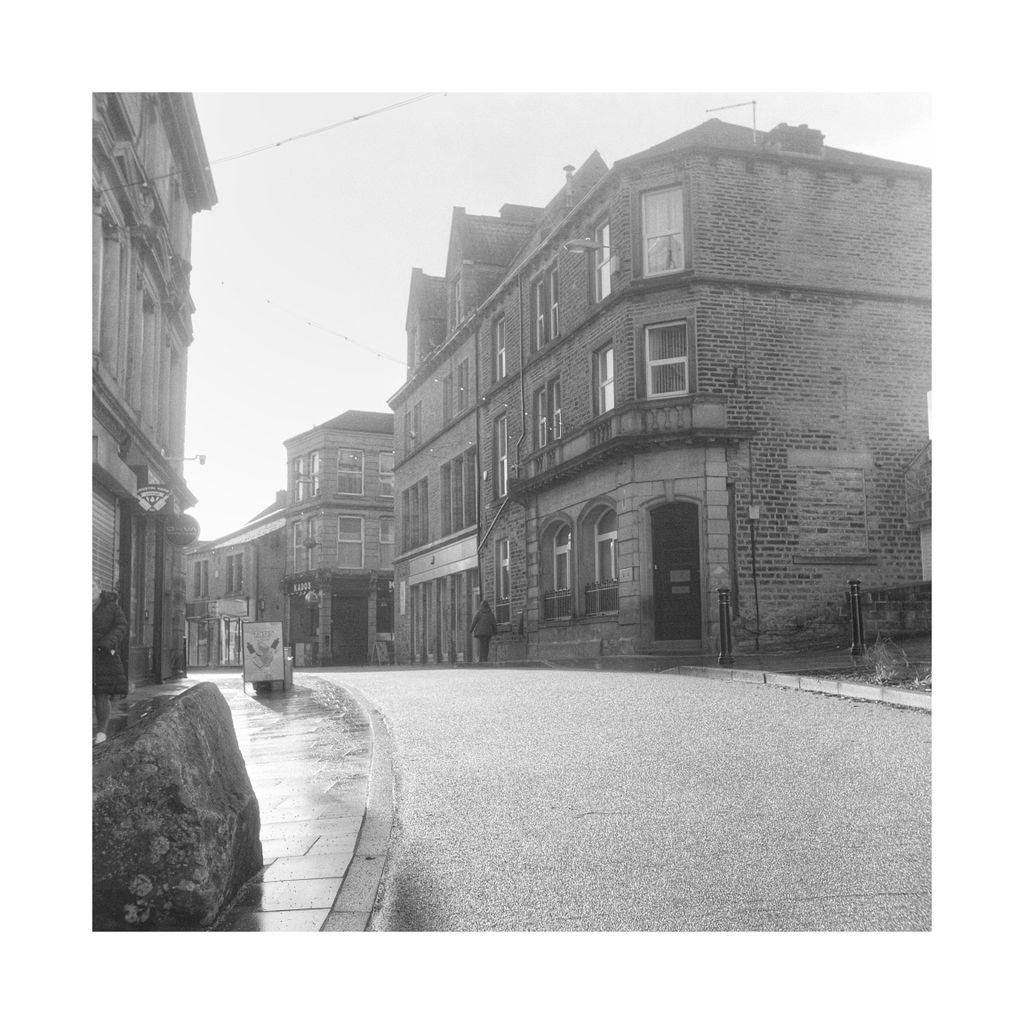
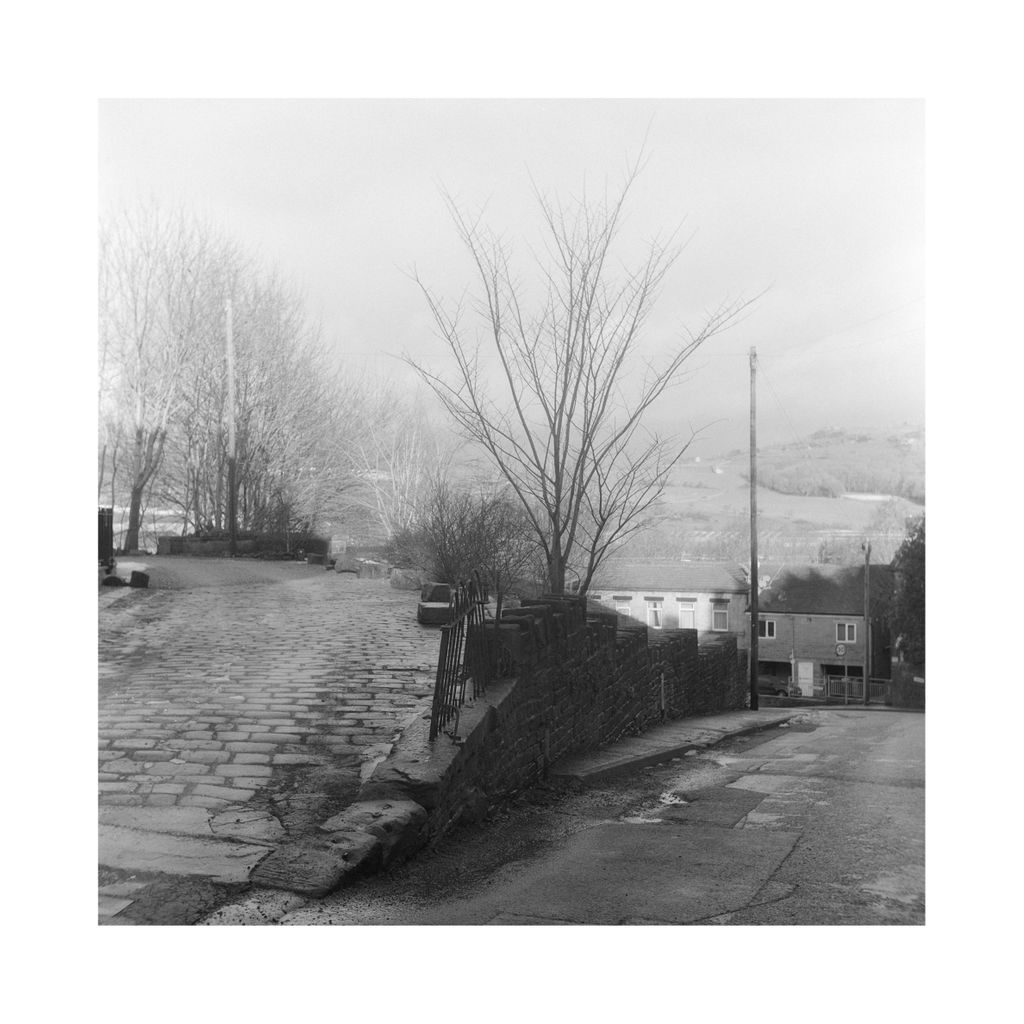
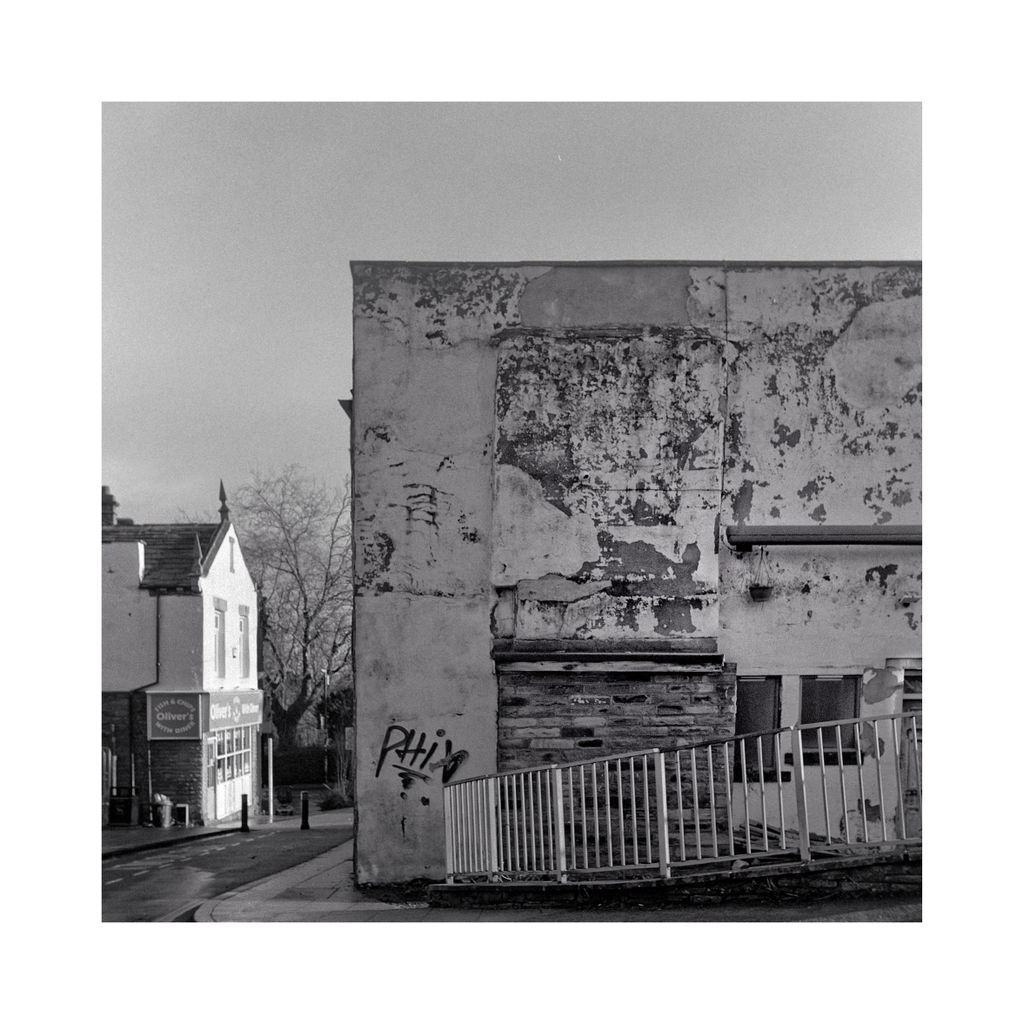
Can I ask expiry date on these tri x 400 120 films please ?
Hi Steve, all of our Tri-X 120 films (singular and 5 pack) expire in 2025.
- Amy