Description
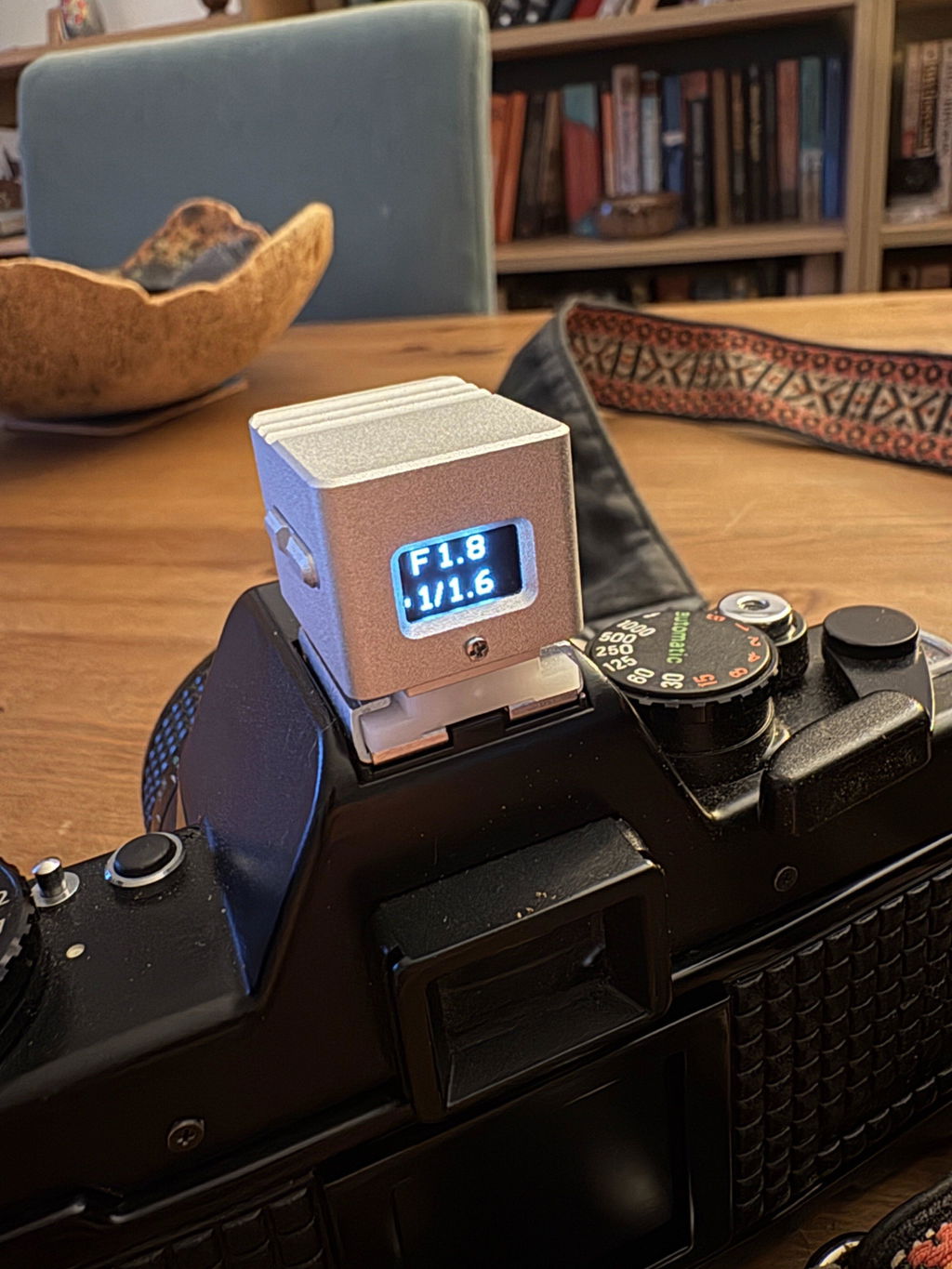
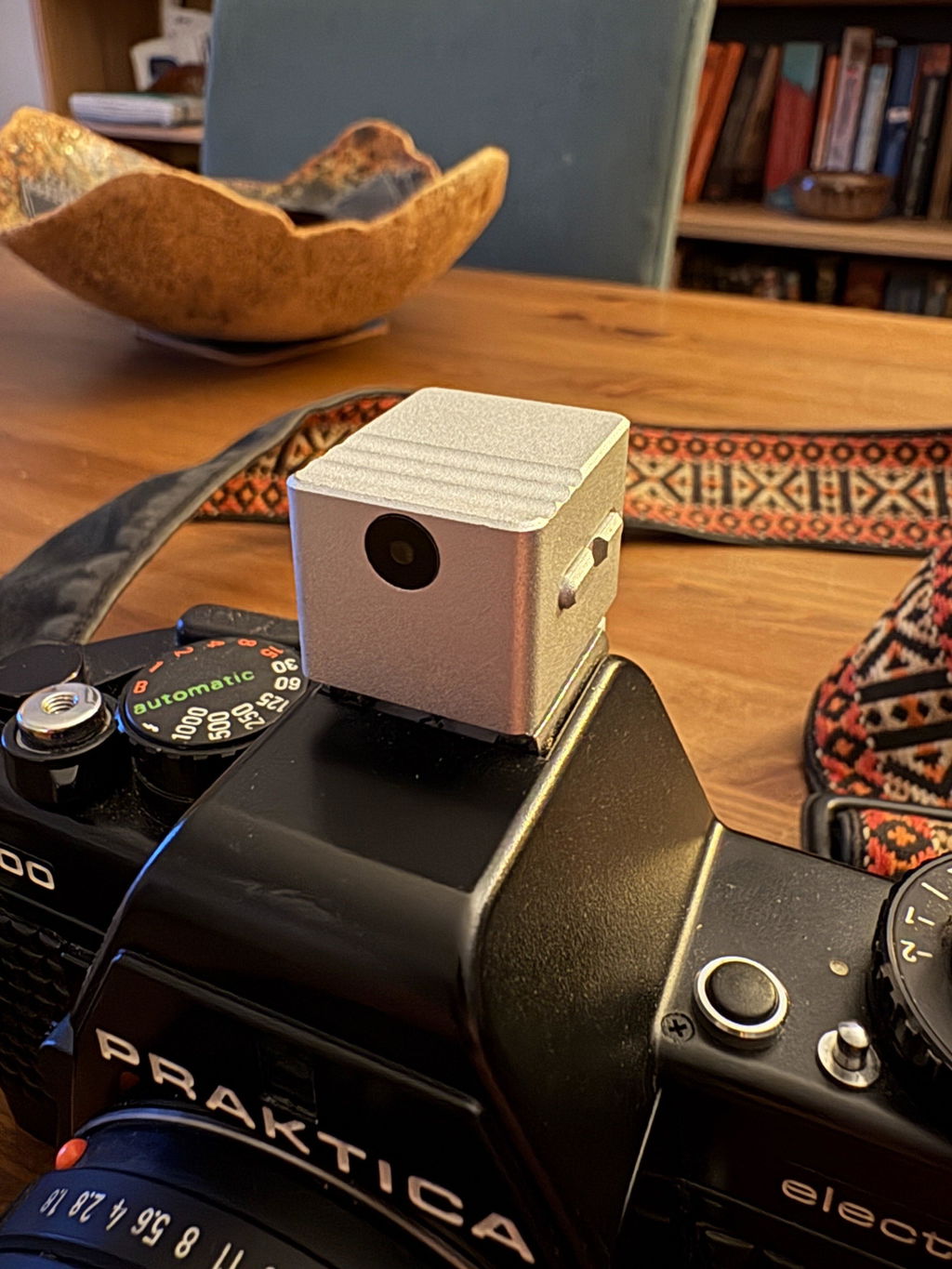
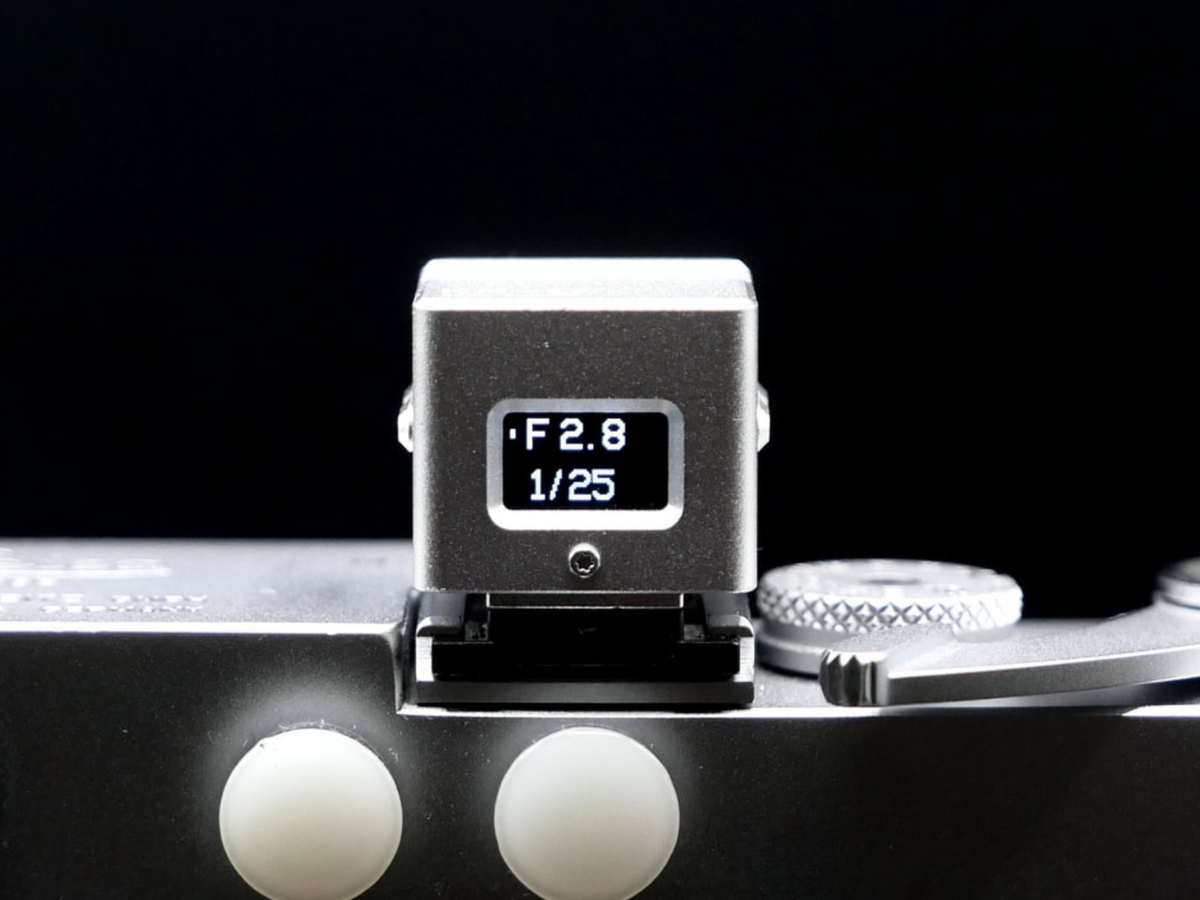
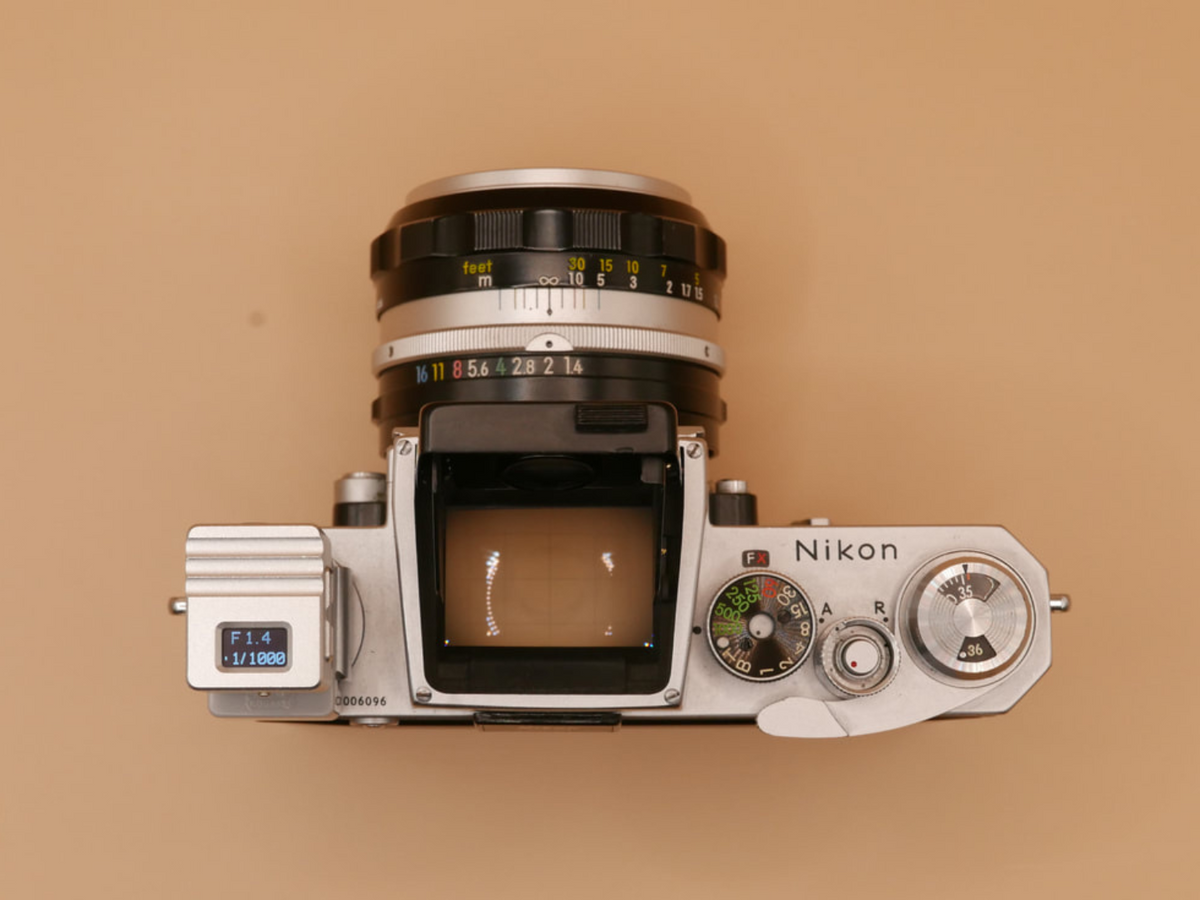
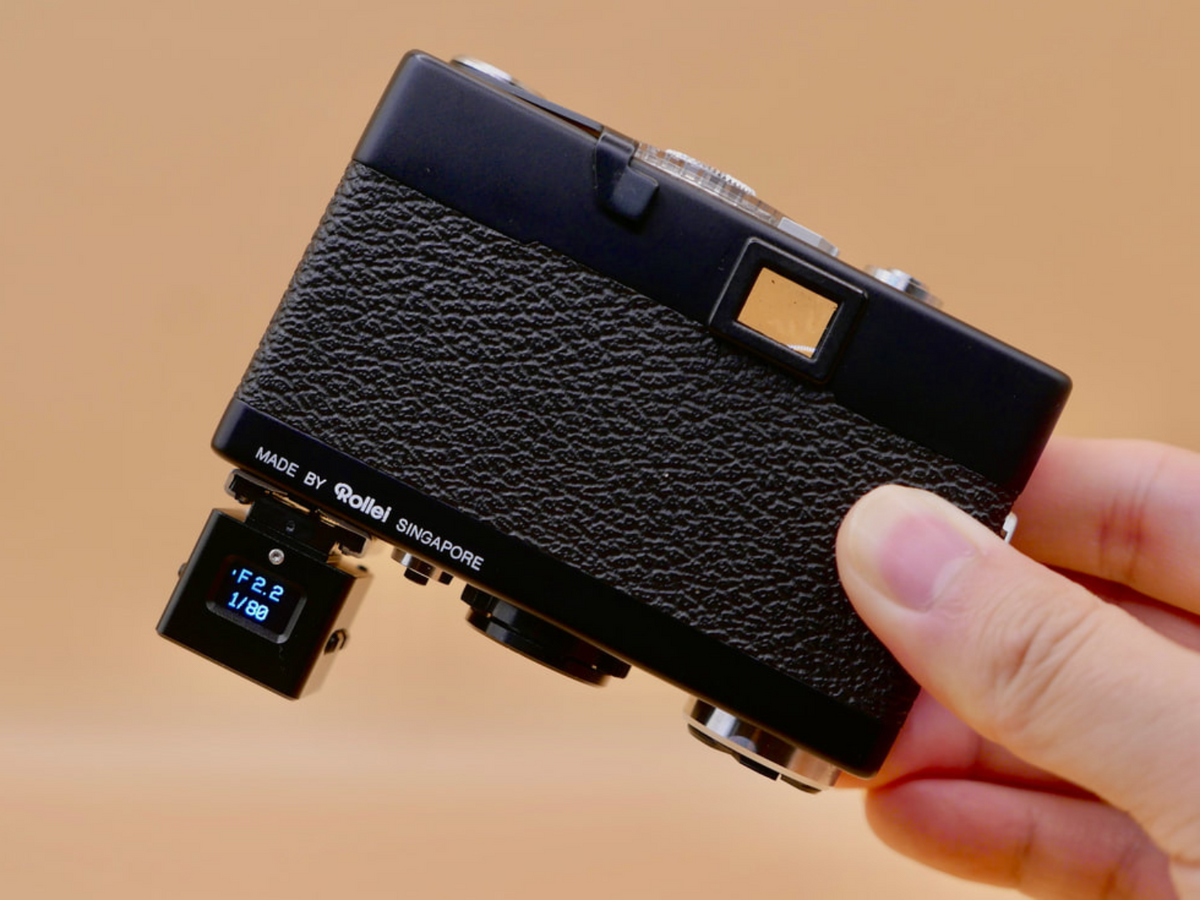
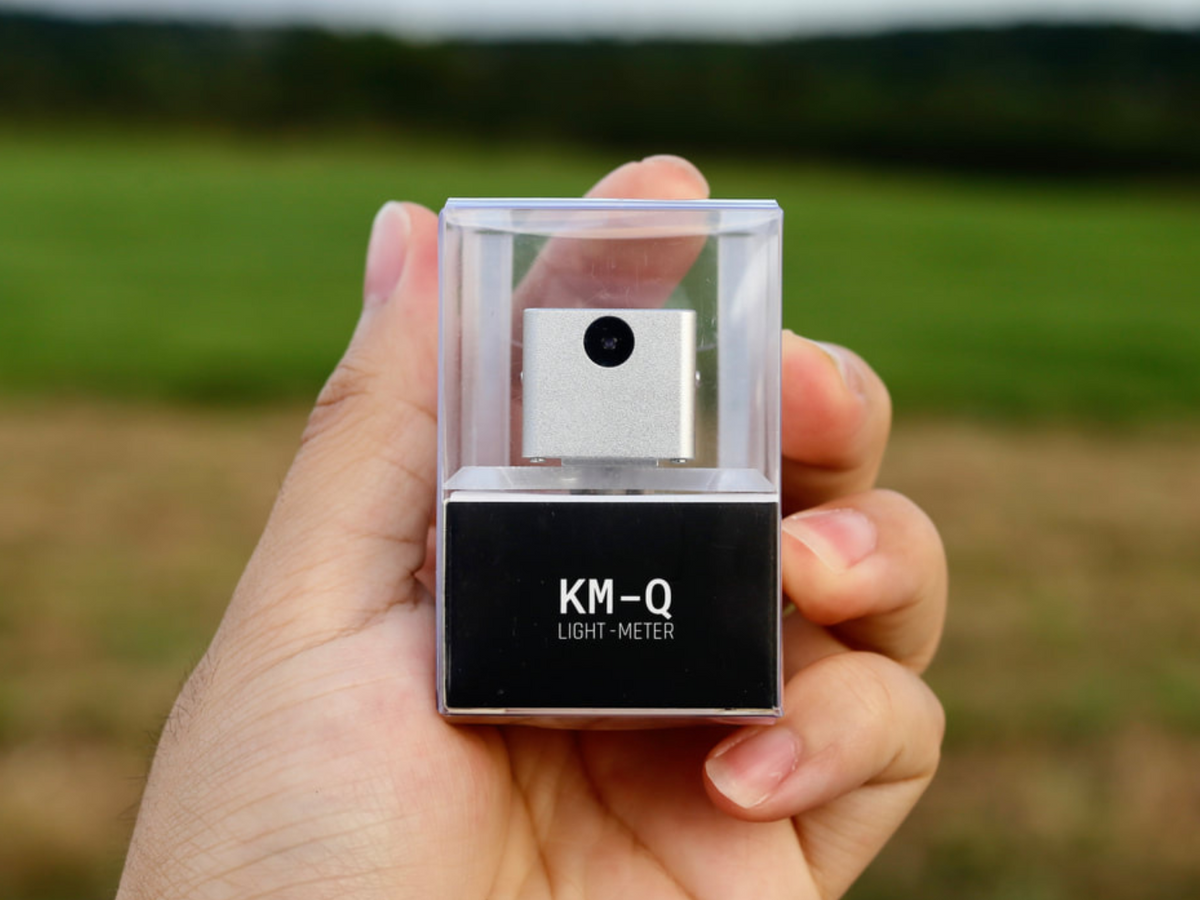
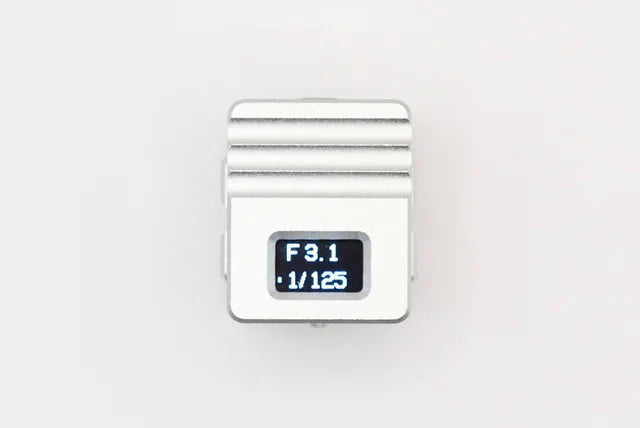
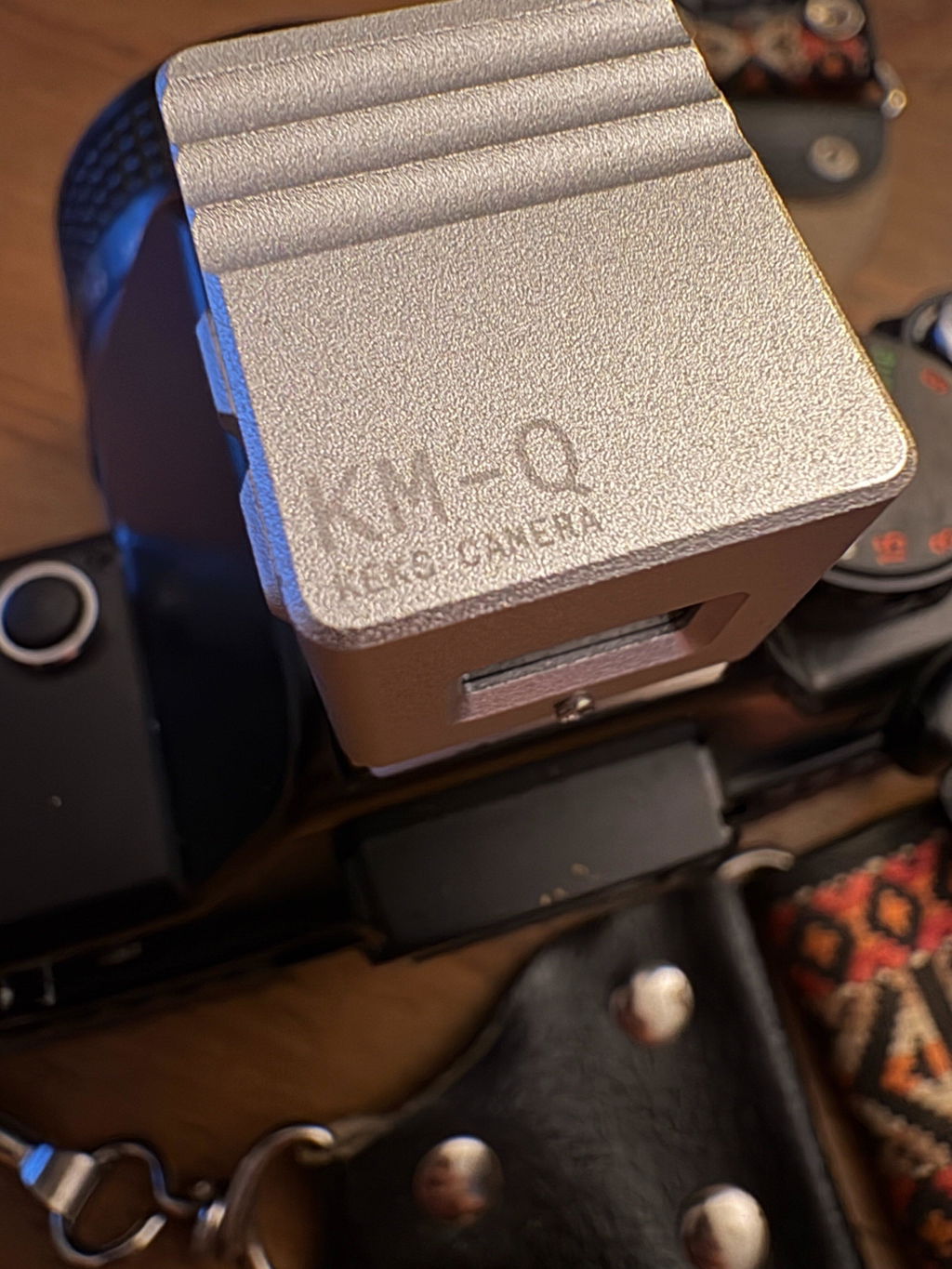
The KMQ is a compact modern light-meter designed to make your film photography life easier. Slot it into your film camera's hot-shoe slot and it will begin calculating exposure settings with remarkable accuracy and speed! Never miss a shot again.
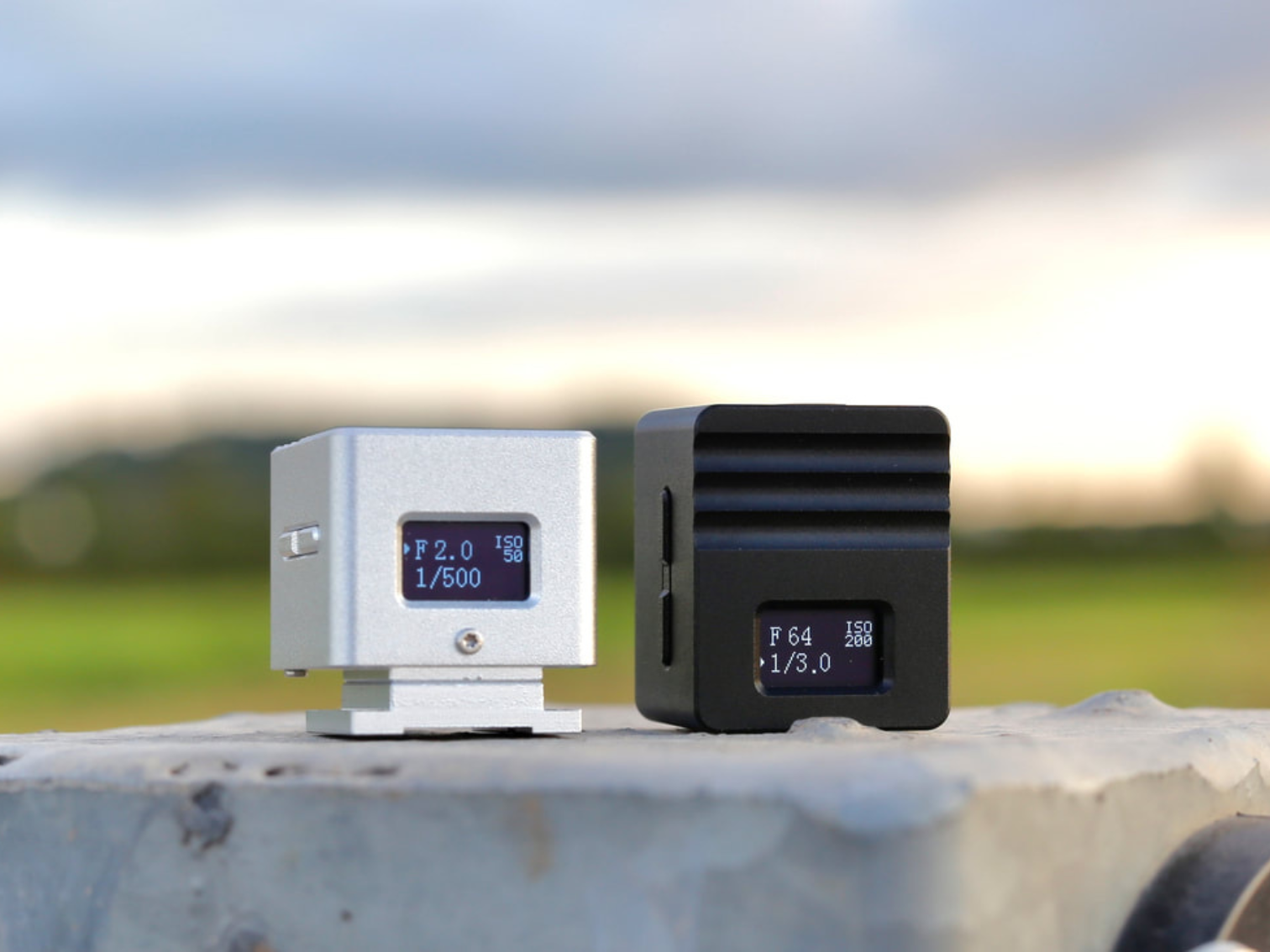
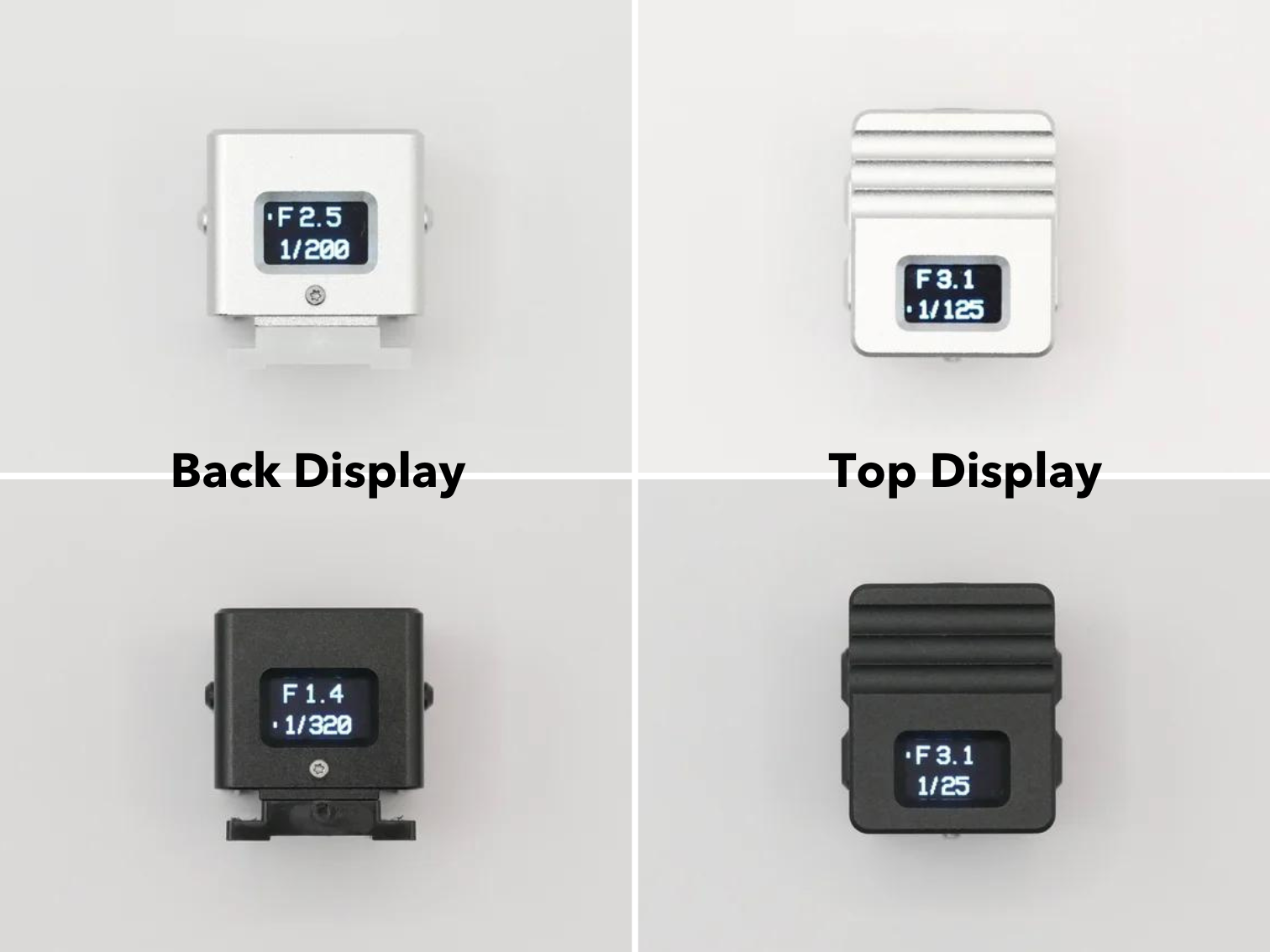
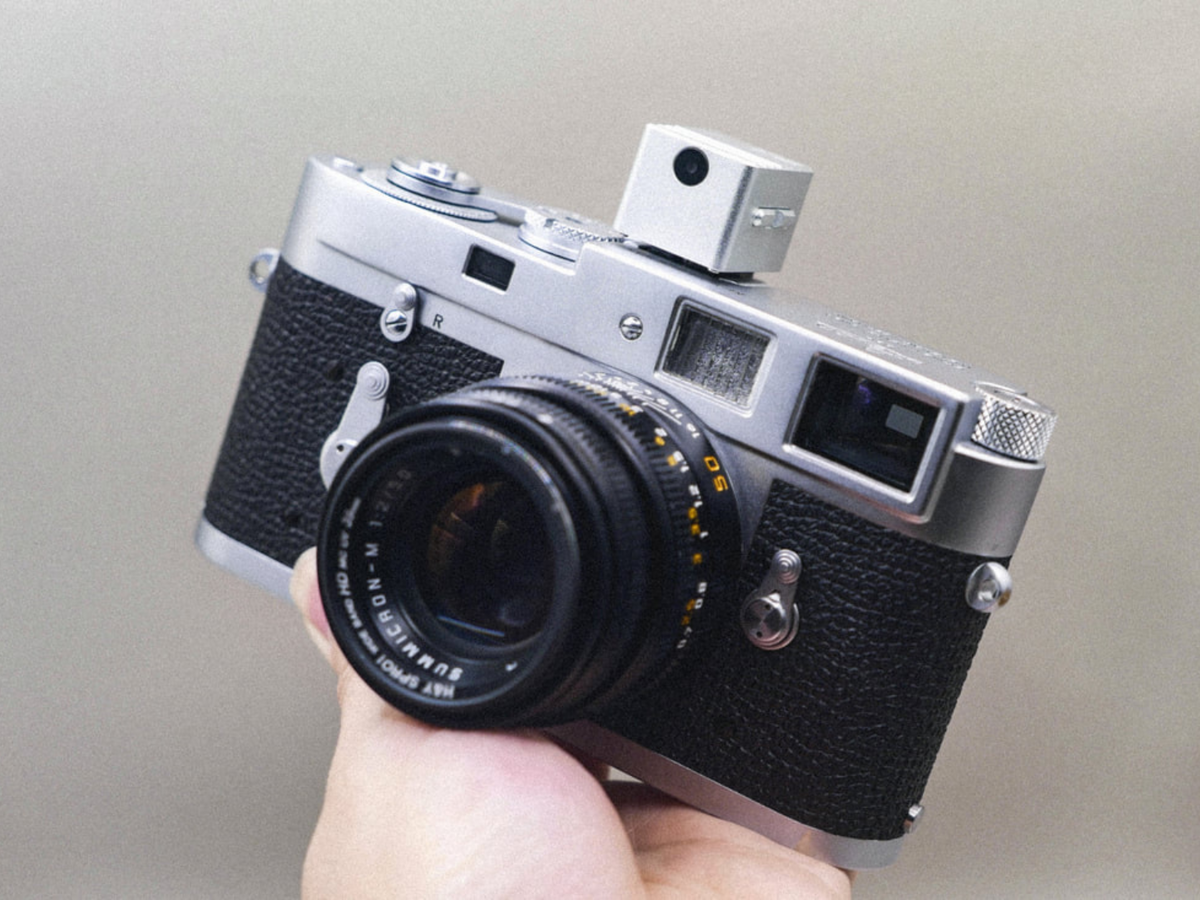
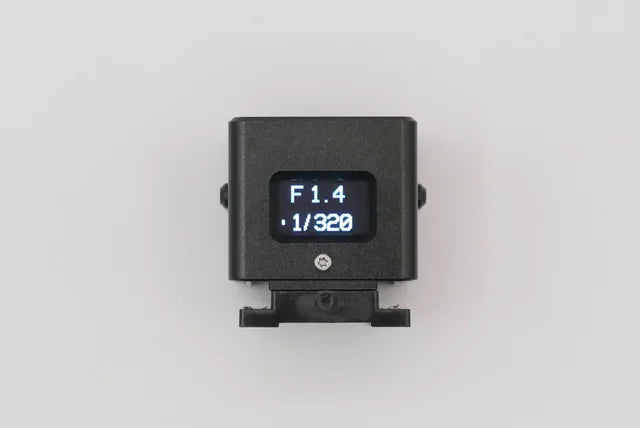
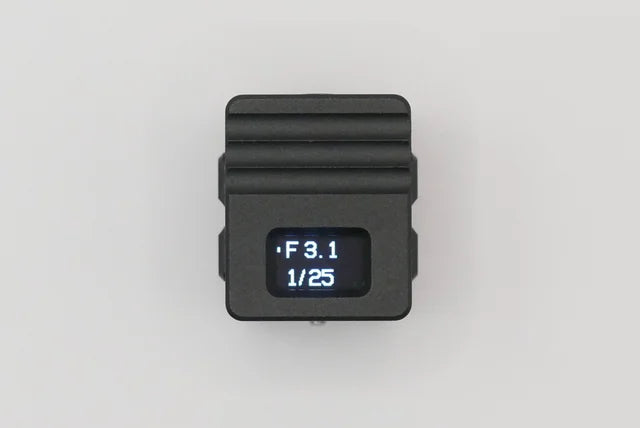
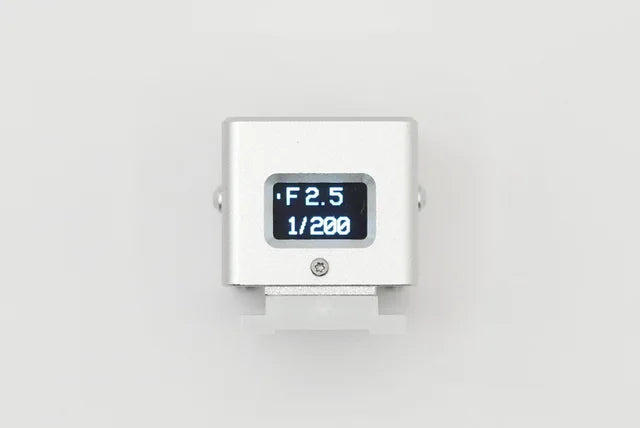
The KMQ light-meter is made from aluminium and is available in two different colours and with two different orientations of display (back or top) - so you can choose the right orientation of light-meter to match your camera and shooting style.
Each unit comes with three different show mount sizes to cover the vast majority of second hand film cameras from the past century, so you will be able to slot it in and start shooting.
The Keks KMQ charges via USB-C input (cable not included) and each charge should last minimum of 20 hours of always-on use.
If you need more settings, more information on the display, or the ability to store (up to 3) camera/lens settings in your light meter then consider the Keks KM02.
Specifications
| Monitor | 1.07cm / 0.42" OLED |
| Metering View | 30 degrees (approx 50mm lens view on 35mm full frame) |
| Aperture Values | Between F/1.0 - F/64 |
| Shutter Speeds | Between 1/6400s - 30 seconds |
| ISO Values | Between 50 - 80,000 |
| Metering Mode | Single or Continuous |
| Exposure Modes | Aperture or Shutter Priority |
| Size | 21 x 25.5 x 22 mm |
| Weight (unboxed) | 18.5g |
Payment & Security
Your payment information is processed securely. We do not store credit card details nor have access to your credit card information.
Customers also bought these
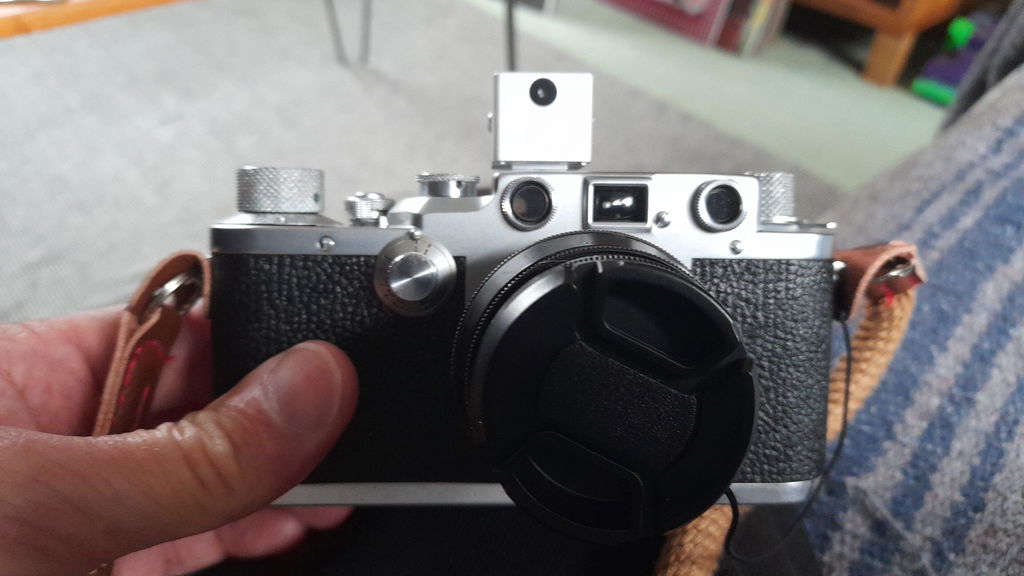
Good stuff- it's small, nicely made, lcd screen is bright and clear, fits nicely on the leica iiic without blocking anything (other than the shutter speed mark which shouldnt be an issue)
Not so good stuff - ive had to use the secret exposure compensation function to increase exposure time, and it appears to be like an average meter across the whole of the scene rather than having any kind of centre weighting so sky will hugely skew the reading. I'm intending to use it to meter off the ground to get around this
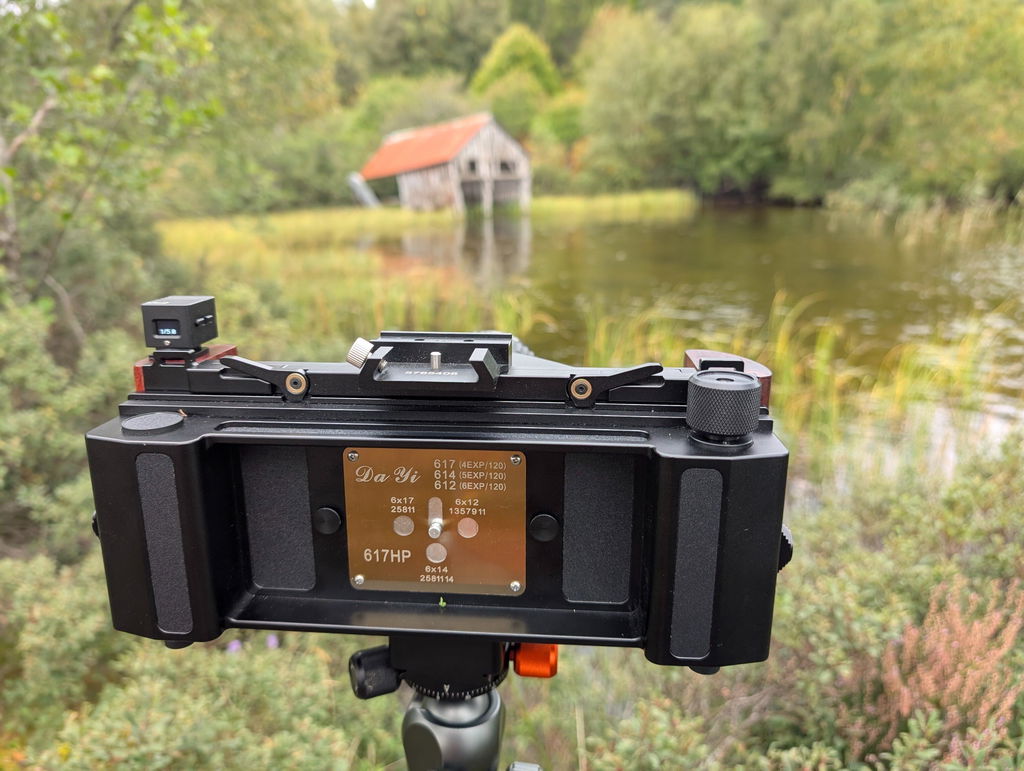
I have never bought a lightmeter before, most my cameras had functioning ones in the past... or I just "guestimated". But a new panoramic beast and the price of film these days forced me into a rethink, so I ordered a KM-Q.
It is absolutely fantastic! It lives in a 35mm film case in my big camera box and is deployed every exposure. The results have been spot on (from the light meter, the absolutely diabolic results have been entirely down to user error between me and the camera!). I was so impressed I bought it's bigger brother for another film camera... but in all honesty I think I prefer this little one generally.
It's one downside - changing ISO is a bit of a faff, which is less of a problem if you are using 35mm film in a 36 exposure roll, but when you get 4 shots to a film and change stock regularly....
I have just bought another camera with a selenium light meter that doesn't seem to work anymore so I can see another of these little lightmeters in my future. It's easier to have one for each camera so that I don't forget it because it is attached to something else!
The USB C charging is brilliant. Fast and efficient.
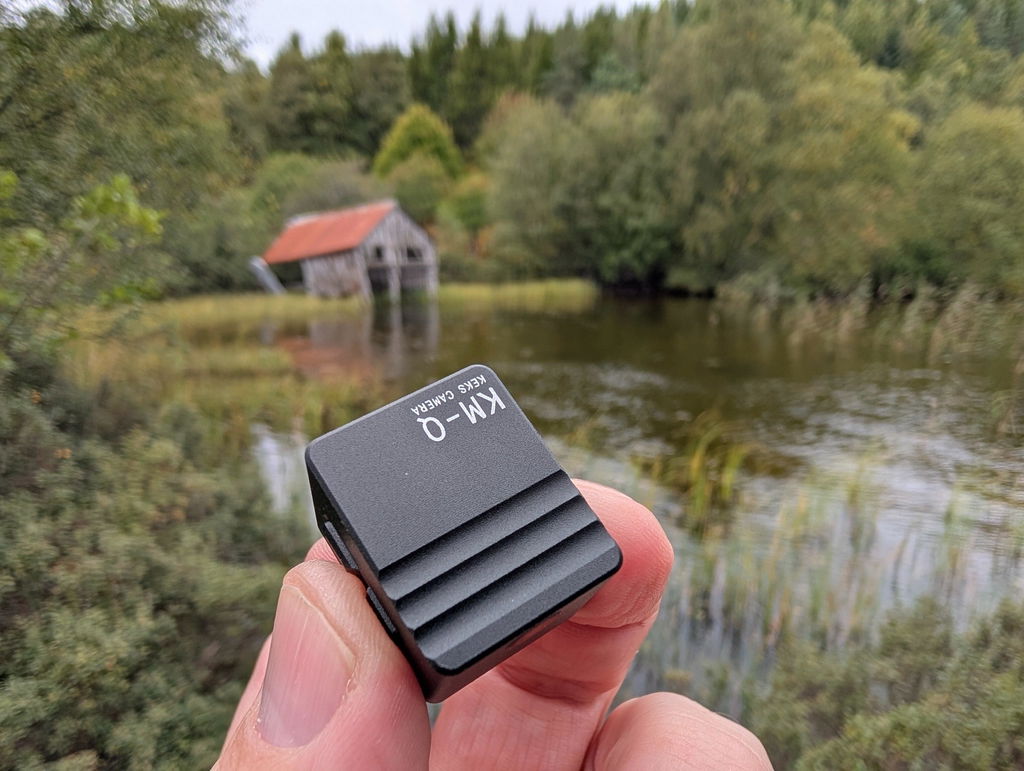
I love using this little light meter. everything about it is simplicity, with just a few buttons, which is all it needs, and despite the small size it has a very clear and readable display.
I got this in chrome (simply because I think it looks classy); and with the rear display, as I thought (and this has been borne out) I'd switch it on, frame through the viewfinder, then pull back slightly to see what the read-out is saying for exactly what I'm looking at.
A previous review didn't like that the screen switches off after 20 seconds, but I guess it's horses for courses. I prefer that it does this - the way I shoot with it means I've never had it switch off without seeing, and remembering, the setting (mainly because I also decide on either the aperture I want, or shutter speed, before then switching it on, so I then only need to remember one of the numbers). But mainly I like this because it means I never have to worry about forgetting to switch it off, so don't run down the battery.
It could do with a readout of battery strength, maybe just briefly as you switch it on; and while the different size base plates, to take account of different cold / hot shoe mounts, are welcome, the teeny allen screws are fiddly, and just waiting to get lost at some point.
But those are minor quibbles. This seems to work perfectly, and while it certainly ticks the 'form' box, it's also heavily leaning towards excellent 'function'.
The KMQ is a nice little hot/ cold shoe mounted light meter, I used it on my Voigtlander Vitessa, loaded the camera with Kodak Gold 200. It handled the sunny day in Margate very well, got the film back and the negatives were all exposed correctly.
The small buttons I found at first a bit fiddly, but after using it for a while they were okay.
I would recommend the KMQ, compact, nice design and accurate.
The Dreamland image has not been played with, it is a straight scan from Analogue Wonderland.
Good stuff- it's small, nicely made, lcd screen is bright and clear, fits nicely on the leica iiic without blocking anything (other than the shutter speed mark which shouldnt be an issue)
Not so good stuff - ive had to use the secret exposure compensation function to increase exposure time, and it appears to be like an average meter across the whole of the scene rather than having any kind of centre weighting so sky will hugely skew the reading. I'm intending to use it to meter off the ground to get around this
I have never bought a lightmeter before, most my cameras had functioning ones in the past... or I just "guestimated". But a new panoramic beast and the price of film these days forced me into a rethink, so I ordered a KM-Q.
It is absolutely fantastic! It lives in a 35mm film case in my big camera box and is deployed every exposure. The results have been spot on (from the light meter, the absolutely diabolic results have been entirely down to user error between me and the camera!). I was so impressed I bought it's bigger brother for another film camera... but in all honesty I think I prefer this little one generally.
It's one downside - changing ISO is a bit of a faff, which is less of a problem if you are using 35mm film in a 36 exposure roll, but when you get 4 shots to a film and change stock regularly....
I have just bought another camera with a selenium light meter that doesn't seem to work anymore so I can see another of these little lightmeters in my future. It's easier to have one for each camera so that I don't forget it because it is attached to something else!
The USB C charging is brilliant. Fast and efficient.
I love using this little light meter. everything about it is simplicity, with just a few buttons, which is all it needs, and despite the small size it has a very clear and readable display.
I got this in chrome (simply because I think it looks classy); and with the rear display, as I thought (and this has been borne out) I'd switch it on, frame through the viewfinder, then pull back slightly to see what the read-out is saying for exactly what I'm looking at.
A previous review didn't like that the screen switches off after 20 seconds, but I guess it's horses for courses. I prefer that it does this - the way I shoot with it means I've never had it switch off without seeing, and remembering, the setting (mainly because I also decide on either the aperture I want, or shutter speed, before then switching it on, so I then only need to remember one of the numbers). But mainly I like this because it means I never have to worry about forgetting to switch it off, so don't run down the battery.
It could do with a readout of battery strength, maybe just briefly as you switch it on; and while the different size base plates, to take account of different cold / hot shoe mounts, are welcome, the teeny allen screws are fiddly, and just waiting to get lost at some point.
But those are minor quibbles. This seems to work perfectly, and while it certainly ticks the 'form' box, it's also heavily leaning towards excellent 'function'.
The KMQ is a nice little hot/ cold shoe mounted light meter, I used it on my Voigtlander Vitessa, loaded the camera with Kodak Gold 200. It handled the sunny day in Margate very well, got the film back and the negatives were all exposed correctly.
The small buttons I found at first a bit fiddly, but after using it for a while they were okay.
I would recommend the KMQ, compact, nice design and accurate.
The Dreamland image has not been played with, it is a straight scan from Analogue Wonderland.

I’ve been using the KMQ for nearly a year and have found it to be perfect for my travel set up. I got it for my Leica iii barnack to help give me more accuracy and it was exactly what I needed, sitting neatly in the cold shoe and providing great results. I’ve since tested it side by side with a canon a-1 ttl meter and a Minolta cle ttl meter and found the results to match both camera’s internal meters.
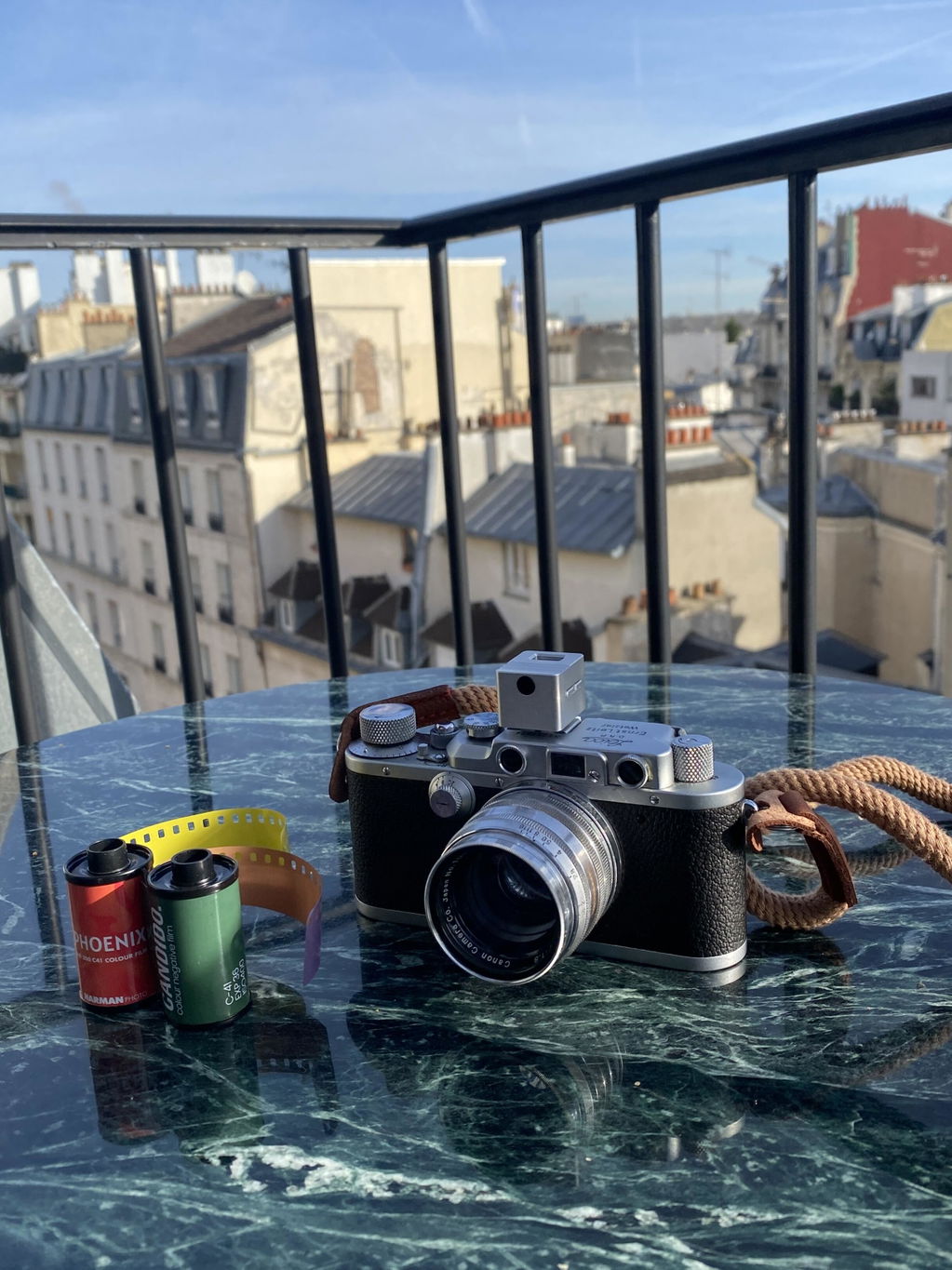
Good value and very accurate.
Pros;
Well built
Compact
Accurate
Cons;
Turns itself off after 20 seconds or so; far too soon.
No manual; even a QR code to a PDF would have been fine but Keks doesn't publish one. Why? What are you achieving by this?
A nice meter let down by some simple flaws. By the time you take you set up your exposure, compose and take the photo it's turned itself off again. Not much use if you want to reframe or forget the settings. A frustrating flaw to be honest.