

Features & Specification
Film Format: 120/220
Film Colour & Type: Black & White
ISO: 400
Grain: Normal
Contrast: High
Colour Balance: Not Applicable
Exposure Latitude: Moderate Latitude
DX Coding: No
Film Development Process: Black and White
Perfect for: 🏛️ Architecture, 🏔️ Landscapes, and 🧳 Travel
Description
Payment & Security
Your payment information is processed securely. We do not store credit card details nor have access to your credit card information.
Customers also bought these
Once I got my home film-scanning setup working properly, using the Valoi easy120, I could finally see just how special this film is.
The tonality is beautiful, and I love the amount of detail it captures. It really is a film worth scanning well. The difference compared with the standard lab scans is quite striking — they simply didn’t do the negatives justice.
Seeing what was actually there in the film has made me appreciate it even more.
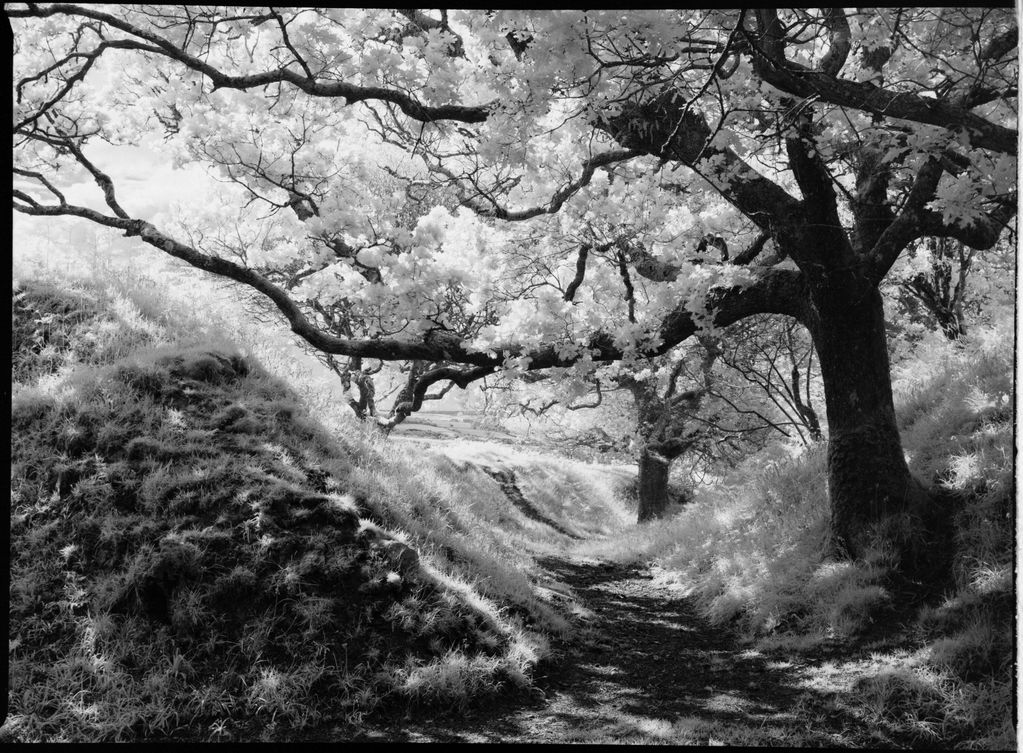
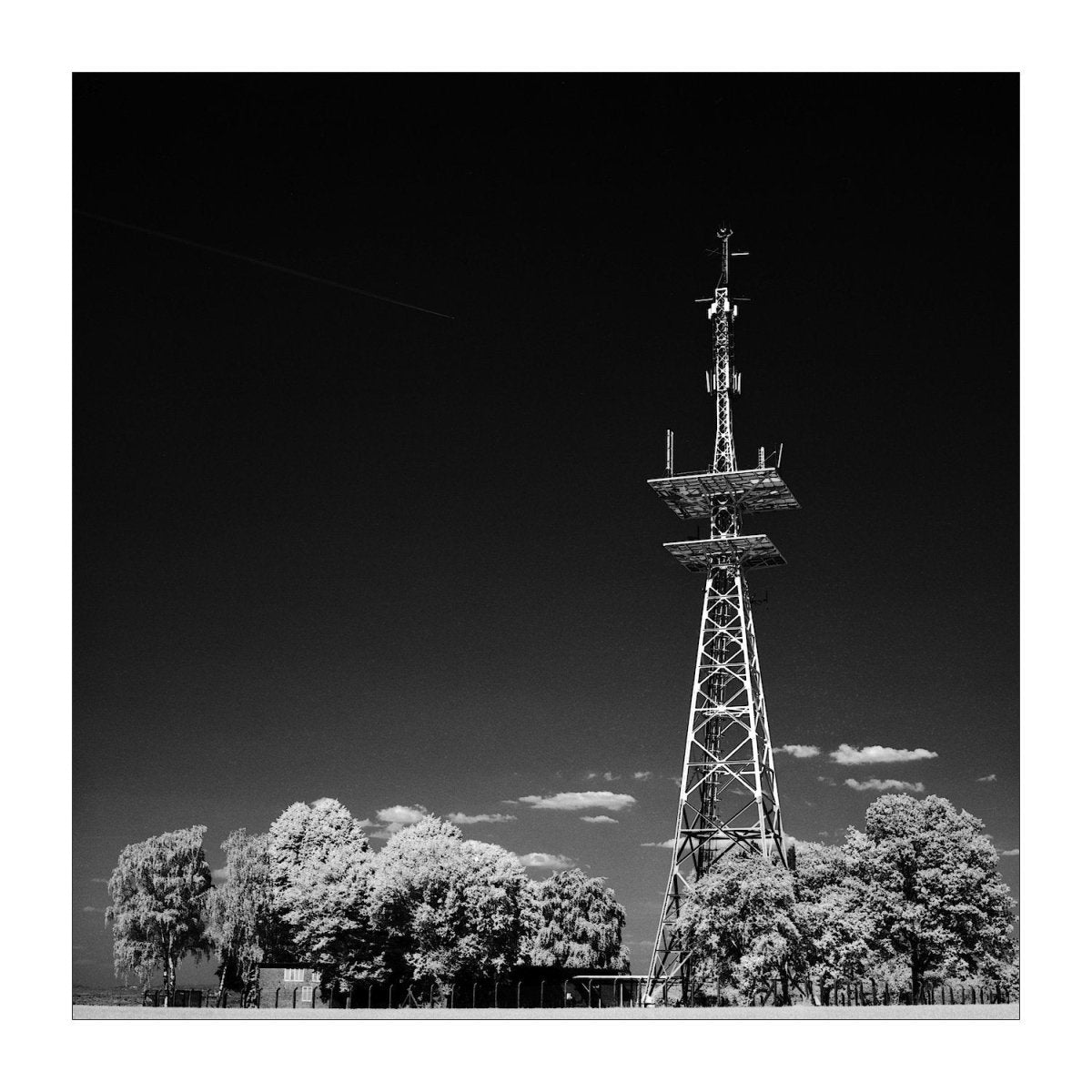
With an IR72 filter you can get some striking images - dark skies and white vegetation.
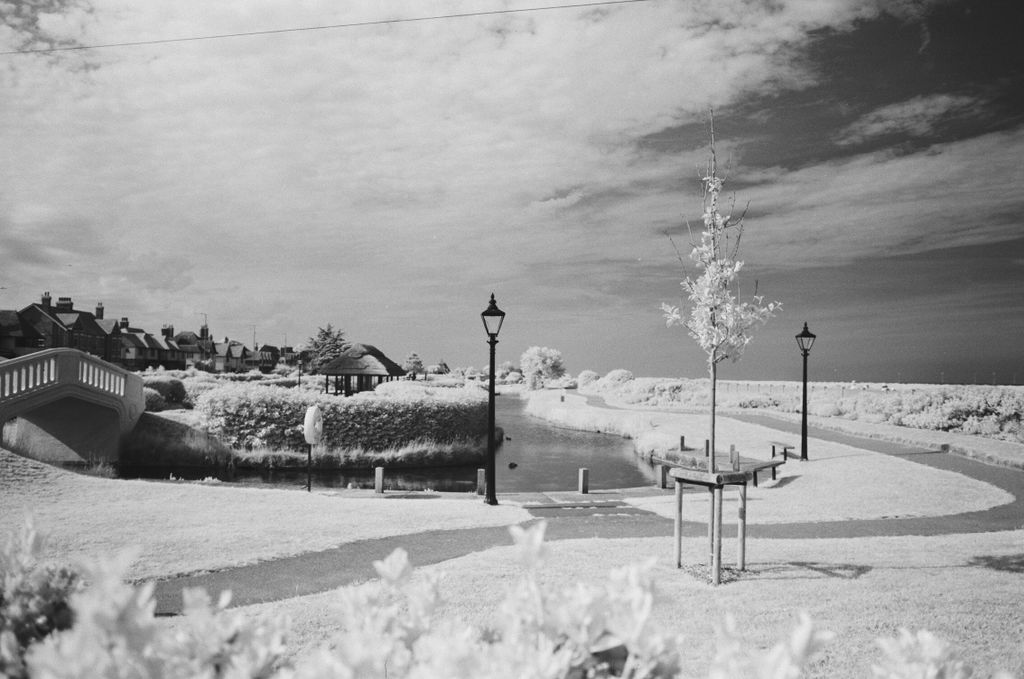
If you like to experiment and are prepared for the unexpected, this film might be for you. Don’t look upon any results as failures, call them learning experiences or opportunities for finding alternative solutions. And wow at some of the images you’ll unexpectedly get. Infrared reflectance is found in some weird places.
Don’t use gelatine filters or the ones which slide into holders. Exposure is long. The screw direct onto lens type of filters are best. Forget 400 ISO. The film is probably around 0.1 ISO or even less with the necessary filters. Be prepared to experiment. 720nm filters are recommended by the manufacturer. The performance graph suggests that the film has little or no response at 850nm, but it most certainly has some response. Direct visible light onto the filters and lens front causes strange effects, so avoid light coming straight at the lens. At EV7.5 at f/22 with the 720nm filter around 2 minutes exposure seems about right, and 24 minutes using the 850nm filter.
Would I recommend this film? CERTAINLY.
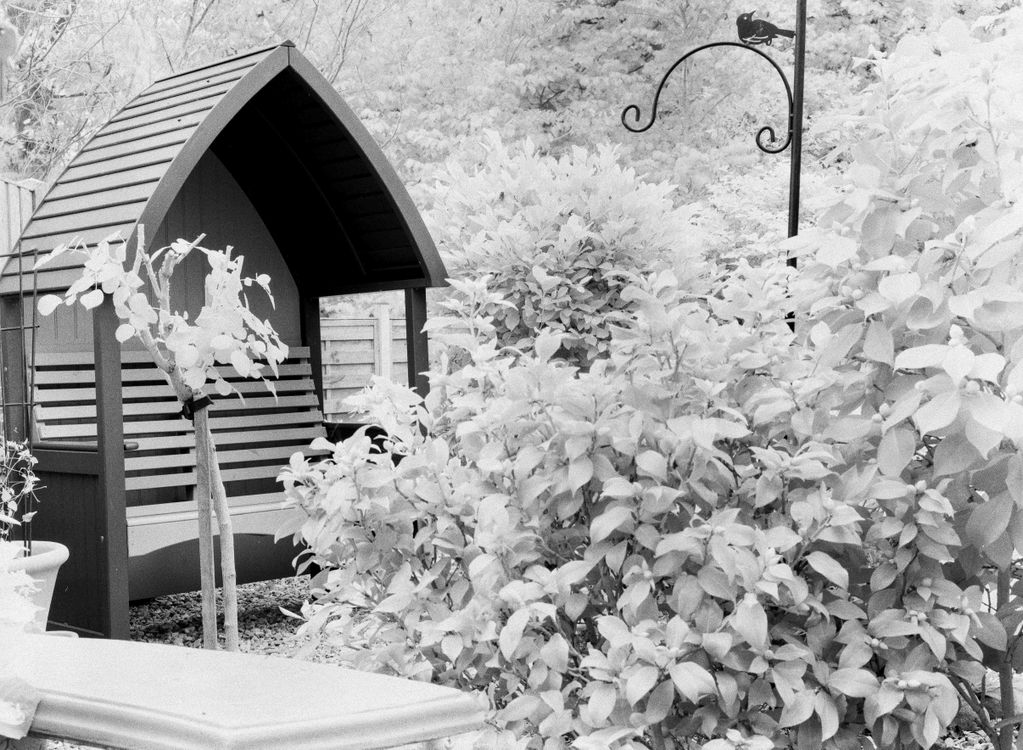
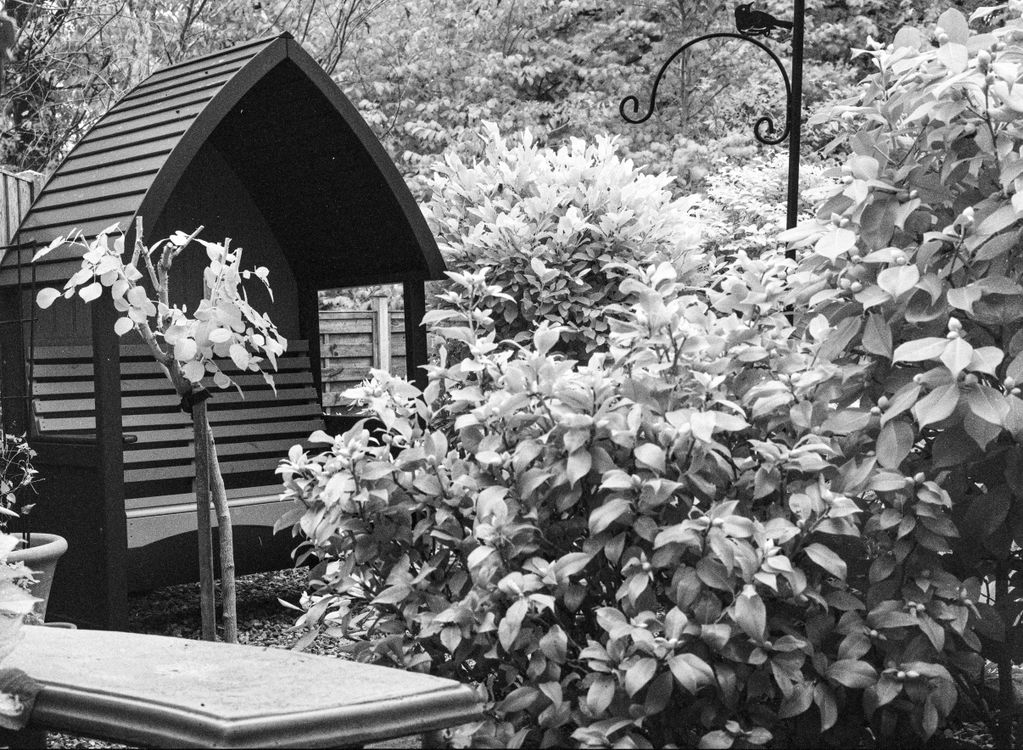
Great dramatic results, extremely crisp especially in 120
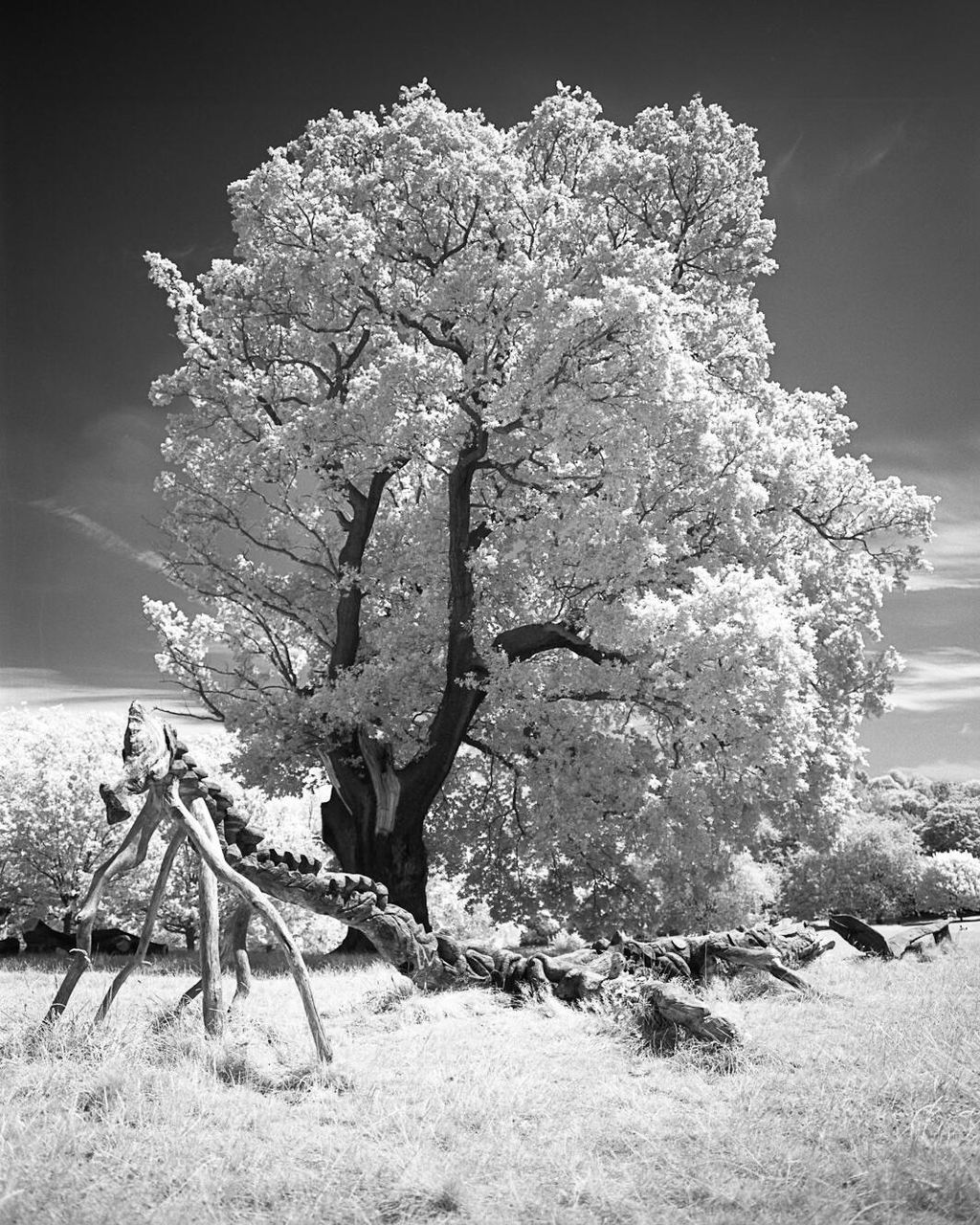
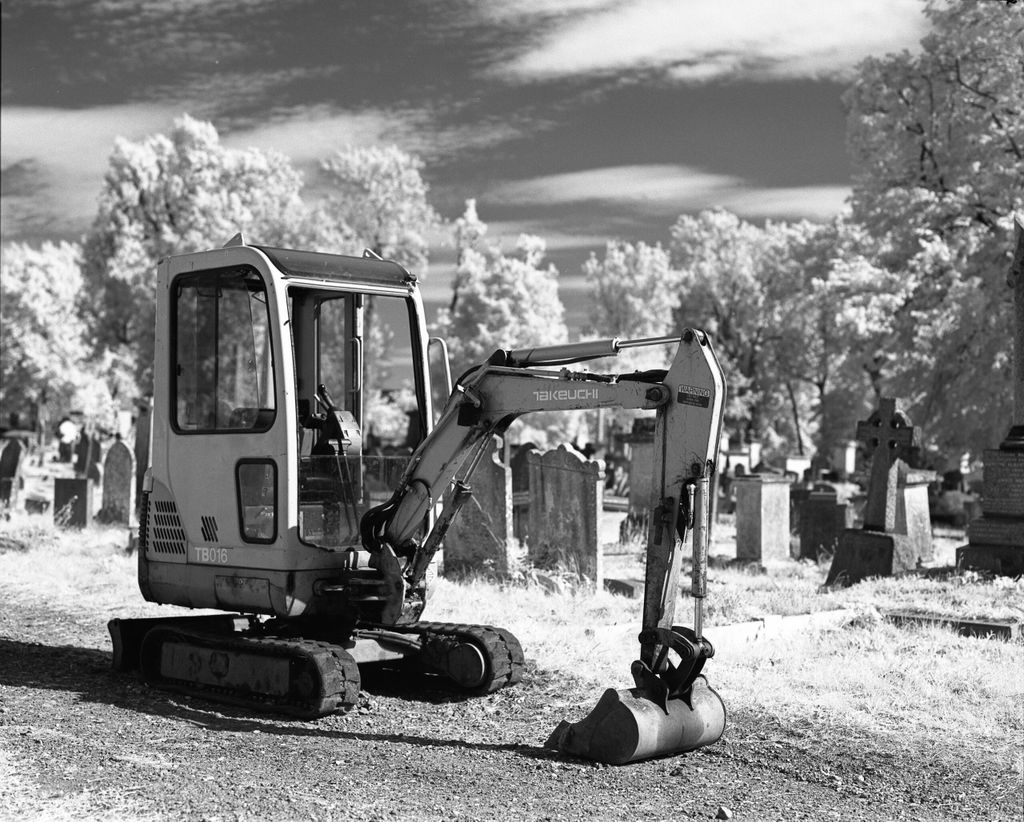
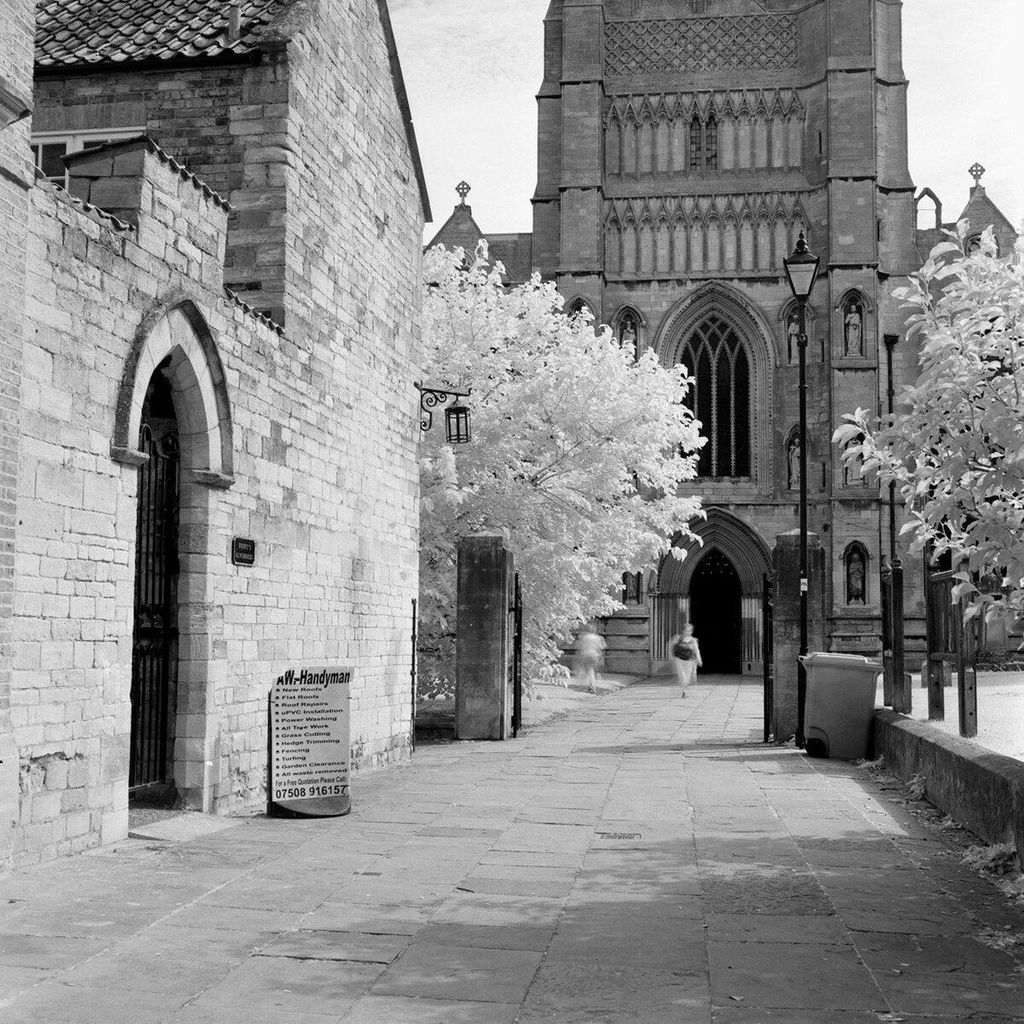
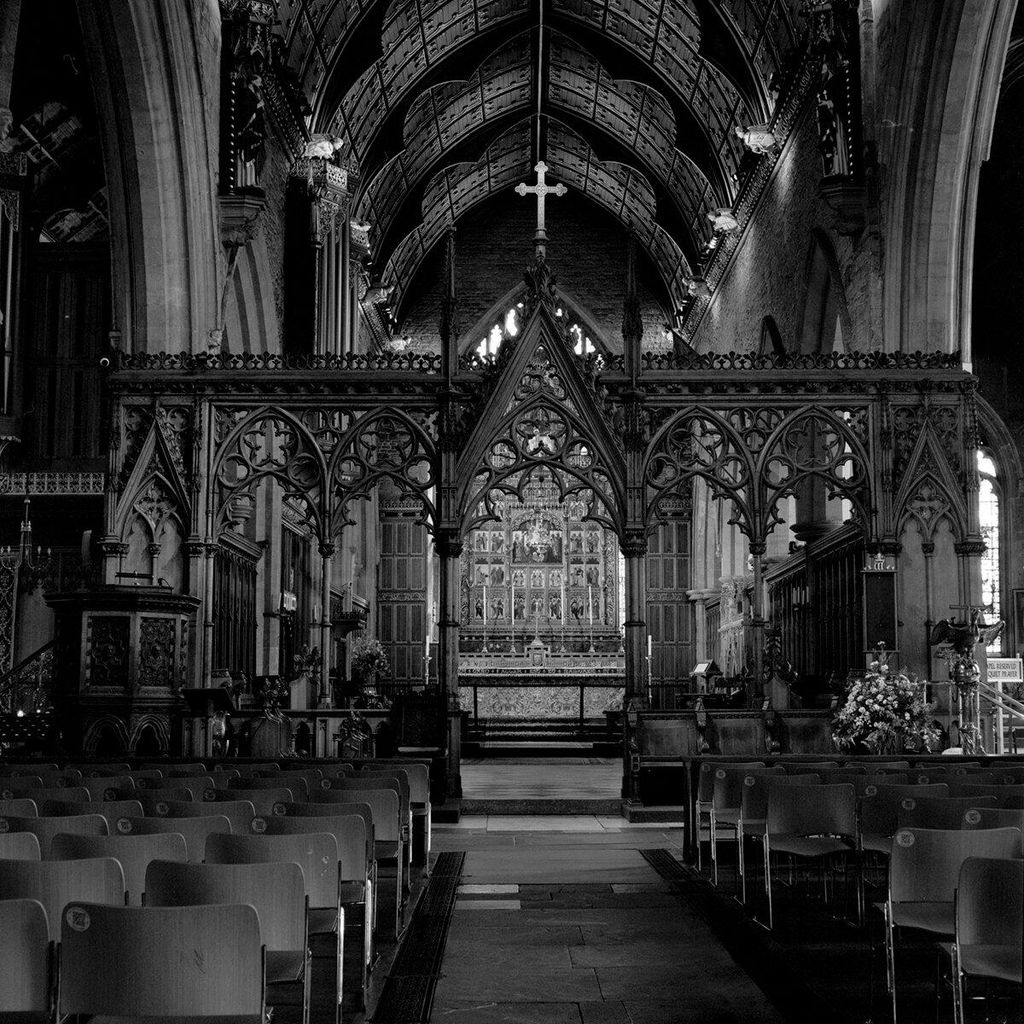
Rollei IR400 has a reputation for being thin and difficult to handle in 5x4. With a little care getting it into a reel, I have found it is perfectly manageable in 120 roll. I have shot several rolls in a Mamiya C220. Just about all the frames were with a 720nm filter. If you are new to IR film, there are a few things to be aware of. To get the best out of the infrared effects, you may well want to shoot brightly lit foliage, so this isn't the ideal film for a dull overcast winter day. The 720nm filter is going to lose 6-8 stops, so a tripod is essential. Even for a fairly bright scene, you are likely to be shooting at around 1 second. The Mamiya has no infrared focus scale, so I just guess. It means you tend to lean towards shooting at high f numbers to keep as much in focus as possible. If you like the look of IR photos, it is worth persevering I think. You can shoot a frame without the filter of course, so long as you go back to a normal calculation without the loss for the filter. I have included a shot inside a church as a normal B&W frame and one outside the same building with the filter on and a 1 second exposure:
Brilliant
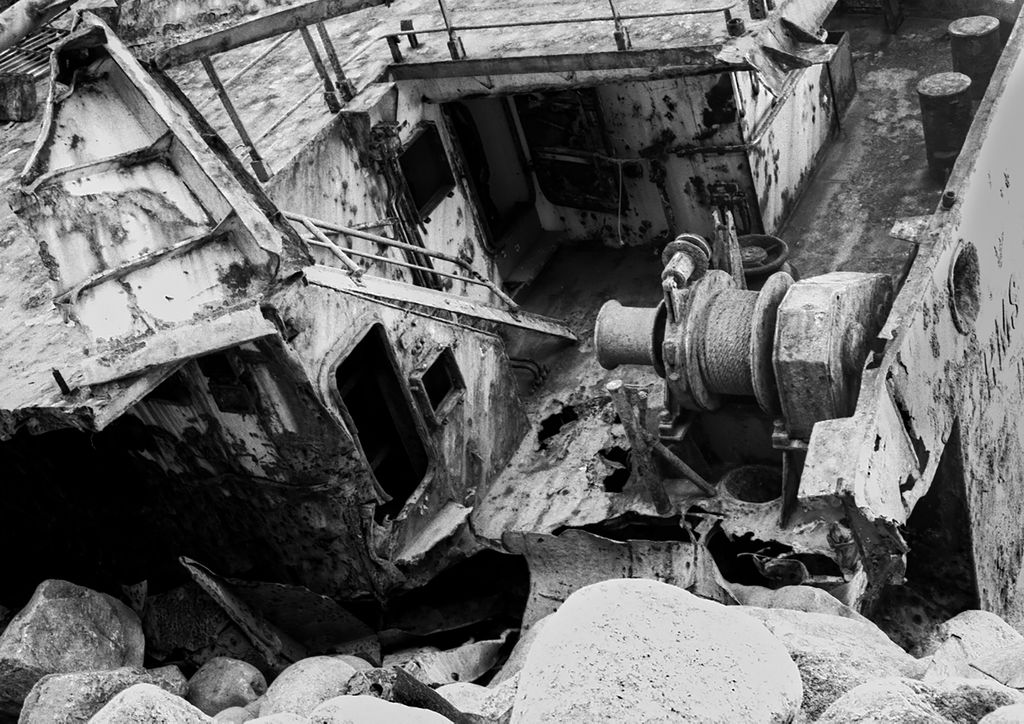
I love the affect of shooting this film as infrared… despite how tedious it can make the process of composing. Just ignore the fact I left it in my camera for three years…
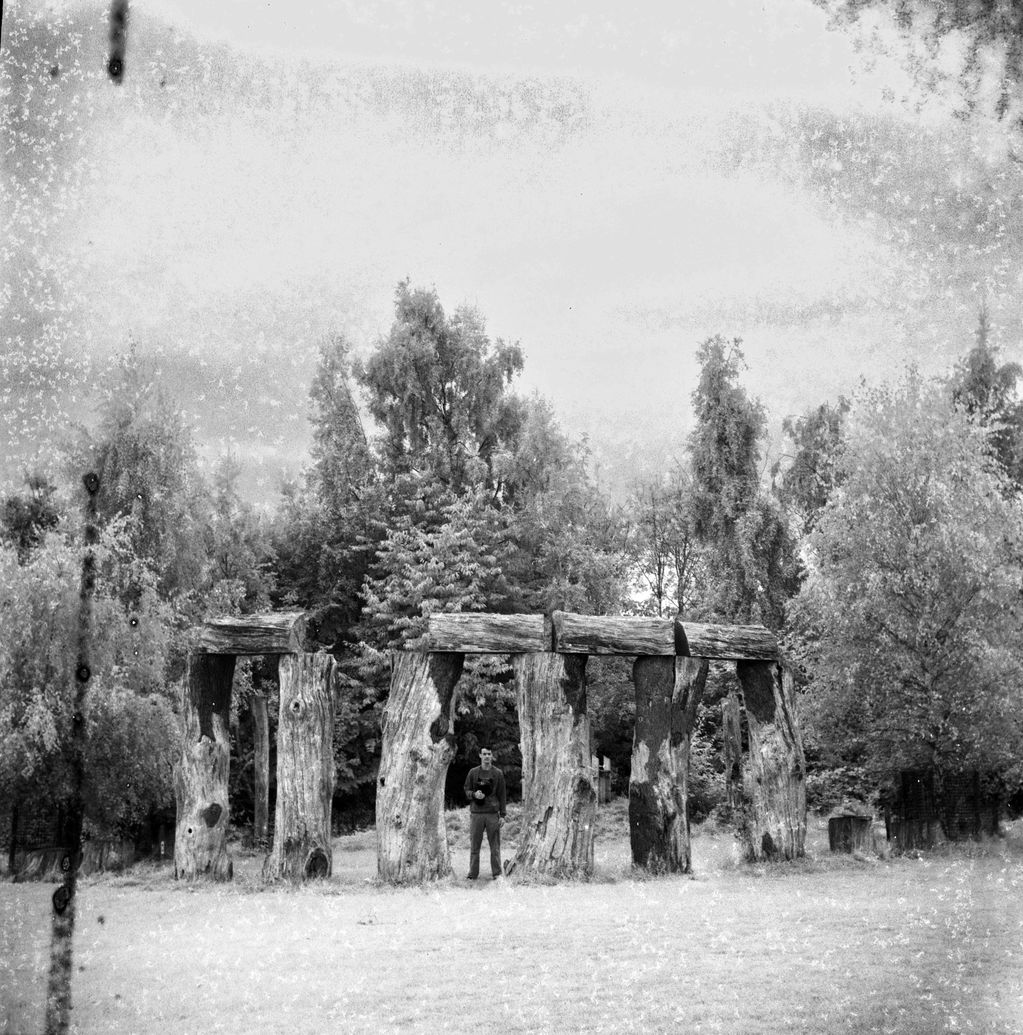
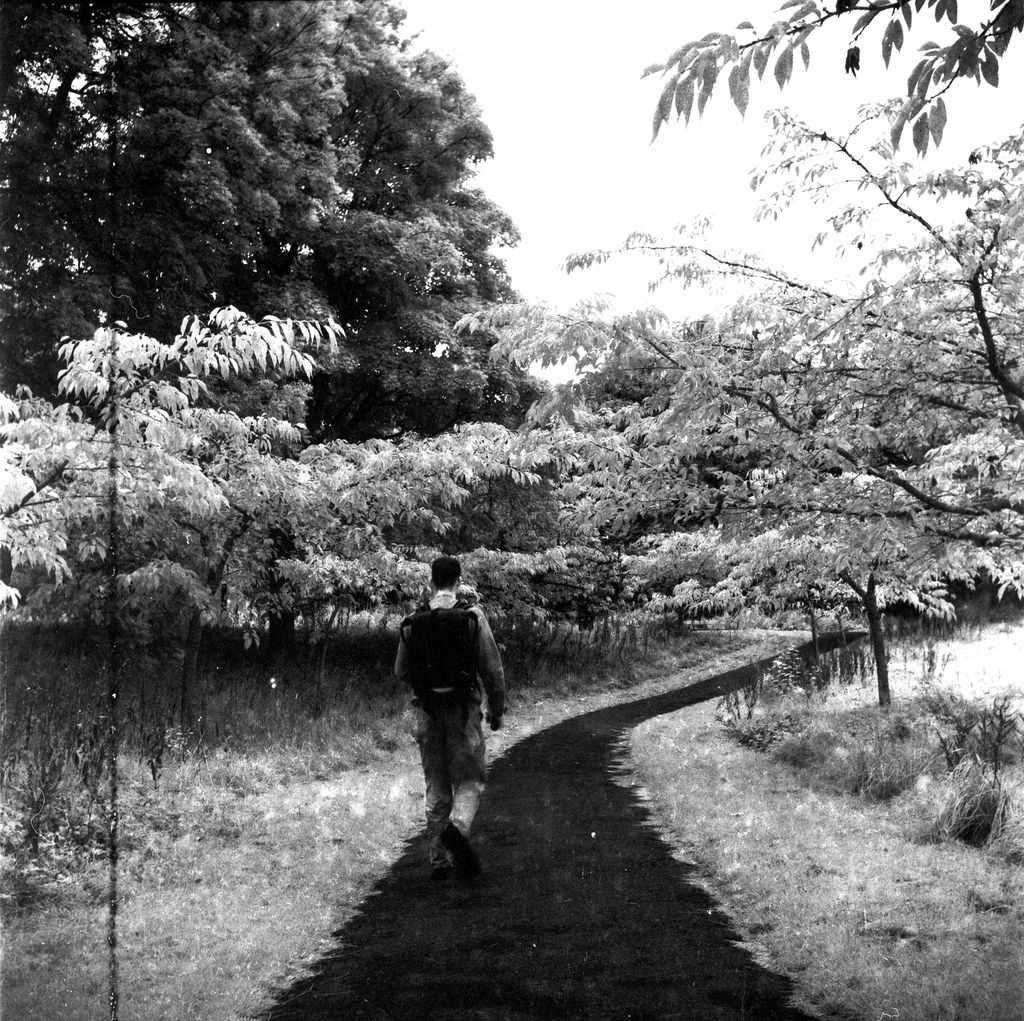
Having shot infrared with my digital camera a few times, I decided to try doing the same with film.
I exposed this at the suggested ISO 25 with a 720nm filter, and the results were great, with bright white foliage and dark blacks in the water and sky, exactly as I wanted.
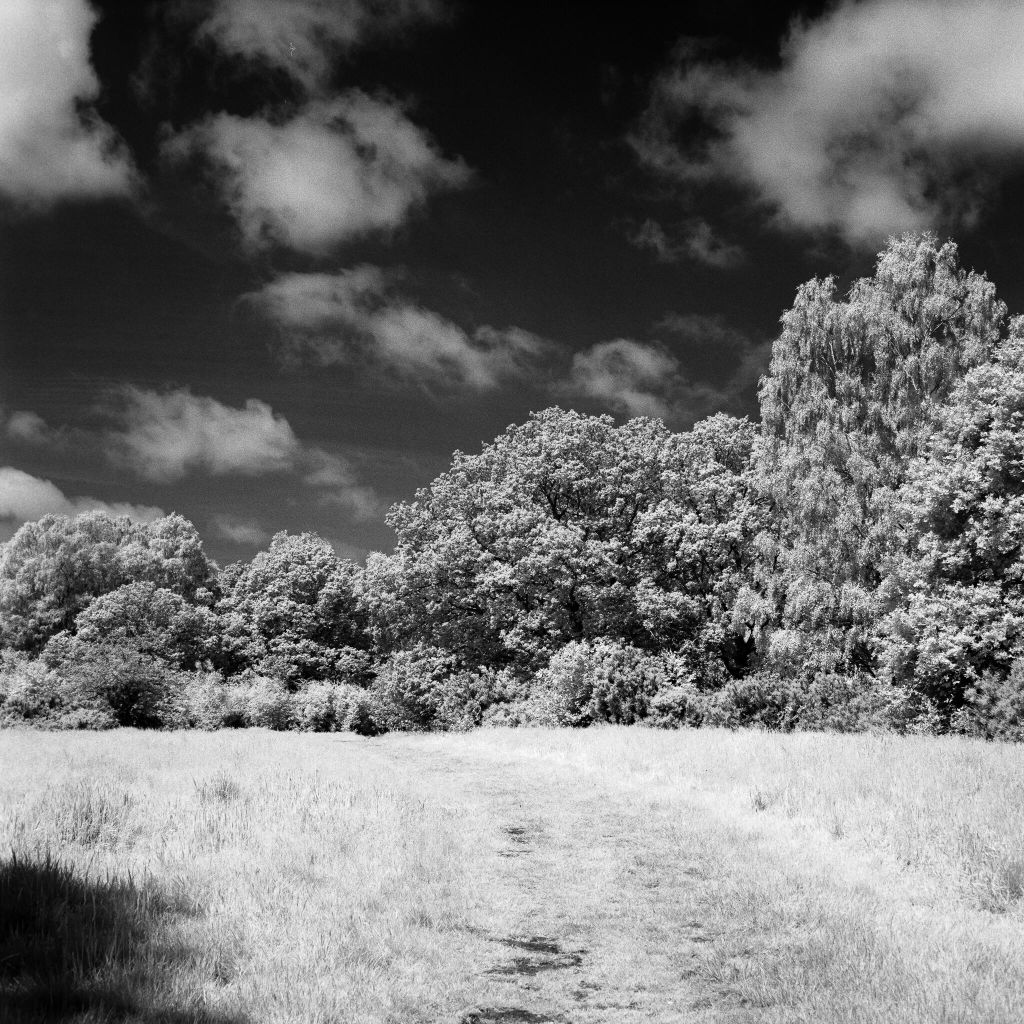
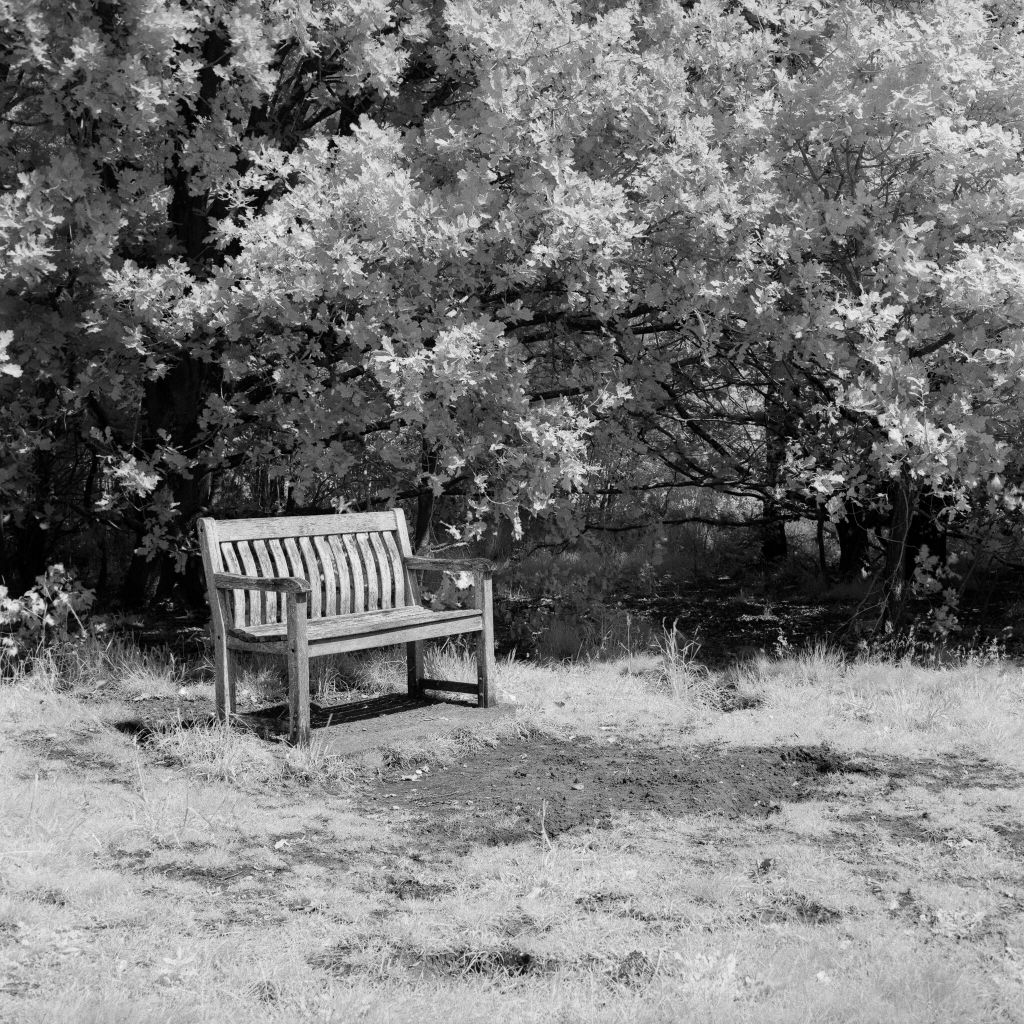
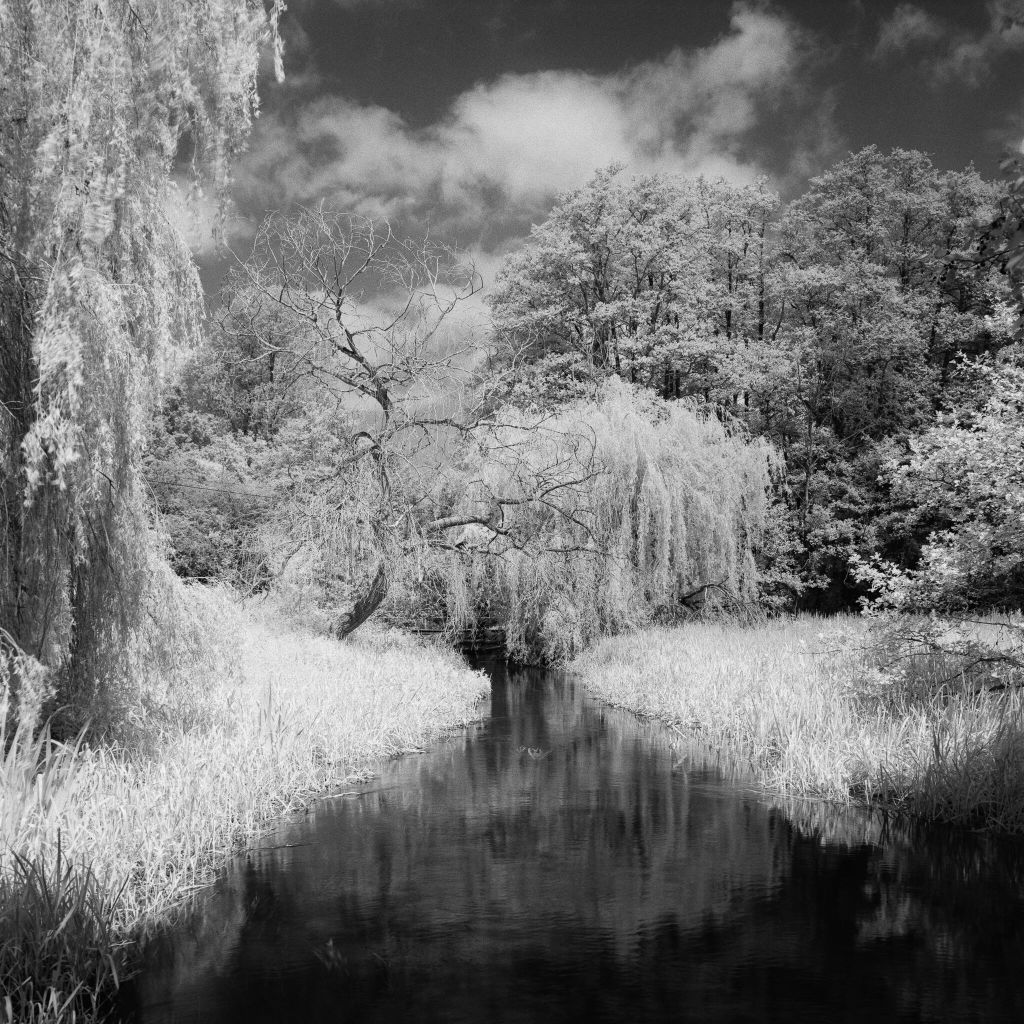
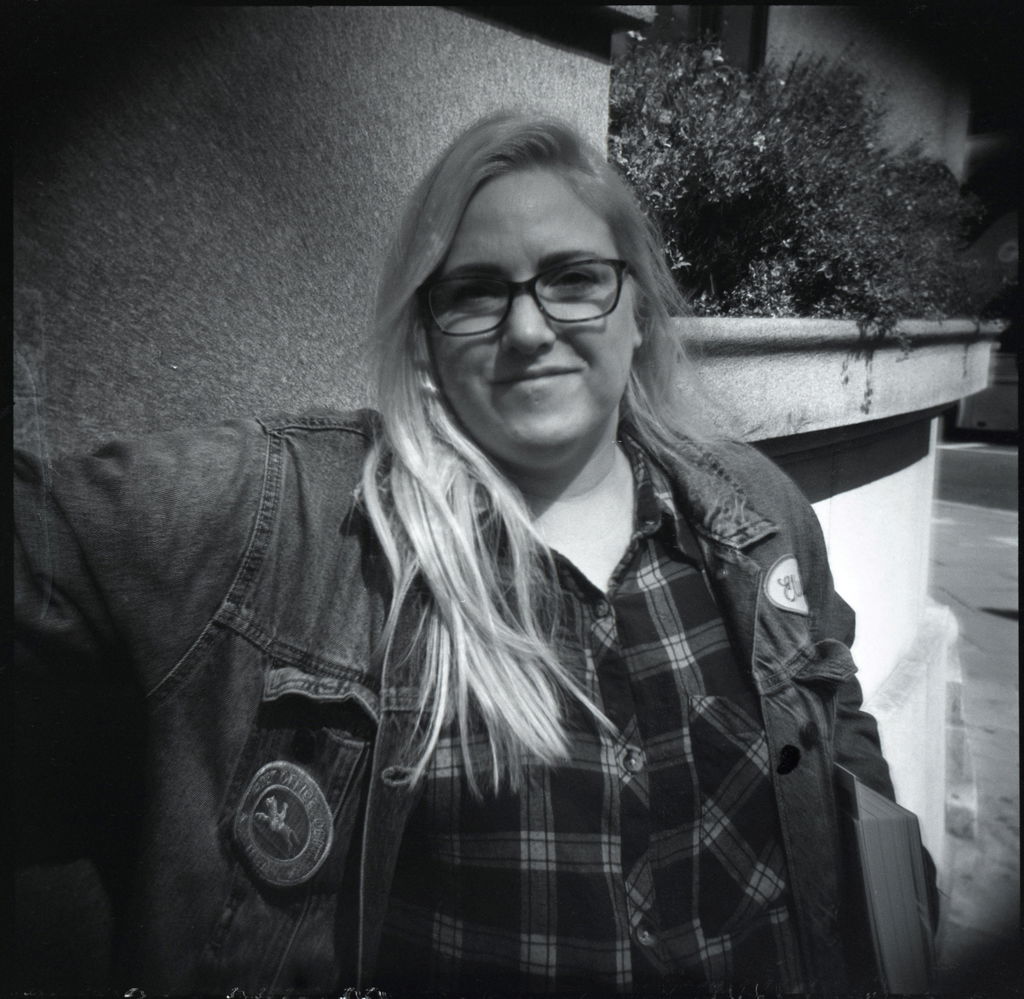
I was hugely impressed by this fabulous film. I shot this with a 1958 Rolleiflex T fitted with a 720nm Hoya filter and rated it at ISO 6 which I think is about right. It was rotary processed in ID11 for 6m30s at 24C which gave a some great results. Grain is (surprisingly) minimal and you can get a decent Wood effect if that's what you're looking for. The black skies that I was hoping for eluded me, so more experimentation (perhaps my 760nm filter) is in order. Sample shot is a merged scan but is otherwise unprocessed - Not exciting but demonstrates what the film is like.
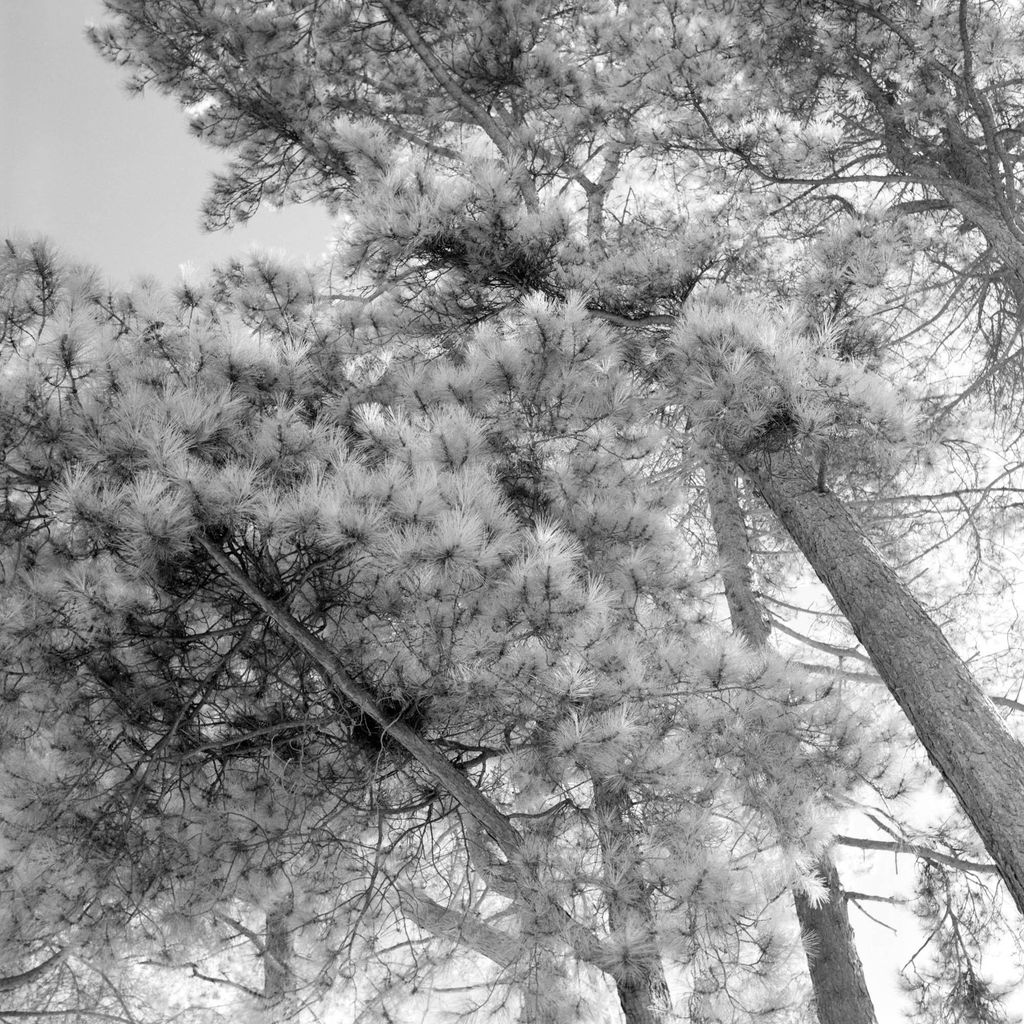
I shot this 6X9 in medium format which only gave me eight frames, so I didn't get to try it out under many different scenarios, but the ones I did try, it really impressed me.
I shot a few with a filter but the rest I just shot normally, with a filter it behaves like most IR films and is very good in that regard. But what I shot without a filter really impressed me. It produced really otherworldly results with excellent sharpness and very fine grain.
I'm not sure I'd shoot this 6x9 again as when I've got so few frames I want something really dramatic, but I'd absolutely shoot 6x6 or 35mm.
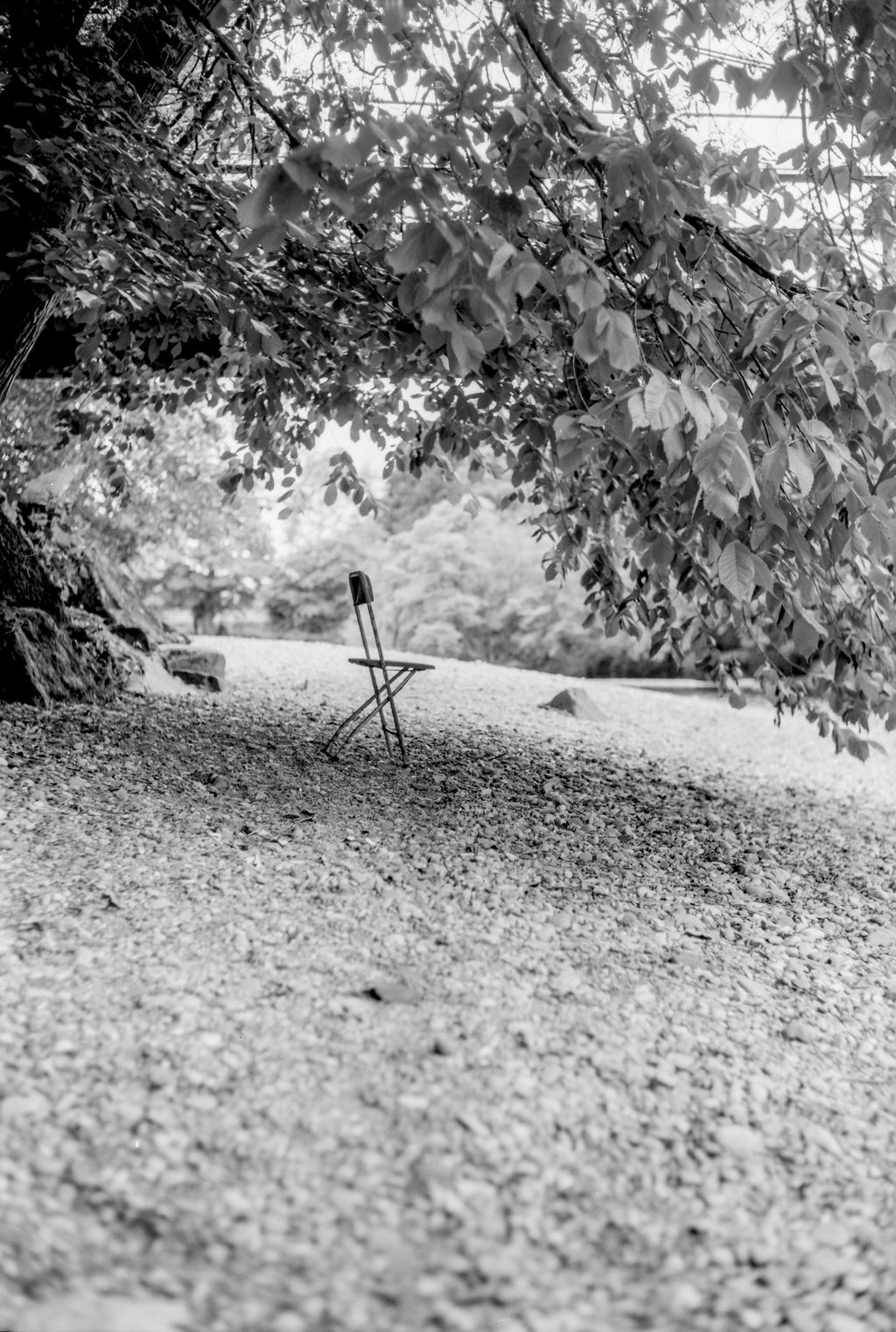
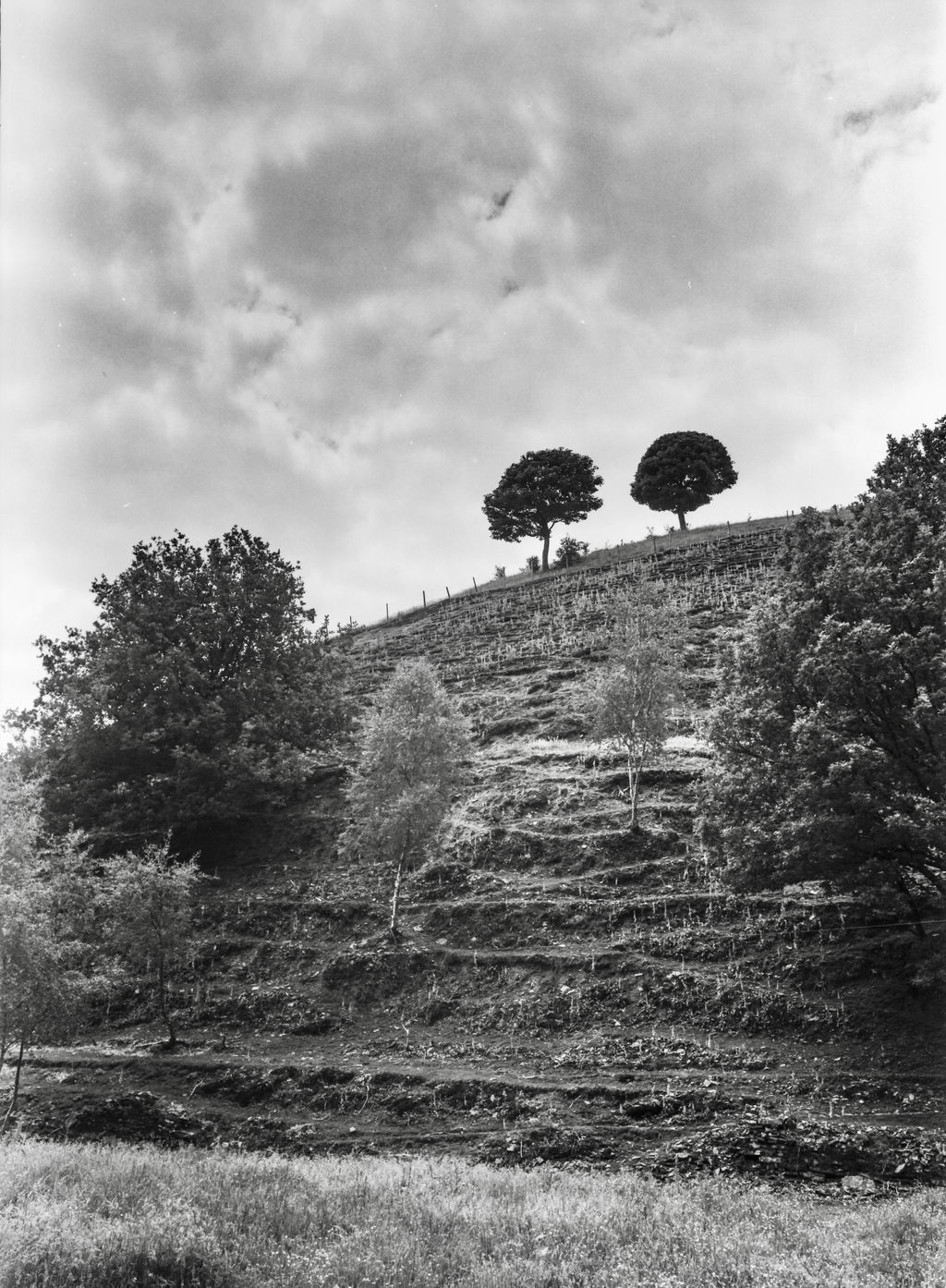
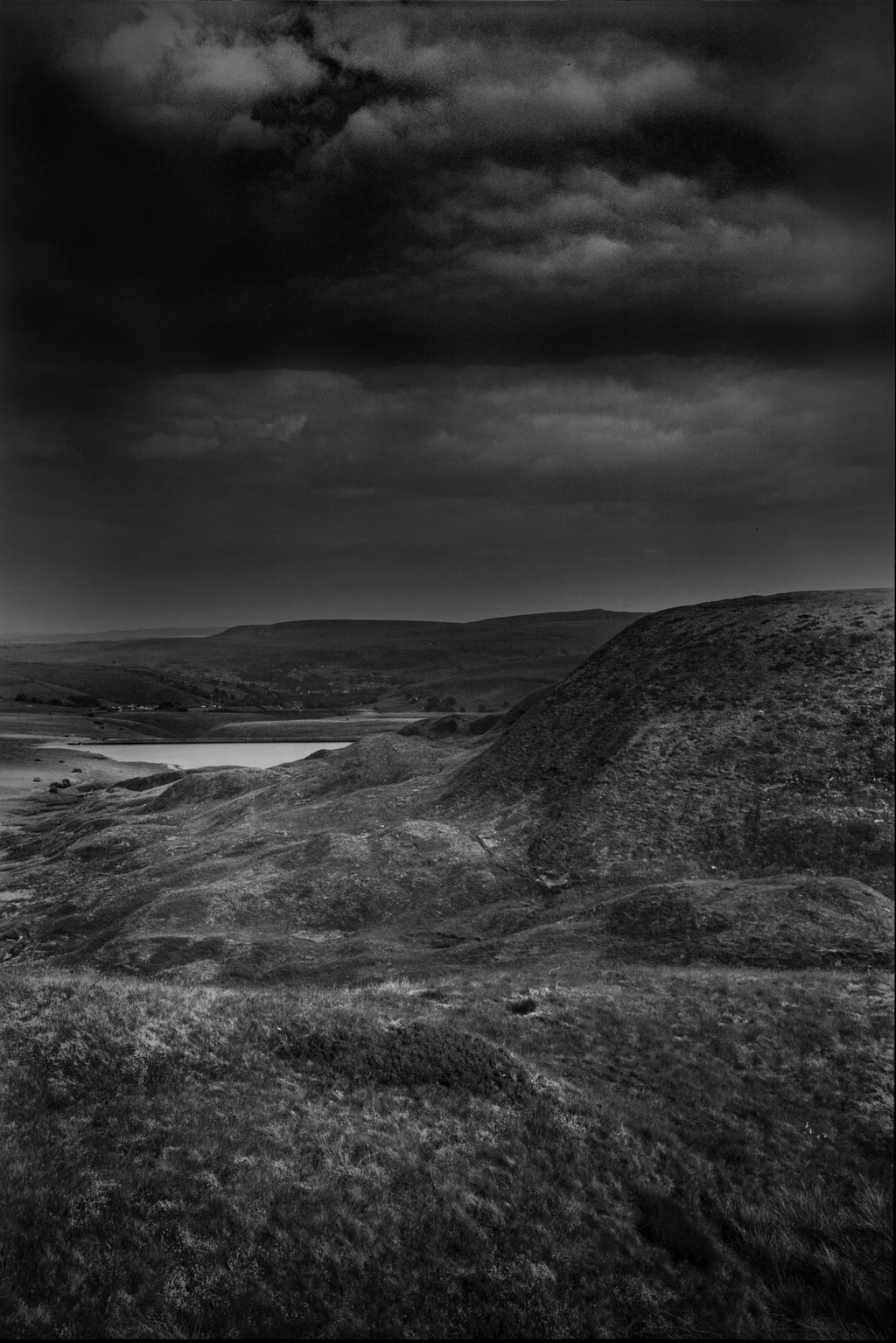
Great film. Shot with an IR680nm filter to get a decent IR look. Would recommend a 720nm for better effect.
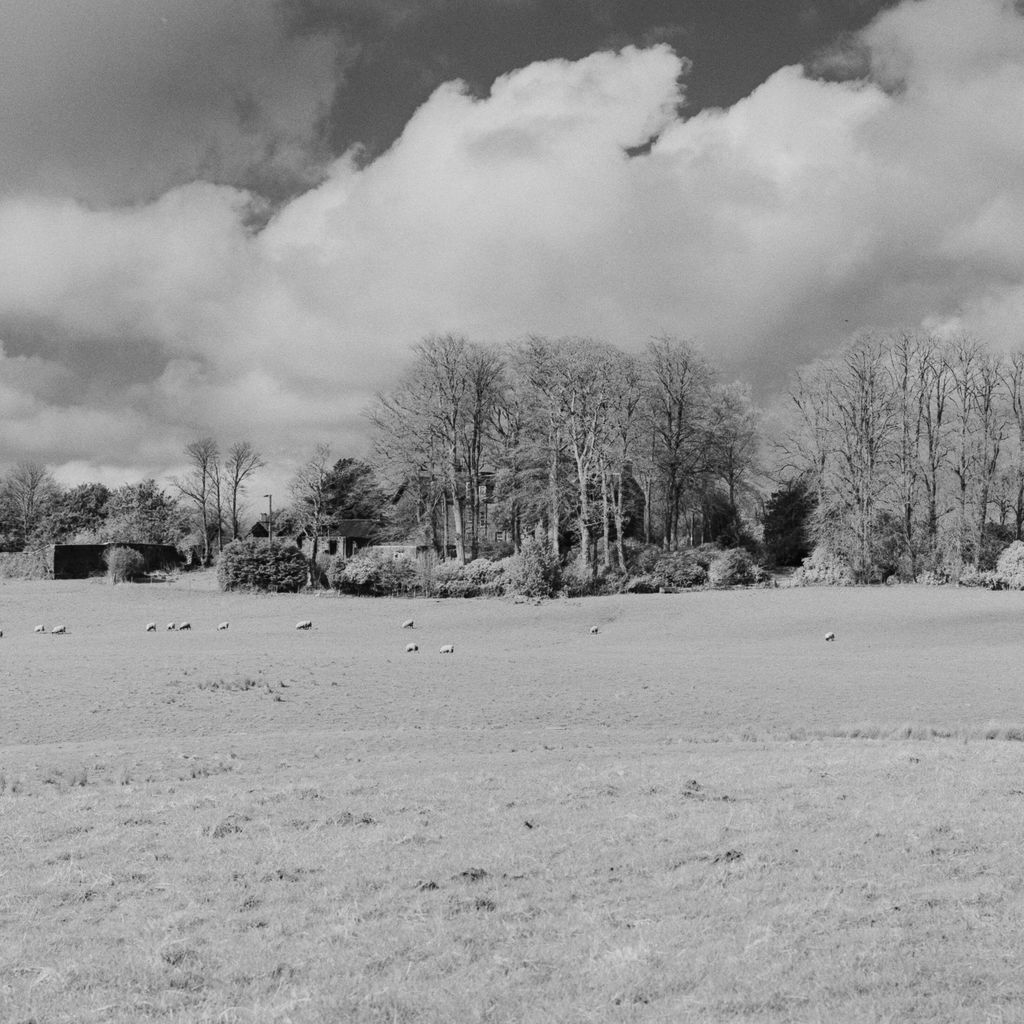
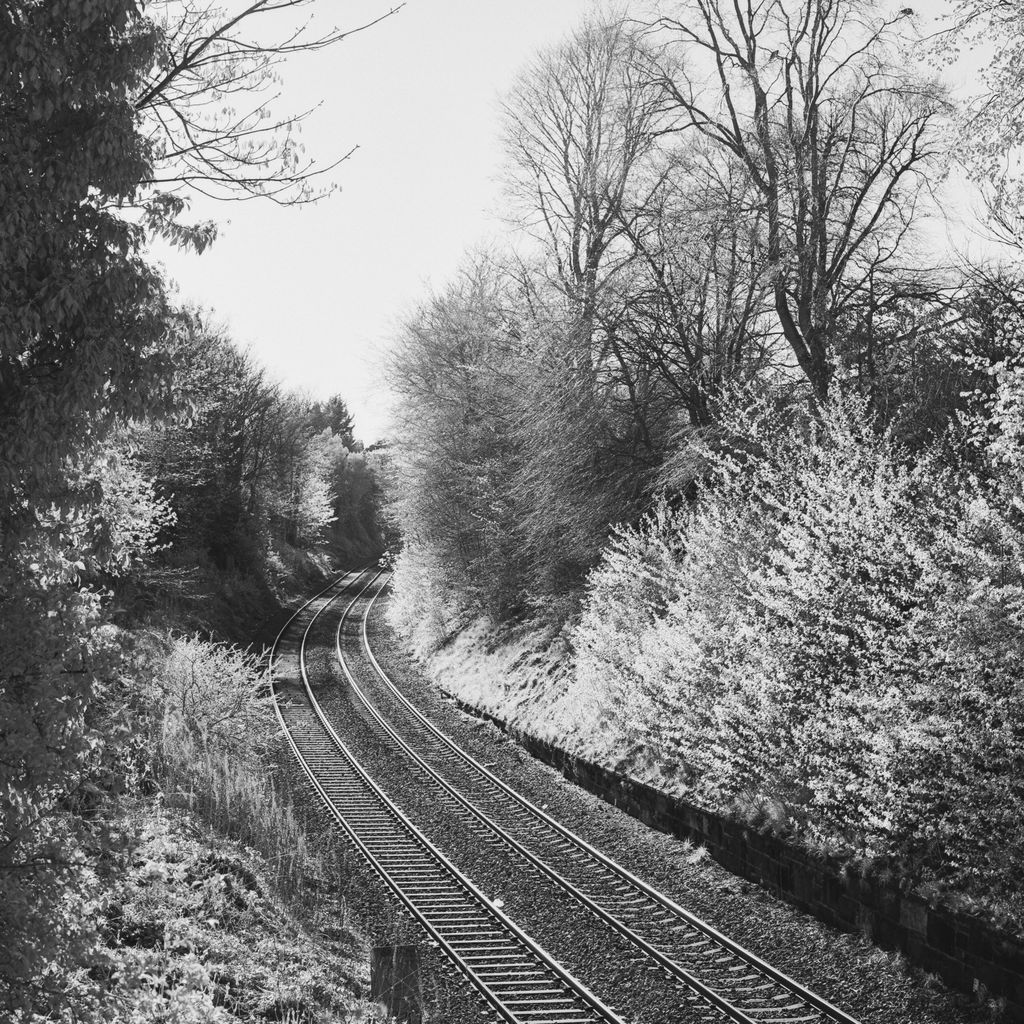
Great film, this was my first try at Infrared and I over exposed a stop or two. I didn't bracket, I just shot the whole roll using iso 5 on my light meter at f8. Some of the highlights got burnt to a crisp. I live and learn.
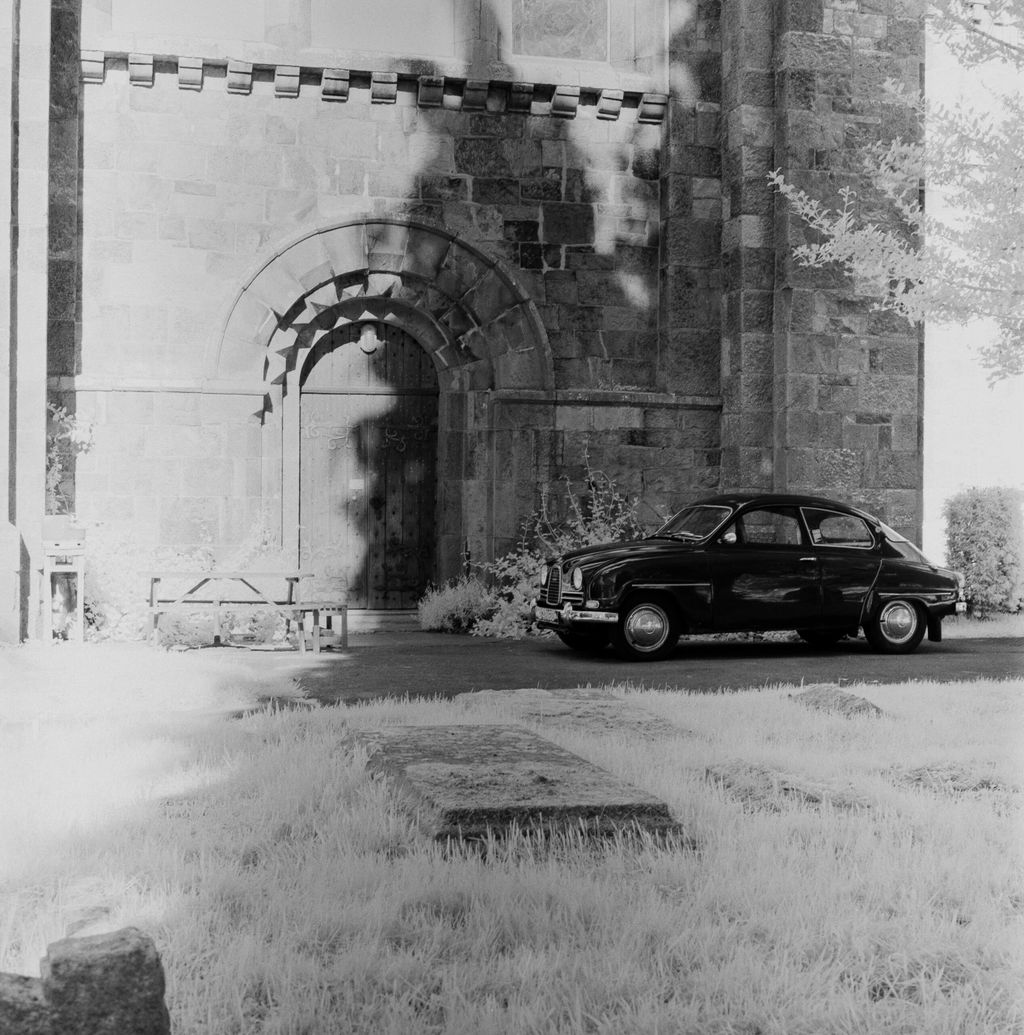
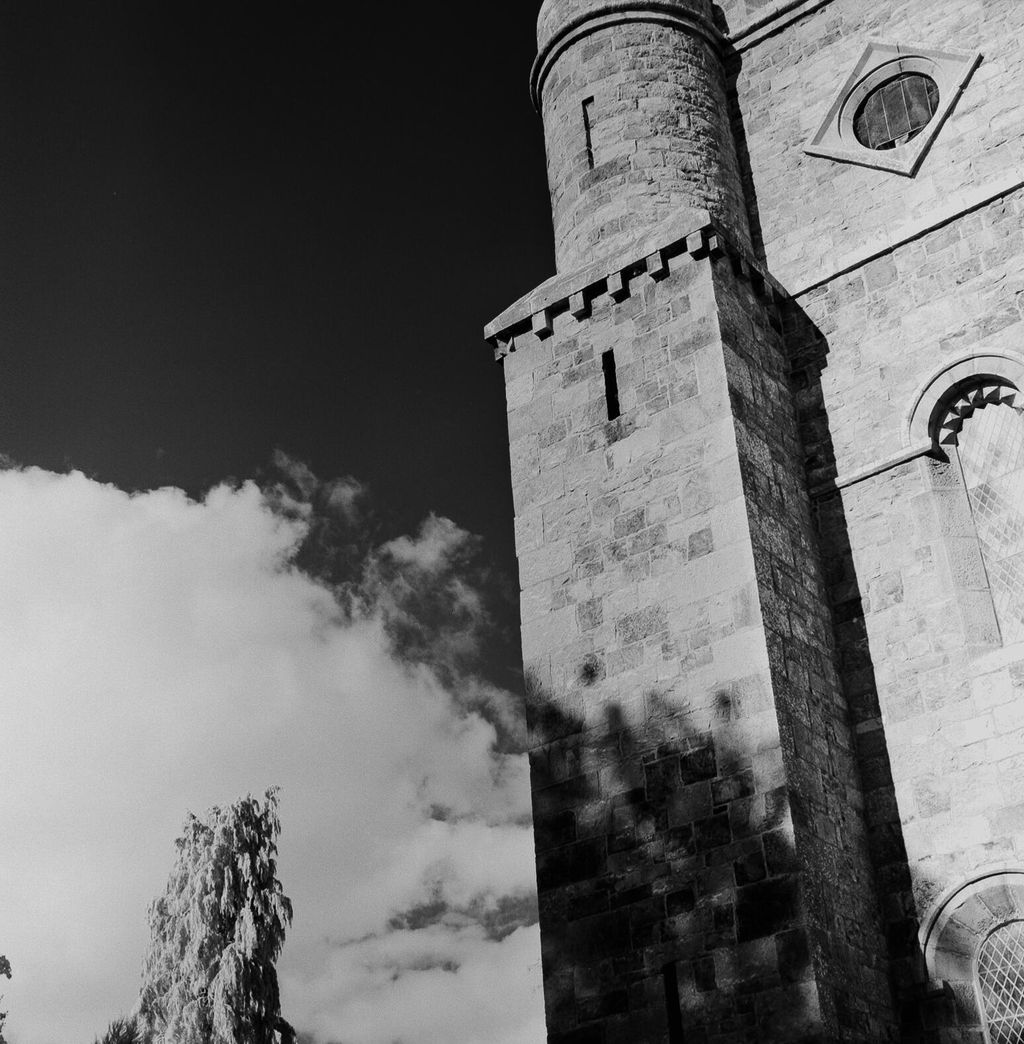
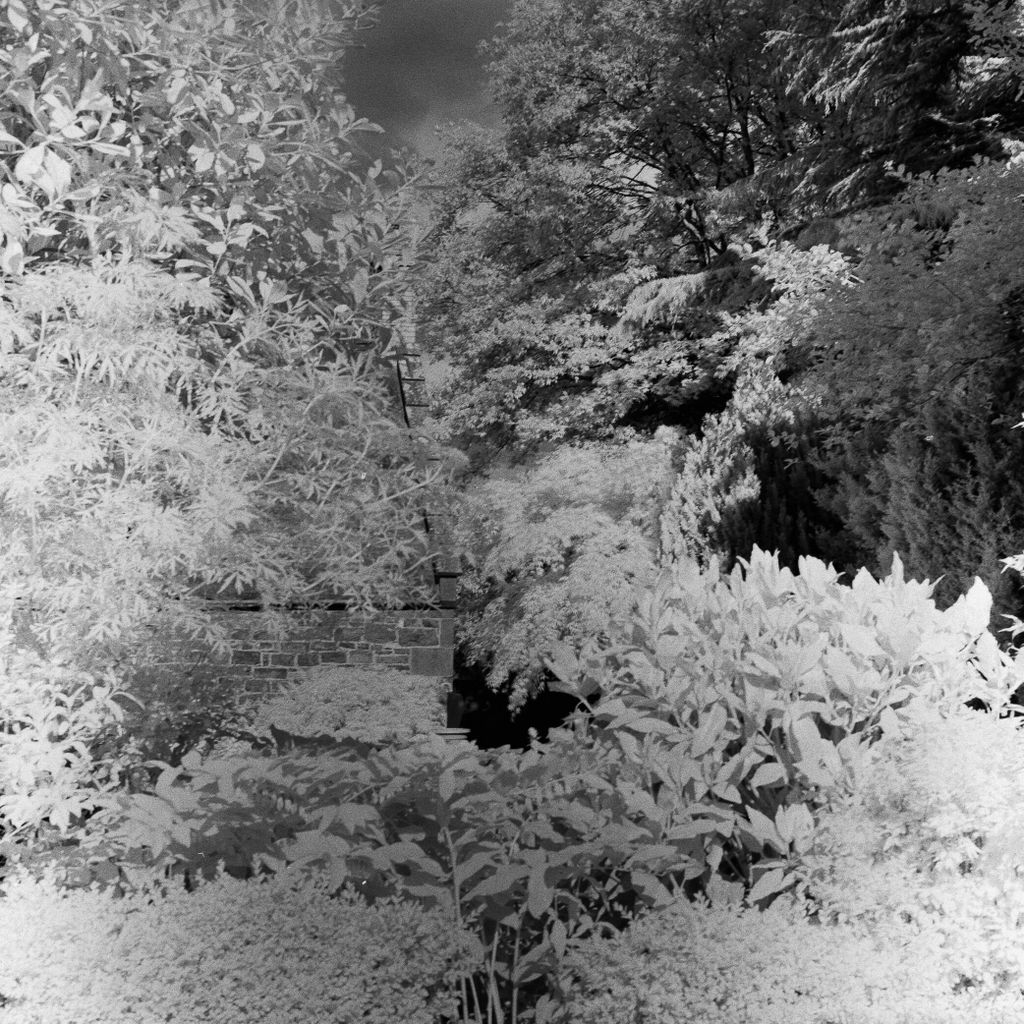
Works fine with an R72 filter. I've got a 87C gel filter from Lee as well that didn't seem to fare well. Must try a much lower ISO for that one I think.
Great pictorial results
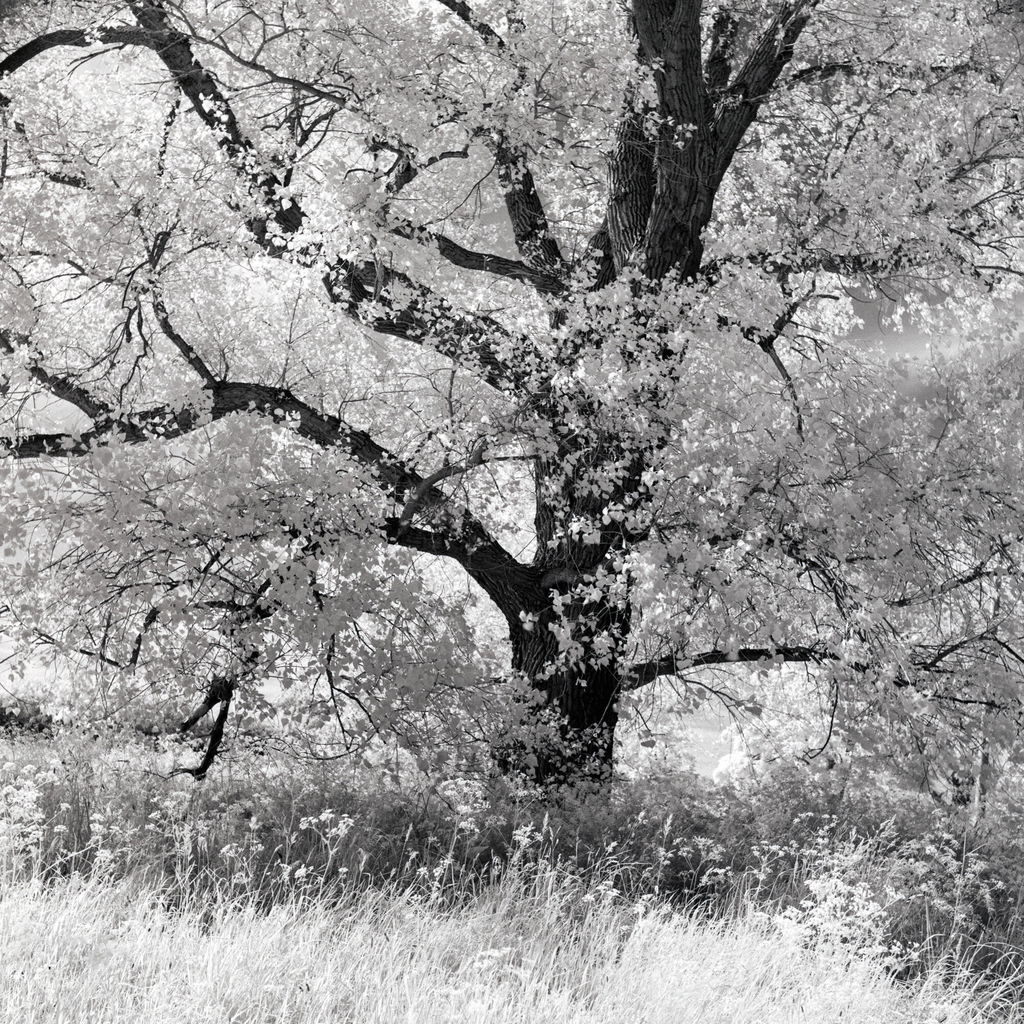
Great film for spectacular effects. Bought a whole load off Paul. Works well with a 720nm filter, tried it with a 87C filter from Lee but need to play around with the speed setting to get a result as it is a lot slower at this wavelength. An ISO rating of 20 seems to work well for me with the 720nm filter.
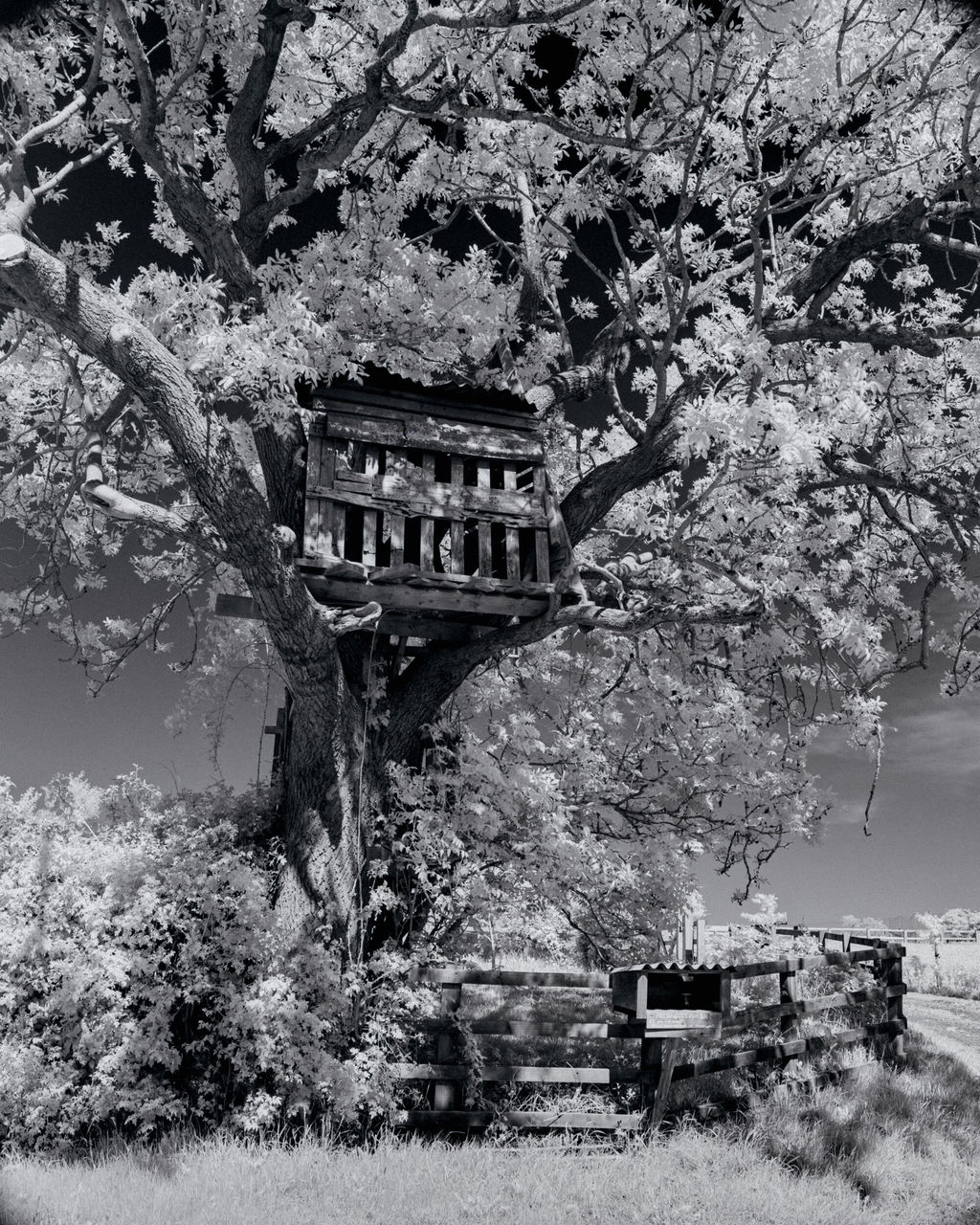
Rollei doesn't manufacture film, all their films are rebranded third party emulsions. Some of them are old surveilence film, some of them technical films, this one is one of them, very interesting if used not like infrared but like regular BnW negative. Produces very interesting grey gradients, works great for landscape work.
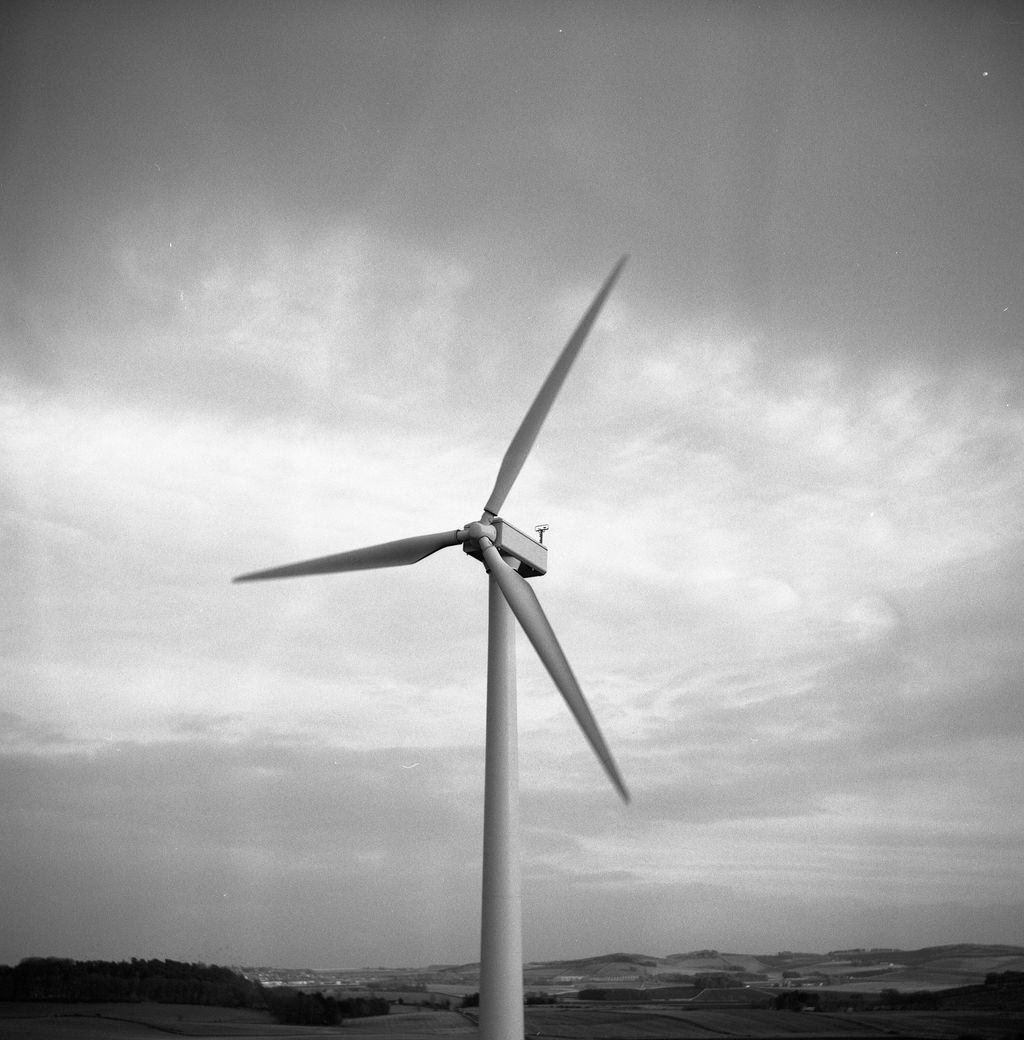
This was my first time using Rollei IR in 120 having already used it in 35mm. This film yields amazing results when paired with an IR720 filter on a day with a blue sky and plenty of vegetation. I exposed this film at f16 iso12 using a light meter app on my phone for the shutter speed. The film went easily onto my development spool and dried fairly flat which made scanning very easy.
All in all a very good film stock which produces something very different to normal.
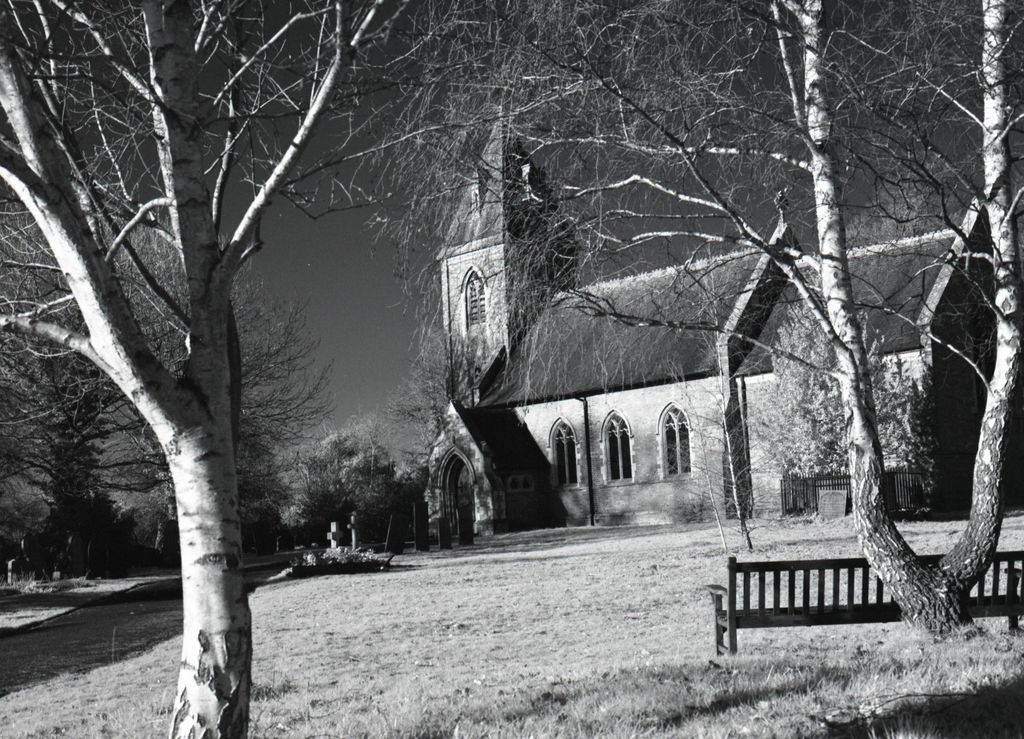
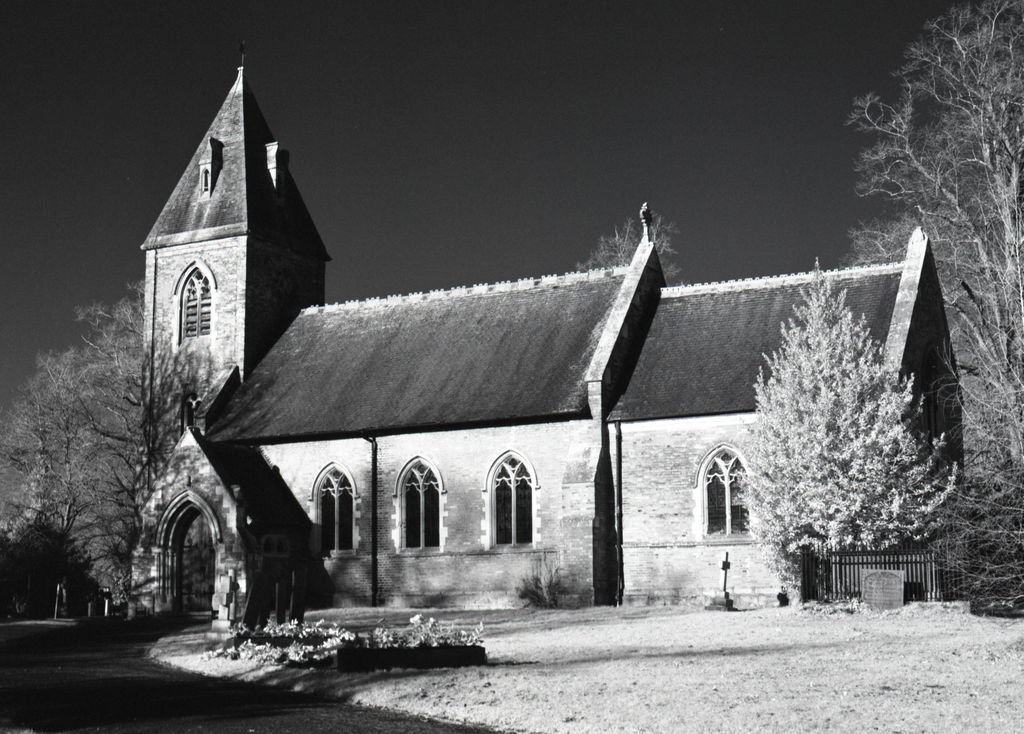
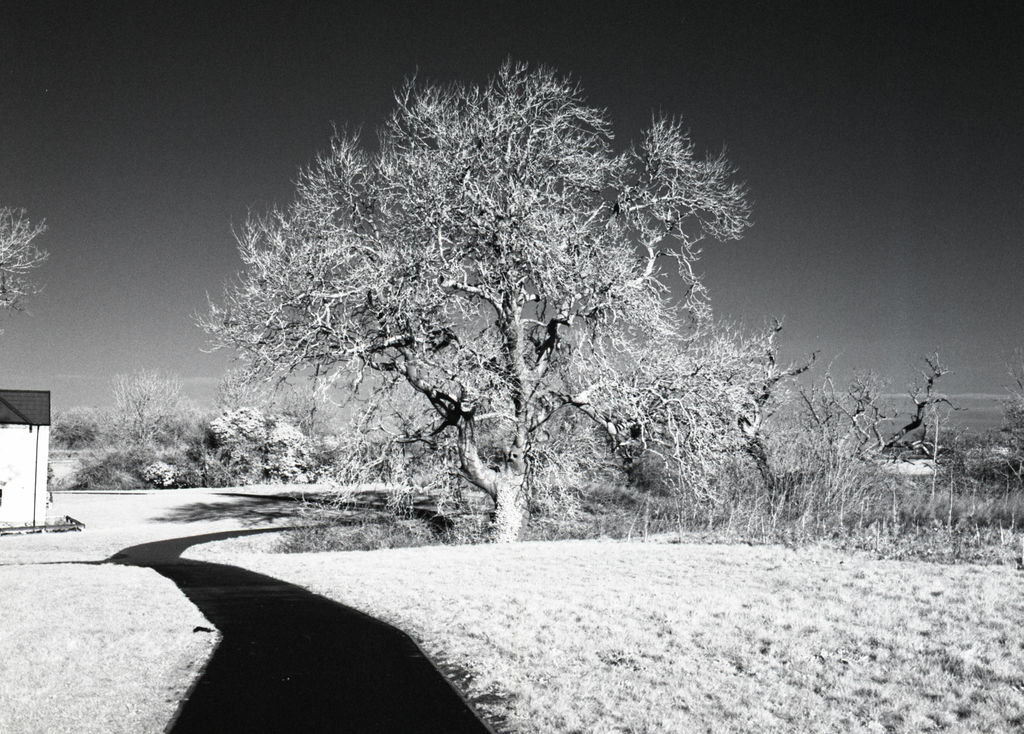
I've shot Rollei infrared a number of times over the summer, and it really excels when shooting with a R72 filter in bright sunshine. The blues in the sky turn a moody dark tone, whereas green foliage is rendered a bright white. Just remember to compensate for the 4-5 stops of light lost through the heavy IR filter. Oh, and as a bonus, I also found Rollei infrared to be a really solid standard b&w emulsion when not shooting with the R72 filter. It's a really versatile film for the summer months & I already look forward to shooting more of it.
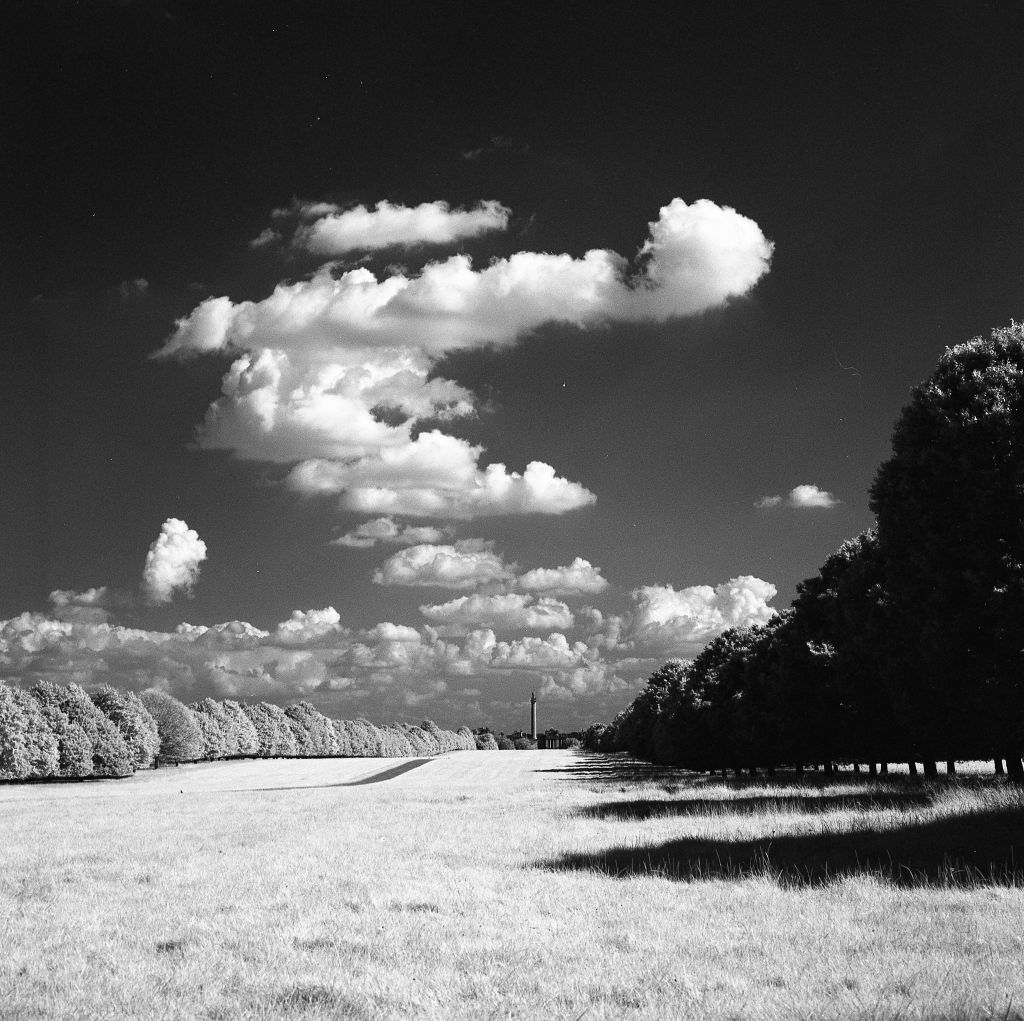
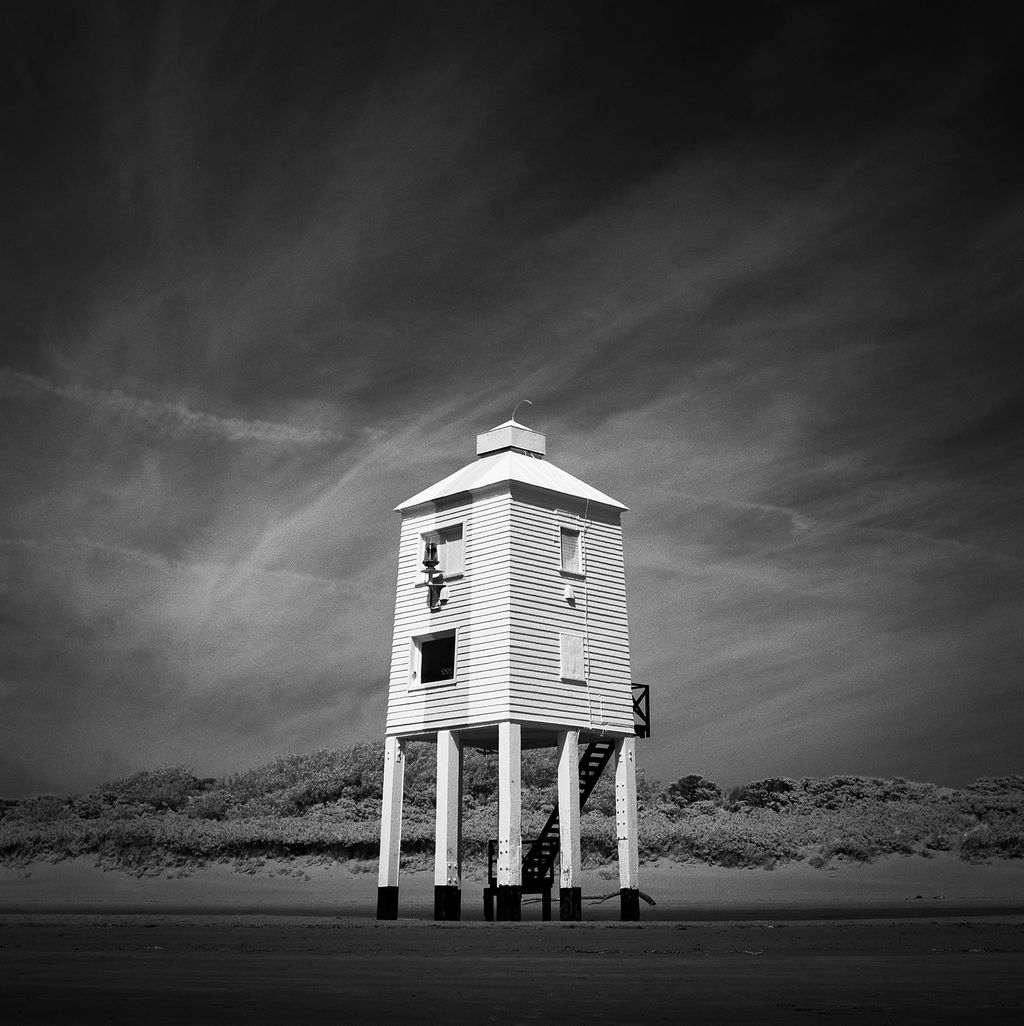
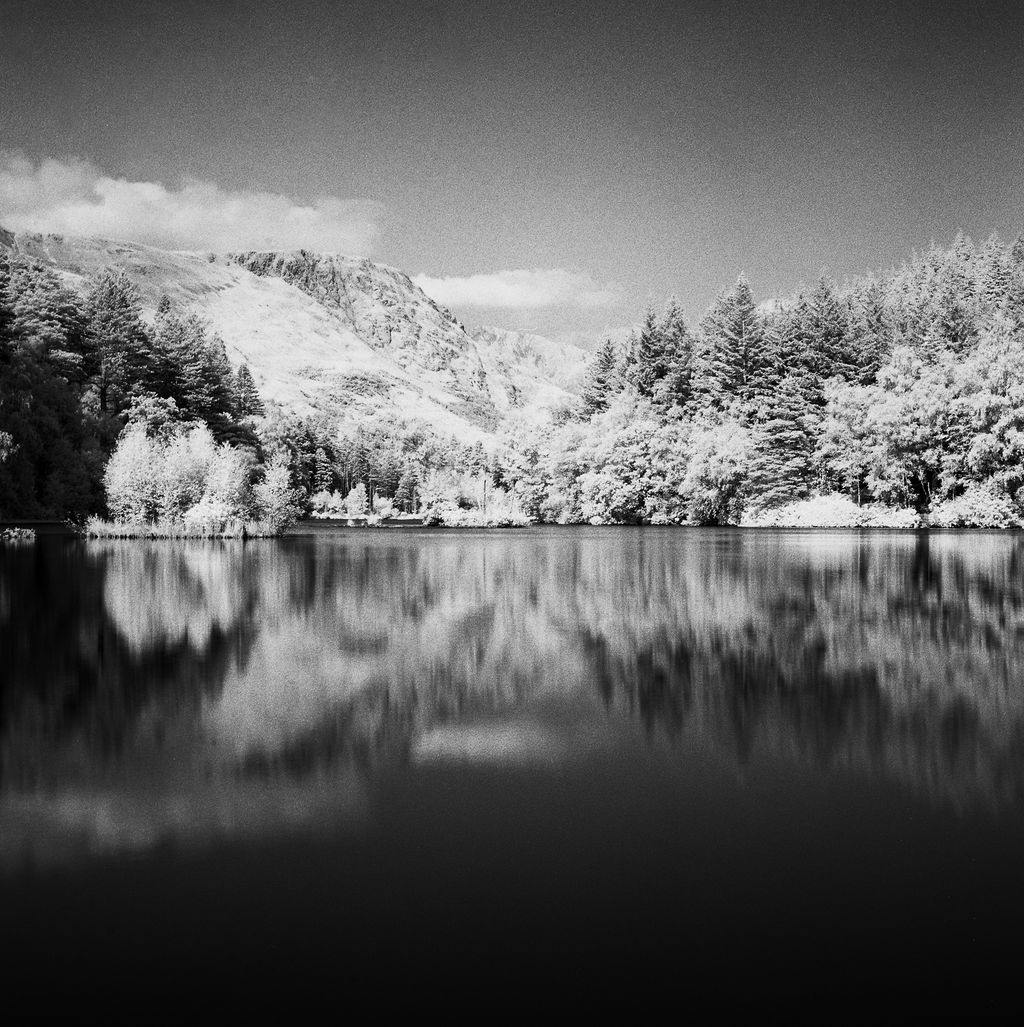
Slapped a red filter onto my Holga and took it out for a day. Came back with some striking shots of famous architecture and a few great portraits. I'd never used infared film before and just wanted to have a go with it. Just be sure to shoot in plenty of light - despite the ISO shooting into shadows won't render much of an image.