


Shop the article


Analogue Movie Film 101 (Motion)
Storytelling, motion, and cinematic thinking
Analogue movie film asks you to think differently about motion. Instead of recording endlessly, you plan. Instead of fixing later, you decide now. Your driver is intention and your result is narrative thinking.
Back at university, I remember that when shooting on 16mm for the first time, compared to digital, I found it frustrating that everything was so intentional - that everything took a lot longer than, what I felt was, necessary. It was only by subjecting myself to the medium that I realised how important that intentionality was. This wasn’t a secondary school media project anymore, these were degree-level major projects, this was art that needed to be nurtured and delivered and not just fixed in post. Once I understood this, my journey through analogue filmmaking was much more natural and ensured that not a shot was wasted.
The real beauty of movie film formats like Super 8 and 16mm is that they respond to light in a way digital SD or HD video does not. Grain, colour, and movement feel organic because they are physical reactions, not simulations - additionally the lower frame-rate is key to that organic, motion feeling too.
This gives analogue motion a timeless quality that many filmmakers and artists continue to seek - there’s a reason why films shot on these mediums are considered visually timeless.
How many of these Super 8 or 16mm films have you seen that have inspired you by their look and feel?
(Analogue Wonderland have no control over and take no responsibility for the content of any linked third party websites)
Step 1: Choose the Right Format for You
Super 8
Super 8 is often the best entry point into analogue motion film.
Why start with Super 8?
- Compact, self-contained cartridges
- Simple loading with minimal setup
- Ideal for personal projects, travel, and experimentation
Super 8 cameras are widely available second-hand and are designed for ease of use. Most automatically set exposure, which allows you to focus on composition and movement rather than technical settings.
Super 8 is often considered the movie-making starting point. It is compact, expressive, and encourages experimentation. Ideal for family movies or more ‘organic’ shooting due to the more ‘consumer-led’ nature of Super 8.
16mm
16mm offers more control and higher image quality, but requires greater involvement and is less forgiving.
Why choose 16mm?
- Sharper images and finer grain
- Manual control over exposure and lenses
- Suitable for structured projects and longer-term learning
16mm is often chosen by artists, students, and filmmakers who want to understand motion picture filmmaking at a deeper level.
16mm offers greater control, sharper images, and more flexibility for serious projects. Both reward preparation and intention. For the filmmakers, the artists and those wanting more flexibility, while being aware that the format is somewhat unforgiving for those new to the medium.
Step 2: select a camera
Super 8 cameras
Look for reliable, well-supported models from manufacturers such as Canon, Nikon, Beaulieu, or Bauer.
What to check
- Working light meter
- Smooth motor operation
- Clean lens
Most Super 8 cameras run on AA batteries and are straightforward to test before shooting.
16mm cameras
Popular beginner-friendly options include models from Bolex, Canon, and Arriflex.
What to consider
- Spring-wound versus electric motors
- Lens mount compatibility
- Availability of servicing and parts
If you are unsure, renting a 16mm camera for a first project is often a sensible choice.
Step 3: choose your film stock
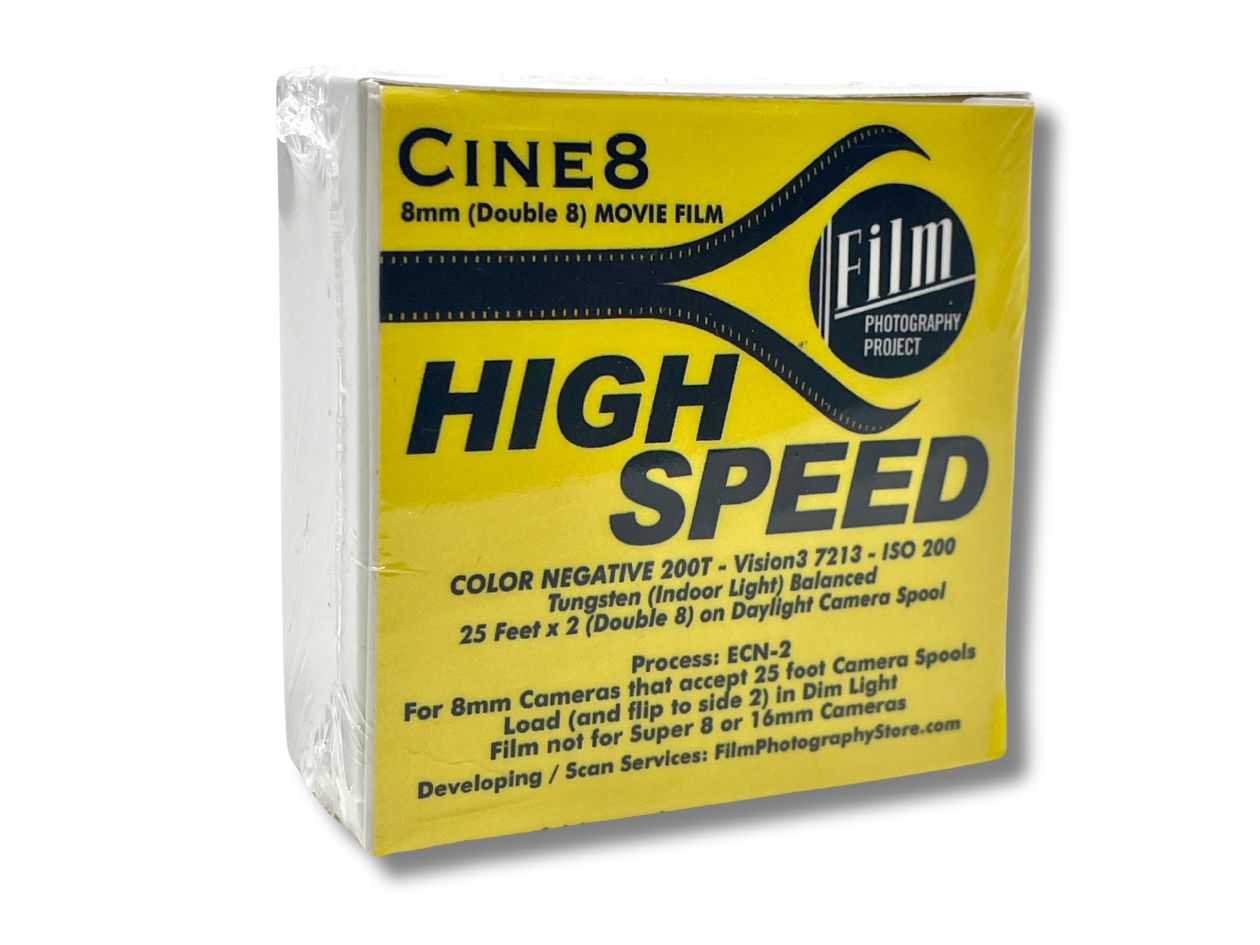
Super 8 film stocks
Super 8 film comes in sealed cartridges, making loading easy.
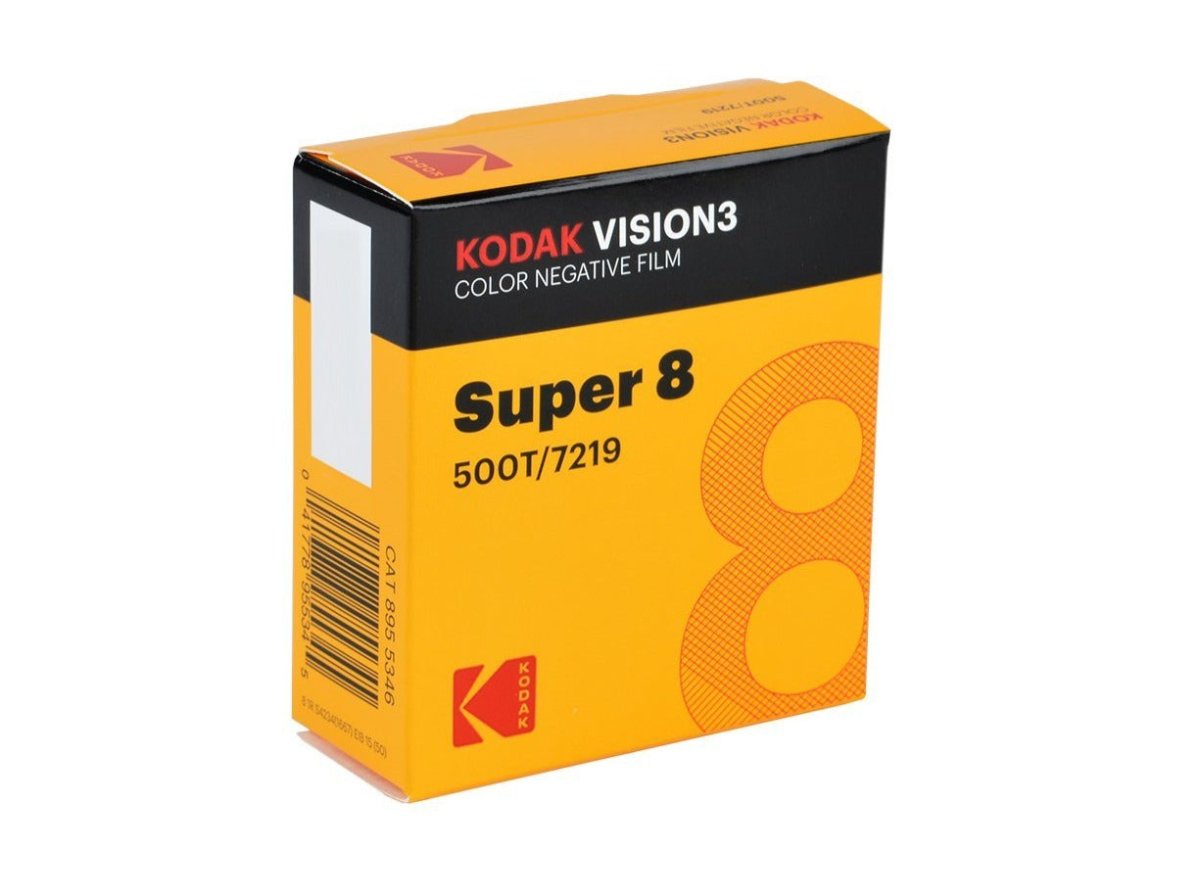
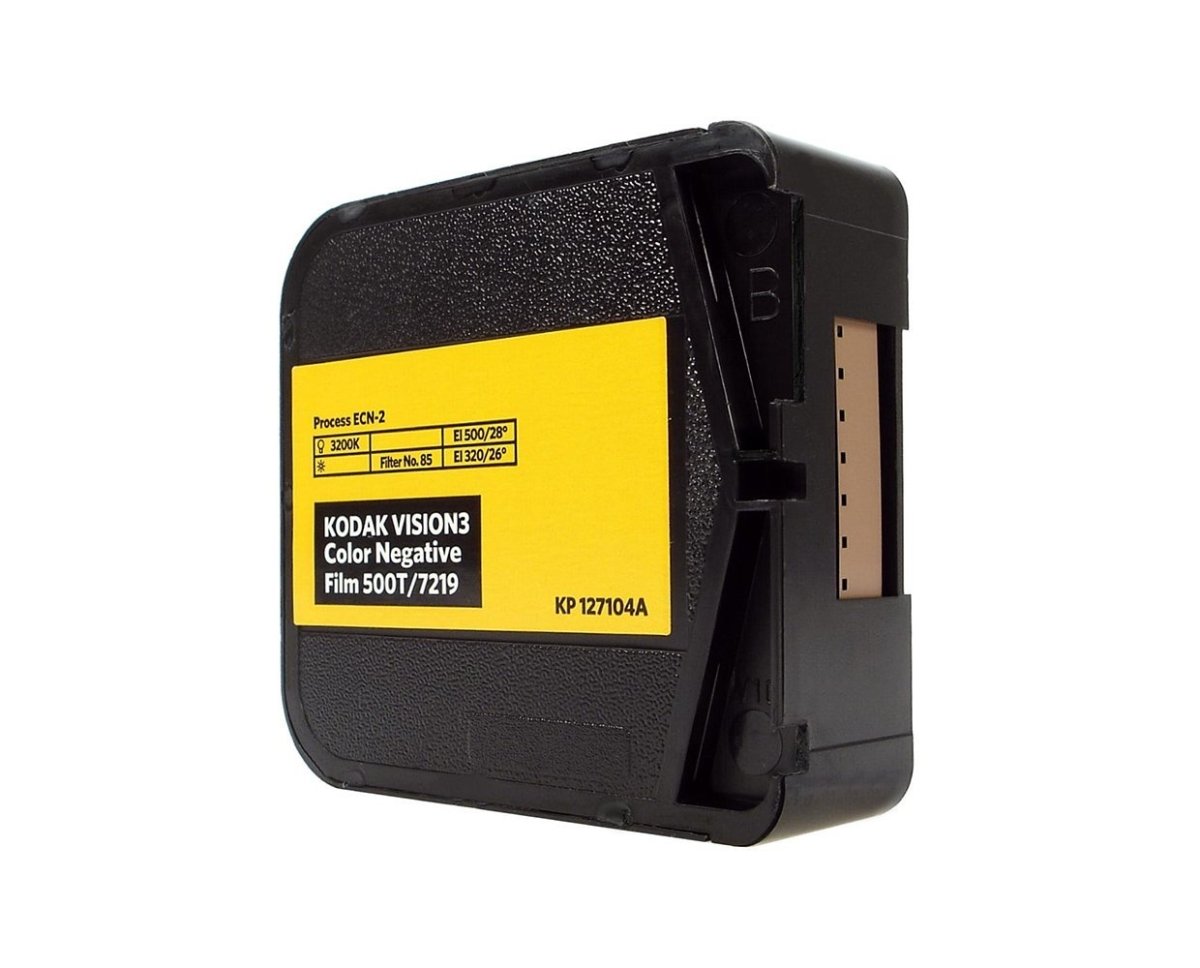
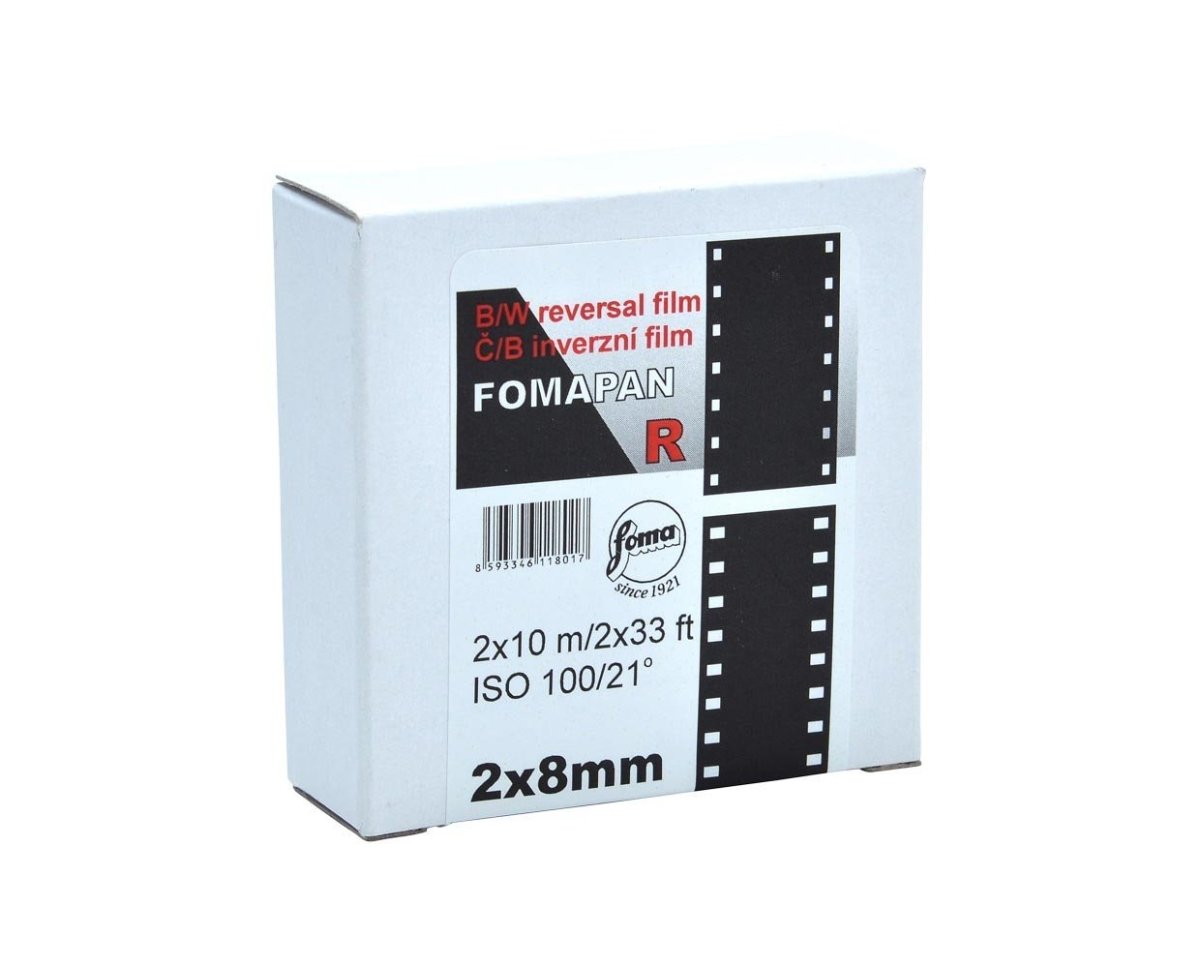
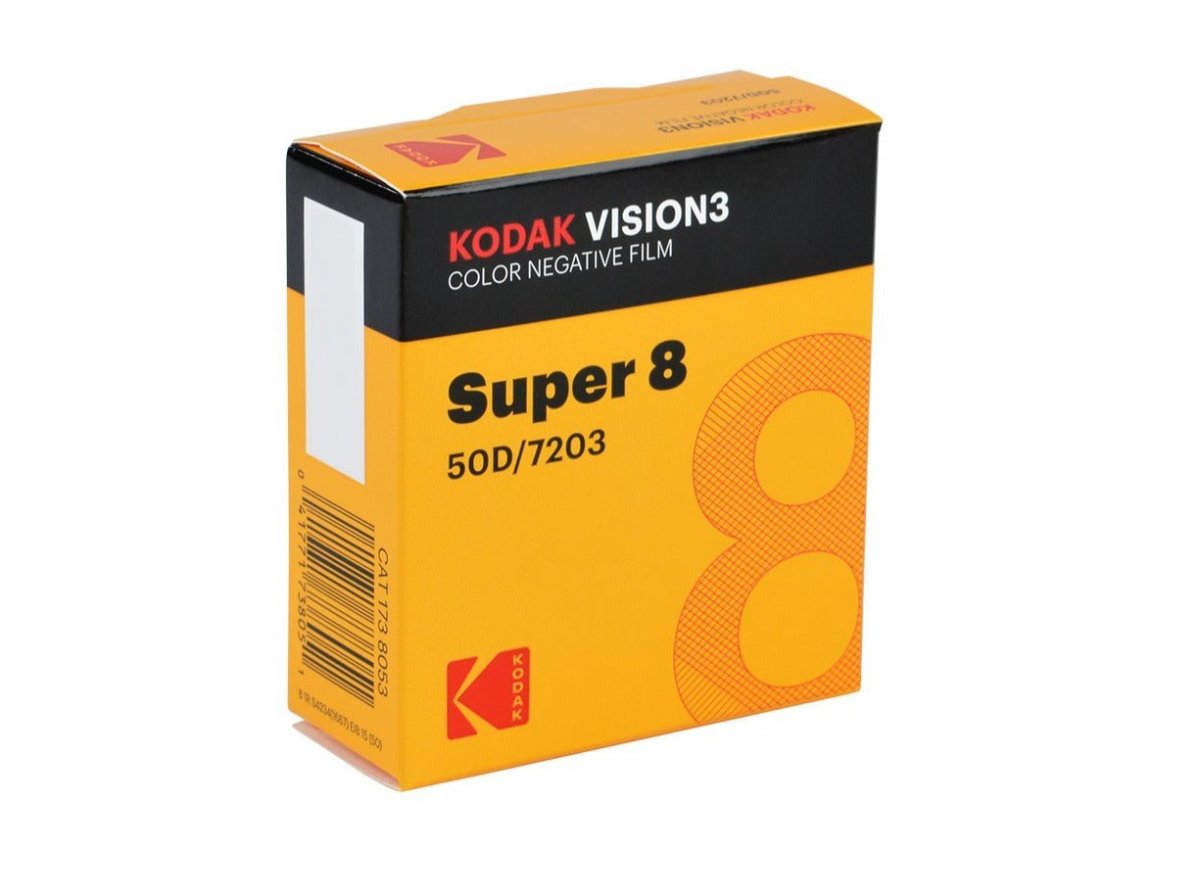
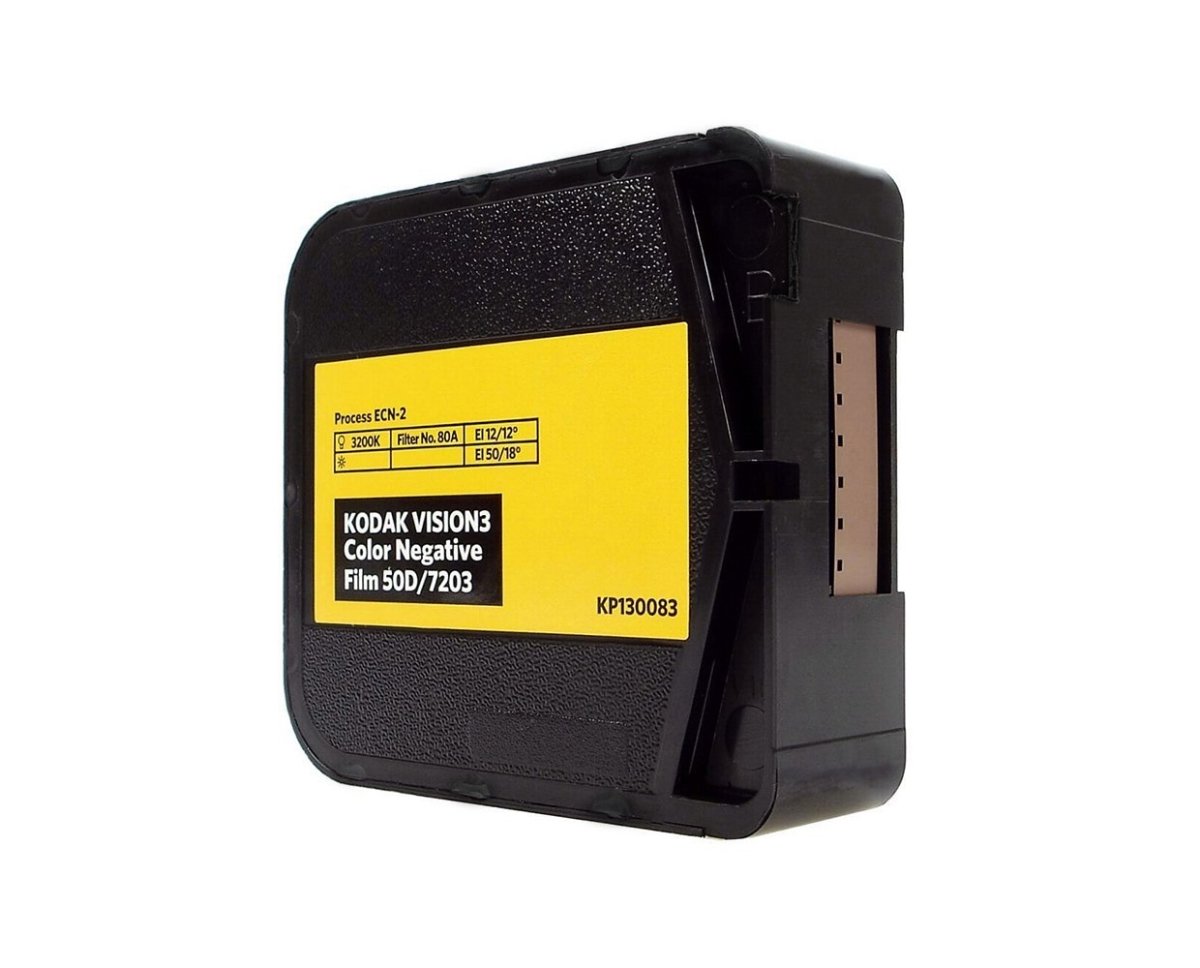
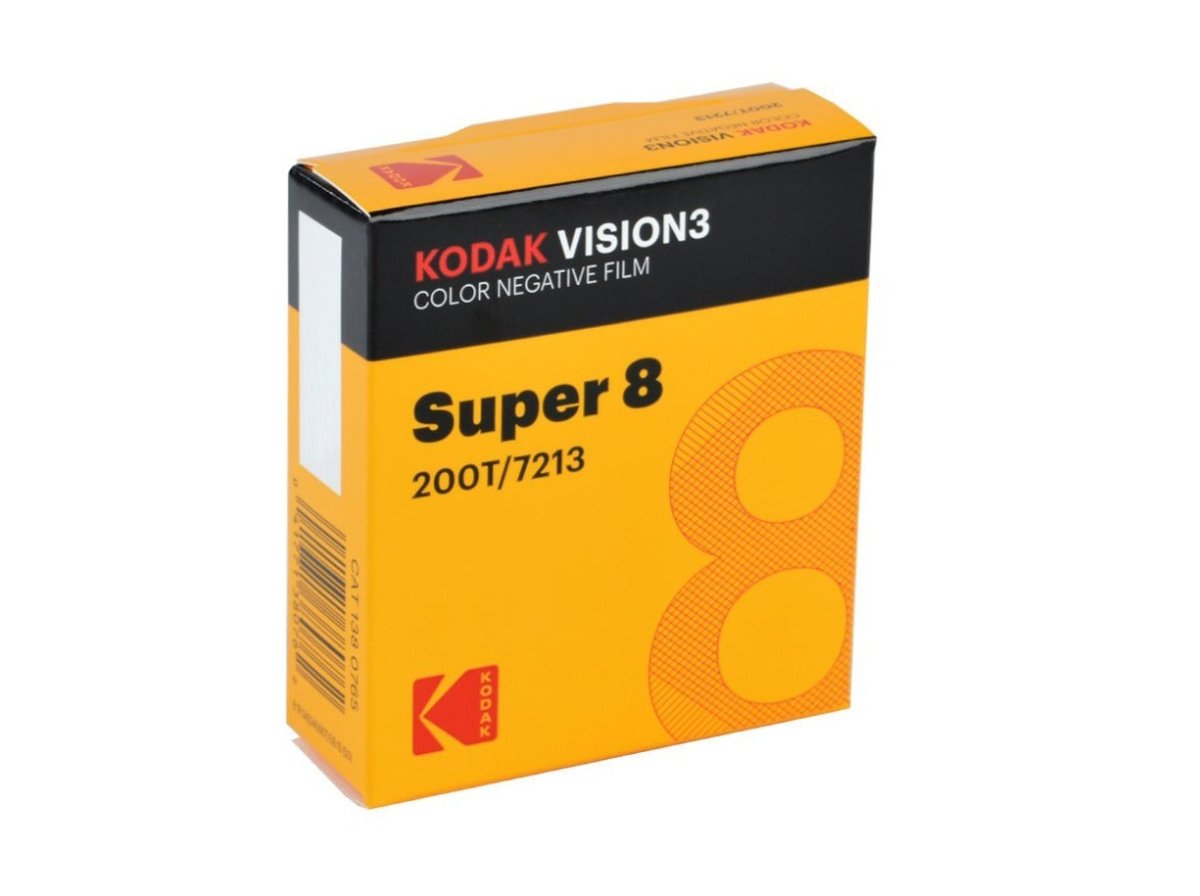
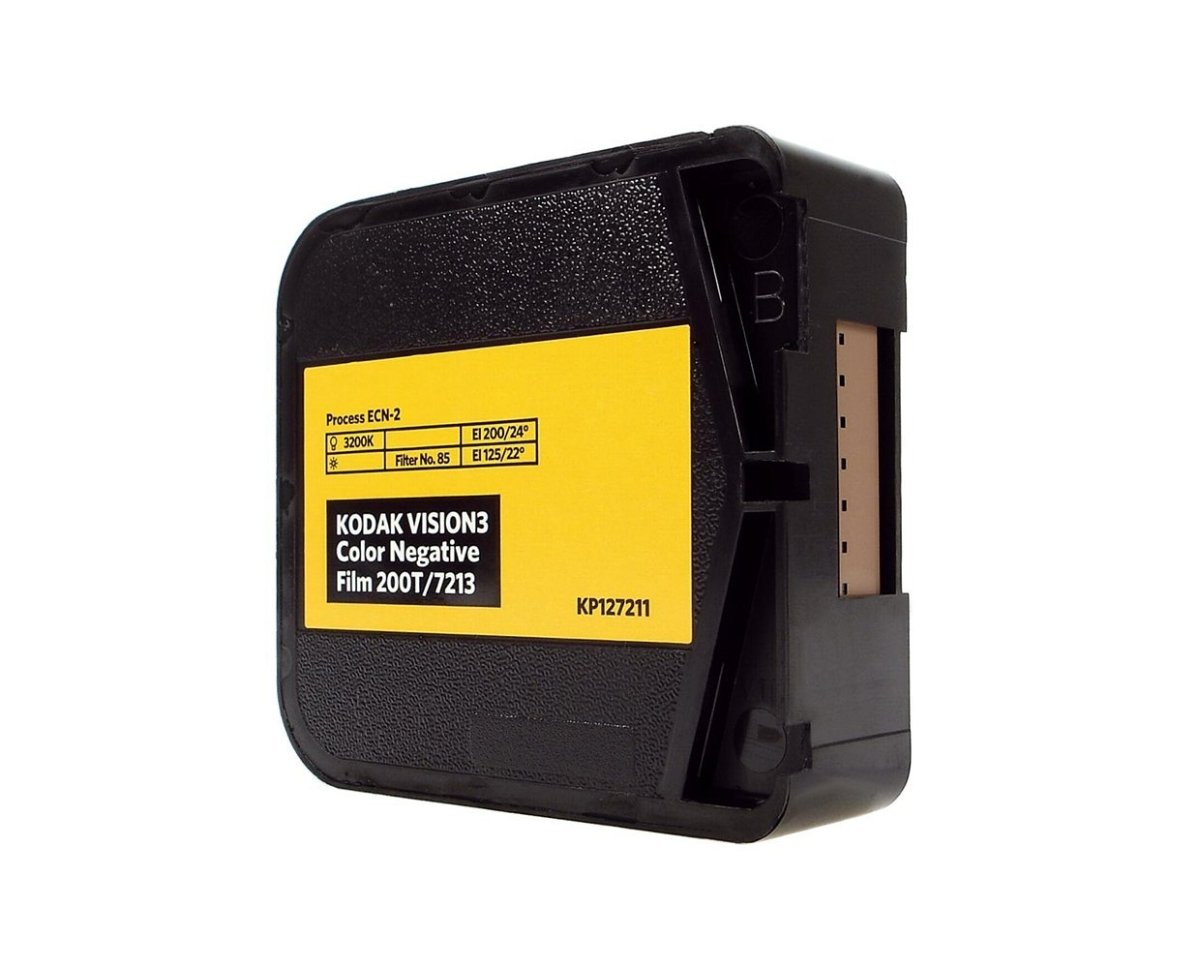
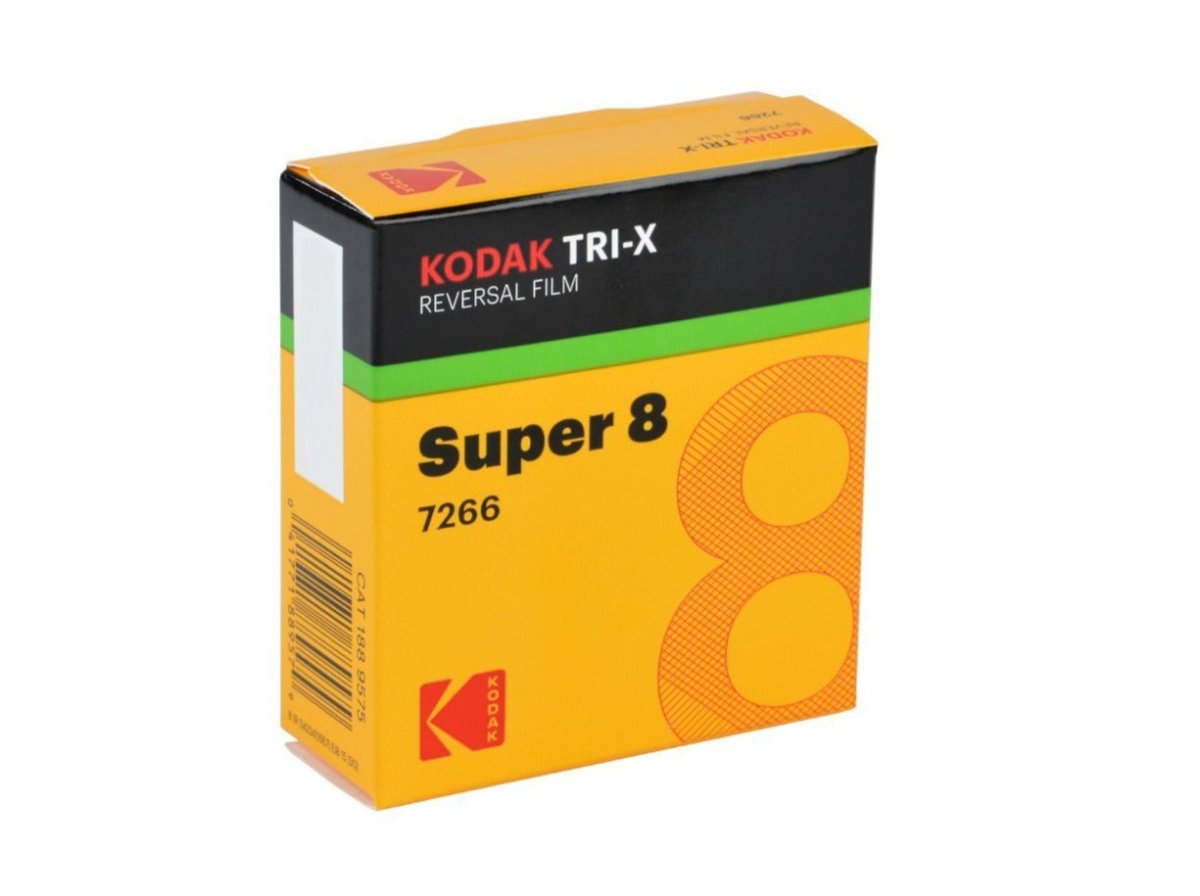
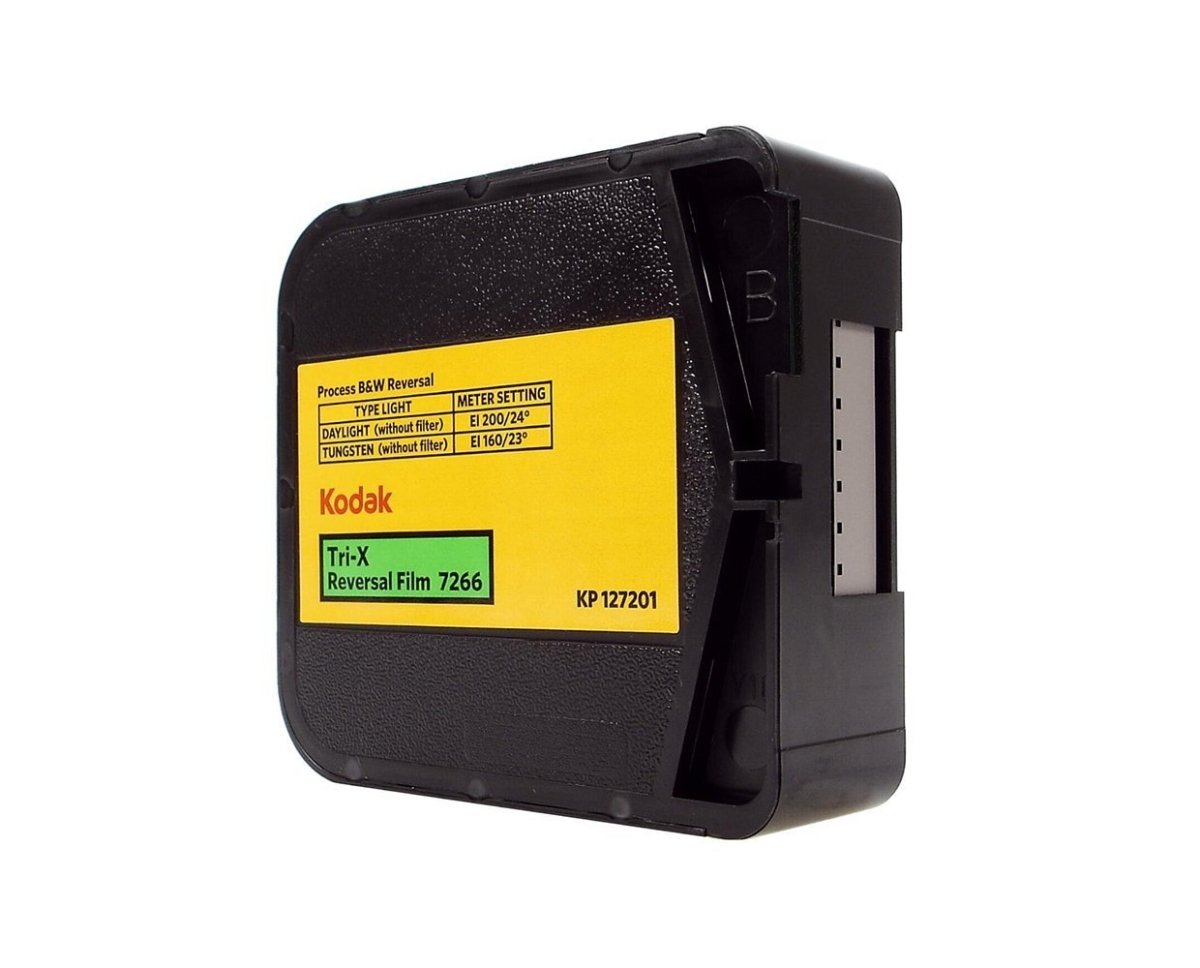
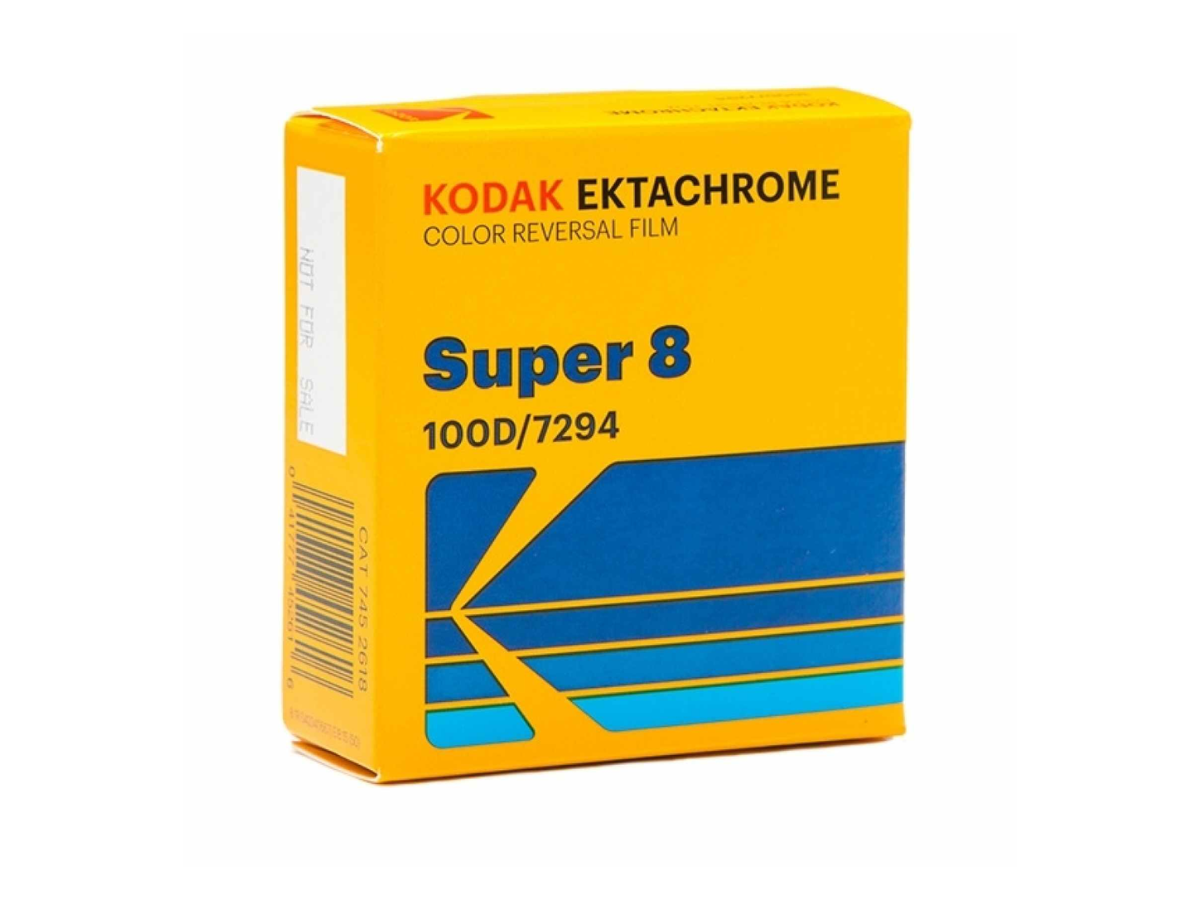
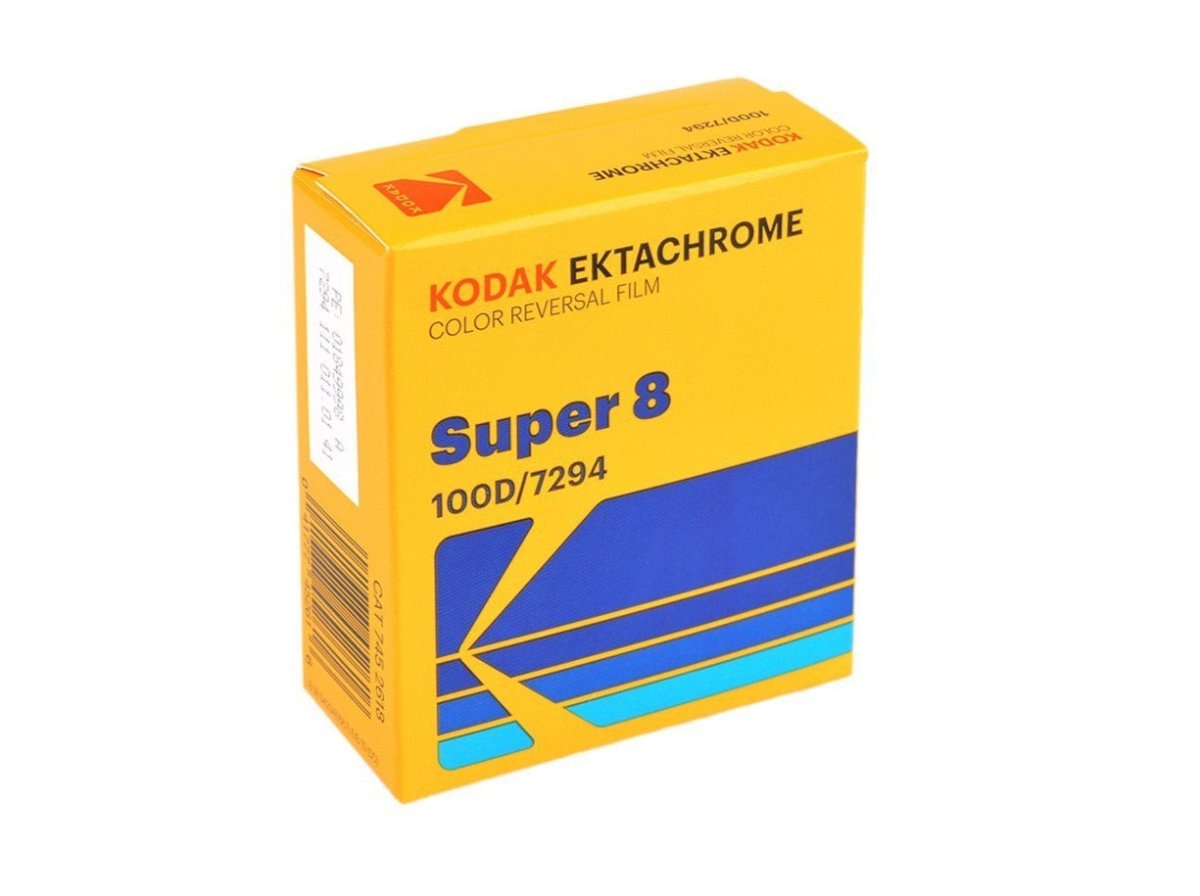
Common beginner choices
Each cartridge typically gives around three minutes of footage at 18 frames per second. If you're shooting to learn light and contrast, make sure you have a light-meter and some suitable lights to rig up for a real learning experience.
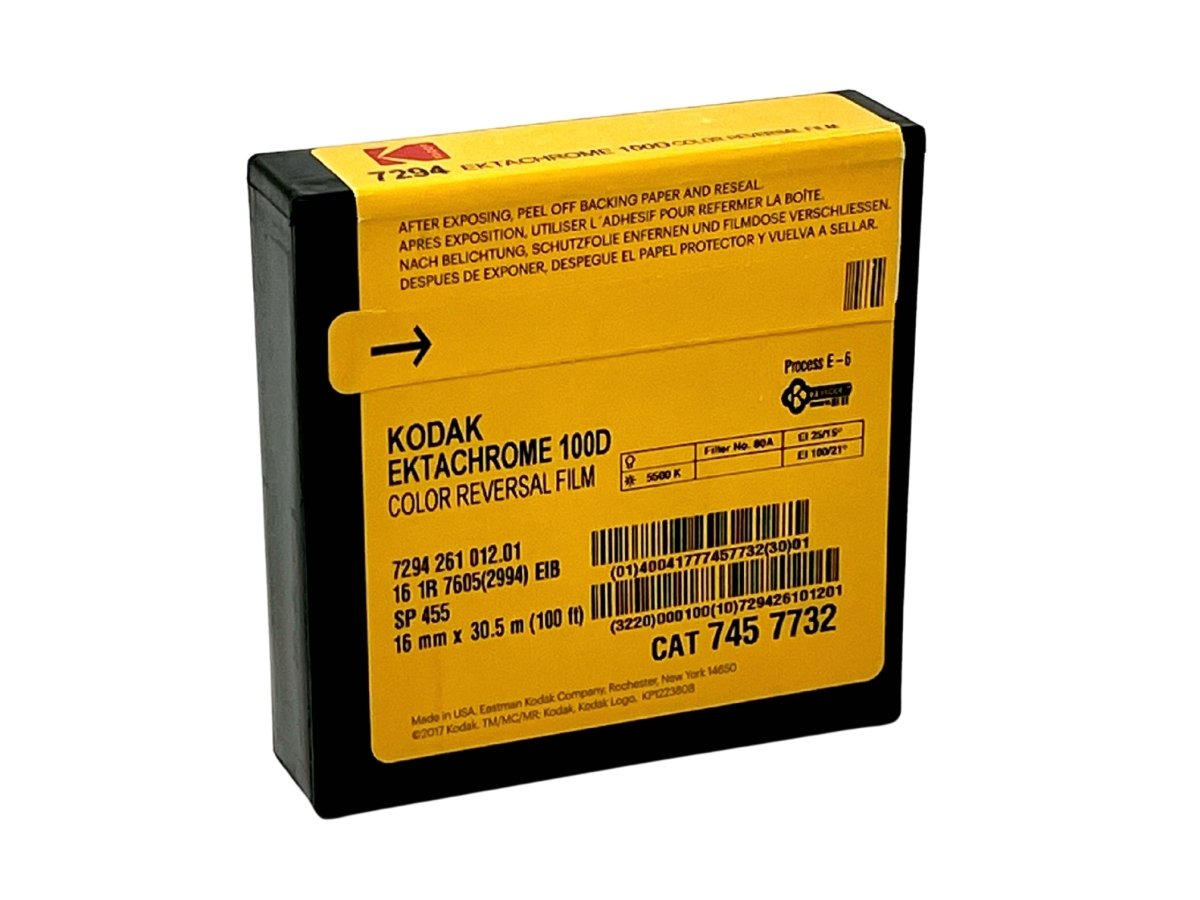
16mm film stocks
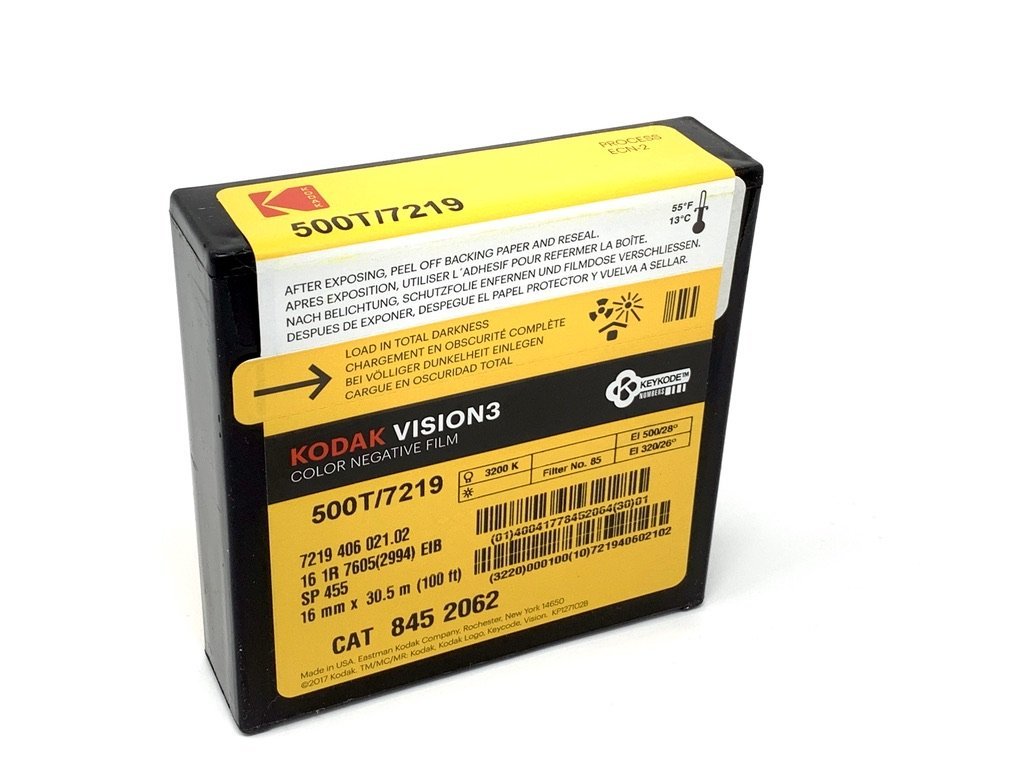
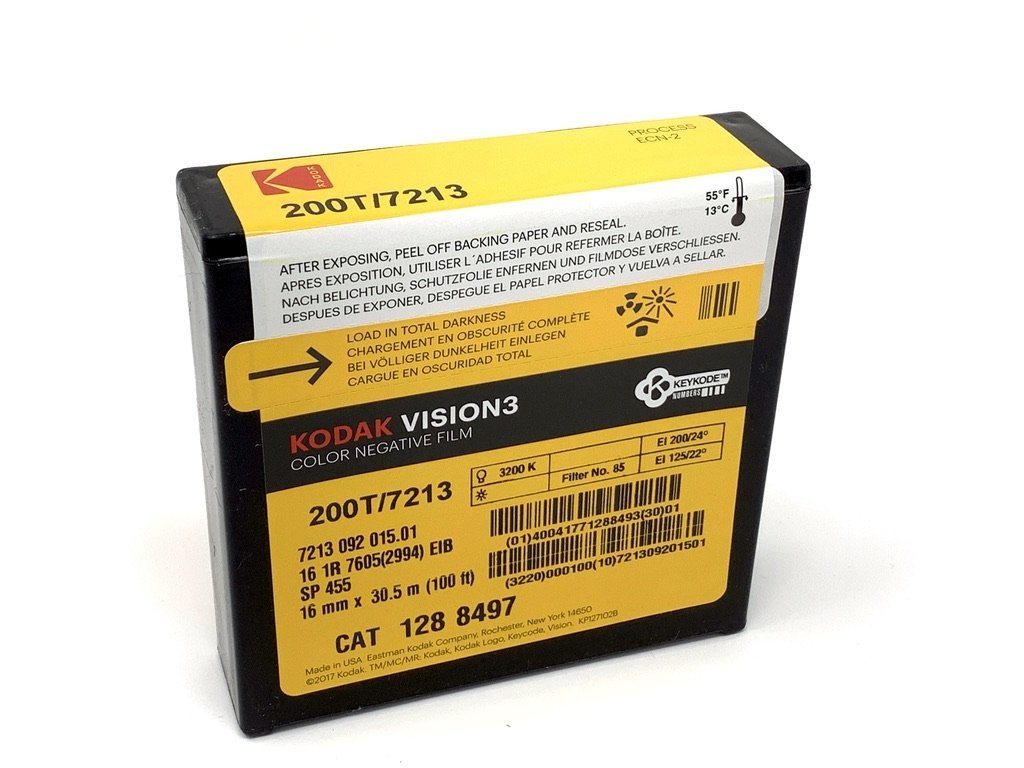
16mm film is available in daylight or tungsten balanced stocks and is loaded onto spools or into magazines.
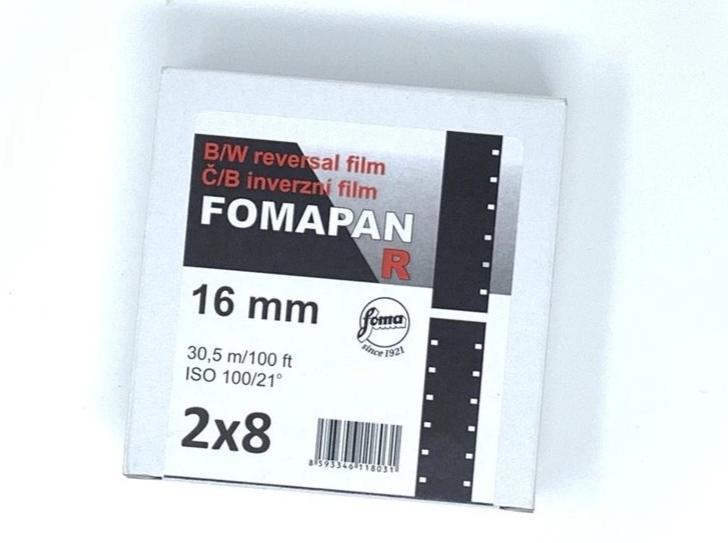
Beginner recommendations
Always store unexposed film in a cool, dry place.
Step 4: plan before you shoot
Film rewards preparation. I cannot stress this enough, without taking the 'fun' out of the medium, there is a reason why story-boarding or listing your shots will make the experience so much more worthwhile for you.
Before loading your camera:
- Decide what you are filming and why
- Think in short sequences rather than long takes
- Consider light, movement, and duration
A simple shot list or storyboard helps avoid wasted footage and builds confidence - investing in a planner or notebook will pay back dividends.
Step 5: shoot with intention
Practical shooting tips
- Hold shots longer than you think you need - the editing room will thank you.
- Avoid excessive camera movement - be fluid.
- Let action enter and exit the frame naturally - patience is key.
Super 8 often works best when treated as observational rather than rushed. With 16mm, deliberate framing and exposure choices make a noticeable difference.
Step 6: send your film to a professional lab
Once exposed, your film must be processed correctly.
A professional lab will:
- Develop motion picture film using the correct chemistry
- Handle film carefully to avoid damage
- Prepare your footage for scanning
Do not attempt home processing unless you are experienced and equipped.
Step 7: choose the right scan
Scanning converts your film into a digital file for editing, sharing, or archiving.
Scan considerations
- Resolution appropriate to your project
- Colour correction options
- File format for editing or delivery
High-quality scans preserve grain, colour, and dynamic range, ensuring your footage reflects what you shot.
The packages are split by the required resolution and compression (whether you want the film Full Frame or Overscan).
The summary of film resolution, file size and type is as follows:
Quality | Full Frame | Overscan | Best For |
Good | 800 x 608 MP4 (75MB) | 1080 x 608 MP4 (100MB) | Social Media and personal websites |
Premium | 2048 x 1556 MP4 (500MB) | 2764 x 1556 MP4 (675MB) | YouTube and basic editing |
Premium Plus | 2048 x 1556 ProRes HQ (5GB) | 2764 x 1556 ProRes HQ (6.75GB) | Commercial projects and detailed editing or colour grading |
Full Frame vs Overscan
Full frame is the native format of Super 8 movie film: it has an aspect ratio of 4:3 and only covers the image within each frame. Overscan includes the sprocket on the side of each image for an authentic analogue look, which extends the ratio to widescreen 16:9.
The price is the same for Full Frame / Overscan at each quality level - the choice is purely aesthetic for you!

Colour grading
Every Super 8 Home Movie will be colour-graded by a professional technician with knowledge of the emulsion used. This will result in an authentic look for your film that matches the intended aesthetic of the manufacturer.
Step 8: edit and archive
Once scanned, you can edit digitally using standard video software.
After editing:
- Store your original film in archival sleeves
- Keep film in a cool, dry environment
- Maintain backups of your scans
Your film is the master whereas your digital files are copies.
Recommended Starter Kit summary
Super 8
- Super 8 camera in good working condition
- Two to three cartridges of film
- Professional processing and scanning
16mm
- 16mm camera or rental
- Short end or single roll of film
- Professional lab processing and scanning
Starting small keeps costs manageable and learning focused.
Shooting movie film teaches sequencing. You begin to think in beginnings, middles, and ends. Even everyday moments gain meaning when they are framed as part of a story.
Community note: Most people learn analogue motion film by doing. Share test rolls, ask questions, and learn from others. The analogue community is collaborative by nature, and mistakes are part of the process. Every filmmaker you admire started with their first roll. Progress is collective and helps to keep the industry and community well and truly alive.
Explore our featured items
Follow us on Social Media
Ready to dive in?
Keep Reading
View all
Top Tips with the Kodak EC35 Film Camera - Sample Shots on a Disney Cruise
Paul takes a Kodak EC35 film camera on board a Disney cruise ship to test its suitability on a fast-paced family holiday

Film Photographers 🫱🏼🫲🏾 Bouldering
Our Analogue Adventurer headed into a dark and chalk-filled climbing gym to try and learn how to take fantastic bouldering photos on film
- Opens in a new window.