
Recent posts


Shop the article


Why Film Photography Matters in 2026
As a society, we’ve grown used to snapping photos on our phones for convenience, only for them to lose their meaning in an endless stream of digital images. But how much weight do these pictures really carry? And what impact is being chronically online and on our phones really having? You might find this surprising, but that’s where analogue photography comes in. It’s mindful, intentional, and deeply creative - everything we’re craving as we seek to reconnect with screen-free ways of living. Film photography is increasingly recommended as a healthy, creative hobby, regularly appearing across wellness and lifestyle spaces as a way to slow down and be more present. As more people strip back how they consume media and reconnect with their surroundings, film feels more relevant than ever in 2026.
Looking for more starter-friendly resources? Head to our Beginner’s Hub.
Header photo by © Corrine West.
Why Film, Why Now?
If you’re chronically online (ironic, given the nature of this blog - but many of us are 😅), you may have noticed a growing conversation in recent years, with 2026 even being described as the “age of analogue.” Some lifestyle experts are even referring to January as “Janalogue,” positioning it as an ideal time for a digital detox and a renewed focus on slower, more intentional living. It’s clear that a wider analogue revival is taking shape - and it’s happening for a few key reasons.
For younger audiences, particularly Gen Z, there’s a strong pull towards nostalgia and cultural moments, where past influences resurface and become meaningful again. We see it in photography through film, in music through vinyl and in fashion through vintage and second-hand clothing. Alongside this, and increasingly across all age groups, there’s a clear desire for screen-free activities in our always-connected world. Many of us are tired of staying indoors, endlessly scrolling on our phones and watching our photographic memories disappear into an overflowing camera roll.

Our Ambassador Heather Hughes captured this moment of me and my Lomography Diana F+ on our Halloween She Hearts Film photowalk.
Analogue photography offers a way out of digital overwhelm. It encourages you to go outside, slow down and practice noticing the small things. With no screen involved, the camera becomes a simple, tactile tool for turning everyday moments into intentional, lasting memories - even more so when they're printed, too! And it’s a valuable tool for supporting mental wellbeing too - something recognised by organisations such as the UK’s Mental Health Foundation. For more on the benefits of film for our mental health, read this blog.
A Slower, More Intentional Way to Make Images
There’s no denying that shooting film has its physical limitations, which explains why there was so much excitement around Kodak’s introduction of the first digital camera in 1975 - though it was a gradual transition over decades. Fast forward to today, many people are switching off from digital technology, craving creative, unique and perfectly-imperfect means of capturing their memories. This is where these limitations turn into opportunities. It’s a chance to encourage patience and deliberate thinking.
Film is slow by nature. There is no screen to check, no instant correction and no pressure to share immediately. You load a roll, step into the light (or get creative in the dark!), and make choices one frame at a time. That pace creates space to notice what you are doing and how you feel while doing it.
Because film requires a more deliberate process than digital, it often strengthens the memory behind the image. You’re not just more likely to remember the photograph itself, but the moment surrounding it - where you were, who you were with and how it felt. That’s what taking photos should be about: a visceral connection to people and places, not just producing images.
As someone who sits between Gen Z and millennial, I’m lucky to have experienced the thrill of collecting prints and negatives from Boots, then reliving those moments with my family. I’ve grown up hearing stories from my parents about waiting for their own parents to take photos on film - where “Hold still, wait a minute!” was often met with “Hurry up, we haven’t got all day!” Yes, film is more time-consuming. But that’s what makes it so valuable. When you can trace a photograph back to a specific moment and hold the result in your hands, the memory feels much more personal and long-lasting.

The moment you see your negatives is so special 😍
Slowing down is closely tied to intentionality. When you take your time, you think more clearly, make more deliberate choices and can create more meaningful images as a result. Film photography naturally supports this mindset by encouraging quality over quantity and presence over speed.
That said, film isn’t always slow. It can be fast, reactive and demanding too. Just look at Expired Film Club’s high-energy sporting work, where quick instincts and technical skill are essential. What makes Miles’ approach even more striking is not just that he’s shooting on film, but expired film - and within press pits dominated by digital cameras. A rare and refreshing turn of events 😆
And while sport is chaotic, few moments rival the intensity of childbirth. The BBC shared the story of new father Francis Sanders, who chose to capture his daughter Esther’s first moments on film. He described the results as having “a nostalgic effect and a sort of magic and character that you can’t capture with digital photography… photos that just have more feeling in them.” Enough said.
The Mindful, Creative Appeal of Analogue
When it comes to building habits and hobbies that genuinely support our mental health and wellbeing, analogue photography often emerges as a common thread. So much so that “going analogue” is becoming part of the wider cultural conversation once again - not for nostalgic reasons, but as a meaningful response to digital overload and reducing stress or anxiety. The Independent predicts that searches for “digital detox” will reach an all-time high in 2026, as screen-free living is increasingly being framed as a wellness trend.
So, why shoot film? What makes analogue photography so compelling right now? At its core, it’s the combination of tactility and presence. Amidst constant notifications and infinite scrolling, film offers a fully hands-on, screen-free experience. Without distractions, the act of making photographs becomes grounding - helping us slow down and feel more engaged with the moment we’re in. That sense of presence becomes even more apparent in the darkroom. Shooting film is a journey. It’s a process you can step into at any point and shape around your own skill level, available time and creative ability. And there’s no single right way to do it.
Film adapts to you, not the other way around, making the experience deeply personal and entirely subjective. Low on energy? Film’s slower, more mindful process lets you create at your own pace, without pressure. Feeling energised? Take that momentum into a lively setting that matches your mood and make something special - like during a community photowalk.
Modern camera and film manufacturers are also responding to today’s digital habits, budget awareness and social-first ways of shooting. A prime example is the much-anticipated Pentax 17, released in 2024 and designed with contemporary photographers in mind. Its vertical viewfinder suits social sharing, the half-frame format doubles the number of shots per roll for added value, and its mix of point-and-shoot simplicity with manual controls allows for creative choice.

The half-frame Pentax 17 film camera has been a firm favourite since its release.
Meanwhile, Lomography continues to champion creative, experimental image-making. From fisheye lenses and build-your-own camera kits to colour flash filters and their distinctive LomoChrome films, the brand encourages photographers to prioritise curiosity and playfulness over perfection.
Choosing Presence Over Perfection
If you’re looking for a mindful activity that keeps you grounded in the present moment, film photography has you covered. One of the most rewarding things about shooting film is the freedom to make mistakes. It’s less about technical perfection and more about the journey - a process rooted in curiosity, experimentation and learning. Film invites a slower, more laid-back way to flex your creative muscle, but on your own terms. It’s not just about the final image, but everything that leads up to it: slowing down, noticing the small details around you, anticipating the outcome without instant gratification and learning from a limited number of frames. Each roll becomes a moment of reflection - what could I try next time?
Shooting film encourages you to value the process, embrace imperfections and release the pressure to produce or share instantly. Working at your own pace and to your own output makes pushing creative boundaries feel easier and more natural. There’s something truly magical about perfectly-imperfect images and happy accidents (such as double exposures). In a sea of AI-generated visuals, film creates space for authenticity - something many of us are craving in an increasingly saturated digital world.

A stunning double exposure by Rachel White on Holga camera with Lomography Purple 120 film.
Starting Your Film Photography Journey
Starting a new hobby - even a mindful one - can feel a little daunting. The beauty of film photography, though, is how simple it can be. By stripping things back, you can approach it with curiosity rather than pressure, excitement rather than expectation. And there’s no better moment than the start of a new year to dip your toes into film photography and kickstart a creative journey that feels intentional and rewarding. While the new year often brings a focus on goals and self-improvement, embracing an analogue hobby invites a different way of thinking. Film encourages you to reflect on what you value, choosing a creative practice that fits into your life rather than competing with it. Many people in the analogue community describe film as their reason to walk more, notice more and feel more connected to everyday moments.
If you’re looking for guidance as you begin, you’ve come to the right place! Below are a few simple recommendations to cut through the noise and help you get started with confidence. For a more in-depth overview of the basics, check out our Beginner’s Hub.
Recommended products to get started
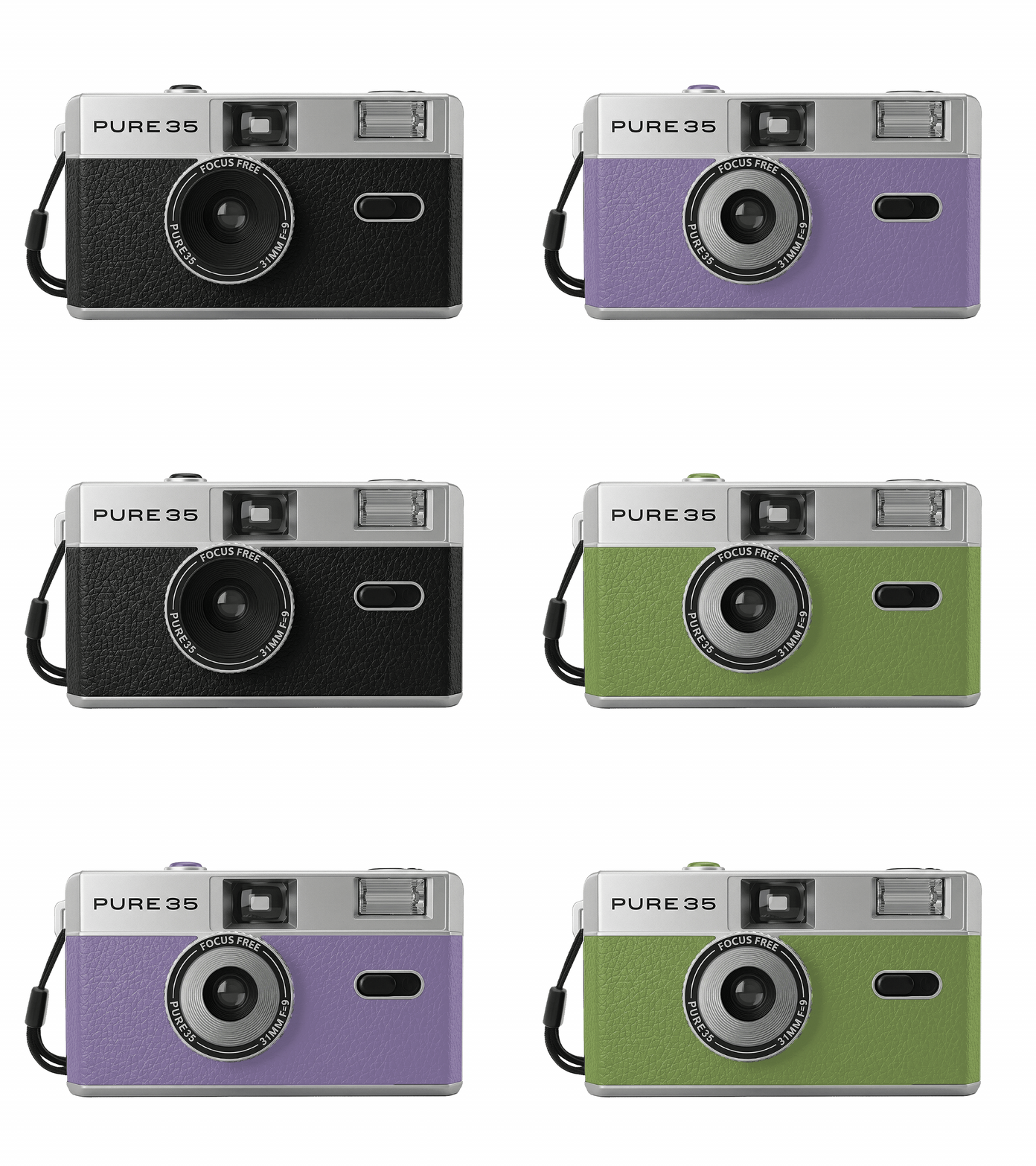
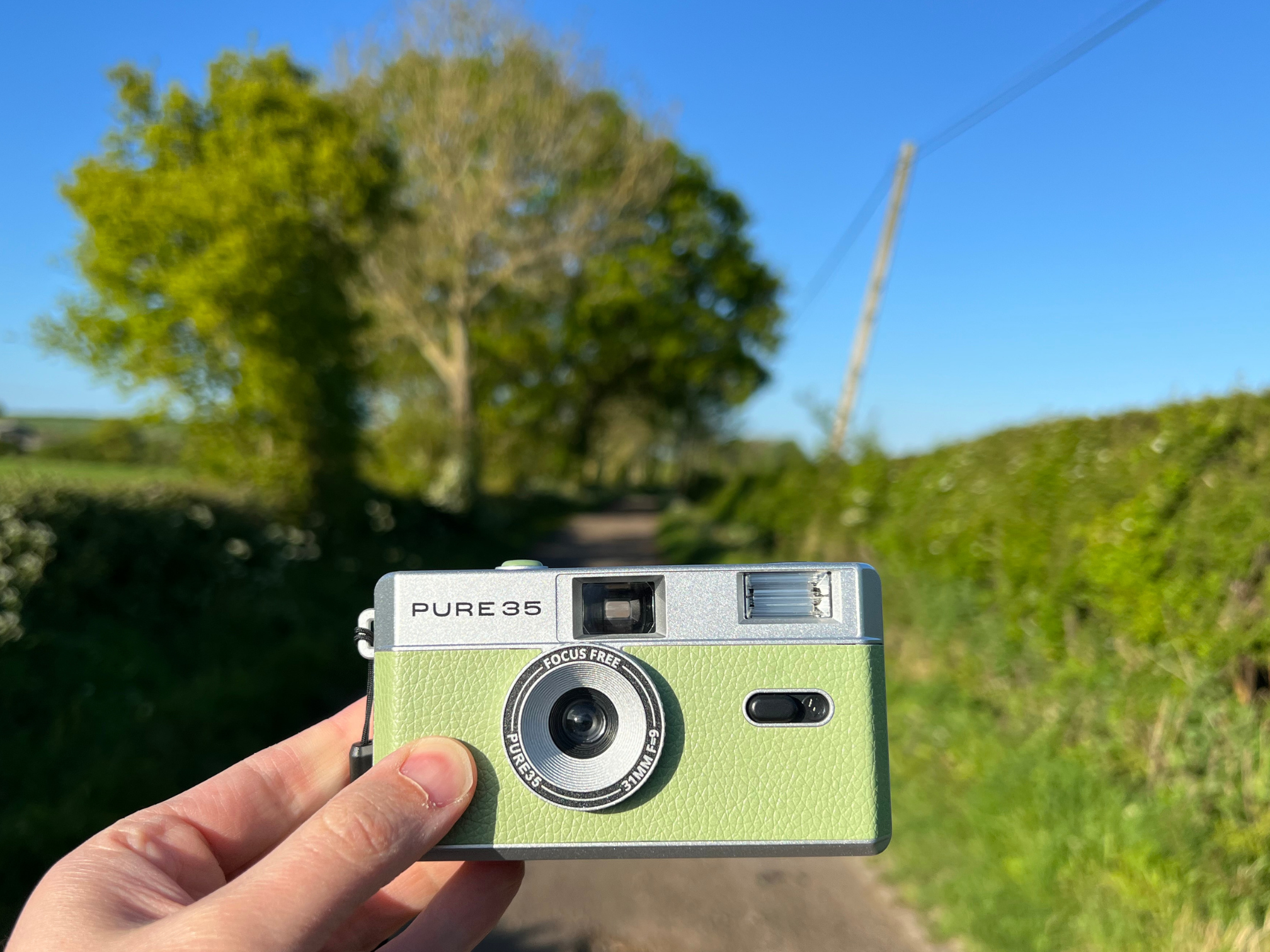
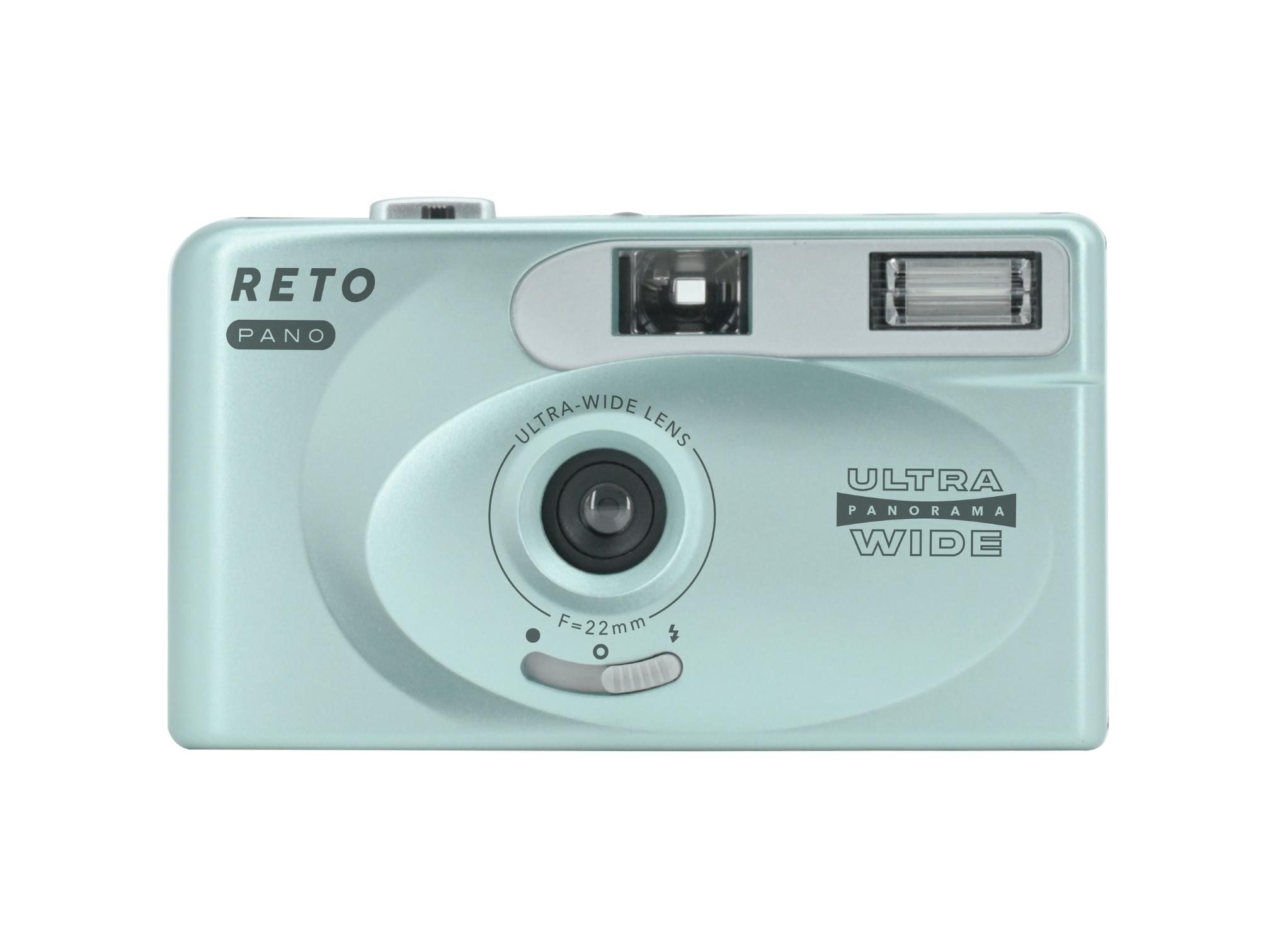
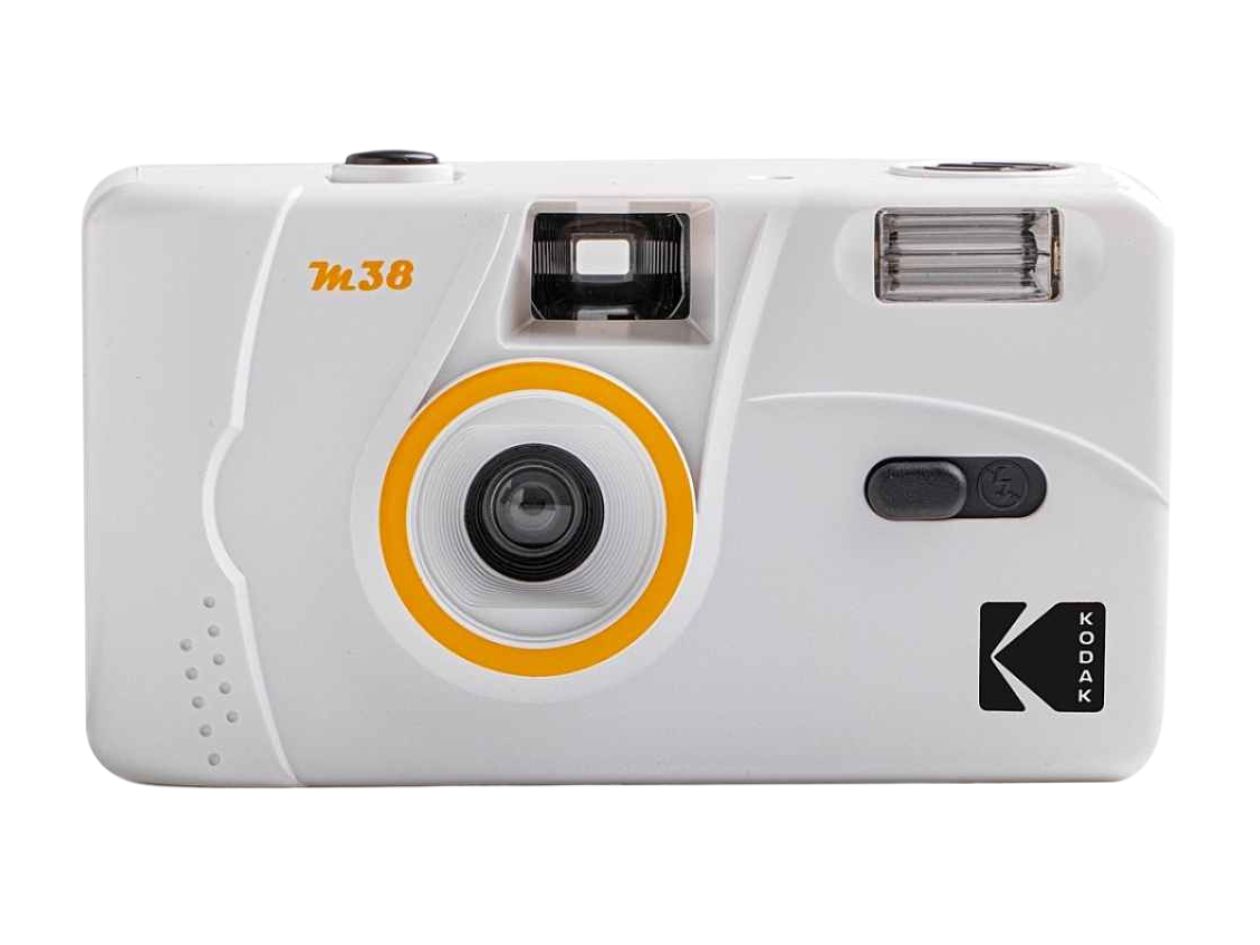
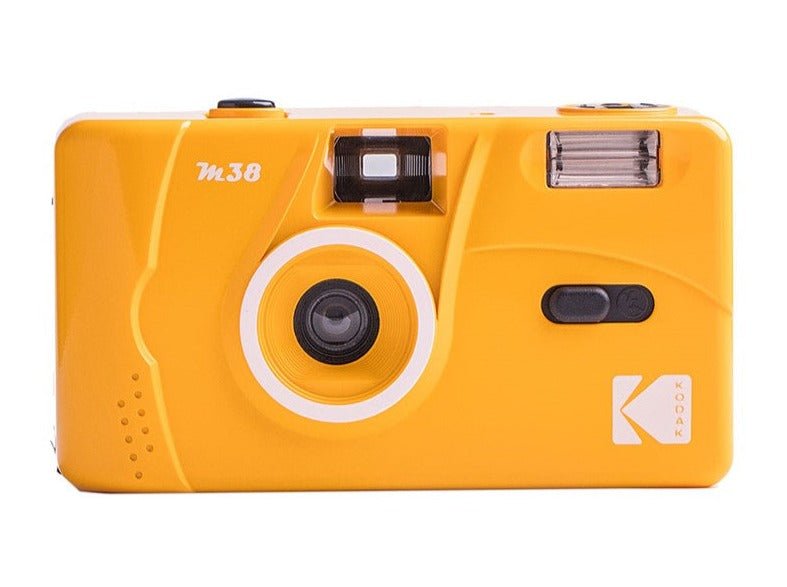
Camera: A simple point and shoot or manual SLR is all you need. We stock plenty of compact, easy-to-use point and shoot cameras such as the Reto Pano, Kodak M38 and Lomography Simple-Use models. If you’re keen to get more hands-on straight away, manual SLRs can often be found second-hand via trusted marketplaces or local camera shops.
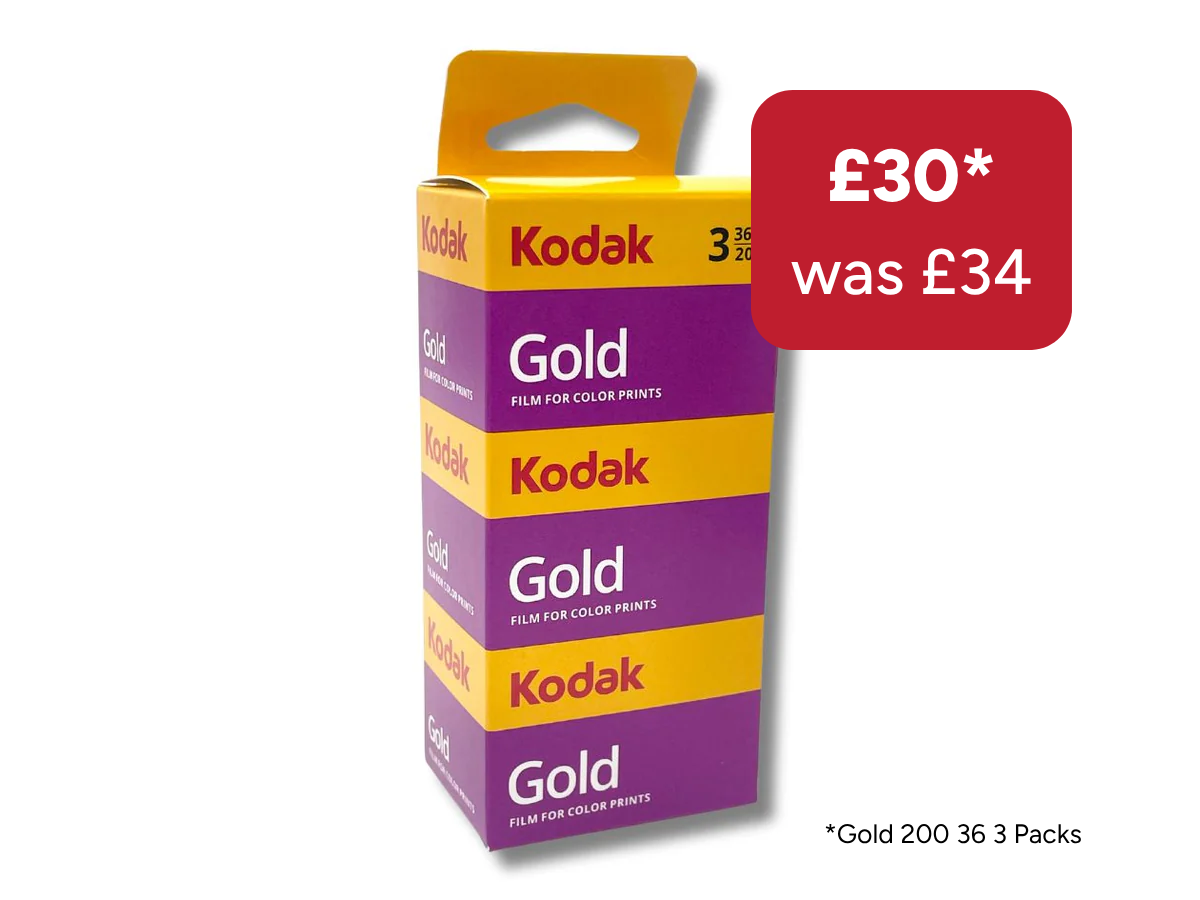
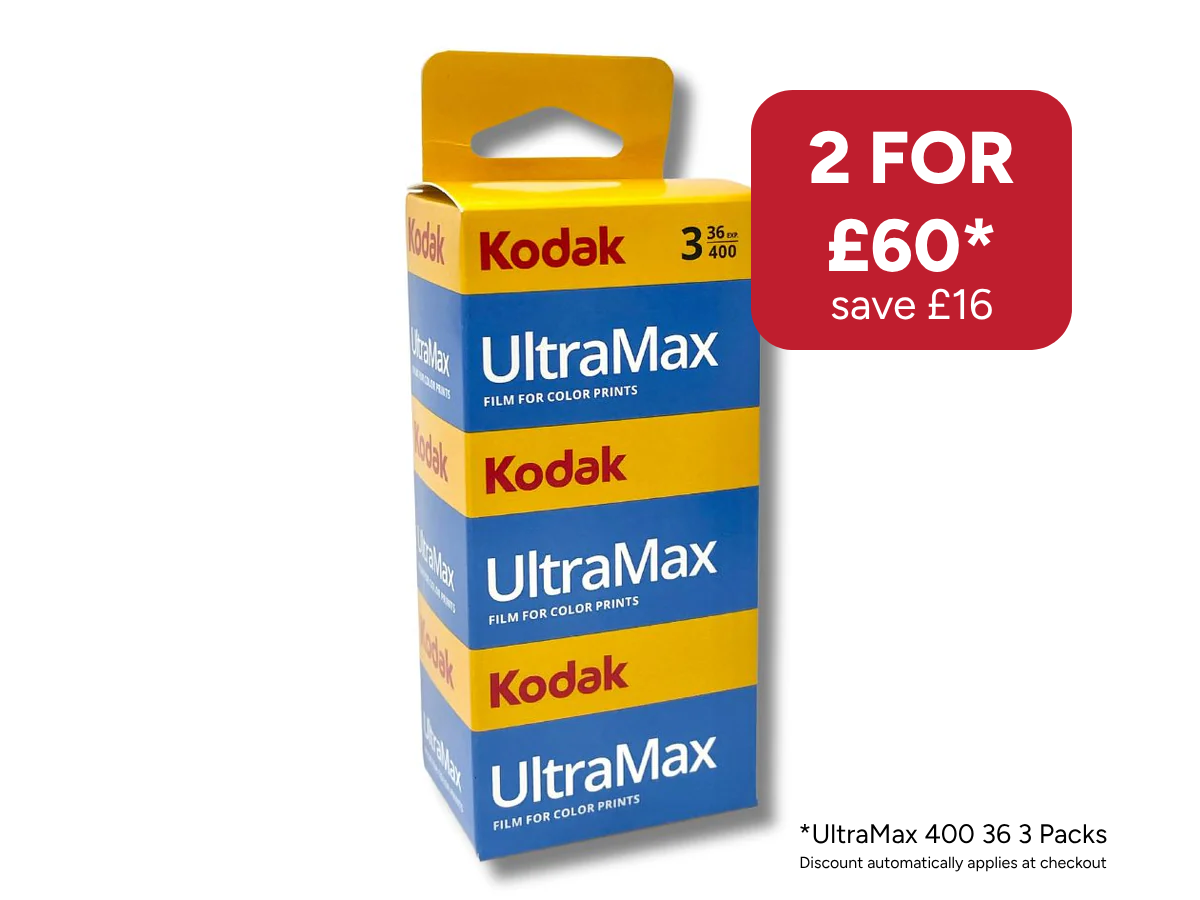
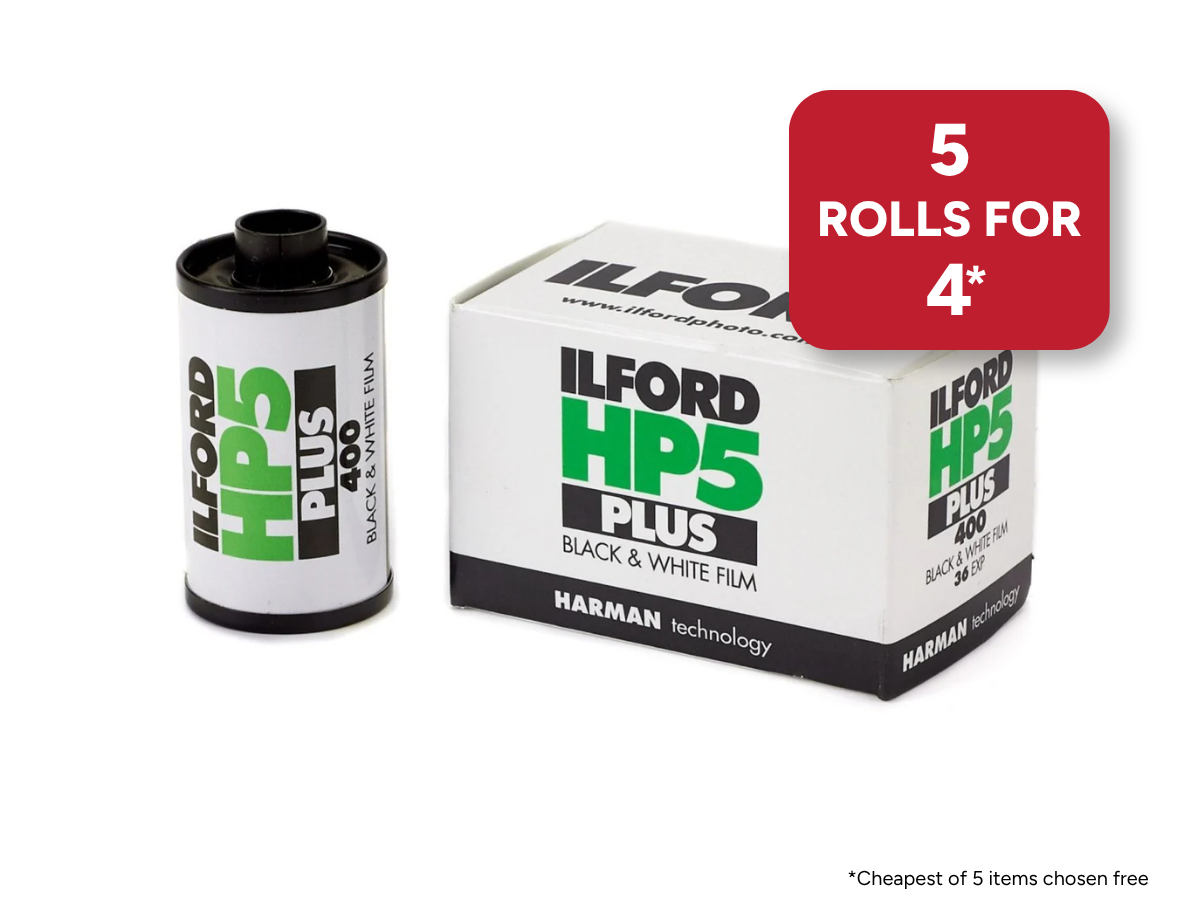
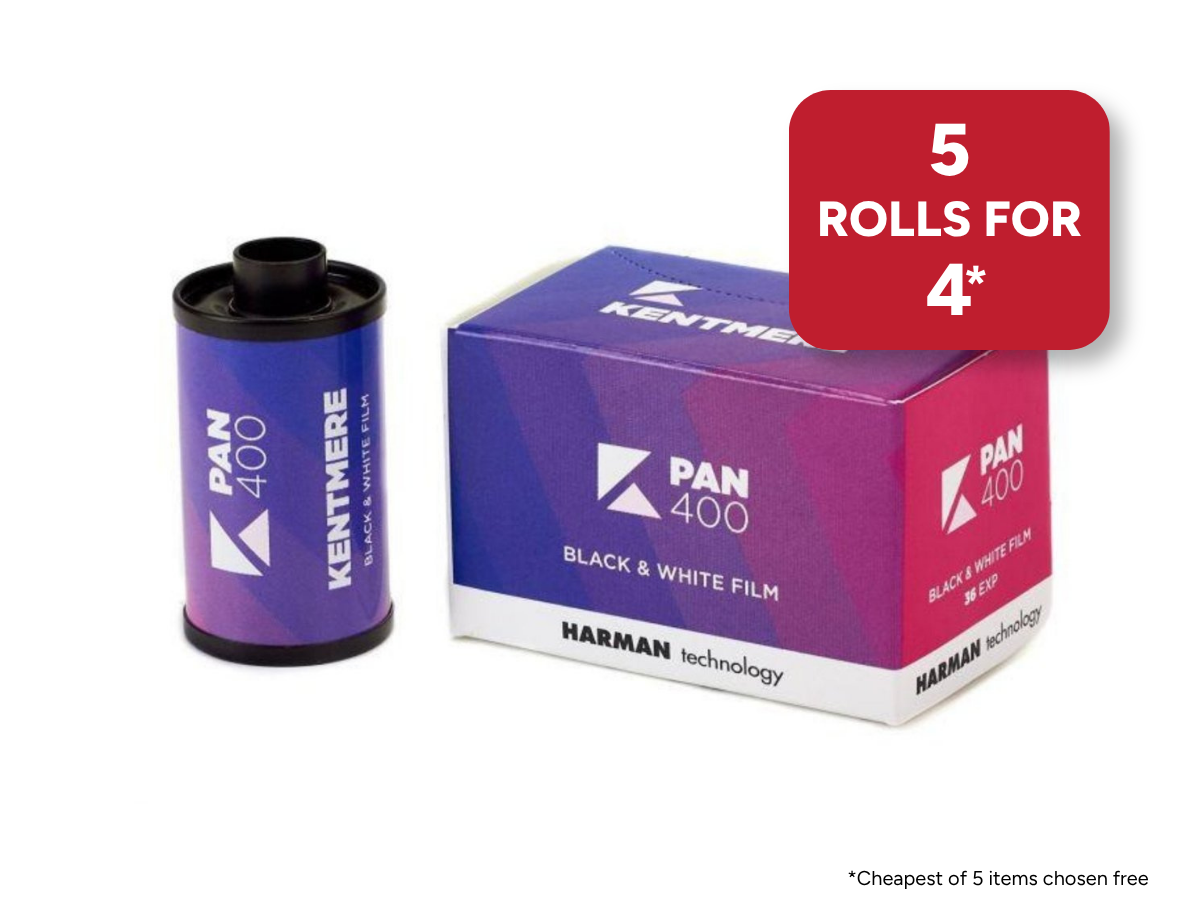
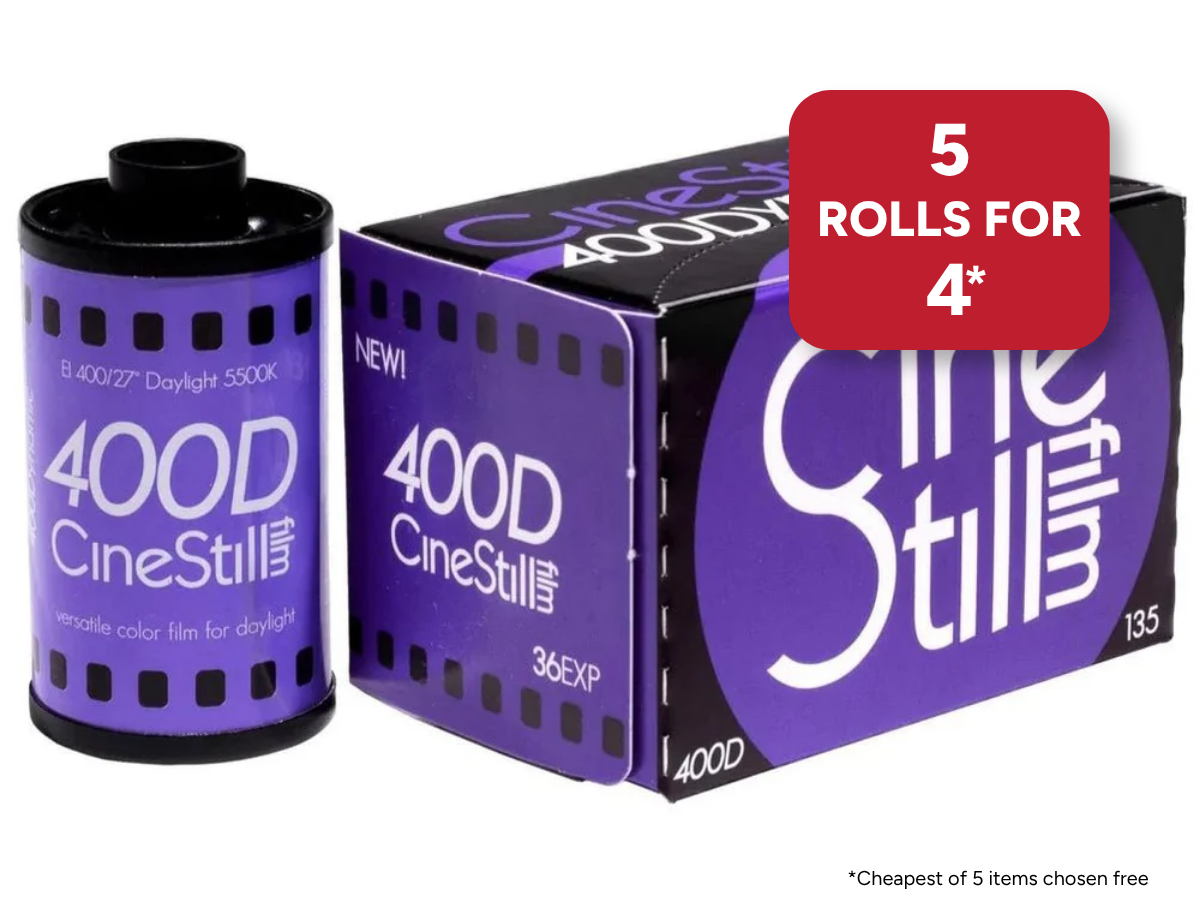
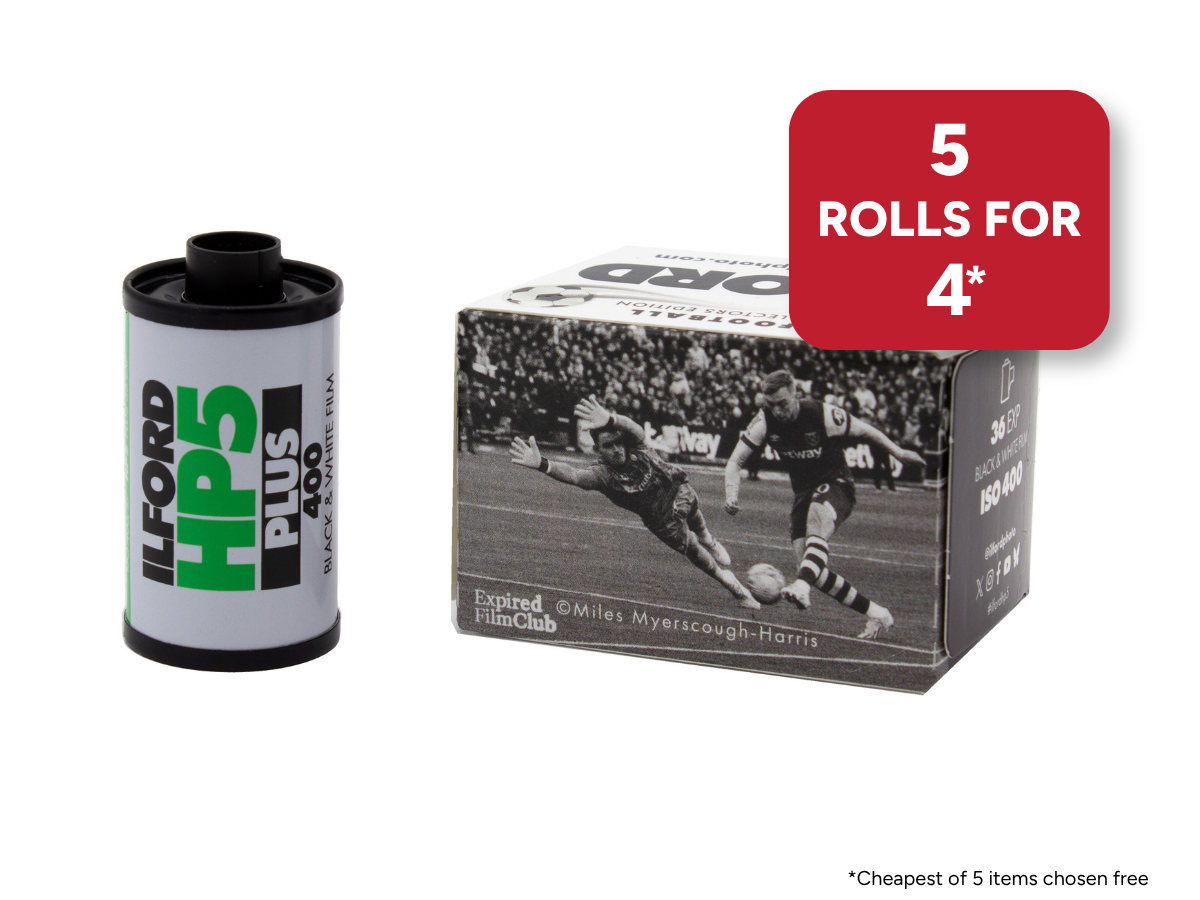
Film: Start with 35mm black and white or colour film rated at ISO 400 for maximum flexibility. Our best-selling colour films include Kodak UltraMax and CineStill 400D, while popular black and white choices include Ilford HP5 and Kentmere 400.
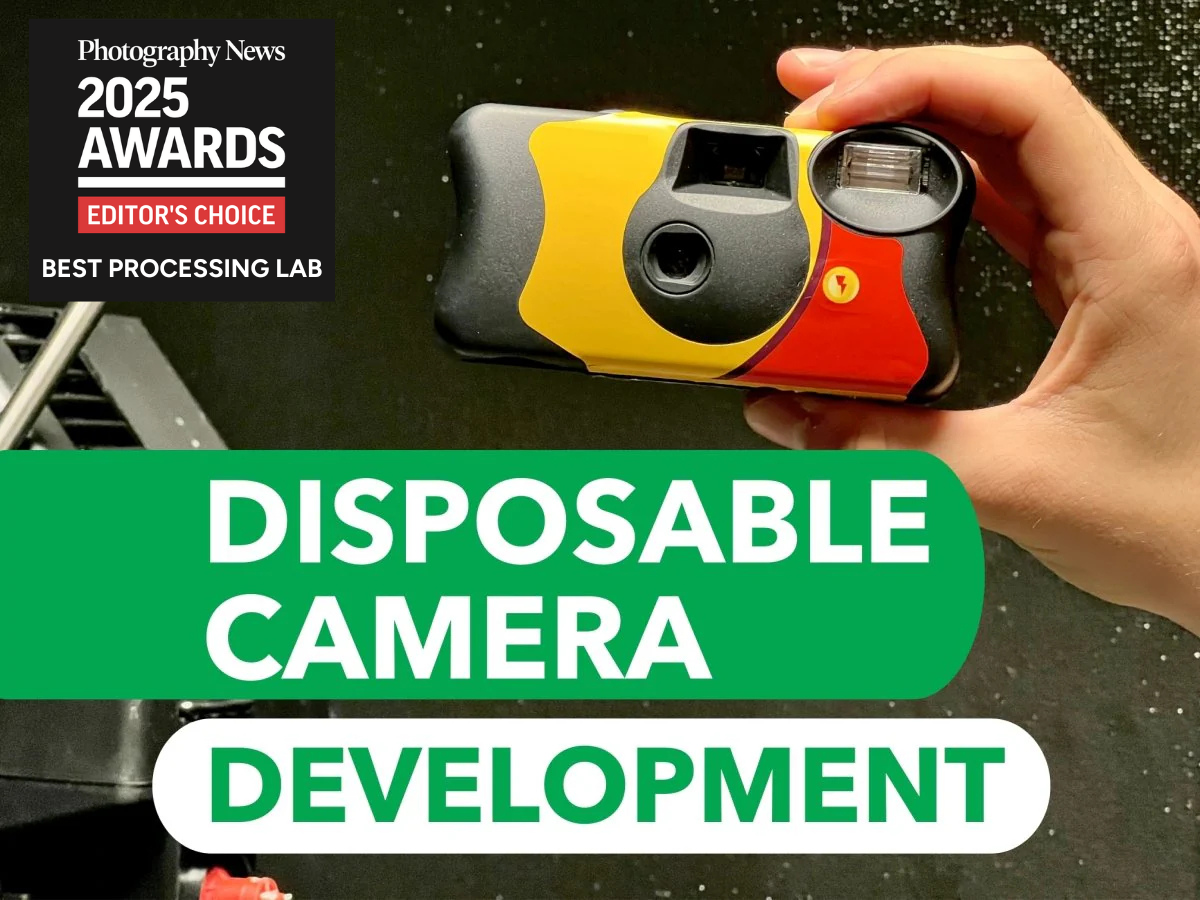
Lab Processing: Let the experts handle the rest. Using a professional lab for processing and scanning helps establish a reliable baseline while you’re learning. Our award-winning WonderLab treats every roll as if it were our own, with the utmost care from start to finish.
If you already have a little experience under your belt and want help setting intentions for the year ahead, check out our blog on defining your film photography New Year’s resolutions - or simply use it to spark a few fresh ideas.
Once you’ve got your camera, film and lab setup sorted, the world really is your oyster. You can dive deeper whenever it feels right, exploring new cameras, films and techniques at your own pace. Add in a supportive community of photographers and 5-star customer service here at Analogue Wonderland, and you’re well on your way to adopting a mindful hobby that prioritises intentionality and creativity. So, why film, why now? We’re welcoming 2026 with open arms, as the 'age of analogue' - with film photography taking centre stage in your wellness journey.
Explore our featured items



Mix & Match - 5 for 4Best SellerNEW
Follow us on Social Media
Ready to dive in?
Keep Reading
View all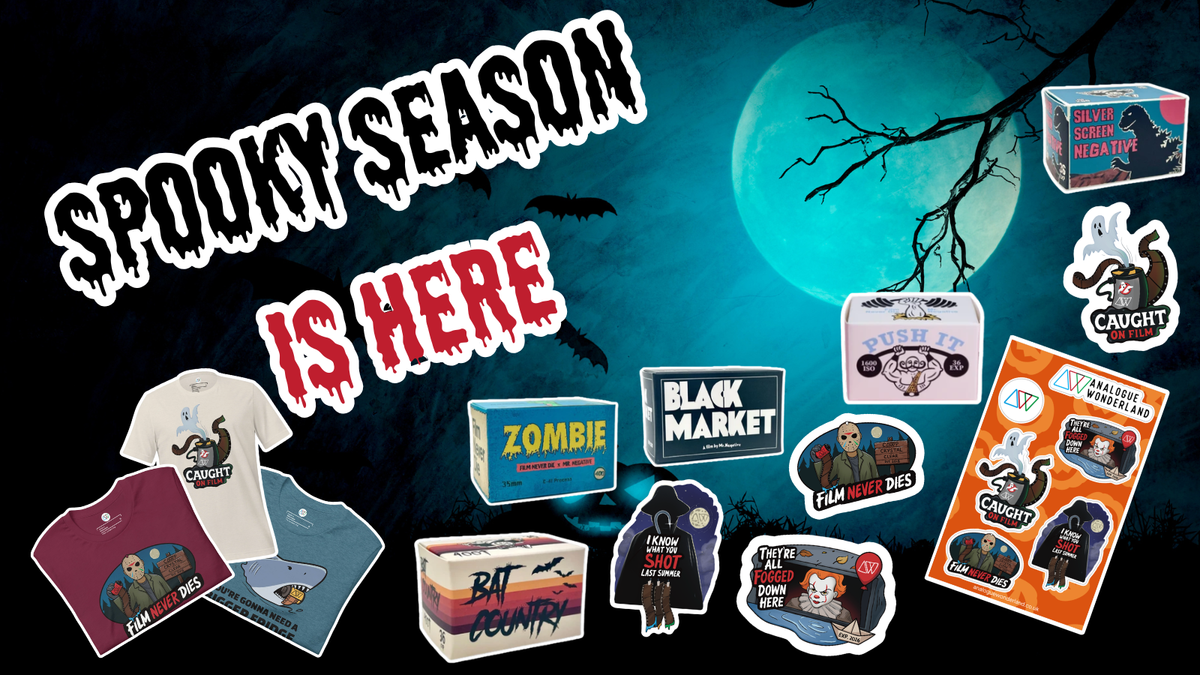
Halloween Has Arrived at AW: Spooky Stickers, Creepy-Cool Tees & Films for Darker Days
It's Spooky Season here at Analogue Wonderland and we love to sink our teeth into new products, horror designs and of course, the best films fitting for this time of year.
Kodak Summer Competition 2026 - Winners Announced! 🏆
We announce the winners of this year's Kodak Summer Competition!
- Opens in a new window.
1 Comment -
Cut Out Image Retouching •
Really love this perspective on film photography—especially the focus on slowing down and creating more intentional images. In a fast digital world, that mindset is refreshing. Thoughtful editing and presentation can further enhance the emotional impact of these timeless shots.