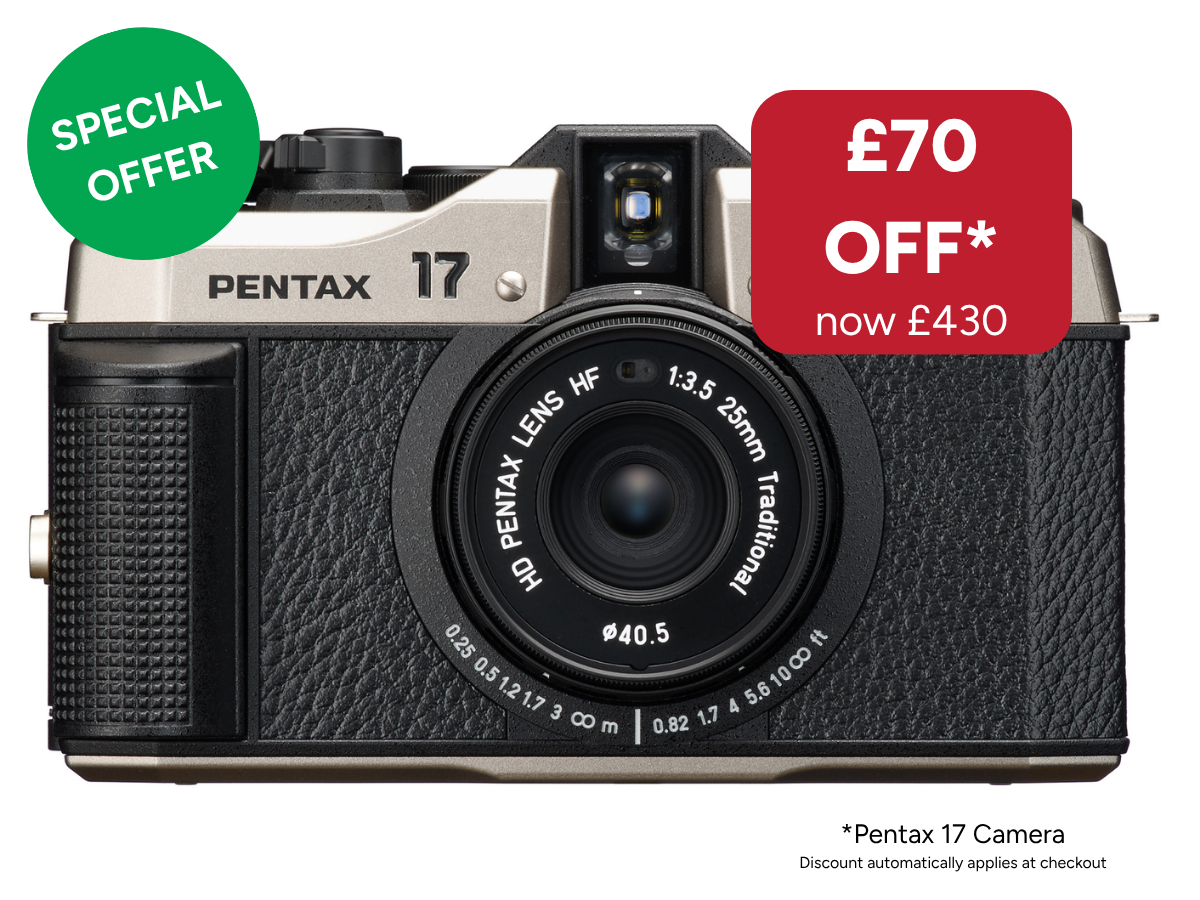
£70 OFF Pentax 17 Camera. Discount applies at checkout.
£70 OFF Pentax 17 Camera. Discount applies at checkout.
£70 OFF Pentax 17 Camera. Discount applies at checkout.
£70 OFF Pentax 17 Camera. Discount applies at checkout.
£70 OFF Pentax 17 Camera. Discount applies at checkout.
£70 OFF Pentax 17 Camera. Discount applies at checkout.
£70 OFF Pentax 17 Camera. Discount applies at checkout.
£70 OFF Pentax 17 Camera. Discount applies at checkout.




Features & Specification
Description
Payment & Security
Your payment information is processed securely. We do not store credit card details nor have access to your credit card information.
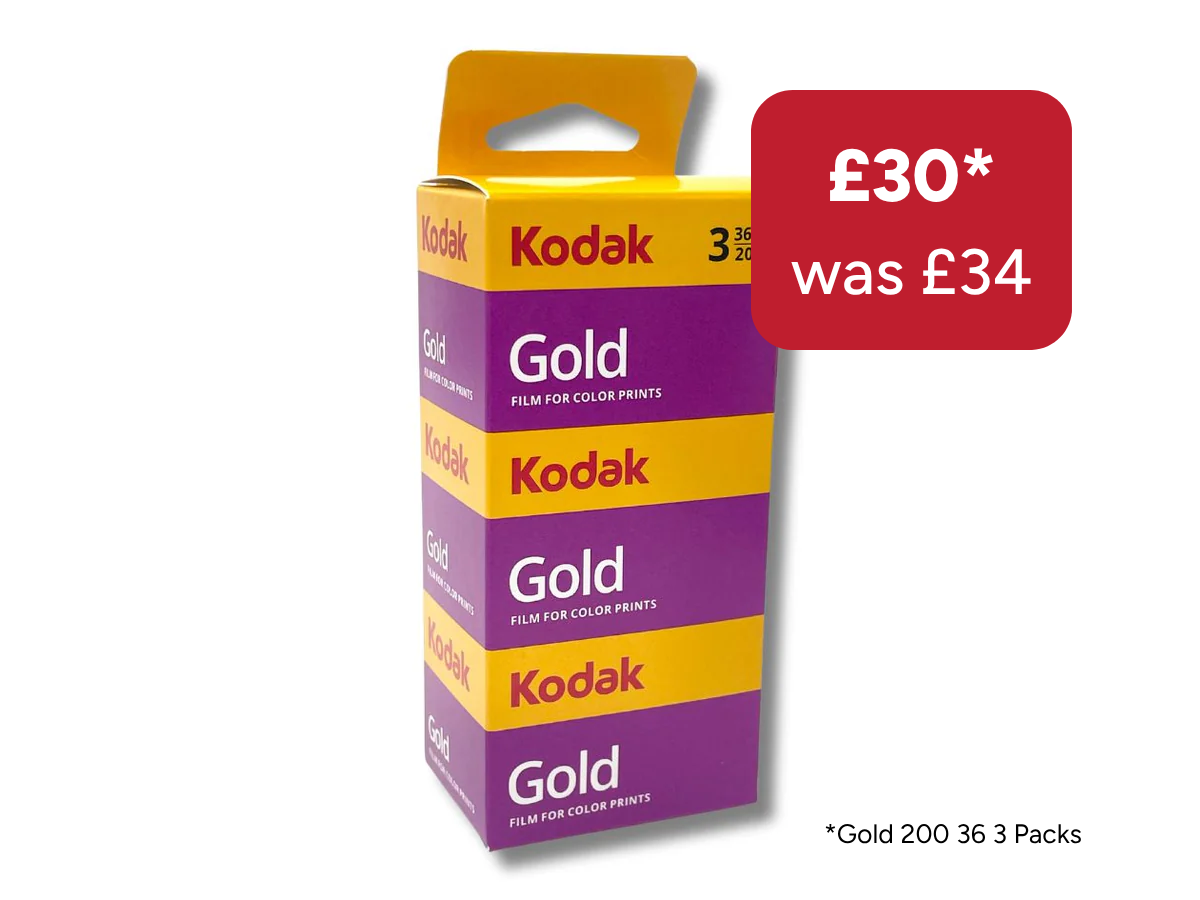
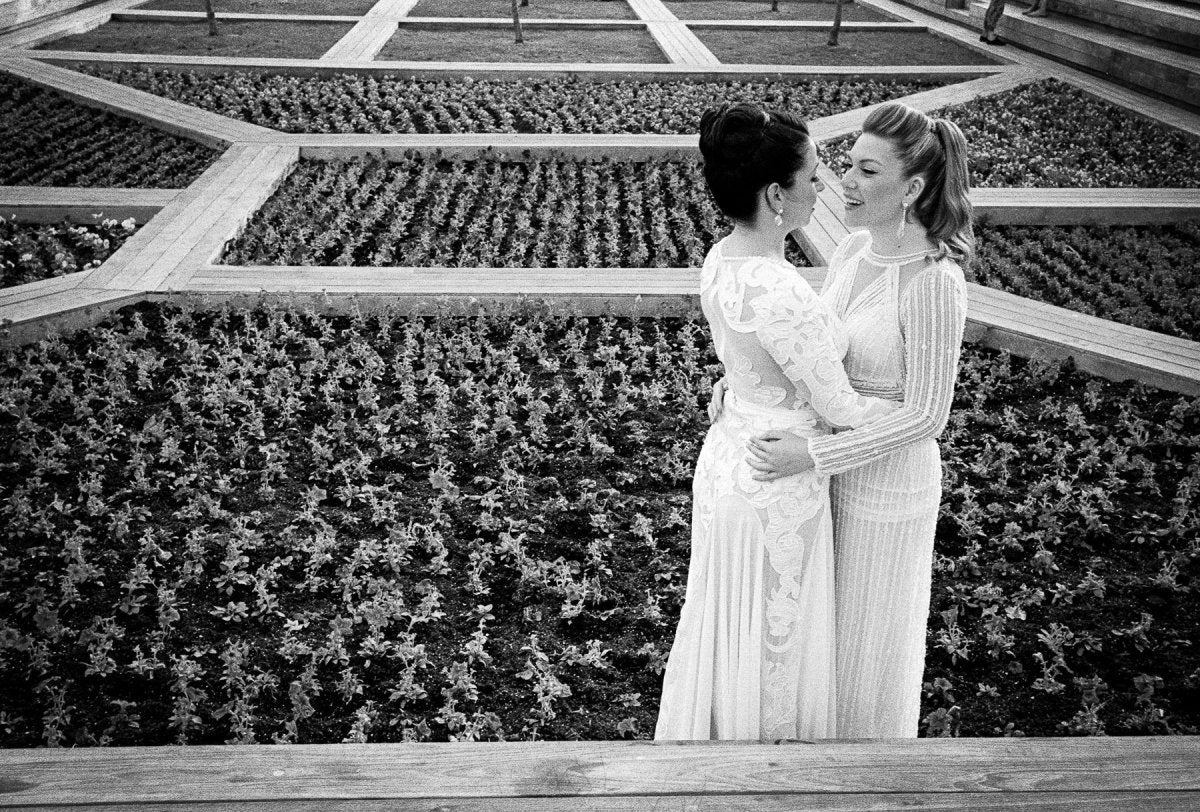
PENTAX 17 users enjoy these films


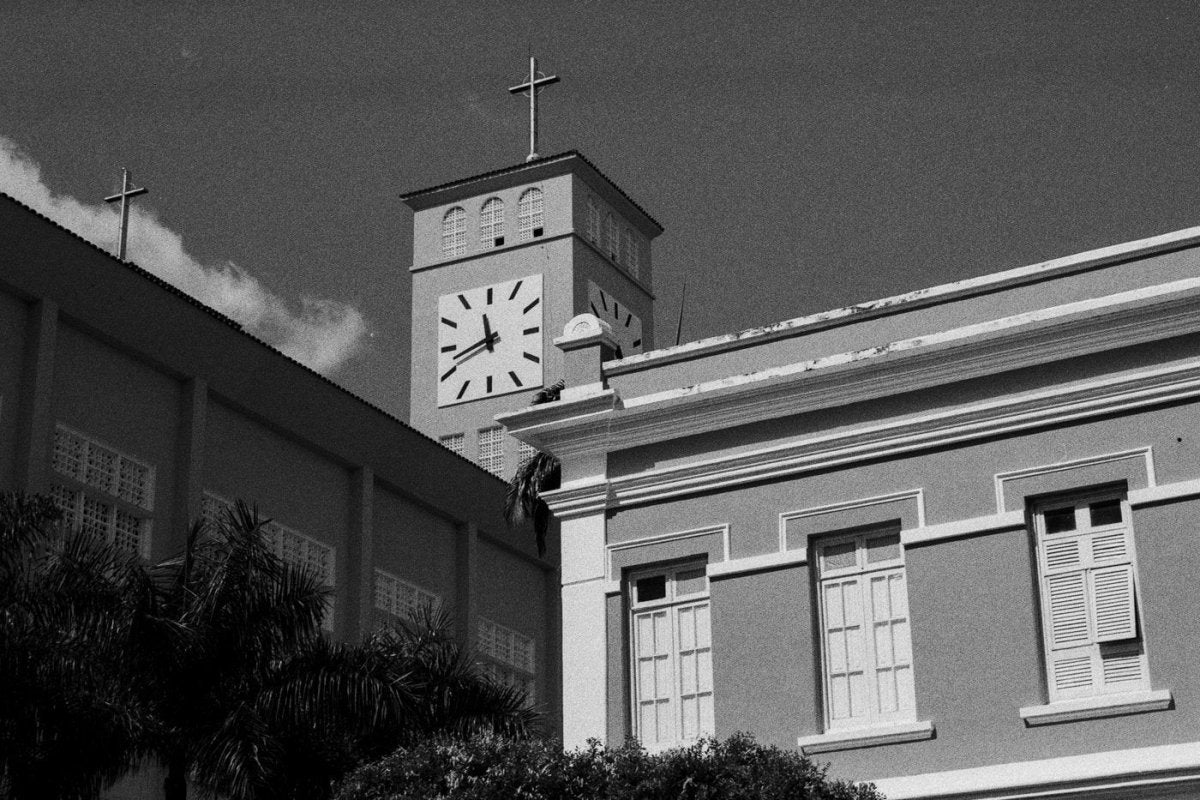

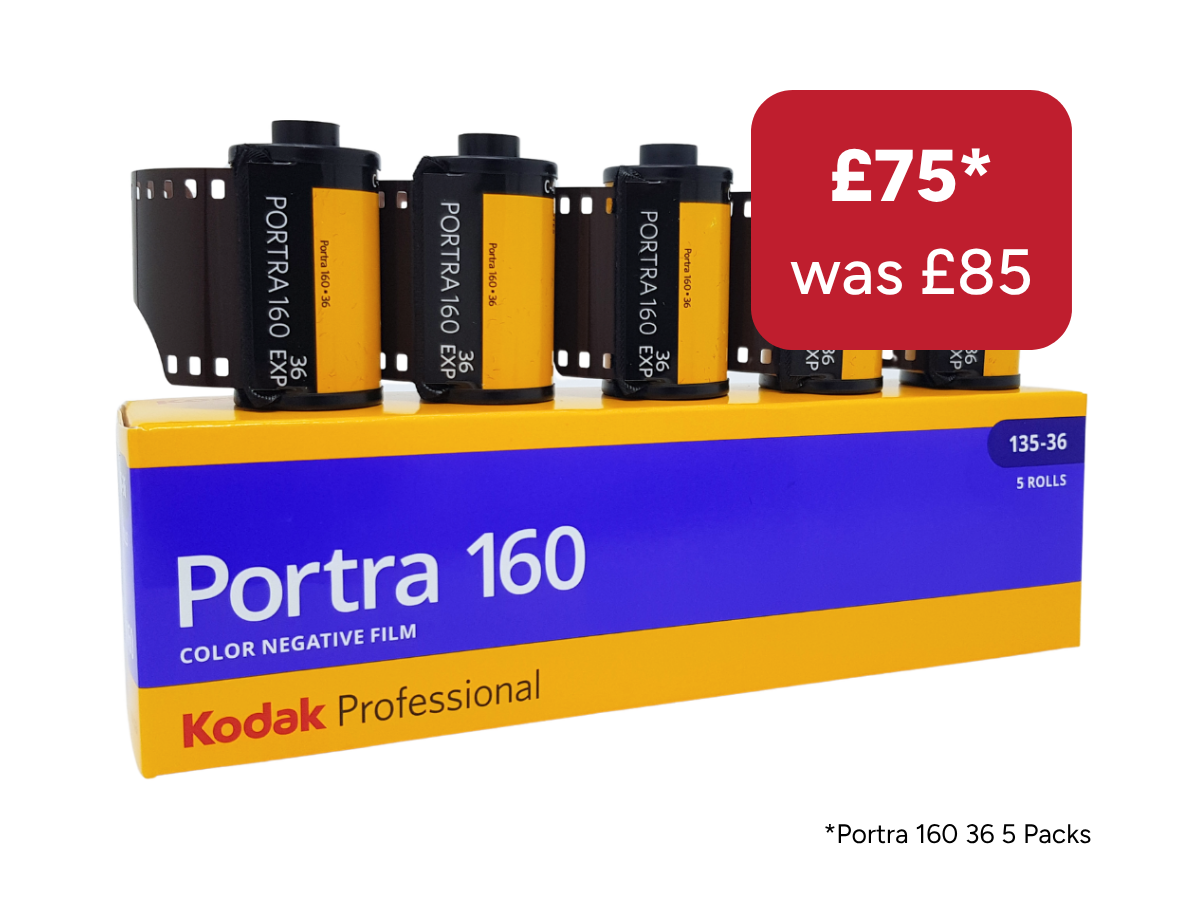

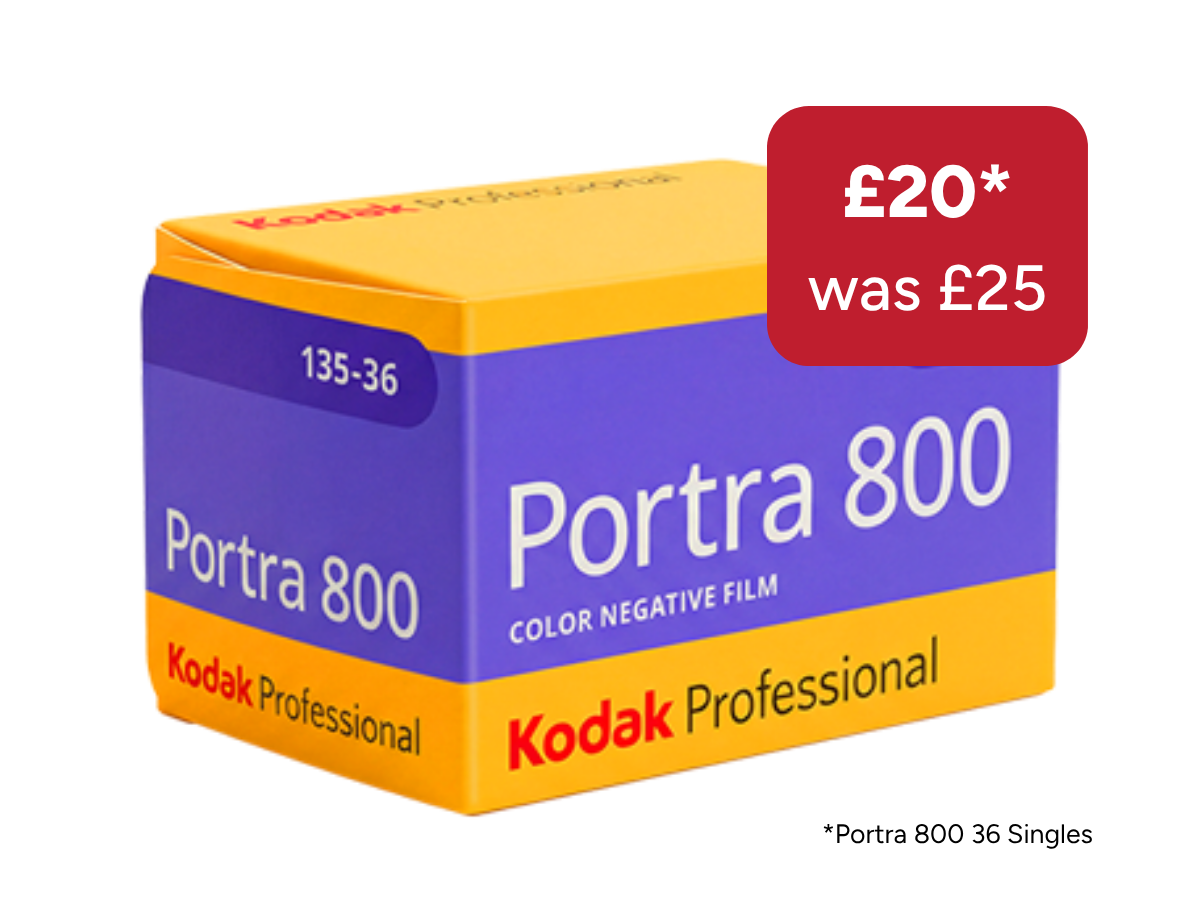

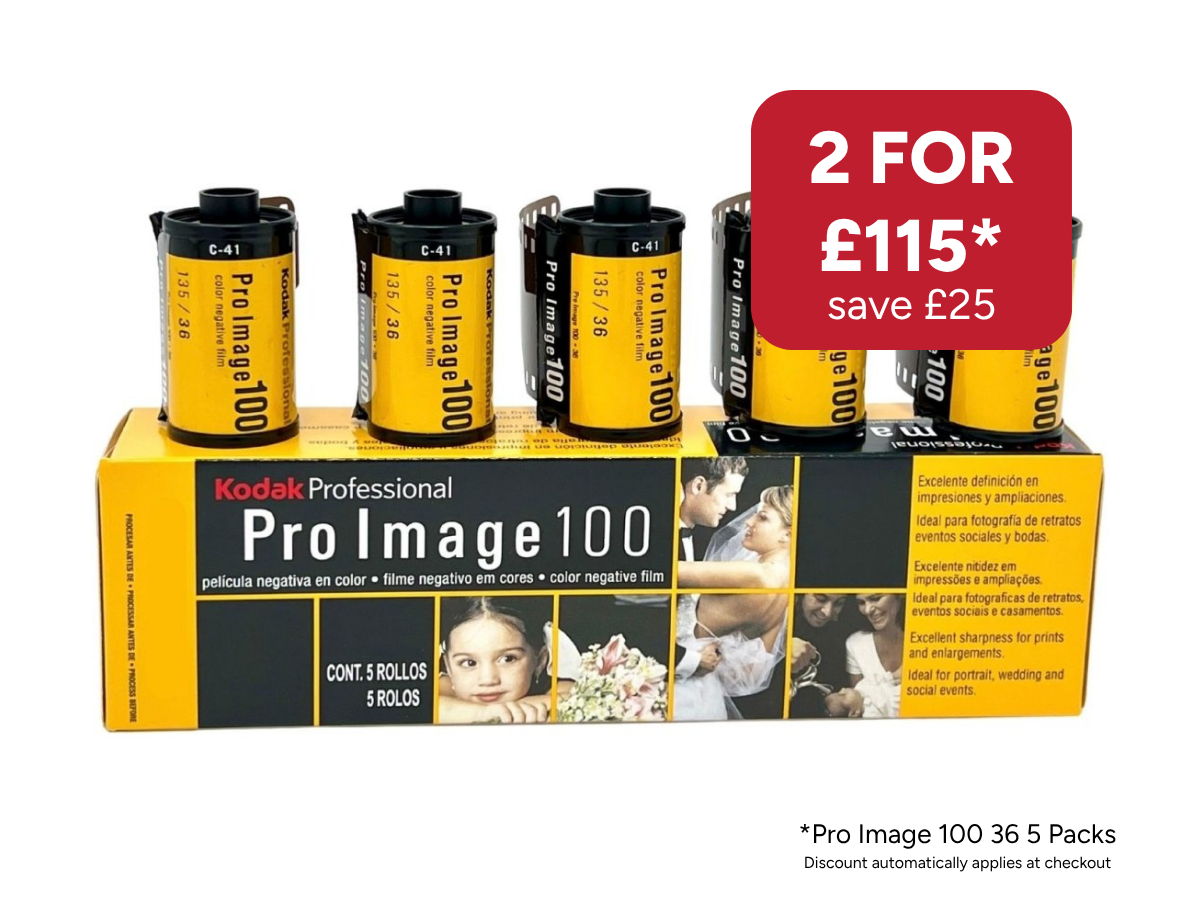

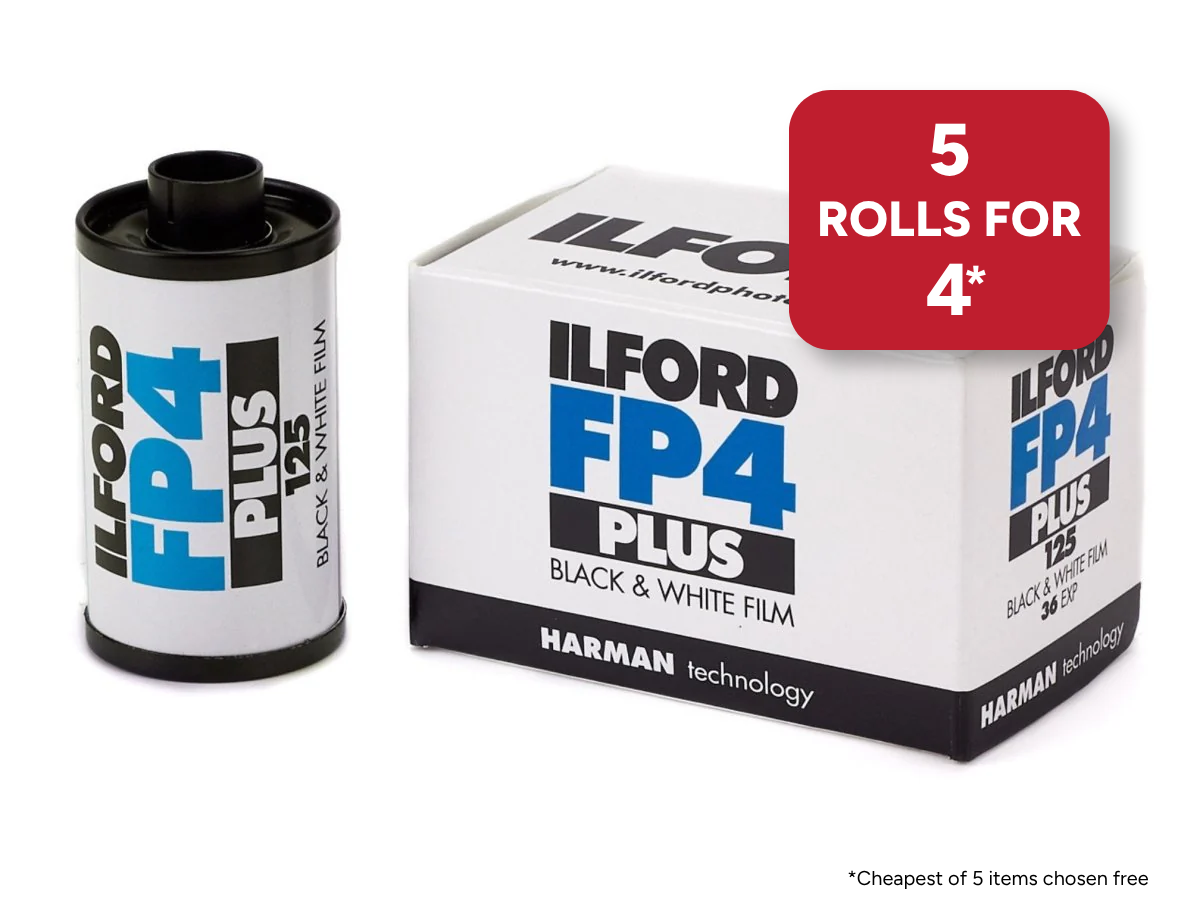
Watch our review 🤩

PENTAX 17 - "It's time for film!"
Film photography not only means a break from our digital everyday life, film photography also means experiencing photography with different senses. The process of seeing the subject, setting up the camera and developing the film is something unique and a very special photographic experience, not only for film camera enthusiasts who have enjoyed film photography for years, but also for young photographers who are looking forward to experimenting with film photography for the first time.
For a long time, analogue technology was overshadowed by digital photography and played only a minor role, with cameras that are at least 20 years old. Even though large numbers of cameras from this period are in circulation, the majority of old cameras are no longer usable.
The increasing desire, especially among young people, for a modern and reliable camera was the reason for a group of older, experienced experts and young engineers at RICOH IMAGING/PENTAX to design a camera that allows photographers to express their originality and creativity by providing scope for manual operation, while also delivering reliably good images.
Design Winner
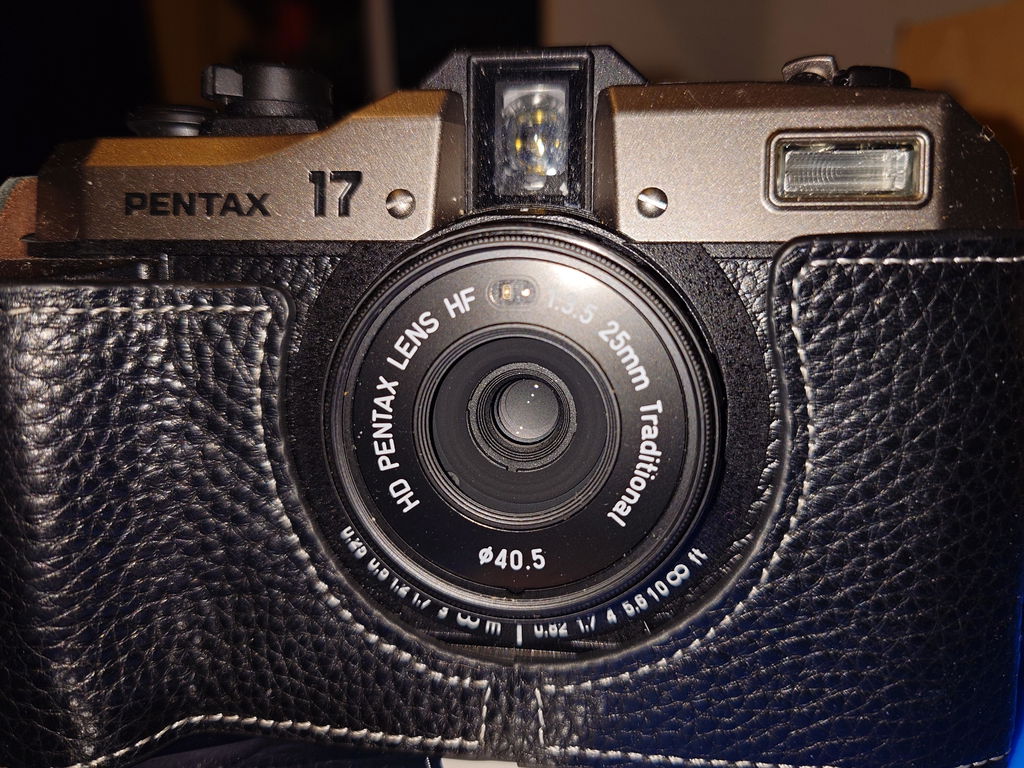
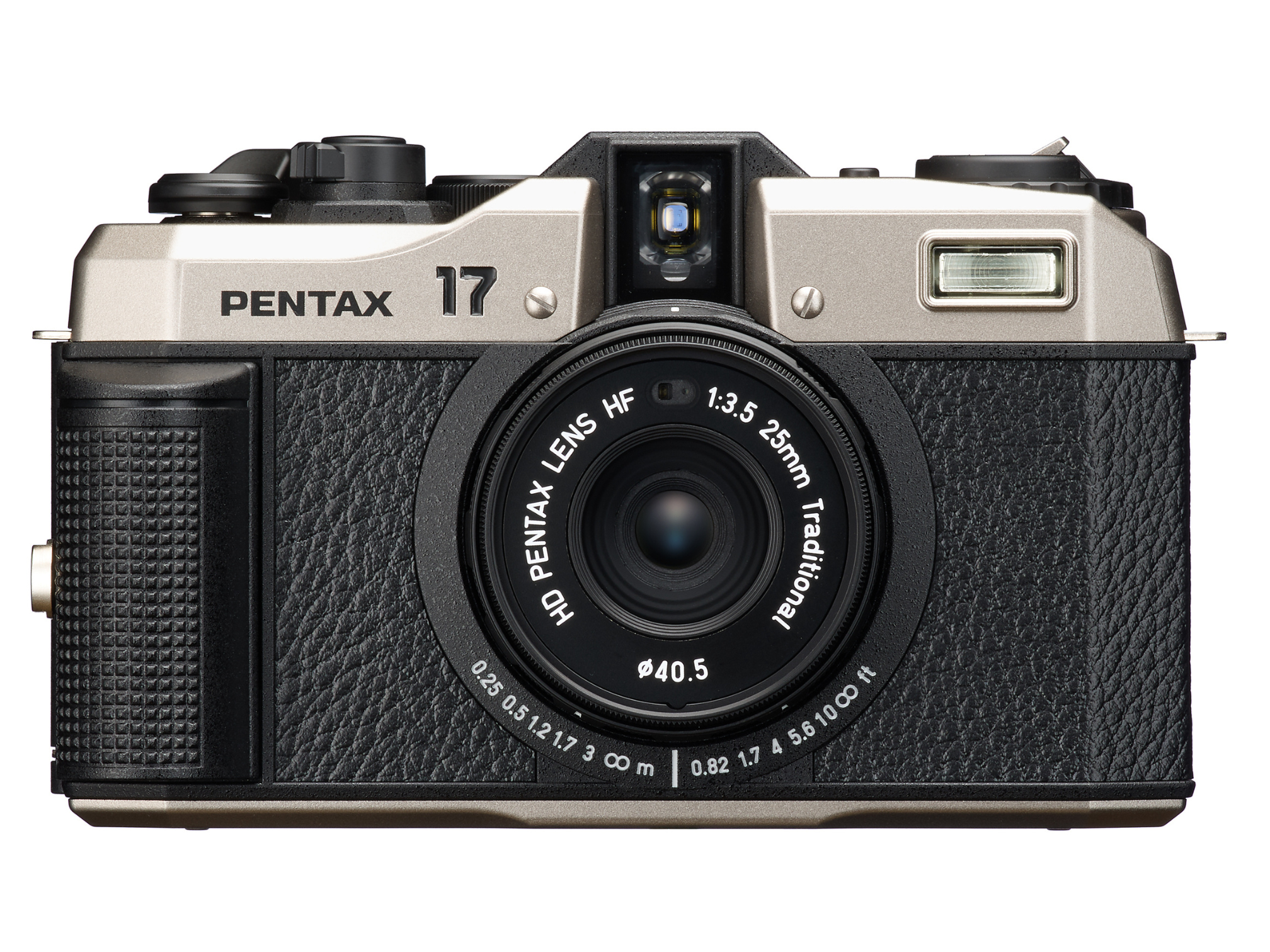
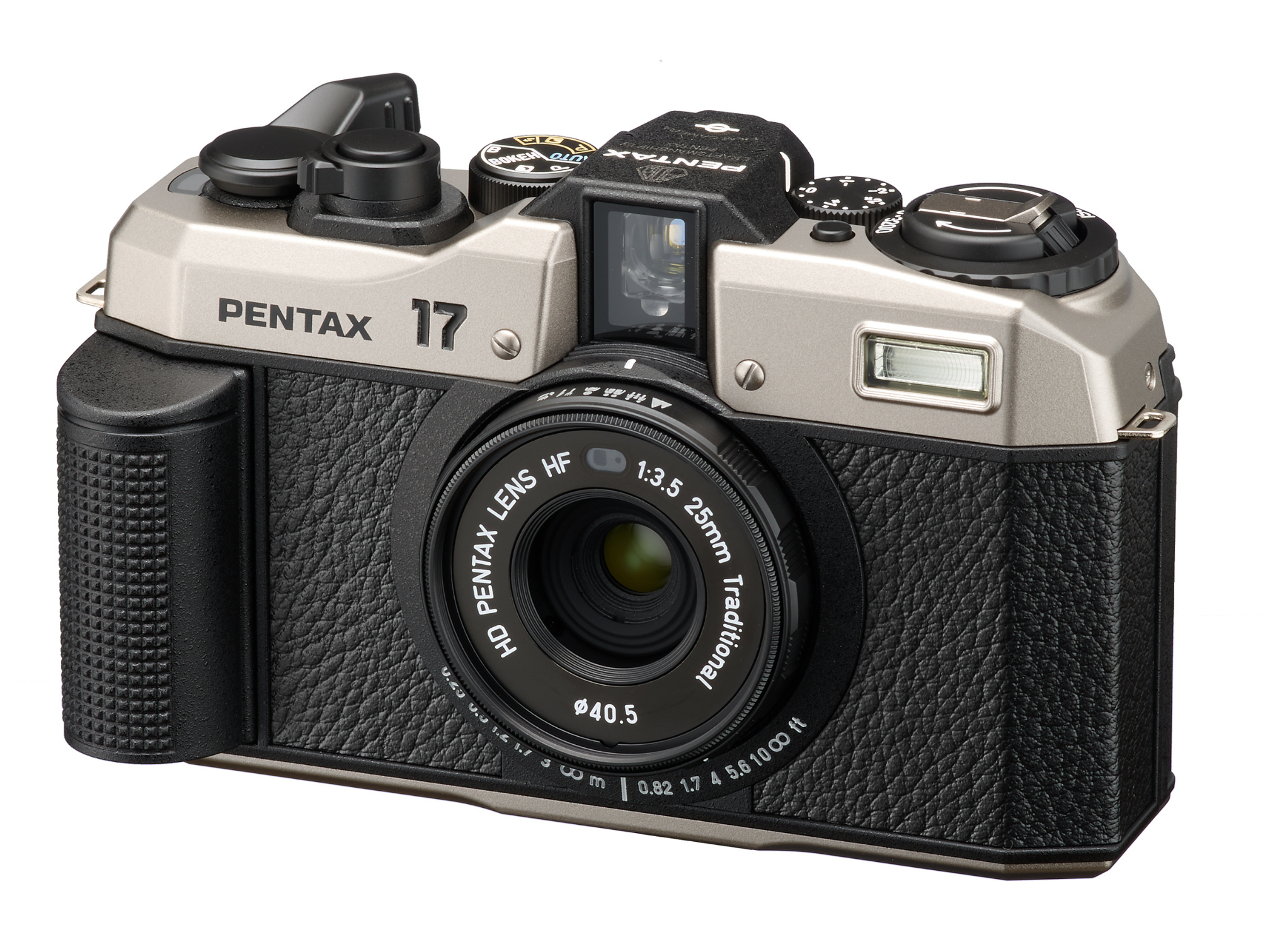
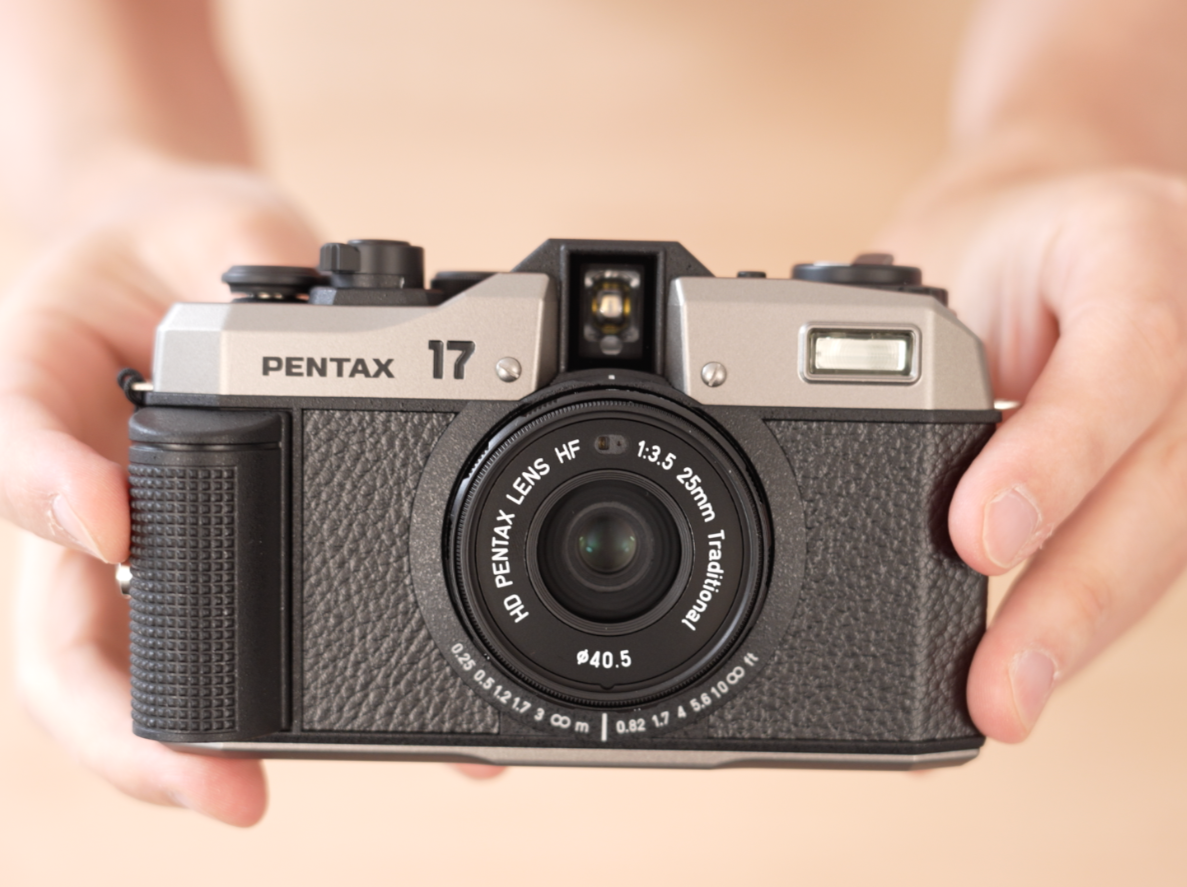
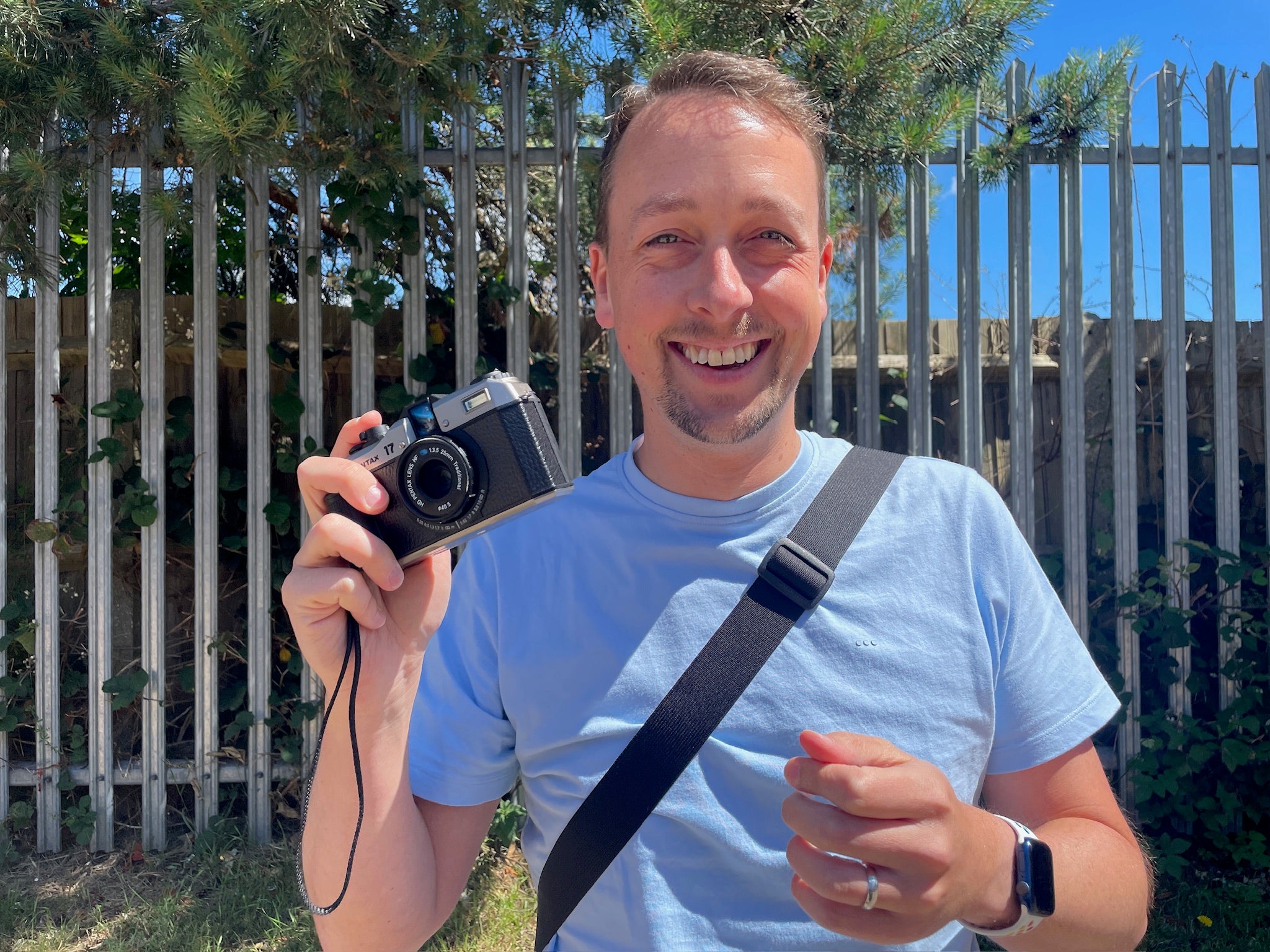
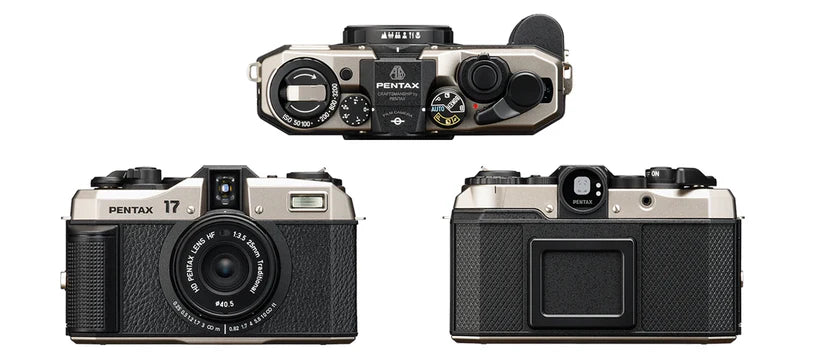
The PENTAX 17 is designed in the style of many successful PENTAX SLR cameras. The silver exterior parts are made of a solid but lightweight magnesium alloy, which is already used in the top-of-the-range cameras such as the PENTAX K-1 Mark II and the PENTAX 645Z. Together with the technical plastic of the camera body, which was chosen to reduce the overall weight, the PENTAX 17's body design embodies the robustness, precision, nostalgia and beauty of a film camera that is already a classic, as confirmed by globally recognised design awards.
In contrast to digital photography, every picture taken with the PENTAX 17 is a unique original, created by the film selection and the photographer's individual settings, far removed from artificial intelligence, which is increasingly finding its way into photographic technology.
Why Half-Frame?
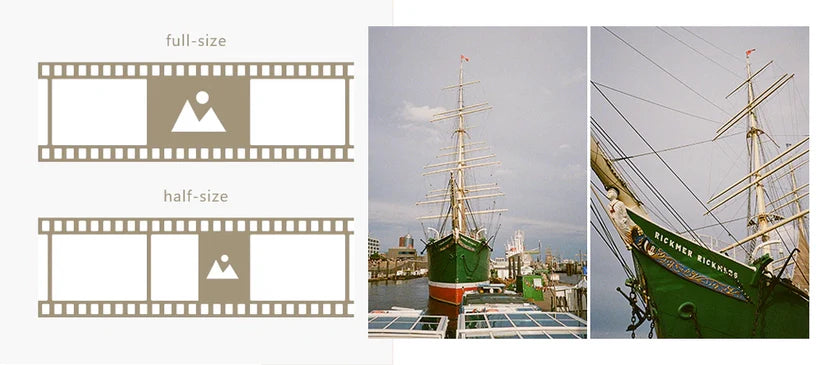
An important point in this type of photography is the cost of film purchase and development. Since the PENTAX 17 was designed specifically for young people, special attention was paid to this. The camera takes pictures in the so-called half format. This results in two 17 mm x 24 mm images on the typical 35 mm format (24 x 36 mm). This doubles the number of original images, which in turn halves the costs compared to other models.
This has another advantage, because it is designed for vertical image composition. When looking through the viewfinder, you can see a vertical section for image design. This vertical orientation is familiar to anyone who uses a smartphone. This is particularly useful when sharing images on social networks after development.
The increasing desire, especially among young people, for a modern and reliable camera was the reason for a group of older, experienced experts and young engineers at RICOH IMAGING/PENTAX to design a camera that allows photographers to express their originality and creativity by providing scope for manual operation, while also delivering reliably good images.
High Quality Half-Frame
The PENTAX 17 is designed for ease of use, but features high-quality, proven components. For example, the lens was designed as a triplet type, which was used in the currently very popular and sought-after Espio mini camera from 1994, and the RICOH Auto Half, a bestseller in the half-frame format.
An electronically controlled central shutter is incorporated into the lens, ensuring highly accurate shutter speed control. The combination of this shutter and the lens construction of the new lens ensures that the camera produces a beautifully rounded bokeh effect. It will be a real pleasure to shoot with it and capture the rays of light.


Zone Focusing
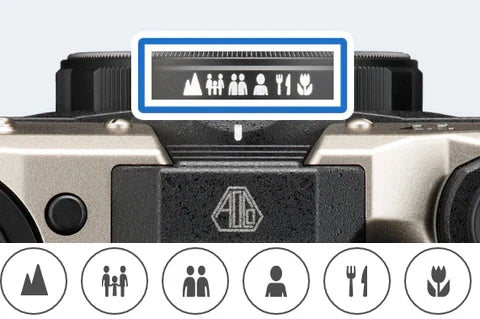
The Zone focusing system was designed for switching the focused area depending on the subject distance.
The technical requirements for perfect pictures are therefore in place, but the camera leaves plenty of room to experience analogue photography creatively. First of all, there is the distance setting. A conscious decision was made to use a manual distance setting here, because this means that the photographer decides what distance to set and does not have to rely on automatic settings to set the correct distance.
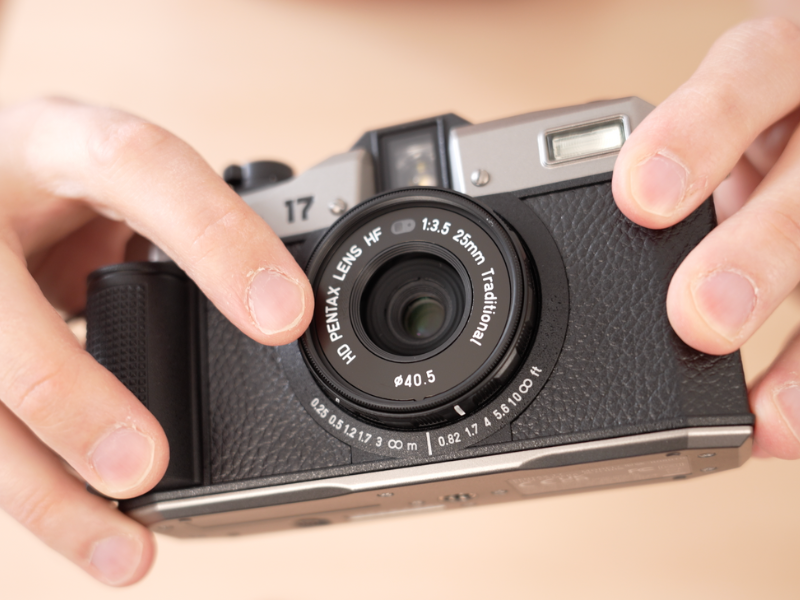
The Zone Focus has six zones marked on the lens, for close-up and long-range shots. To focus the camera, simply select the mark that best matches the distance to your subject.
Far distance
This zone sets the focus from 5.1 meters to infinity, making it ideal for scenic photography and long-distance shooting.
Medium distance
This zone sets the focus from 2.1 to 5.3 meters, making it useful for medium-range photography, such as group photos.
Close distance
This zone sets the focus from 1.4 to 2.2 meters, making it handy for taking casual snapshots of personal effects from an eye-pleasing distance.
Extremely close distance
Setting the focus from 1.0 to 1.4 meters, this zone is useful in capturing close-up photos of friends or groups.
Tabletop photo*
Setting the focus from 0.47 to 0.54 meters, this zone is perfect for capturing table-top photos at locations such as cafes and restaurants.
Macro*
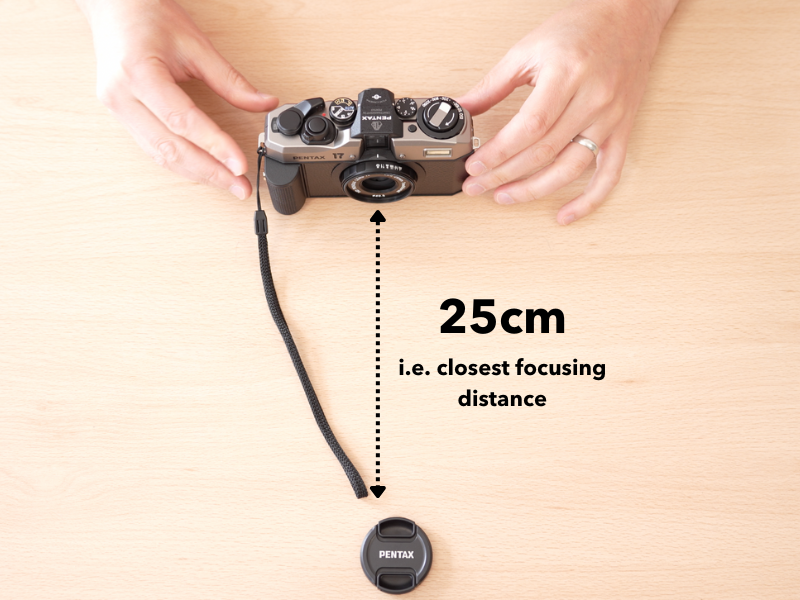
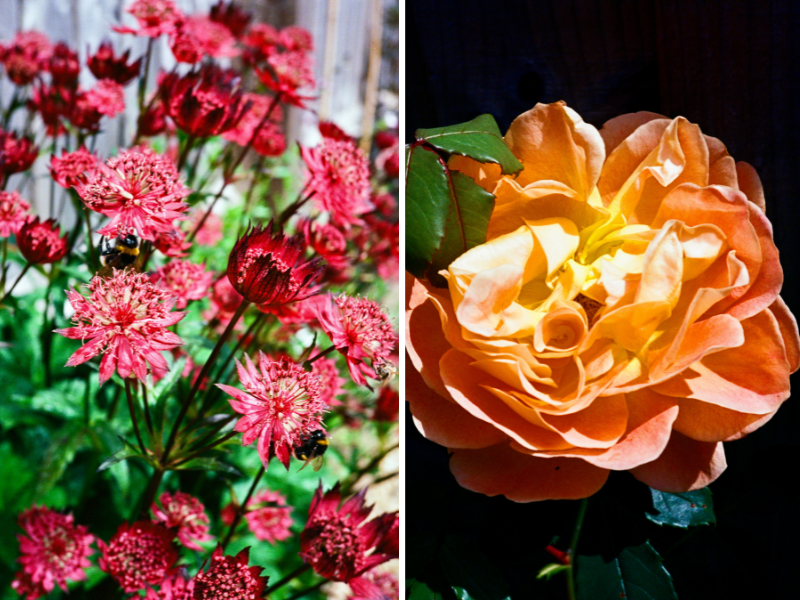
Setting the focus from 0.24 to 0.26 meters, this zone is prefect for capturing fine-detailed photos of small objects, such as flowers or tiny articles, or creating dramatic macro images.
*Because the PENTAX 17 is a compact film camera, it causes a parallax in the Tabletop and Macro zones. When photographing in these zones, you are advised to frame the image using the parallax compensation frame indicated in the viewfinder.
Bright Optical Viewfinder
An important feature is the optical viewfinder. It has a bright Albada-type frame that also has a near-field compensation frame to make it easier to compose images when shooting close-ups. This allows the PENTAX 17 to capture images from a distance of 25 cm. Zone markings can be checked directly through the viewfinder.
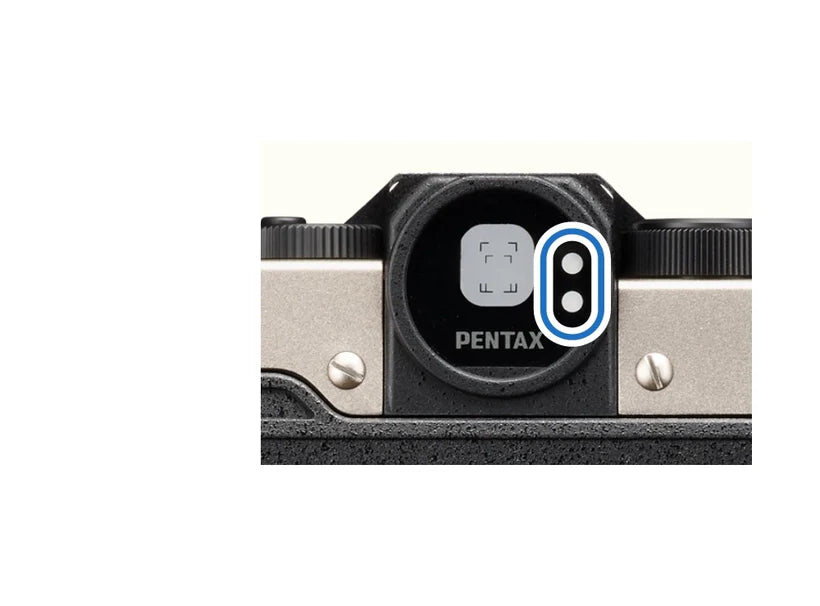
Indicator lamps provide information on the camera's operating status and issue warnings.
Two indicator lamps are located next to the viewfinder. These flash as a warning to prevent operating errors if you try to take pictures with the lens cap on, fail to wind the film to the next frame, or set the focus area to Tabletop or Macro.
Enjoy the manual winding and unwinding of films
Another essential part of a film camera is the typical shutter sound, the transport, and the rewinding.
Here, completely different senses are addressed. The sounds that are created are not synthetically generated, but are confirmation of the action performed.
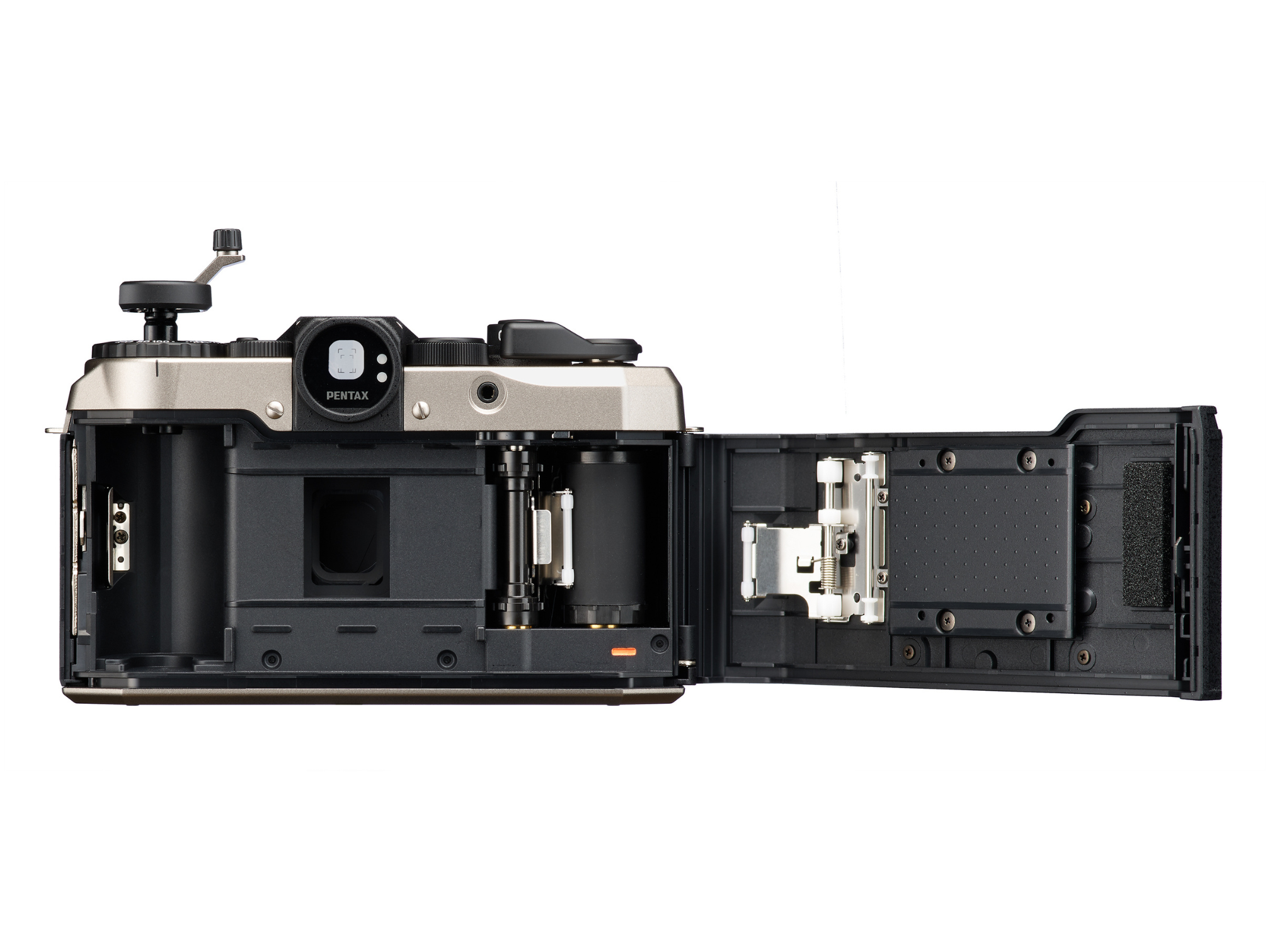
The PENTAX 17 has a simple loading system. Simply insert the film roll, pull the film to the mark, close the back cover and advance the film until the film counter reaches ‘0’ (zero). When the film roll is full, or if the film is to be removed prematurely, the film can easily be rewound manually.
Memory holder to always know which film has been inserted.
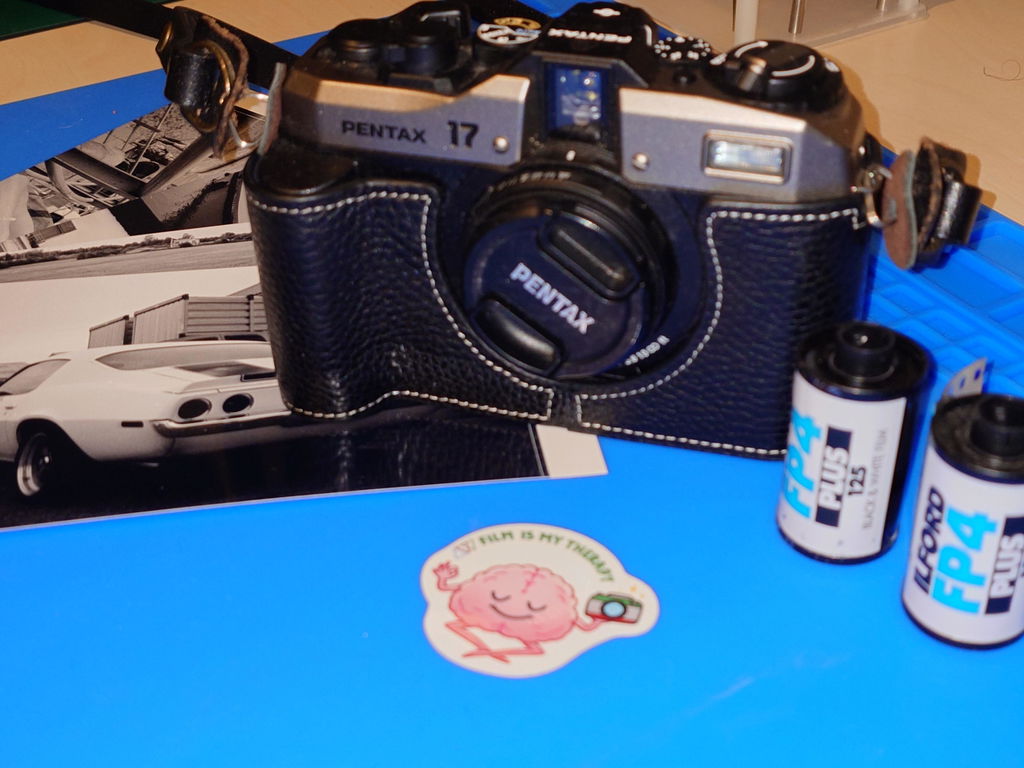
If you cut off the tab of the film package and insert it into the camera's note holder, you can see at a glance what type of film is being used and thus know what film is in it even after a long time. Because a maximum of 72 shots per film roll is often enough for the entire holiday.
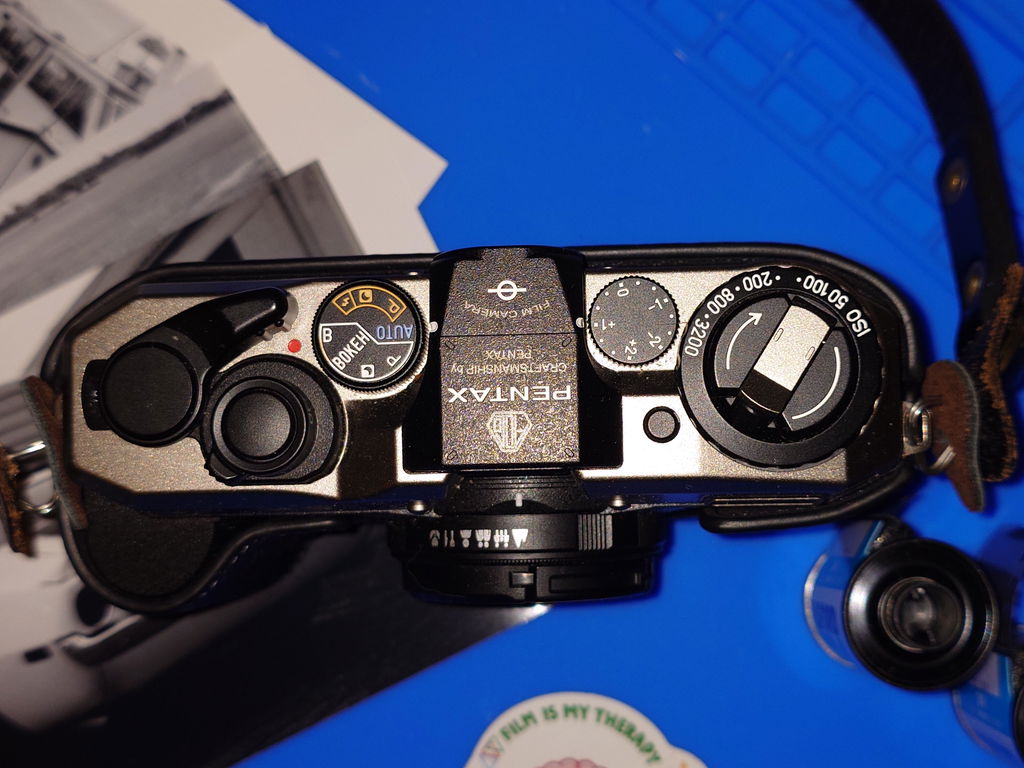
Manual ISO setting
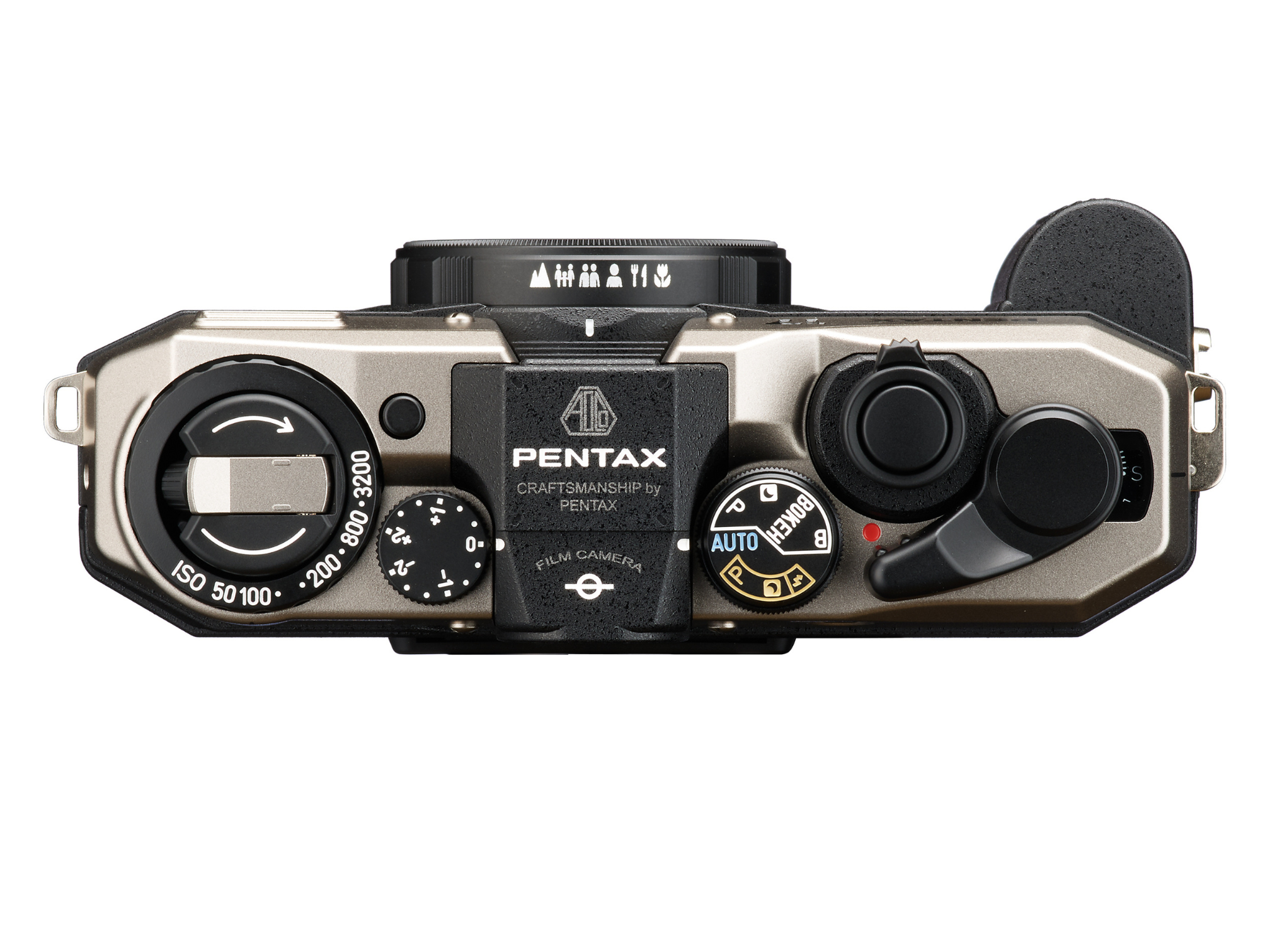
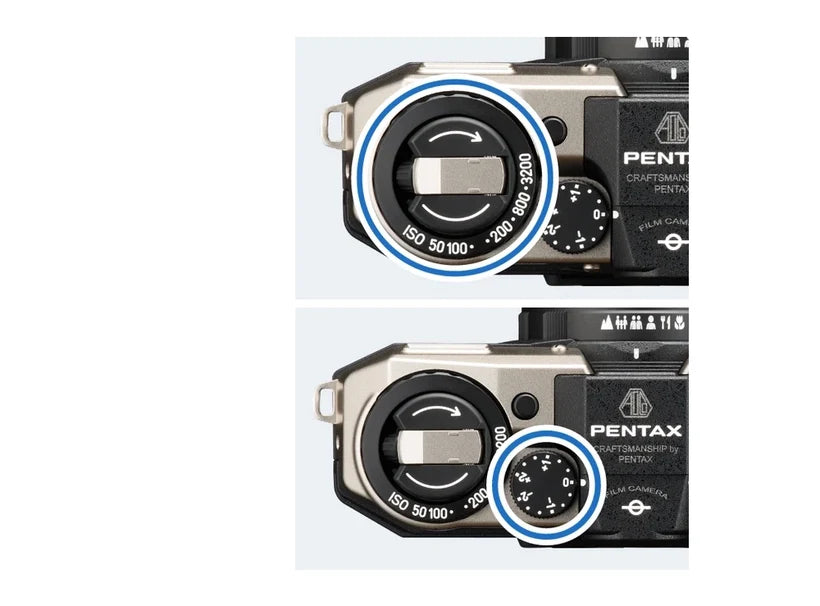
Exposure control is based on the light conditions, which are automatically measured, but also on the light sensitivity of the various films. It ranges from ISO 100 for a lot of light to ISO 3200 for very little light.
Photographers not only have a huge selection of films with different characteristics in colour or black and white, but also in different sensitivity levels.
Some of the big film brands are equipped with automatic ISO detection, but many of the smaller and more creative labels do not. This is not a problem with the PENTAX 17, because here the ISO value is set manually.
Light control
Exposure compensation mechanism for easy adjustment of the brightness level
There is also an exposure compensation dial that allows the exposure level to be quickly changed by simply turning it. This is useful when shooting against the light or for creative effects. The shot is deliberately over- or underexposed.
Shooting Modes (Exposure)
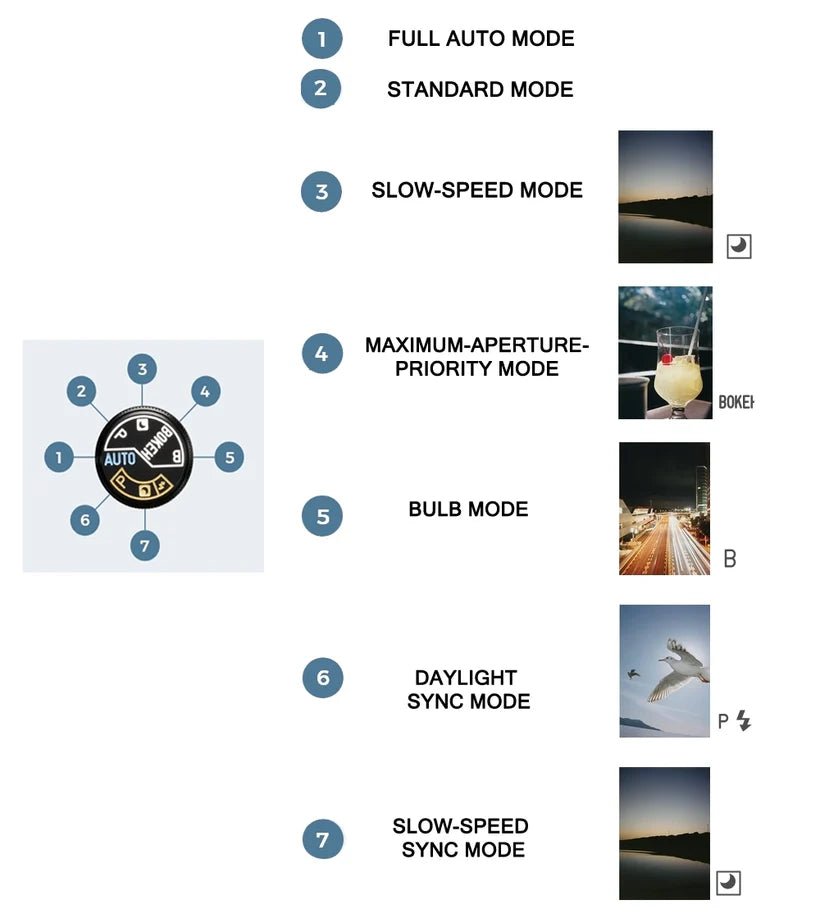
In addition to the distance, exposure control is an important factor for good pictures. This is done automatically, but also allows the photographer sufficient leeway for implementing their own creative ideas. First of all, there are the seven recording modes for different applications:
1 - Full Auto mode
The PENTAX 17 features a pan-focus mechanism with a fixed focus point, while the flash unit automatically discharges in poorly illuminated locations. This mode allows for more casual and effortless picture-taking, without worrying about camera operations.
2 - Standard mode
This mode lets you select the desired focus zone, while the camera adjusts exposure to the proper level. Since the flash doesn’t discharge, this mode is highly useful in daylight photography.
3 - Slow-speed mode
This mode lets you select the desired focus zone without flash discharge, making it ideal for twilight photography.
4 - Maximum-aperture- priority mode (BOKEH)
This mode lets you select the desired focus zone, without flash discharge. The camera automatically sets the largest aperture available for a given scene.
5 - Bulb mode
This mode lets you select the desired focus zone without flash discharge. This comes in handy for subjects requiring extended exposures, such as light traces or fireworks. The use of the CS-205 Cable Switch (optional accessory) and a tripod is recommended when using this mode.
6- Daylight sync mode
This mode lets you select the desired focus zone, with the camera selecting the optimal exposure settings. Since the flash makes a discharge, this is ideal for photographs taken against backlight or in poorly illuminated locations.
7 - Slow-speed sync mode
This mode lets you select the desired focus zone, with the camera making a flash discharge. This is useful in situations where you want to brightly illuminate a subject in the foreground while retaining the ambience of a nightscape or twilight in the background.