
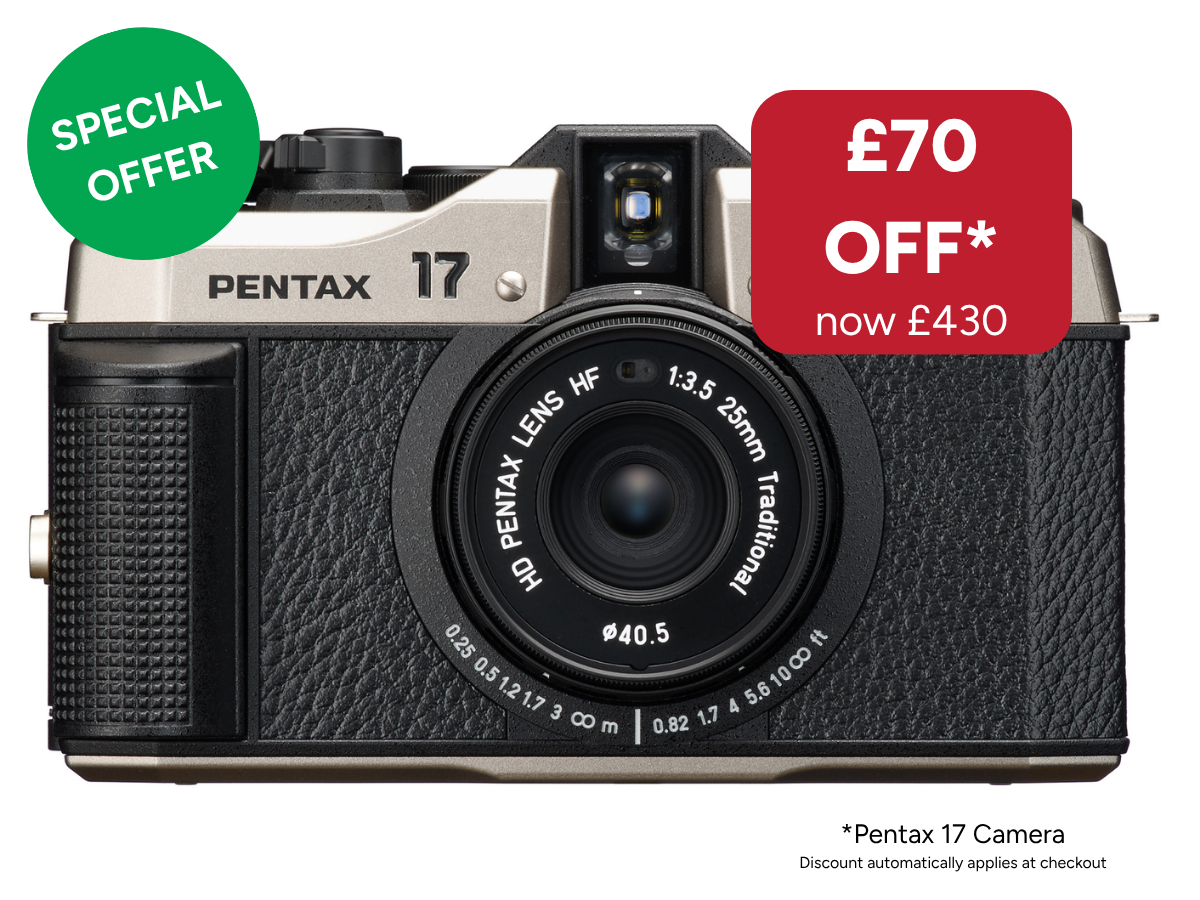
£70 OFF Pentax 17 Camera. Discount applies at checkout.
£70 OFF Pentax 17 Camera. Discount applies at checkout.
£70 OFF Pentax 17 Camera. Discount applies at checkout.
£70 OFF Pentax 17 Camera. Discount applies at checkout.
£70 OFF Pentax 17 Camera. Discount applies at checkout.
£70 OFF Pentax 17 Camera. Discount applies at checkout.
£70 OFF Pentax 17 Camera. Discount applies at checkout.
£70 OFF Pentax 17 Camera. Discount applies at checkout.




Features & Specification
Description
Payment & Security
Your payment information is processed securely. We do not store credit card details nor have access to your credit card information.
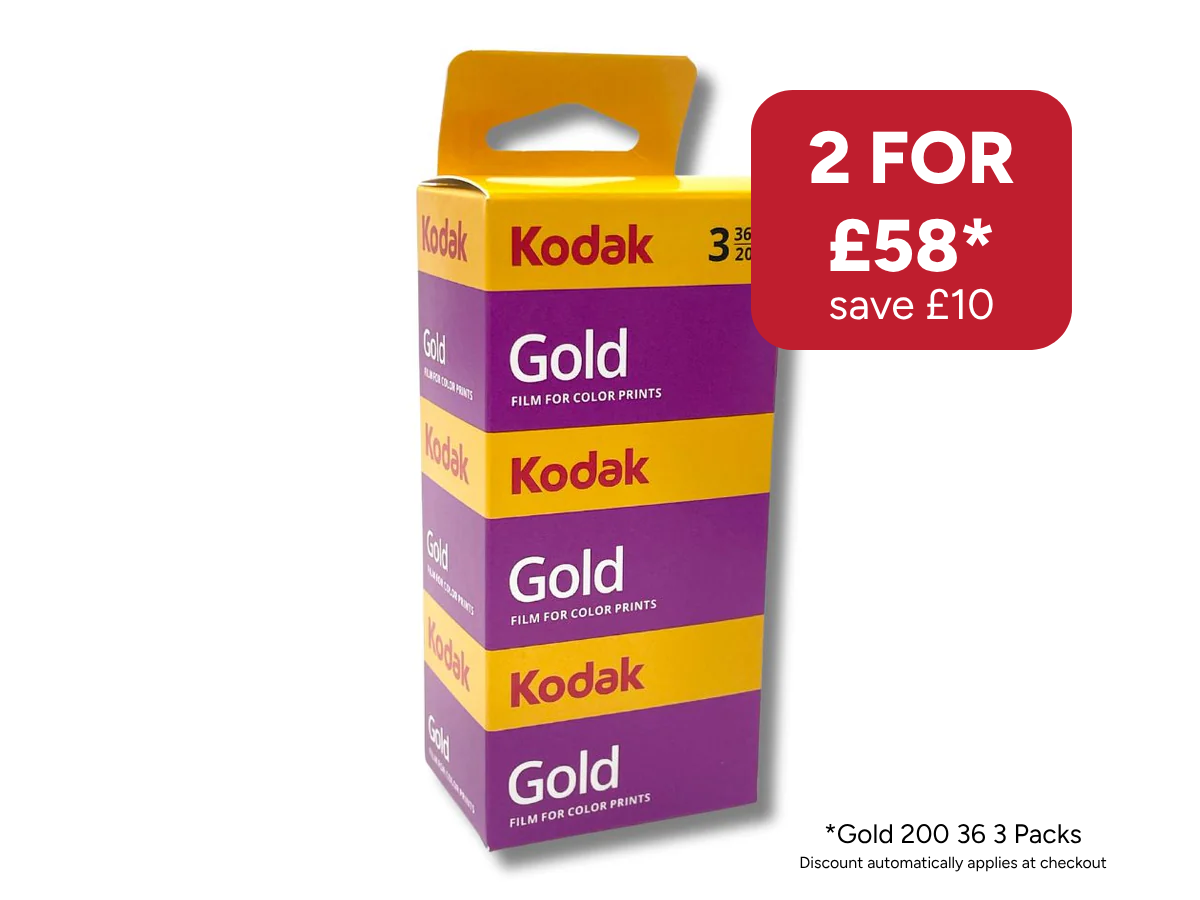
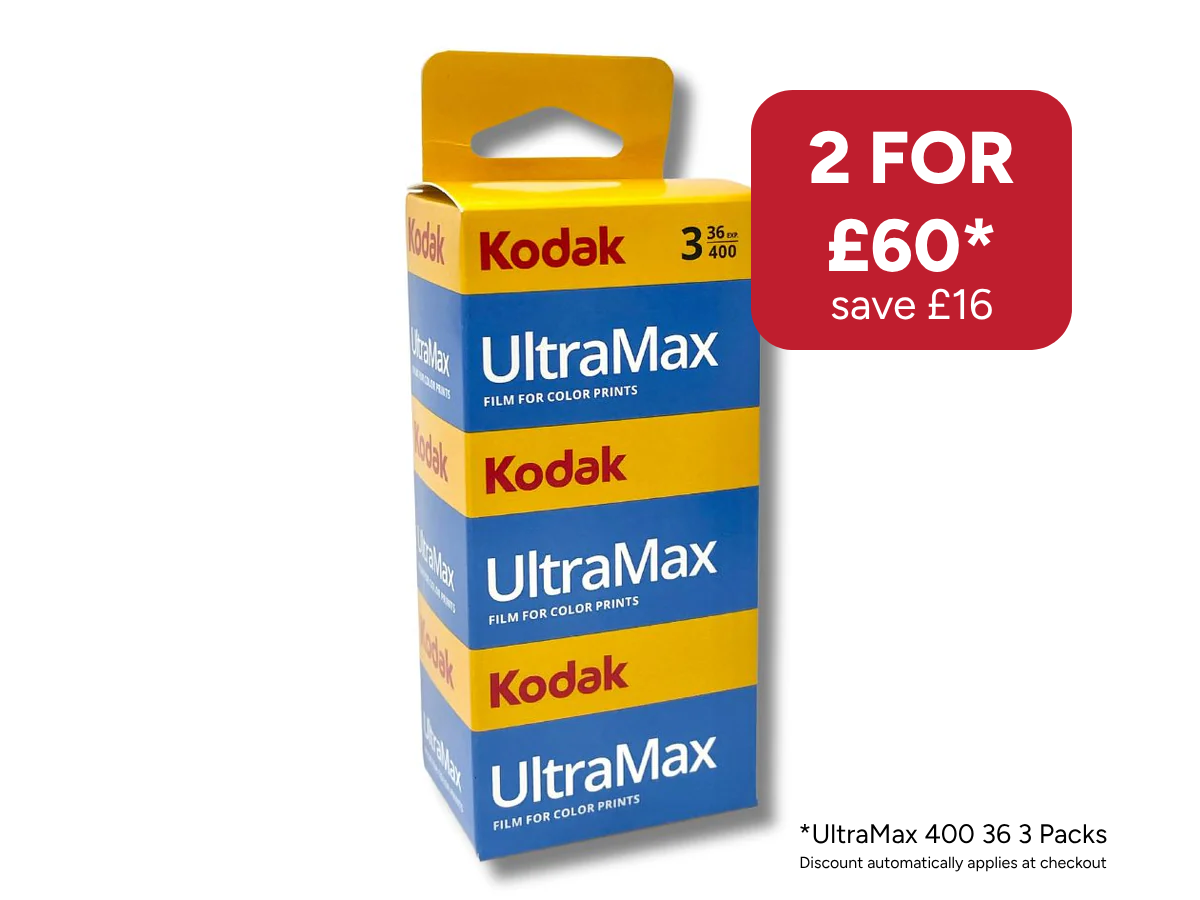
PENTAX 17 users enjoy these films


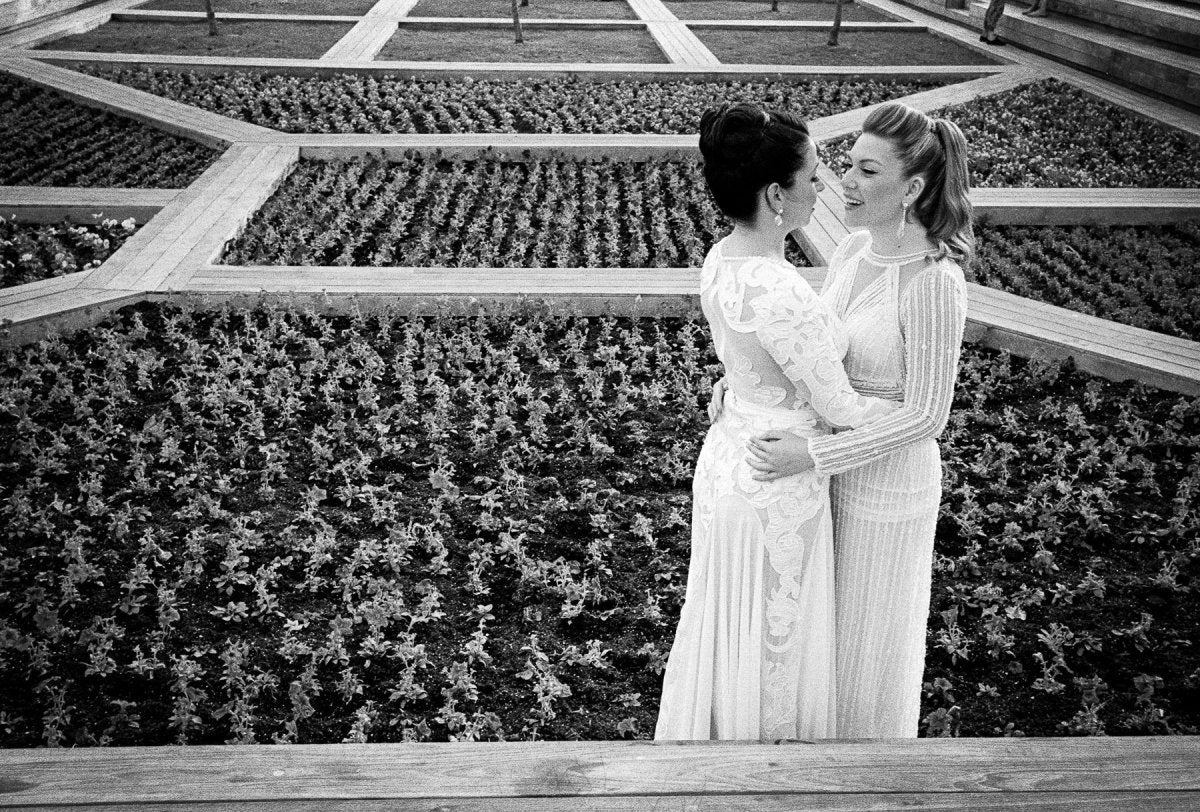
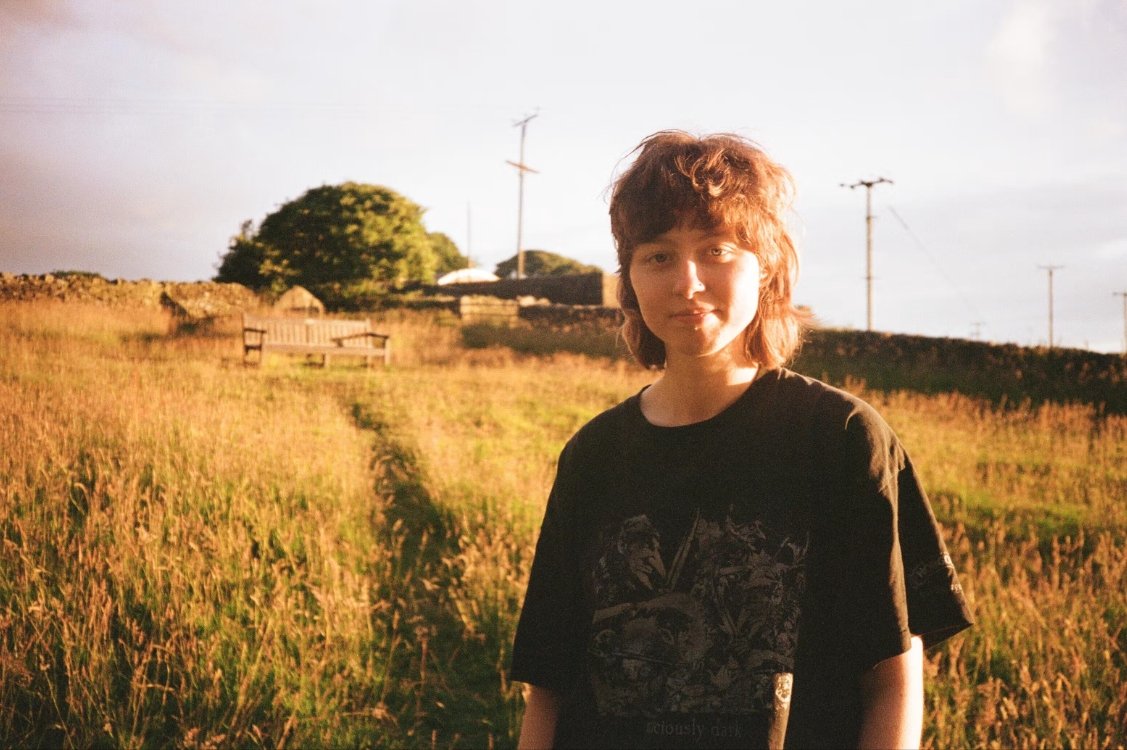

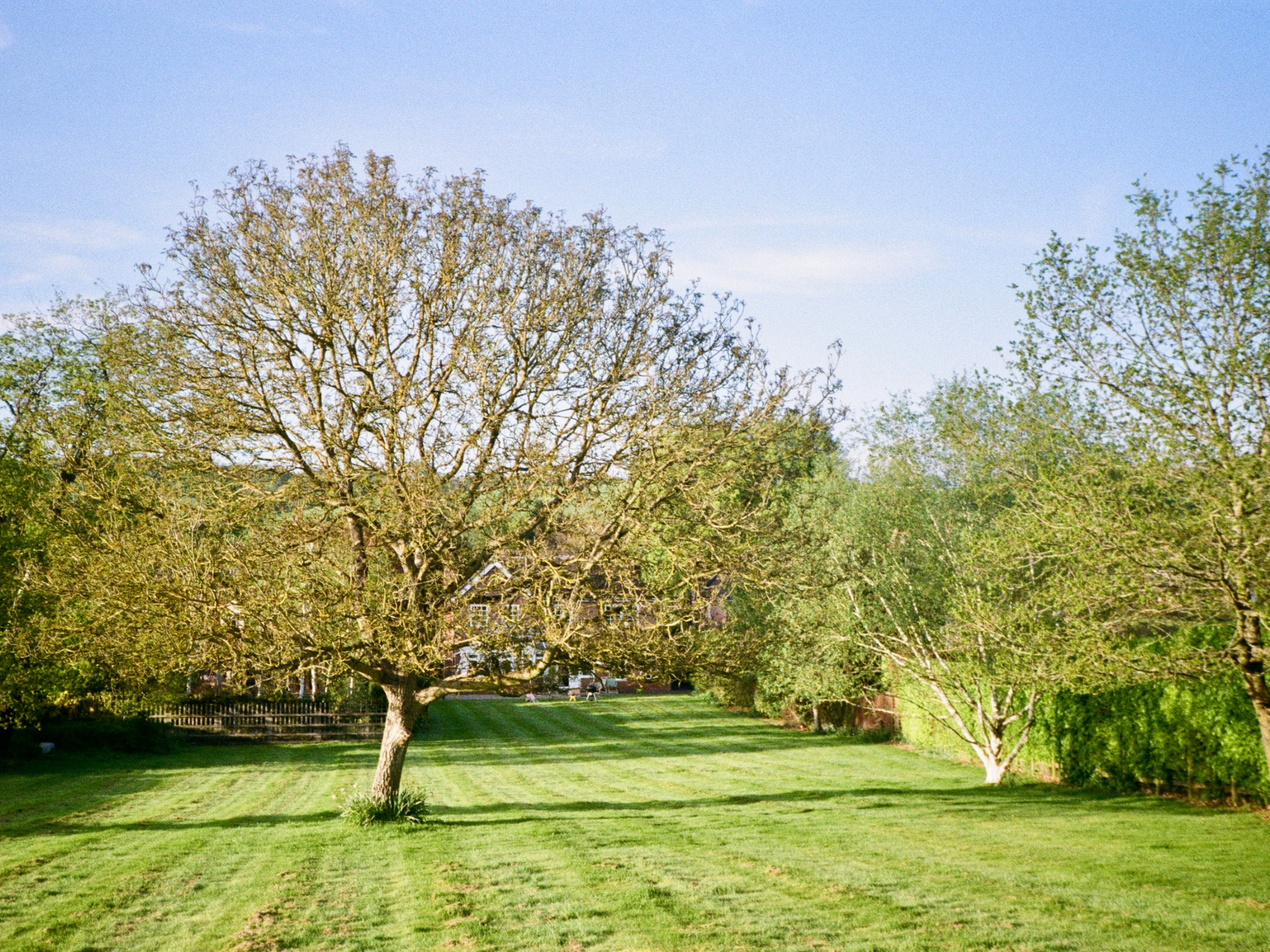
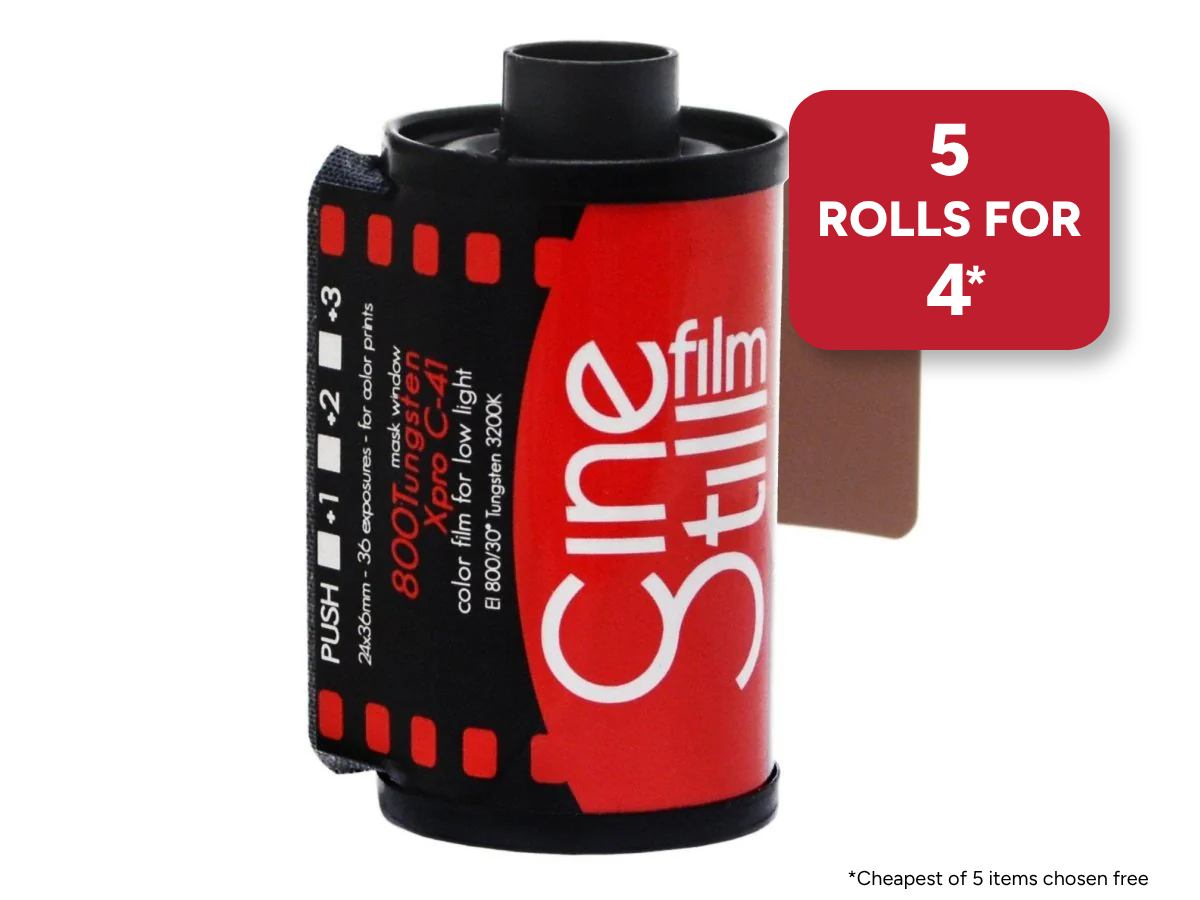
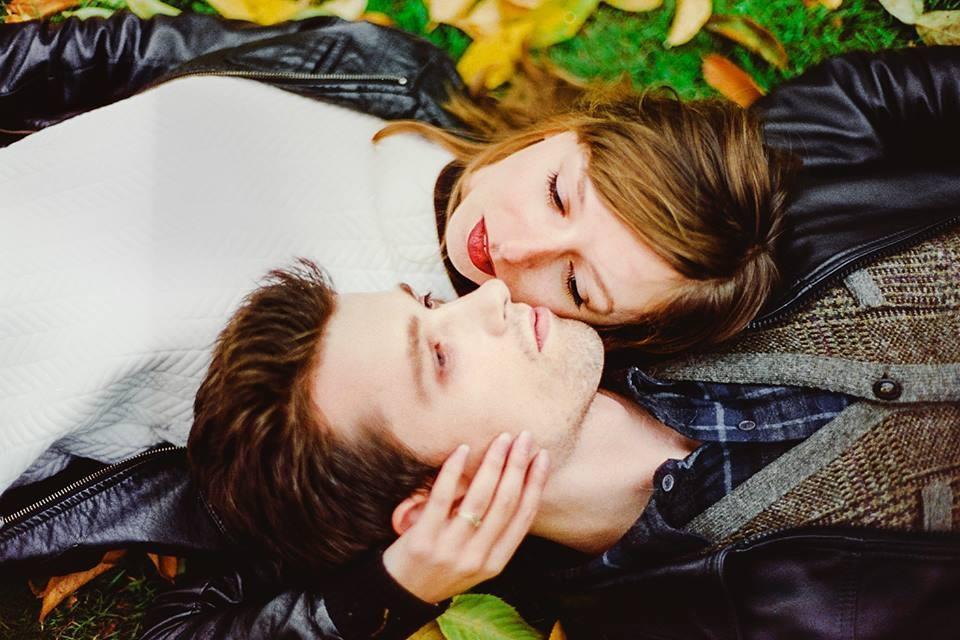
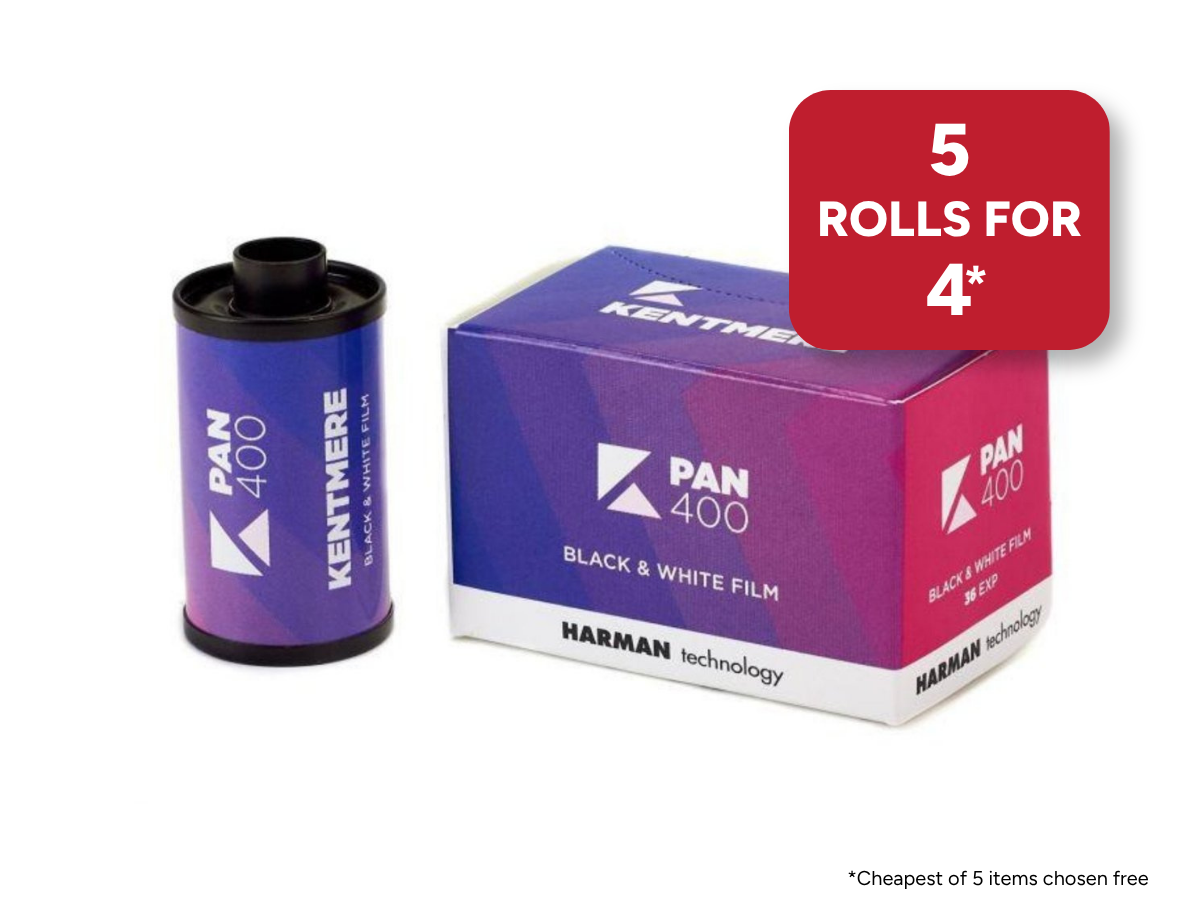
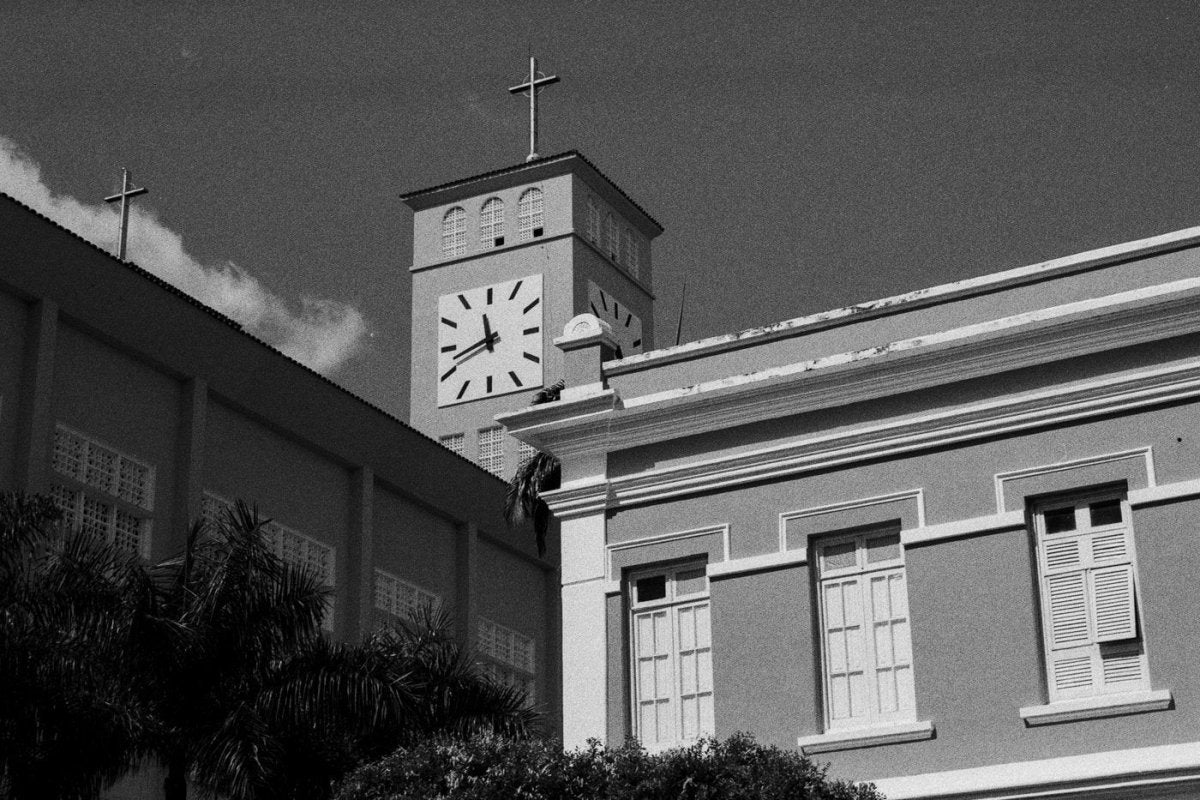
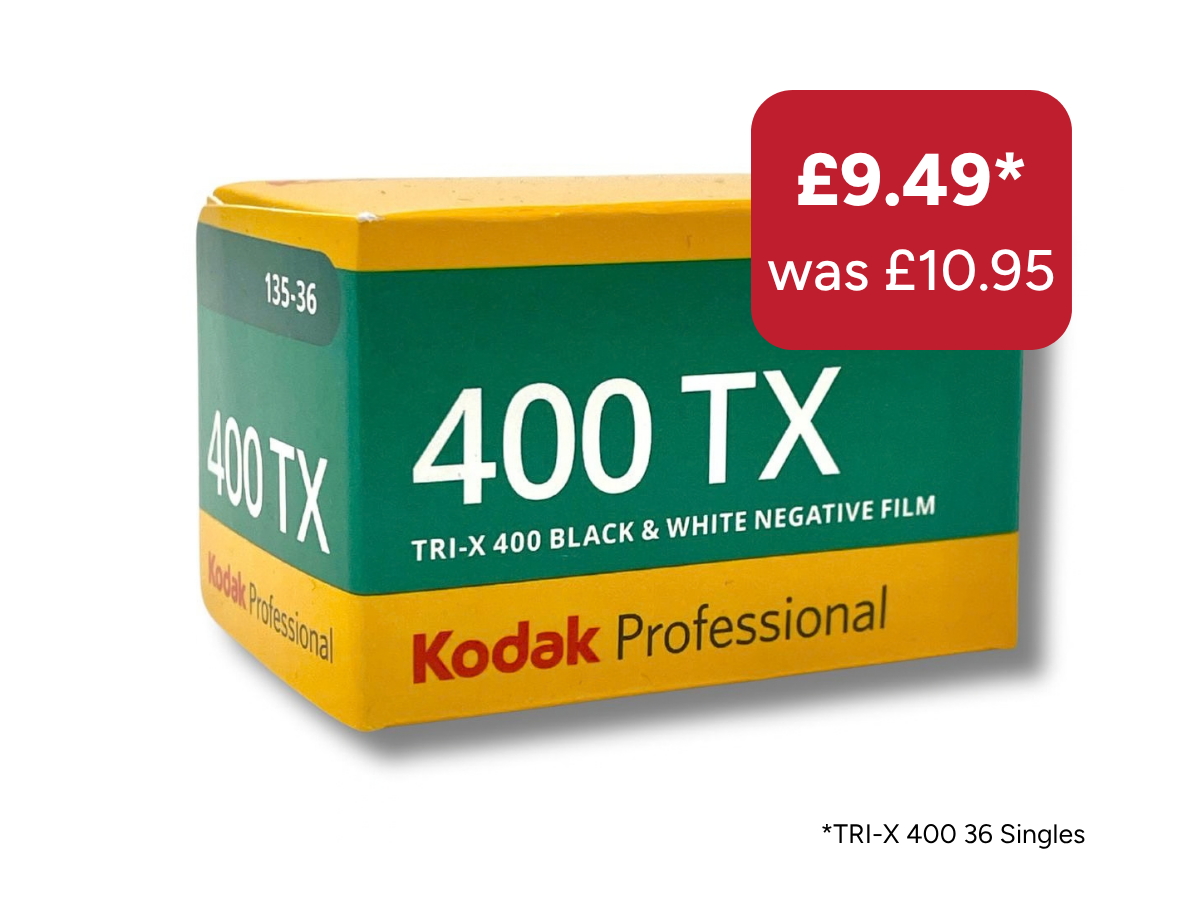

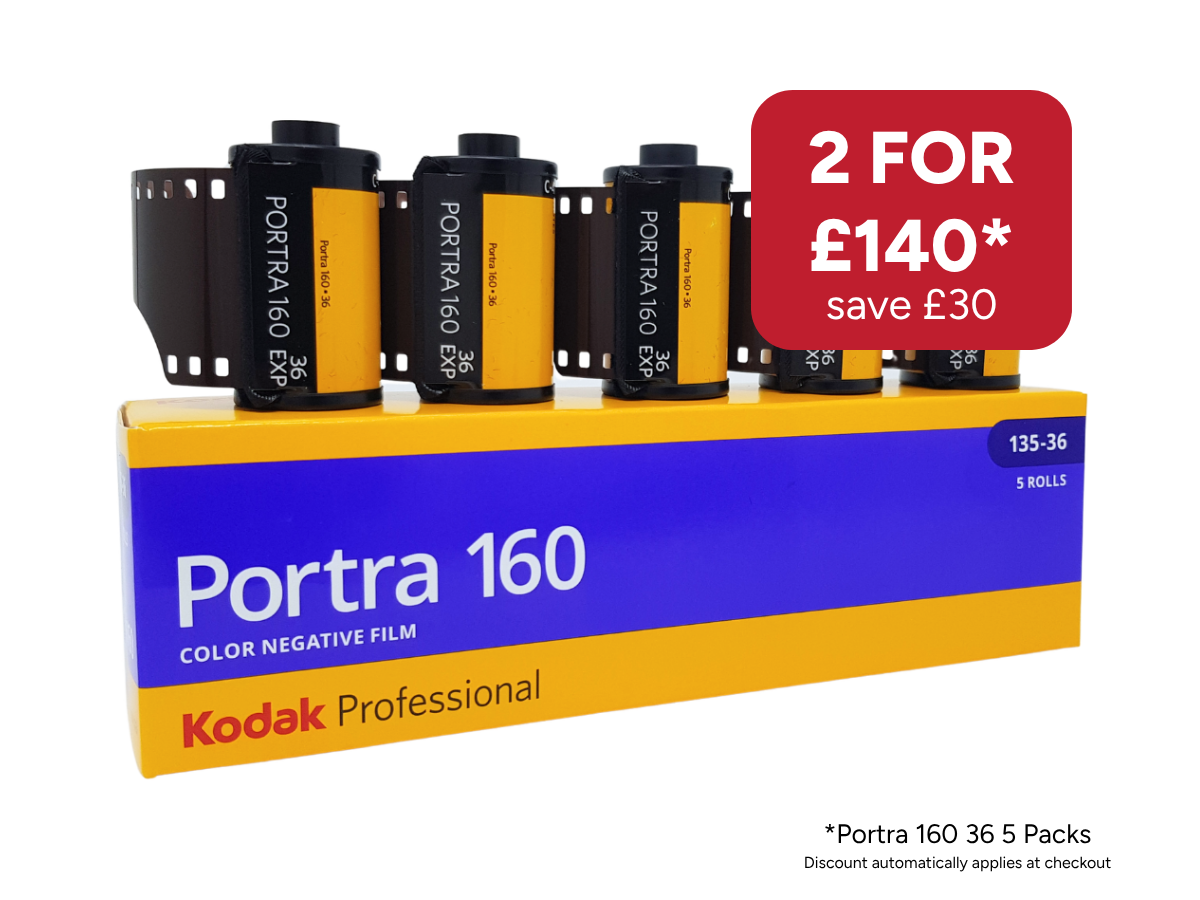

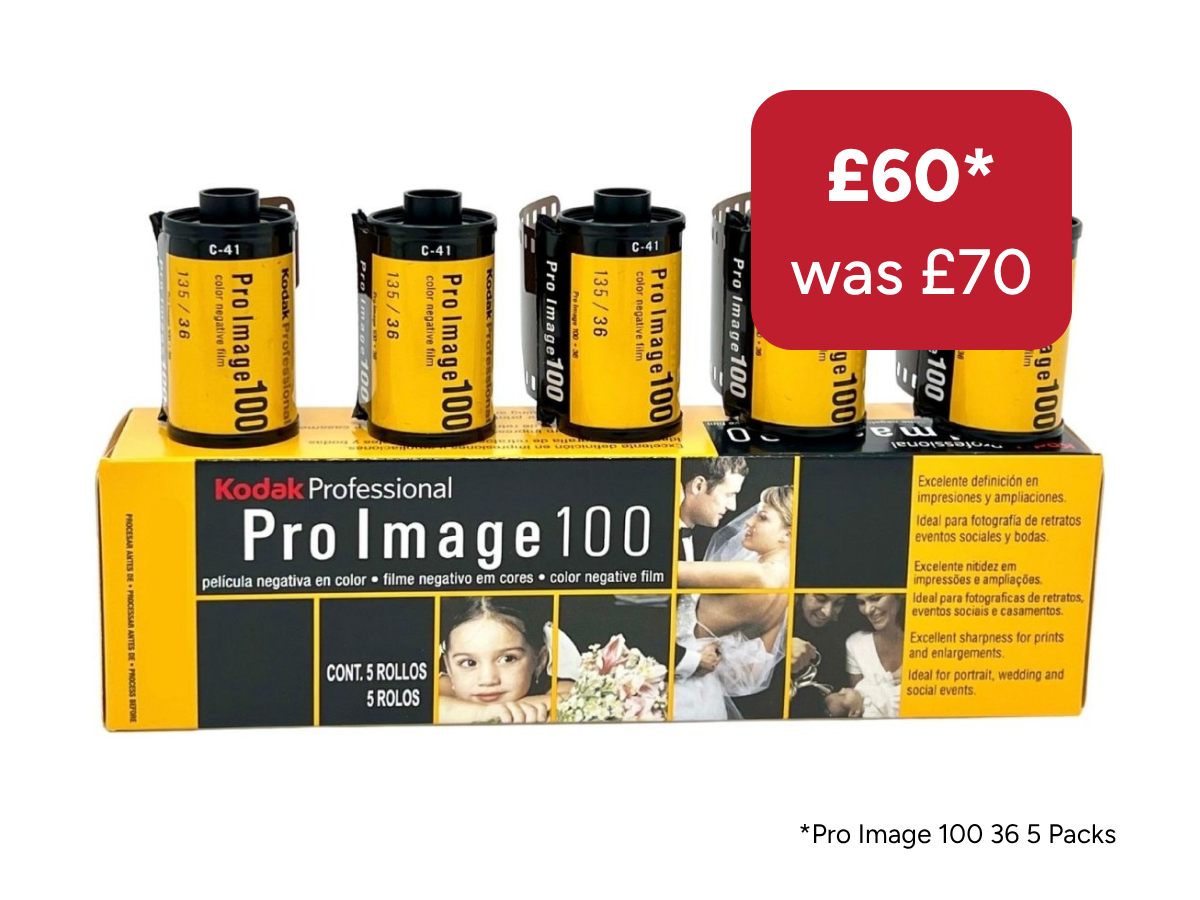

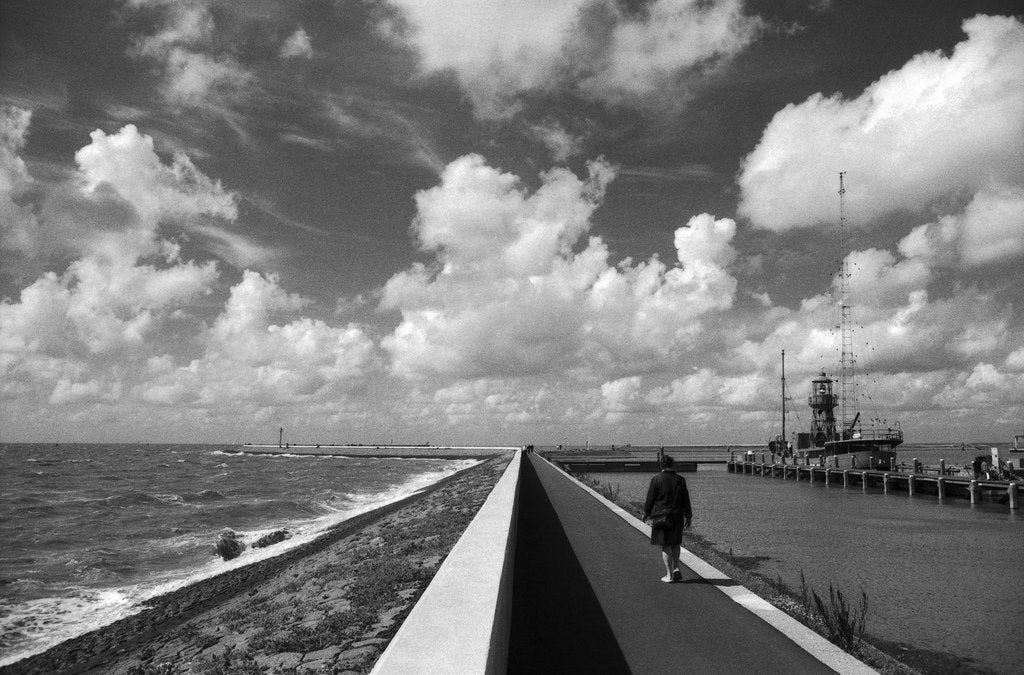
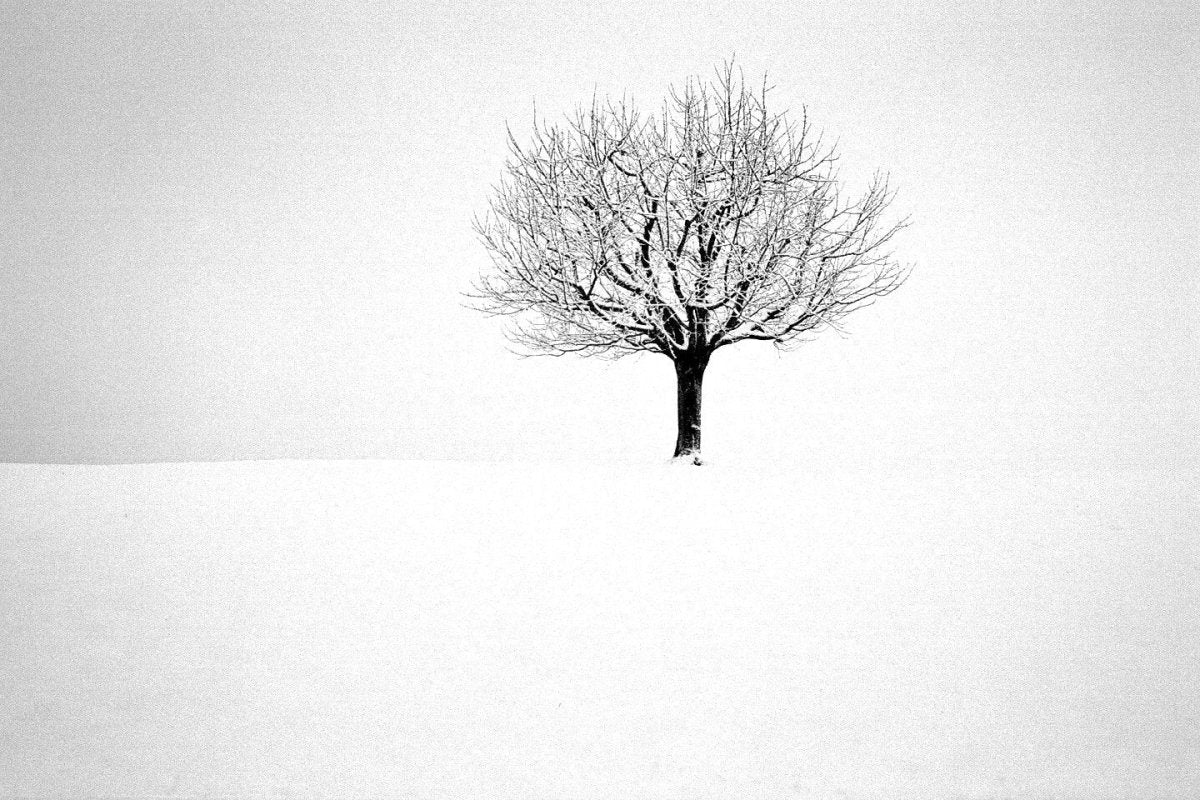
Watch our review 🤩

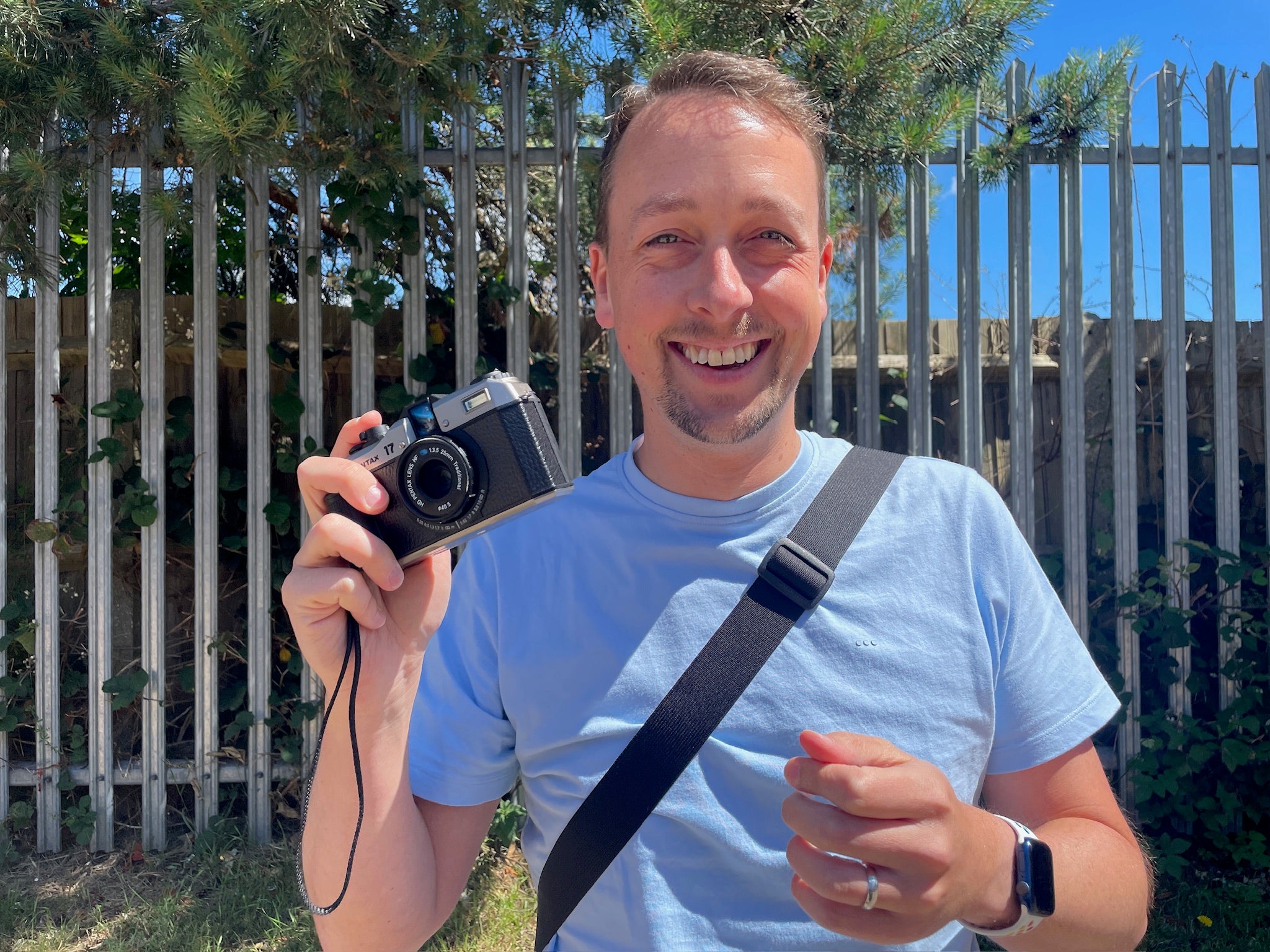
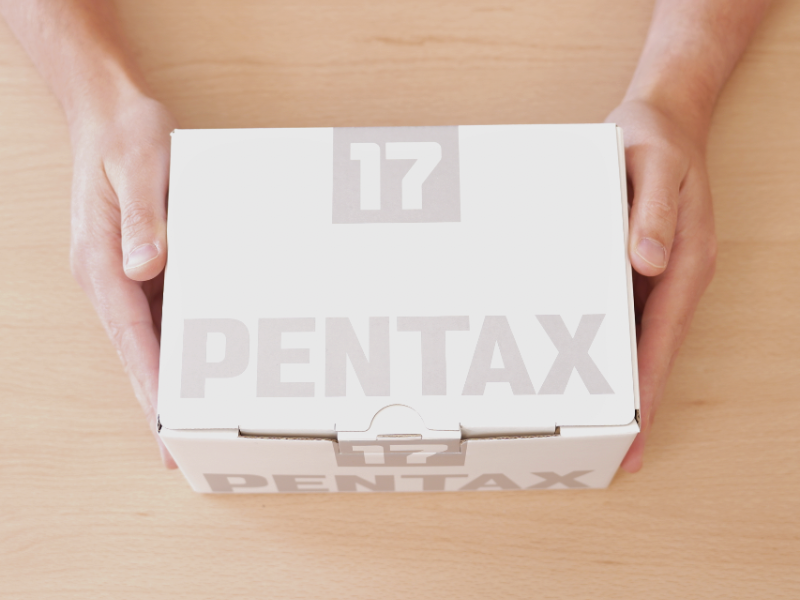
PENTAX 17 - "It's time for film!"
Film photography not only means a break from our digital everyday life, film photography also means experiencing photography with different senses. The process of seeing the subject, setting up the camera and developing the film is something unique and a very special photographic experience, not only for film camera enthusiasts who have enjoyed film photography for years, but also for young photographers who are looking forward to experimenting with film photography for the first time.
For a long time, analogue technology was overshadowed by digital photography and played only a minor role, with cameras that are at least 20 years old. Even though large numbers of cameras from this period are in circulation, the majority of old cameras are no longer usable.
The increasing desire, especially among young people, for a modern and reliable camera was the reason for a group of older, experienced experts and young engineers at RICOH IMAGING/PENTAX to design a camera that allows photographers to express their originality and creativity by providing scope for manual operation, while also delivering reliably good images.
Design Winner
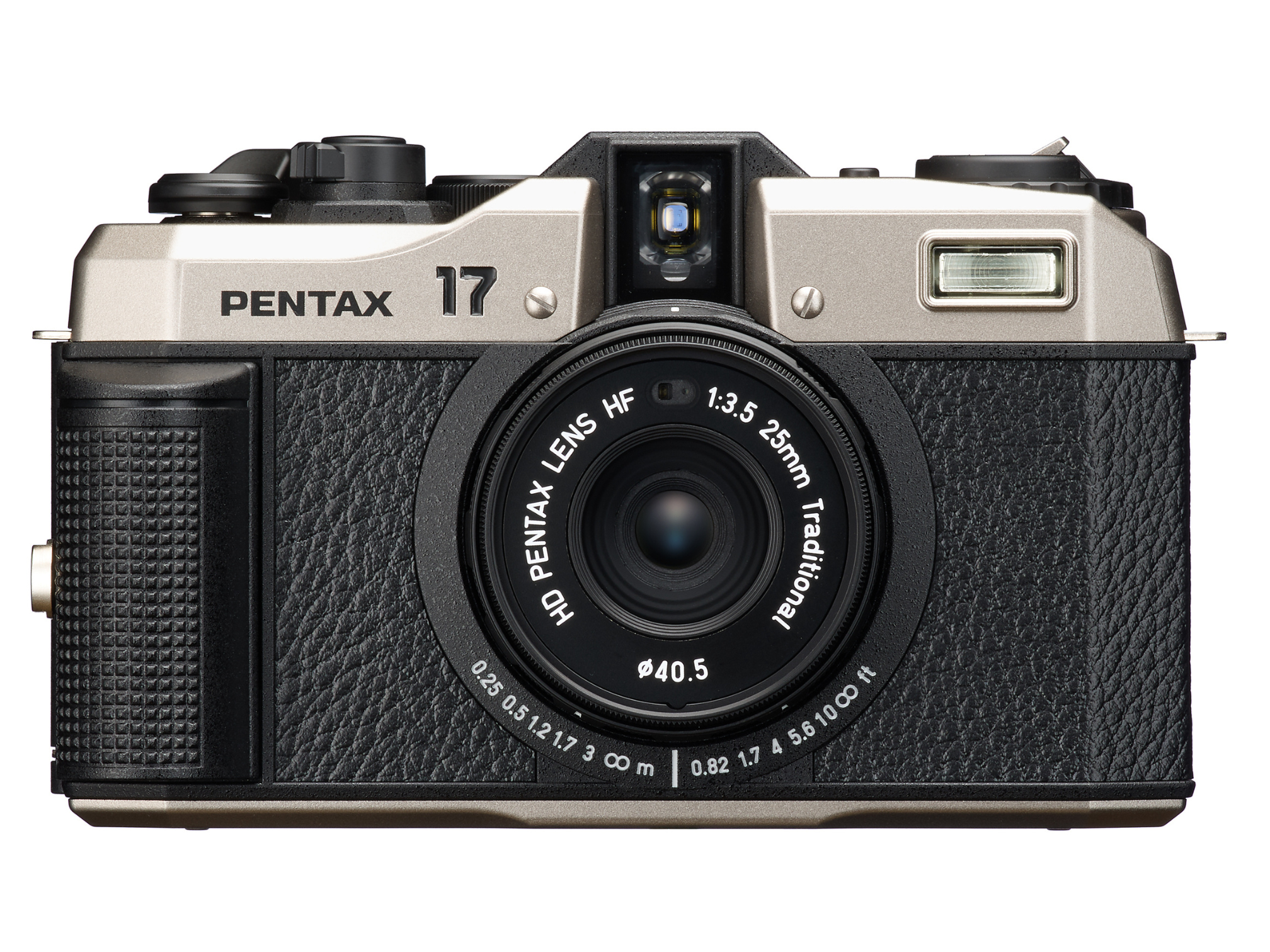
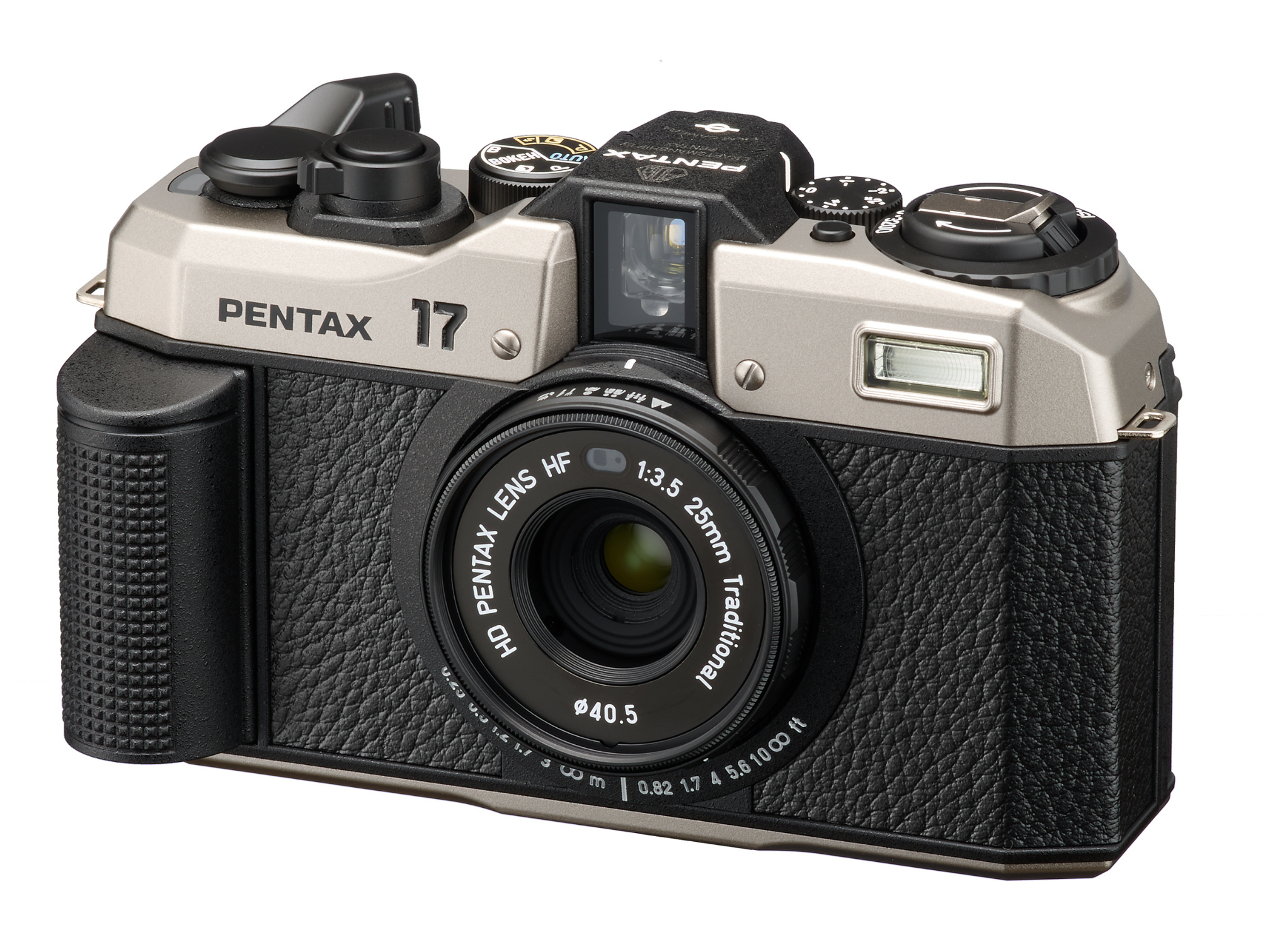
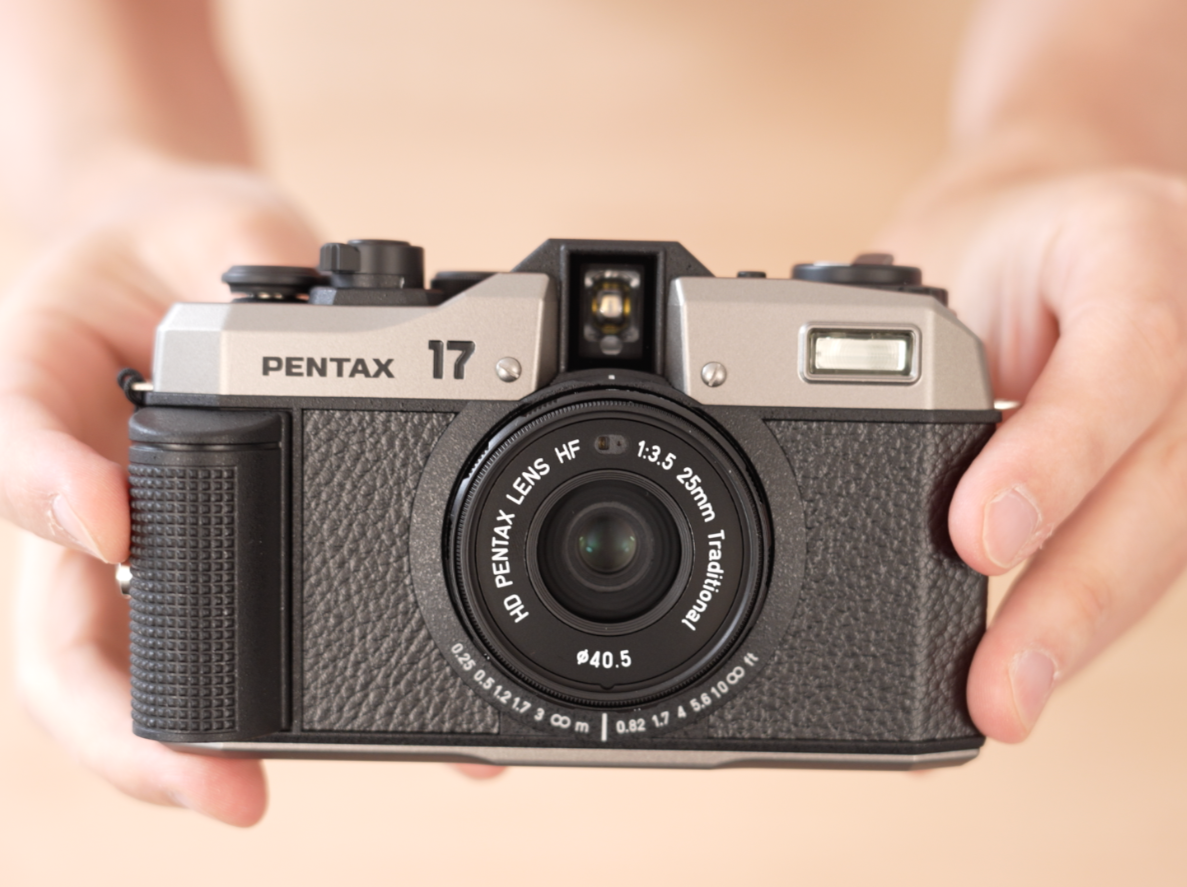
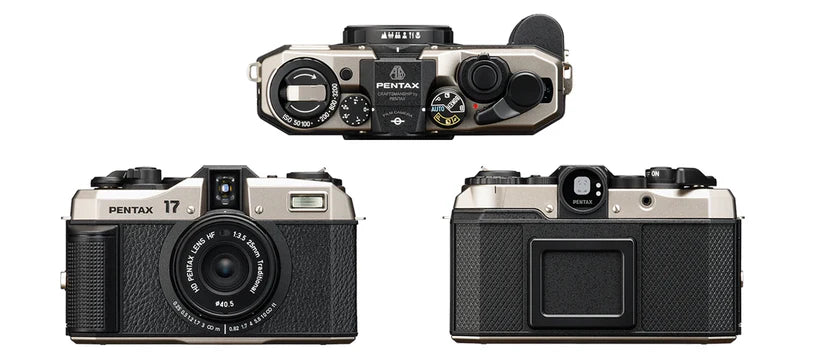
The PENTAX 17 is designed in the style of many successful PENTAX SLR cameras. The silver exterior parts are made of a solid but lightweight magnesium alloy, which is already used in the top-of-the-range cameras such as the PENTAX K-1 Mark II and the PENTAX 645Z. Together with the technical plastic of the camera body, which was chosen to reduce the overall weight, the PENTAX 17's body design embodies the robustness, precision, nostalgia and beauty of a film camera that is already a classic, as confirmed by globally recognised design awards.
In contrast to digital photography, every picture taken with the PENTAX 17 is a unique original, created by the film selection and the photographer's individual settings, far removed from artificial intelligence, which is increasingly finding its way into photographic technology.
Why Half-Frame?
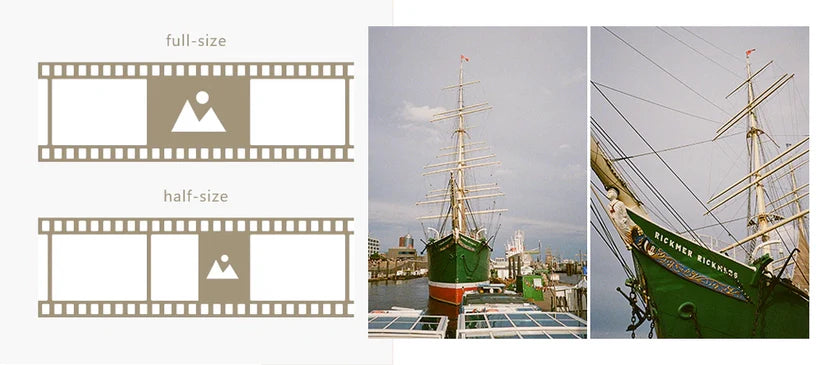
An important point in this type of photography is the cost of film purchase and development. Since the PENTAX 17 was designed specifically for young people, special attention was paid to this. The camera takes pictures in the so-called half format. This results in two 17 mm x 24 mm images on the typical 35 mm format (24 x 36 mm). This doubles the number of original images, which in turn halves the costs compared to other models.
This has another advantage, because it is designed for vertical image composition. When looking through the viewfinder, you can see a vertical section for image design. This vertical orientation is familiar to anyone who uses a smartphone. This is particularly useful when sharing images on social networks after development.
The increasing desire, especially among young people, for a modern and reliable camera was the reason for a group of older, experienced experts and young engineers at RICOH IMAGING/PENTAX to design a camera that allows photographers to express their originality and creativity by providing scope for manual operation, while also delivering reliably good images.
High Quality Half-Frame
The PENTAX 17 is designed for ease of use, but features high-quality, proven components. For example, the lens was designed as a triplet type, which was used in the currently very popular and sought-after Espio mini camera from 1994, and the RICOH Auto Half, a bestseller in the half-frame format.
An electronically controlled central shutter is incorporated into the lens, ensuring highly accurate shutter speed control. The combination of this shutter and the lens construction of the new lens ensures that the camera produces a beautifully rounded bokeh effect. It will be a real pleasure to shoot with it and capture the rays of light.


Zone Focusing
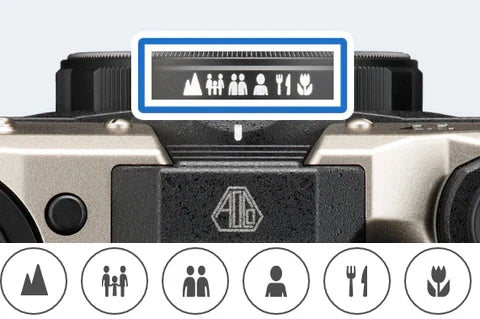
The Zone focusing system was designed for switching the focused area depending on the subject distance.
The technical requirements for perfect pictures are therefore in place, but the camera leaves plenty of room to experience analogue photography creatively. First of all, there is the distance setting. A conscious decision was made to use a manual distance setting here, because this means that the photographer decides what distance to set and does not have to rely on automatic settings to set the correct distance.
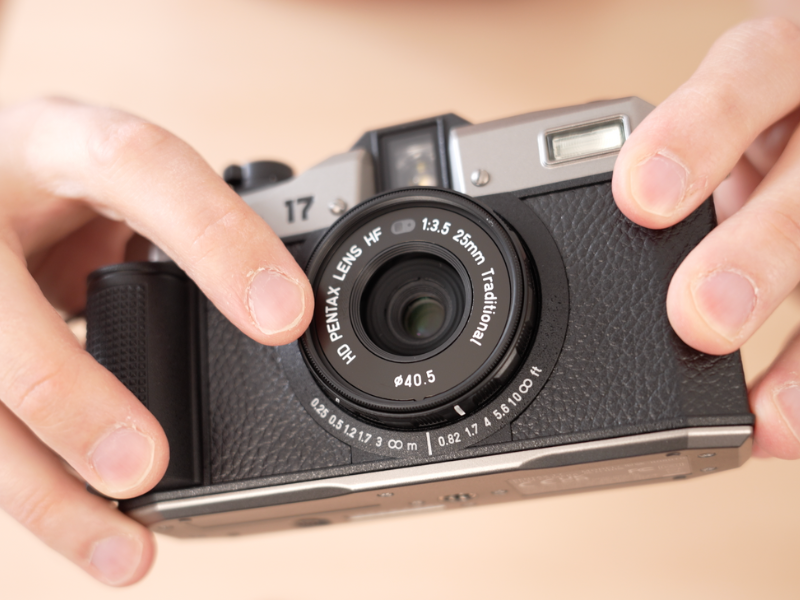
The Zone Focus has six zones marked on the lens, for close-up and long-range shots. To focus the camera, simply select the mark that best matches the distance to your subject.
Far distance
This zone sets the focus from 5.1 meters to infinity, making it ideal for scenic photography and long-distance shooting.
Medium distance
This zone sets the focus from 2.1 to 5.3 meters, making it useful for medium-range photography, such as group photos.
Close distance
This zone sets the focus from 1.4 to 2.2 meters, making it handy for taking casual snapshots of personal effects from an eye-pleasing distance.
Extremely close distance
Setting the focus from 1.0 to 1.4 meters, this zone is useful in capturing close-up photos of friends or groups.
Tabletop photo*
Setting the focus from 0.47 to 0.54 meters, this zone is perfect for capturing table-top photos at locations such as cafes and restaurants.
Macro*
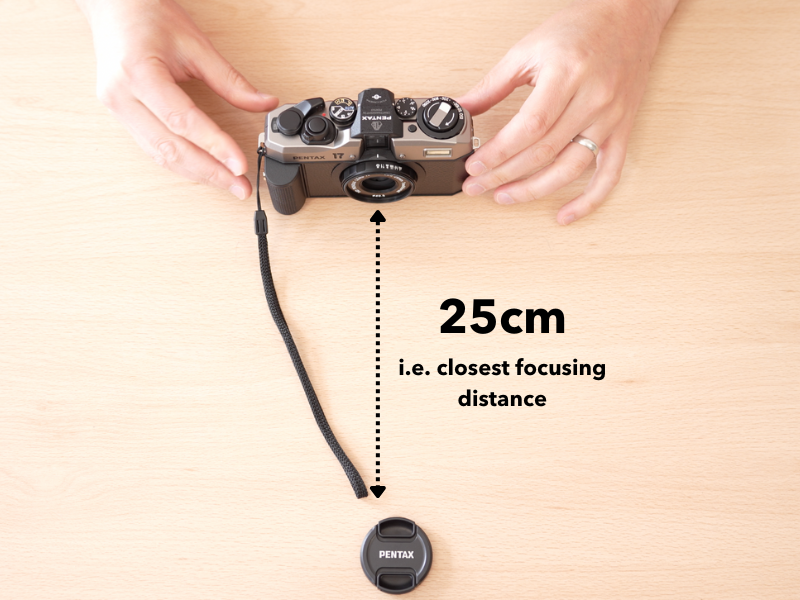
Setting the focus from 0.24 to 0.26 meters, this zone is prefect for capturing fine-detailed photos of small objects, such as flowers or tiny articles, or creating dramatic macro images.
*Because the PENTAX 17 is a compact film camera, it causes a parallax in the Tabletop and Macro zones. When photographing in these zones, you are advised to frame the image using the parallax compensation frame indicated in the viewfinder.
Bright Optical Viewfinder
An important feature is the optical viewfinder. It has a bright Albada-type frame that also has a near-field compensation frame to make it easier to compose images when shooting close-ups. This allows the PENTAX 17 to capture images from a distance of 25 cm. Zone markings can be checked directly through the viewfinder.
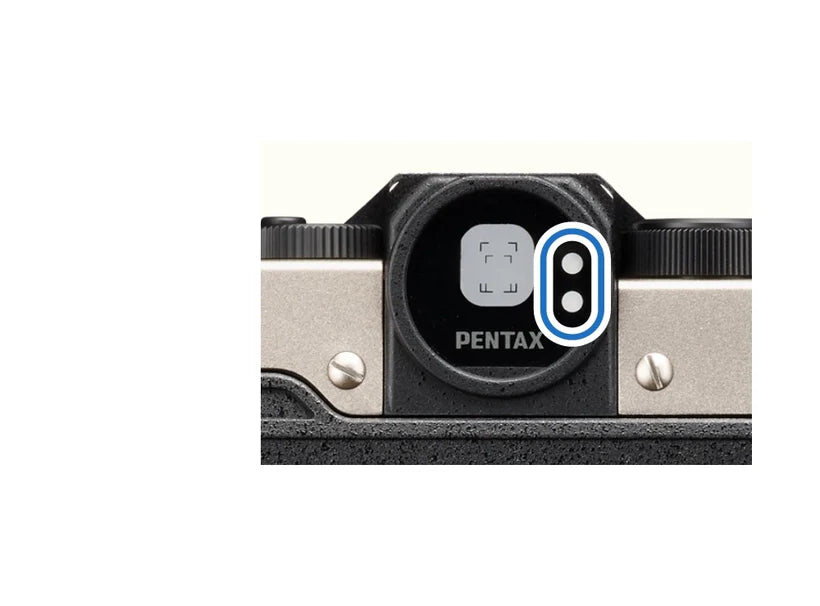
Indicator lamps provide information on the camera's operating status and issue warnings.
Two indicator lamps are located next to the viewfinder. These flash as a warning to prevent operating errors if you try to take pictures with the lens cap on, fail to wind the film to the next frame, or set the focus area to Tabletop or Macro.
Enjoy the manual winding and unwinding of films
Another essential part of a film camera is the typical shutter sound, the transport, and the rewinding.
Here, completely different senses are addressed. The sounds that are created are not synthetically generated, but are confirmation of the action performed.
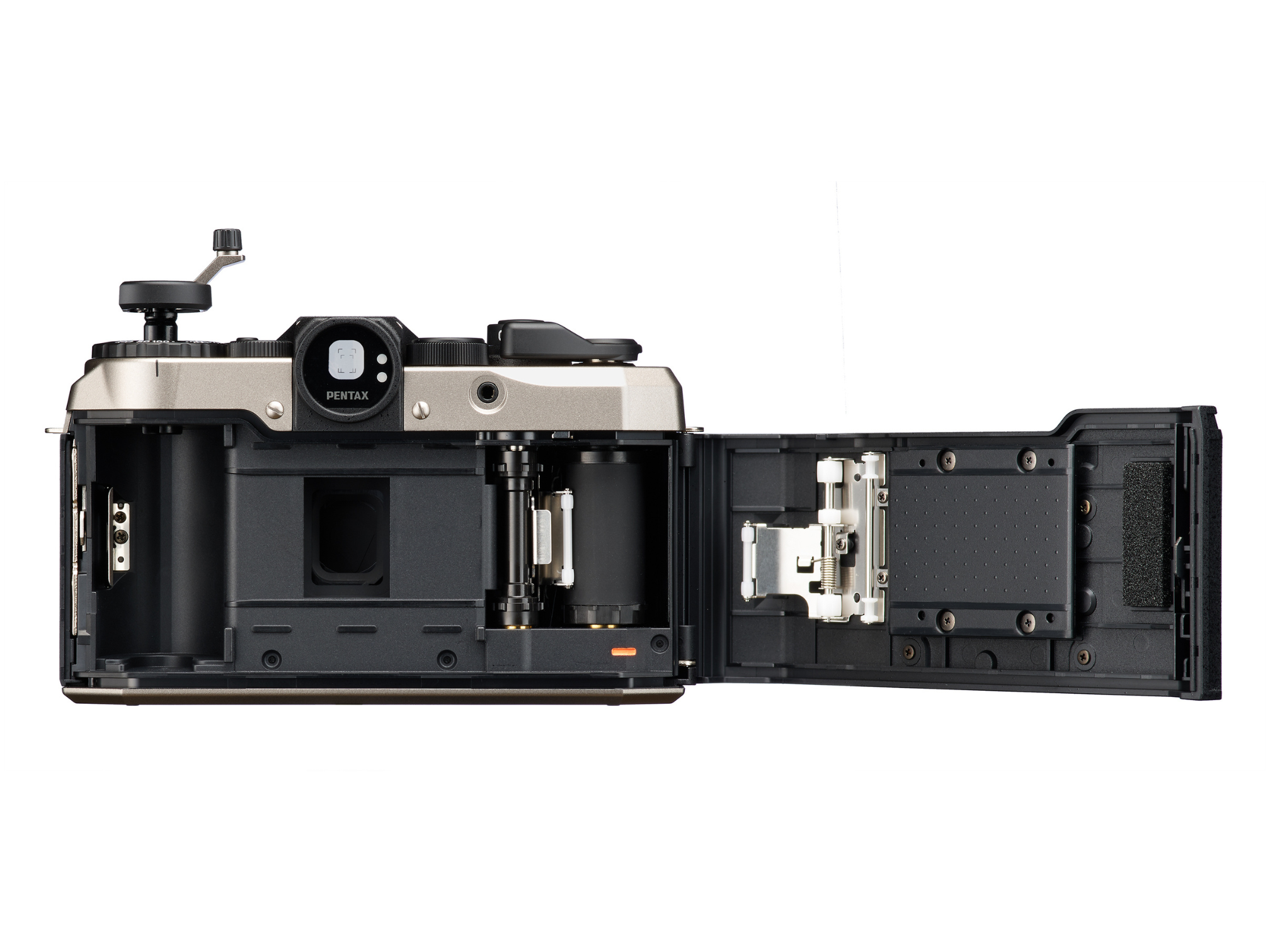
The PENTAX 17 has a simple loading system. Simply insert the film roll, pull the film to the mark, close the back cover and advance the film until the film counter reaches ‘0’ (zero). When the film roll is full, or if the film is to be removed prematurely, the film can easily be rewound manually.
Memory holder to always know which film has been inserted.
If you cut off the tab of the film package and insert it into the camera's note holder, you can see at a glance what type of film is being used and thus know what film is in it even after a long time. Because a maximum of 72 shots per film roll is often enough for the entire holiday.
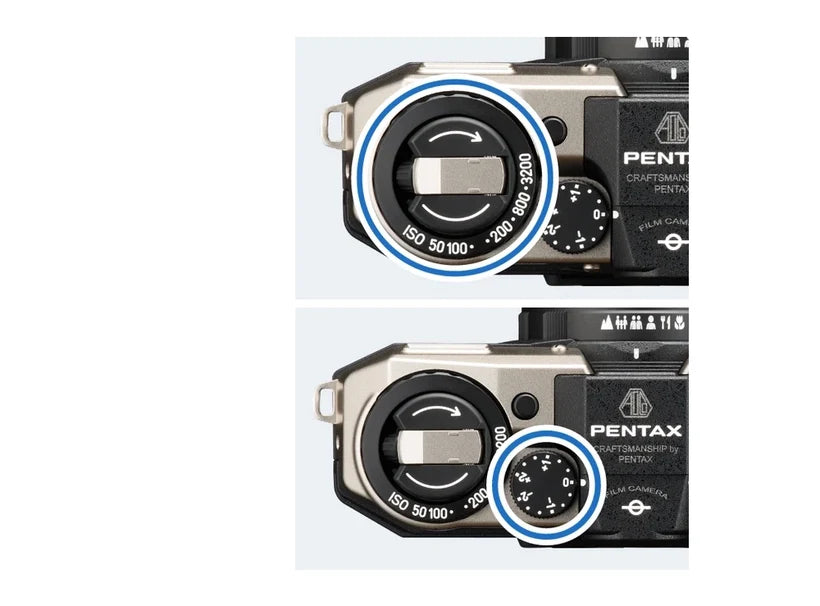
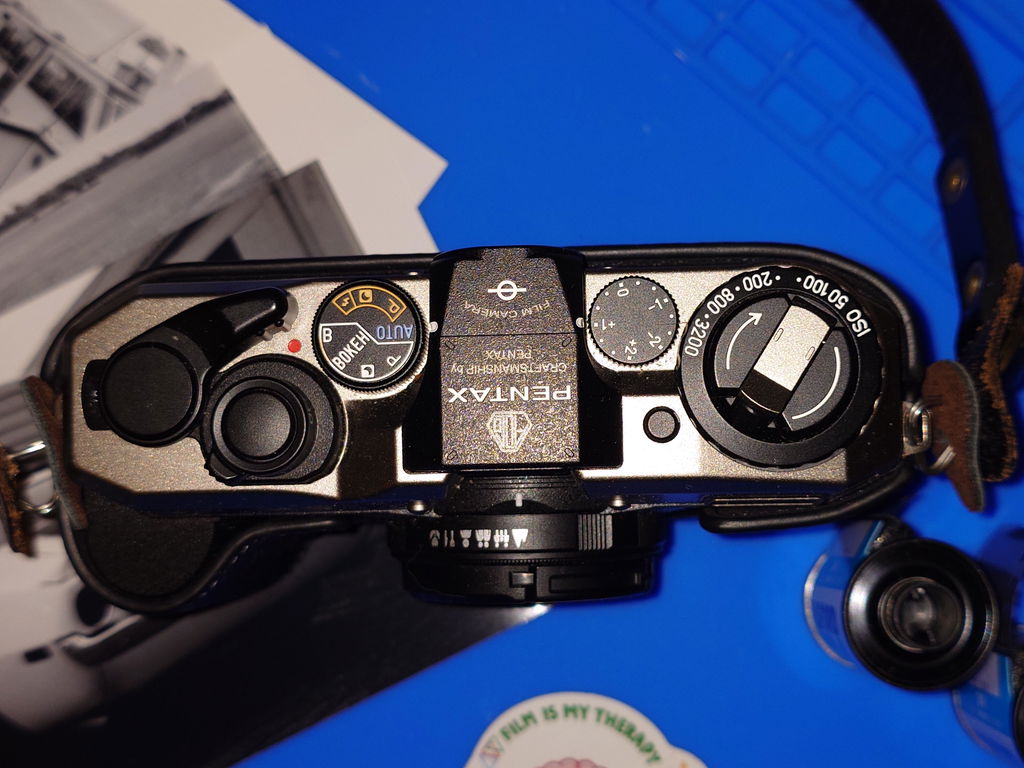
Manual ISO setting
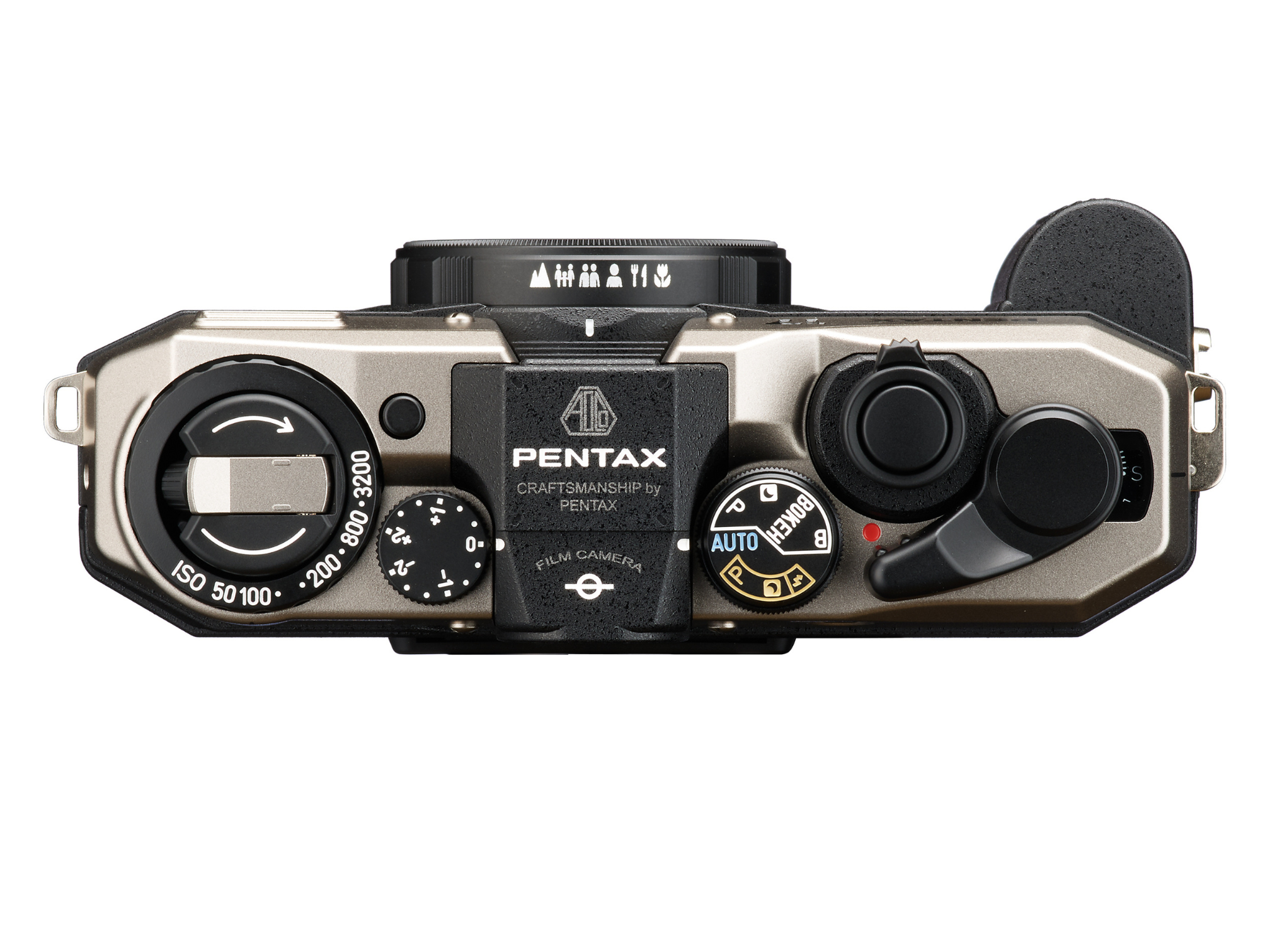
Exposure control is based on the light conditions, which are automatically measured, but also on the light sensitivity of the various films. It ranges from ISO 100 for a lot of light to ISO 3200 for very little light.
Photographers not only have a huge selection of films with different characteristics in colour or black and white, but also in different sensitivity levels.
Some of the big film brands are equipped with automatic ISO detection, but many of the smaller and more creative labels do not. This is not a problem with the PENTAX 17, because here the ISO value is set manually.
Light control
Exposure compensation mechanism for easy adjustment of the brightness level
There is also an exposure compensation dial that allows the exposure level to be quickly changed by simply turning it. This is useful when shooting against the light or for creative effects. The shot is deliberately over- or underexposed.
Shooting Modes (Exposure)
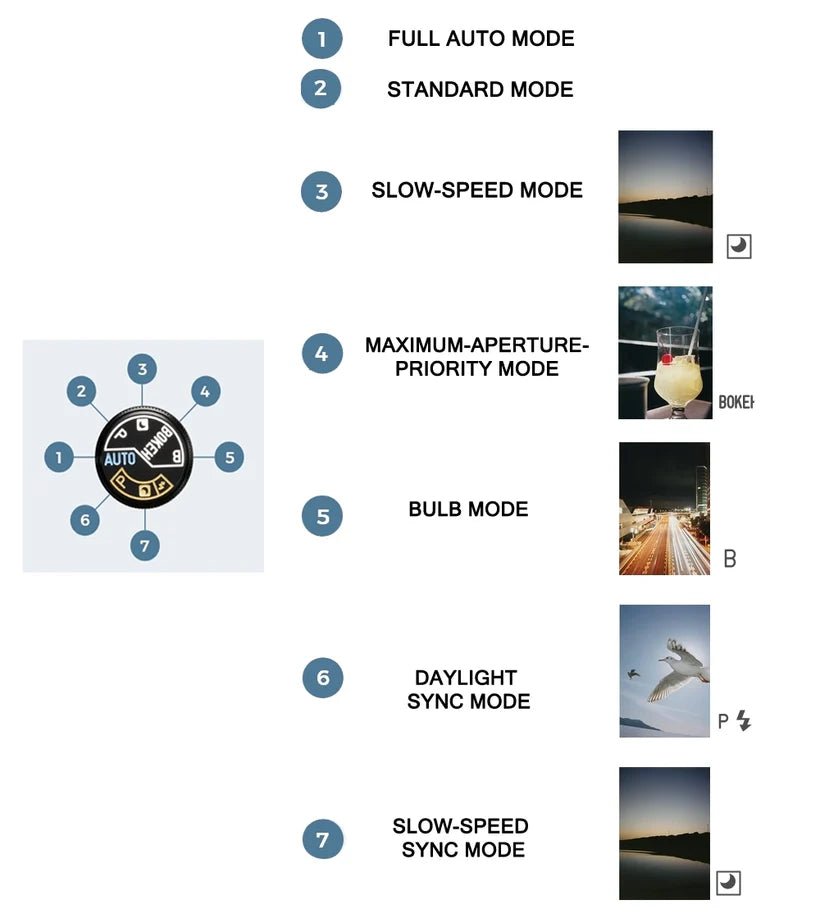
In addition to the distance, exposure control is an important factor for good pictures. This is done automatically, but also allows the photographer sufficient leeway for implementing their own creative ideas. First of all, there are the seven recording modes for different applications:
1 - Full Auto mode
The PENTAX 17 features a pan-focus mechanism with a fixed focus point, while the flash unit automatically discharges in poorly illuminated locations. This mode allows for more casual and effortless picture-taking, without worrying about camera operations.
2 - Standard mode
This mode lets you select the desired focus zone, while the camera adjusts exposure to the proper level. Since the flash doesn’t discharge, this mode is highly useful in daylight photography.
3 - Slow-speed mode
This mode lets you select the desired focus zone without flash discharge, making it ideal for twilight photography.
4 - Maximum-aperture- priority mode (BOKEH)
This mode lets you select the desired focus zone, without flash discharge. The camera automatically sets the largest aperture available for a given scene.
5 - Bulb mode
This mode lets you select the desired focus zone without flash discharge. This comes in handy for subjects requiring extended exposures, such as light traces or fireworks. The use of the CS-205 Cable Switch (optional accessory) and a tripod is recommended when using this mode.
6- Daylight sync mode
This mode lets you select the desired focus zone, with the camera selecting the optimal exposure settings. Since the flash makes a discharge, this is ideal for photographs taken against backlight or in poorly illuminated locations.
7 - Slow-speed sync mode
This mode lets you select the desired focus zone, with the camera making a flash discharge. This is useful in situations where you want to brightly illuminate a subject in the foreground while retaining the ambience of a nightscape or twilight in the background.
Customers also bought these
This camera is lightweight, simple to use and sophisticated enough that it has really made beginning in film photography very accessible. I love the design, the feel and the shooting modes. The auto-focus is great for a beginner and the camera is very intuitive.

I have now had the chance to put a couple of films through the Pentax 17. And these are my thoughts. This is a very capable camera and having a built-in flash is very useful. light metering and exposure are great giving a true to the situation result. I was a little concerned to start with, as it is half frame, that once cropped, the negatives would be grainy and soft. I was delighted to find out that was not going to be a problem. I have had a professional photographer look at my negatives and prints and he was very surprised at how good the images were.
Doubling the Frames per film is also very cost effective, but can be a little frustrating if you are impatient. I use 24 exposure film and find it perfect for me.
In summary, I would recommend this camera to anyone who wants the reliability of a new camera with a warranty. Anyone who wants a quality camera just getting into film photography. Anyone who wants a little more control than just a basic point and shoot. People notice that it's not a run of the mill camera, it has started a few interesting conversations.
Don't forget, Analogue Wonderland have an amazing deal on this camera to include film of your choice when purchasing. Treat yourself to one of the first new film cameras from Pentax in ages. I love mine 🥰
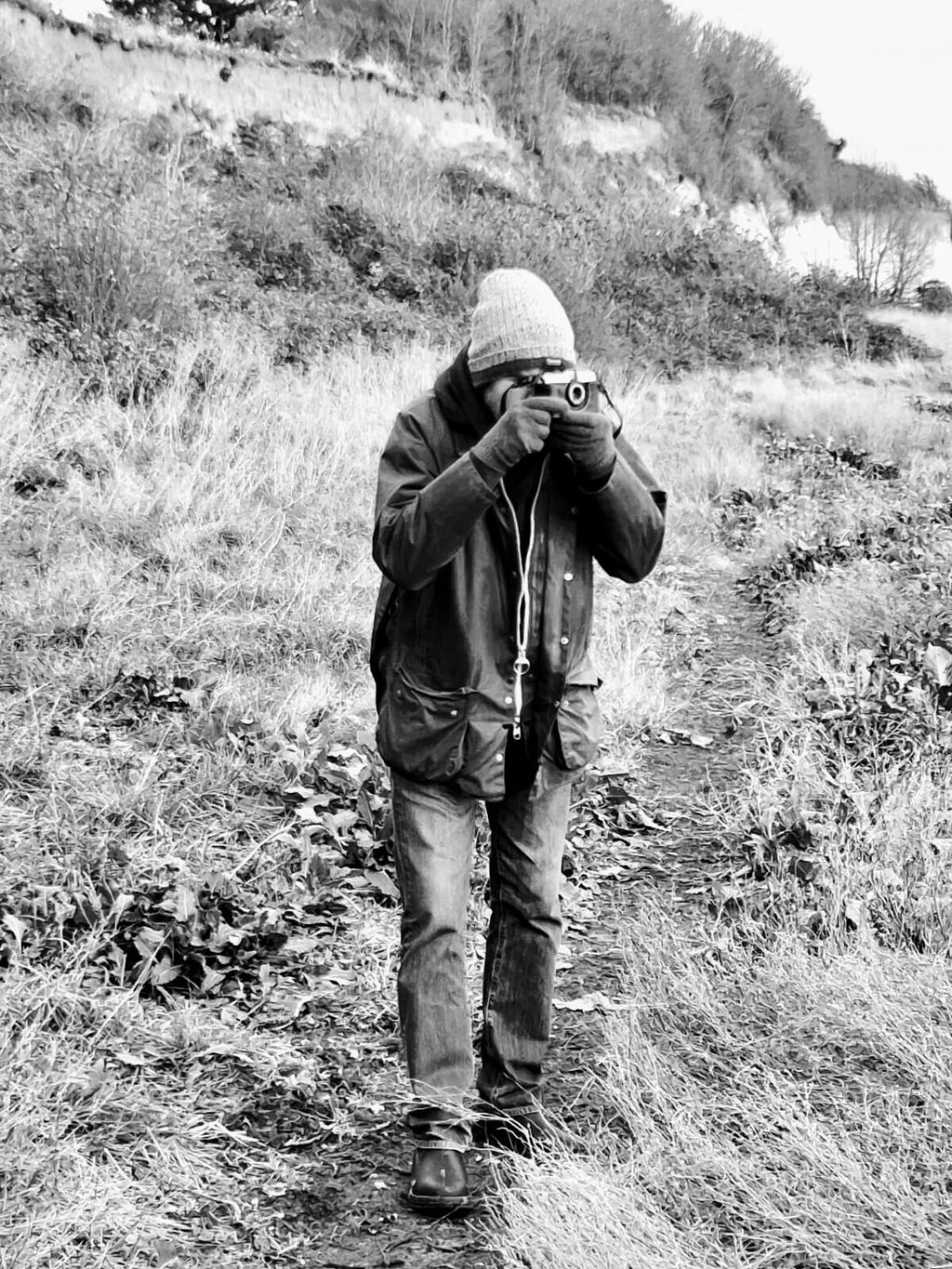
A good start for Pentax film camera rebirth, the Pentax 17 probably should have launched as a 35mm to get wider appeal, but for a unique half frame, the lens is sharp, battery life lasts for dozens of rolls and the flash is very capable.
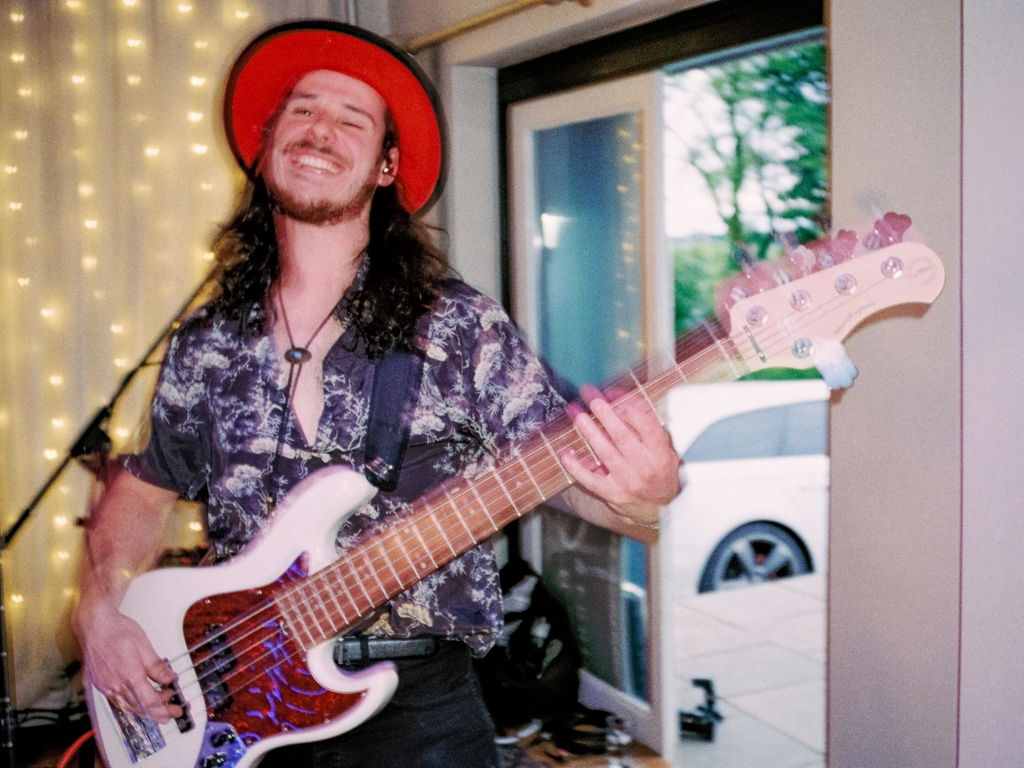
So the low light capabilities do have their limits, just like any film camera, but generally it tends to hit the mark pretty well. Lens is sharp and 72 photos per roll is absolutely mental when you're used to 36-38. Overall great for when you're shooting for fun, but I wouldn't want to rely on it for a photography project as zone focusing is a bit of a hassle compared to using a TLR or SLR when you need to guarantee sharp photos every time.
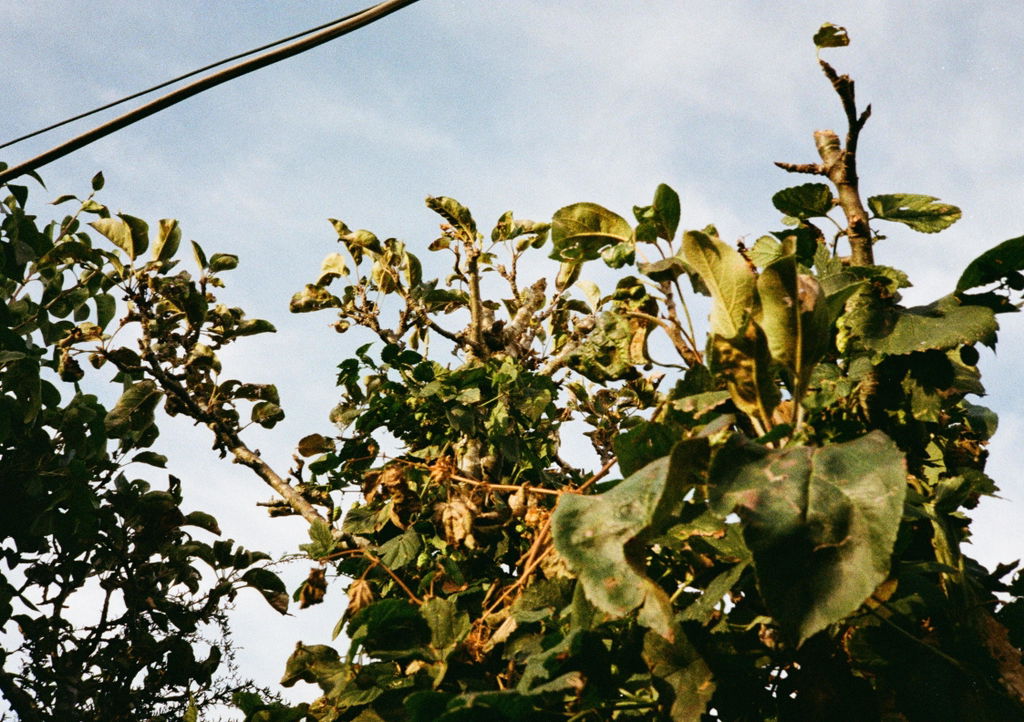
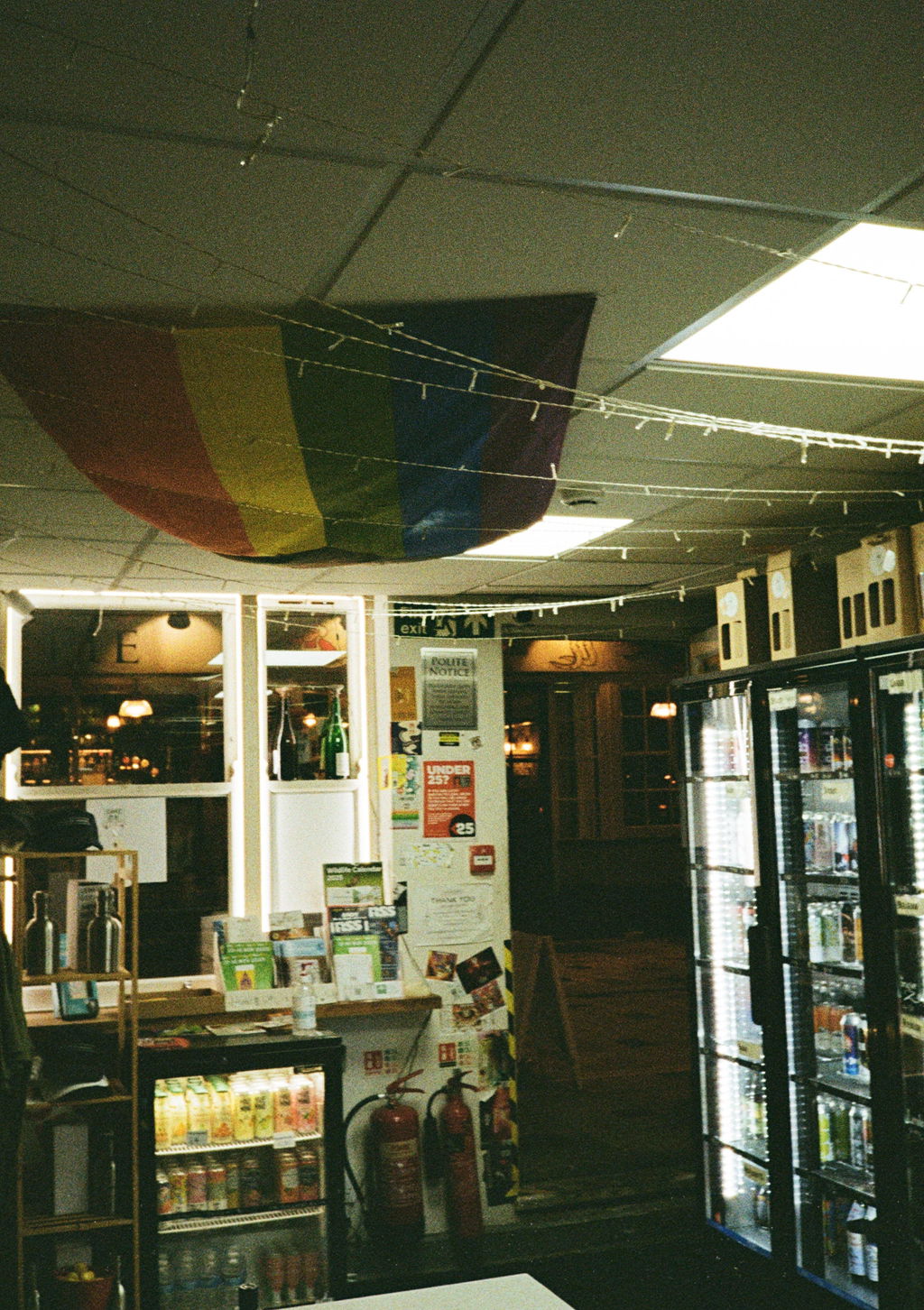
This is a great camera for what it is. Yes many hoped the first new film camera by a major manufacturer would be an SLR or something with more manual control. It isn't that. What it is is the best half frame camera other than the old Pen series cameras and they come with expense and failure risk due to age. I've found this perfect for snaps, street photography and low light shots with a tripod, the flash is good and works well indoors. I highly recommend this camera. If you've used a Trip 35 or similar zone camera it's an easy learning curve and I feel would be a quick learn for new comers. Great offer at the moment too with AW!
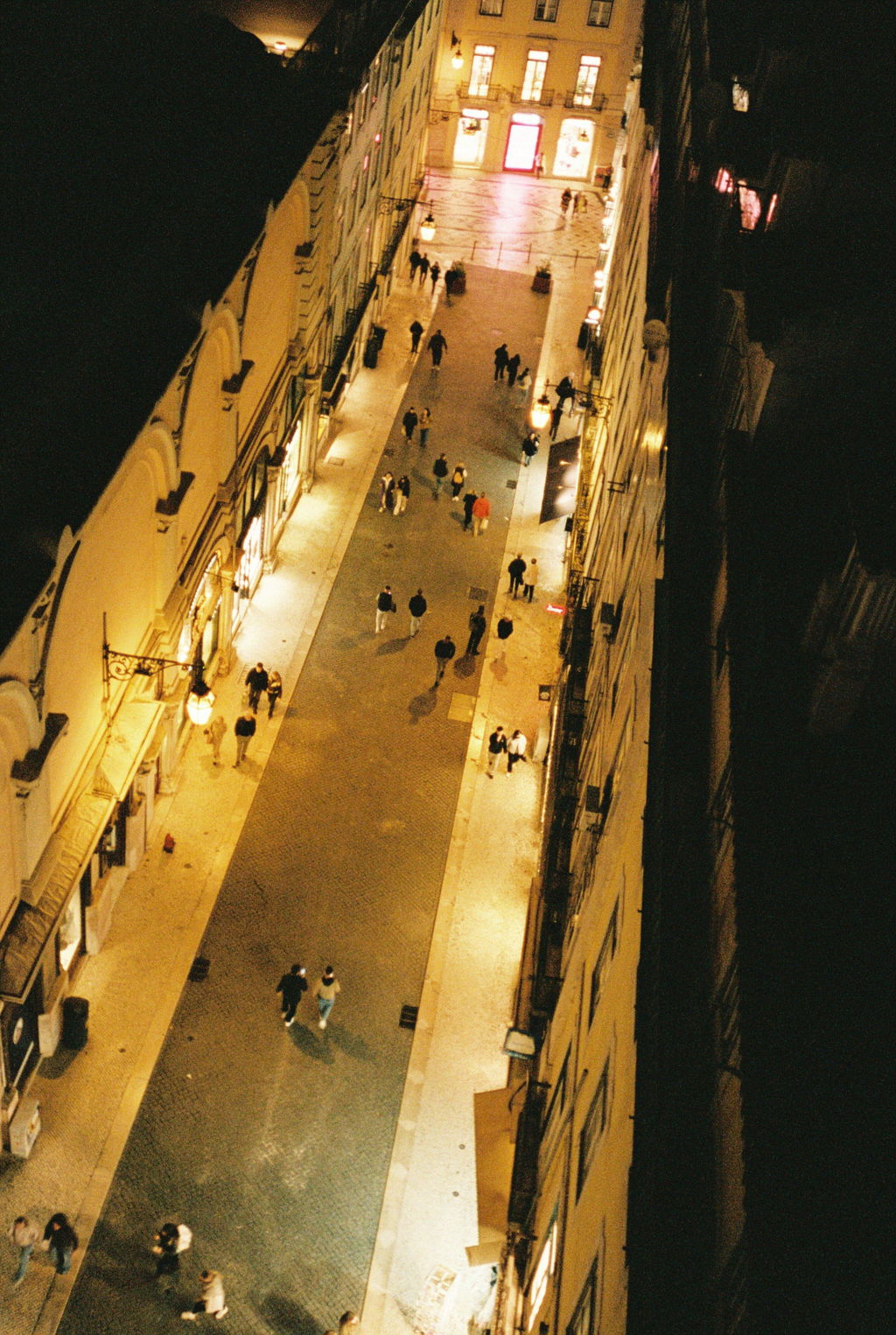
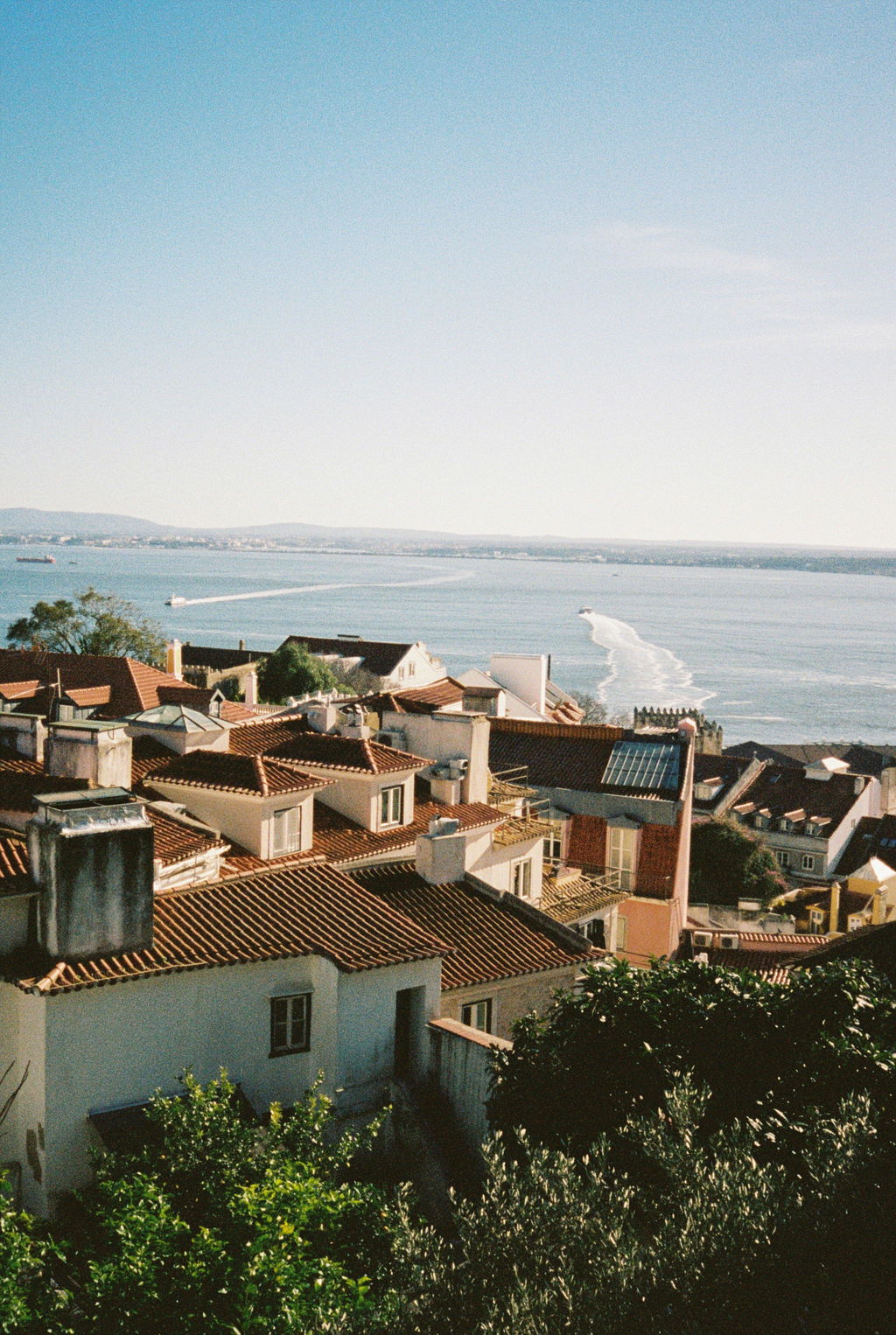
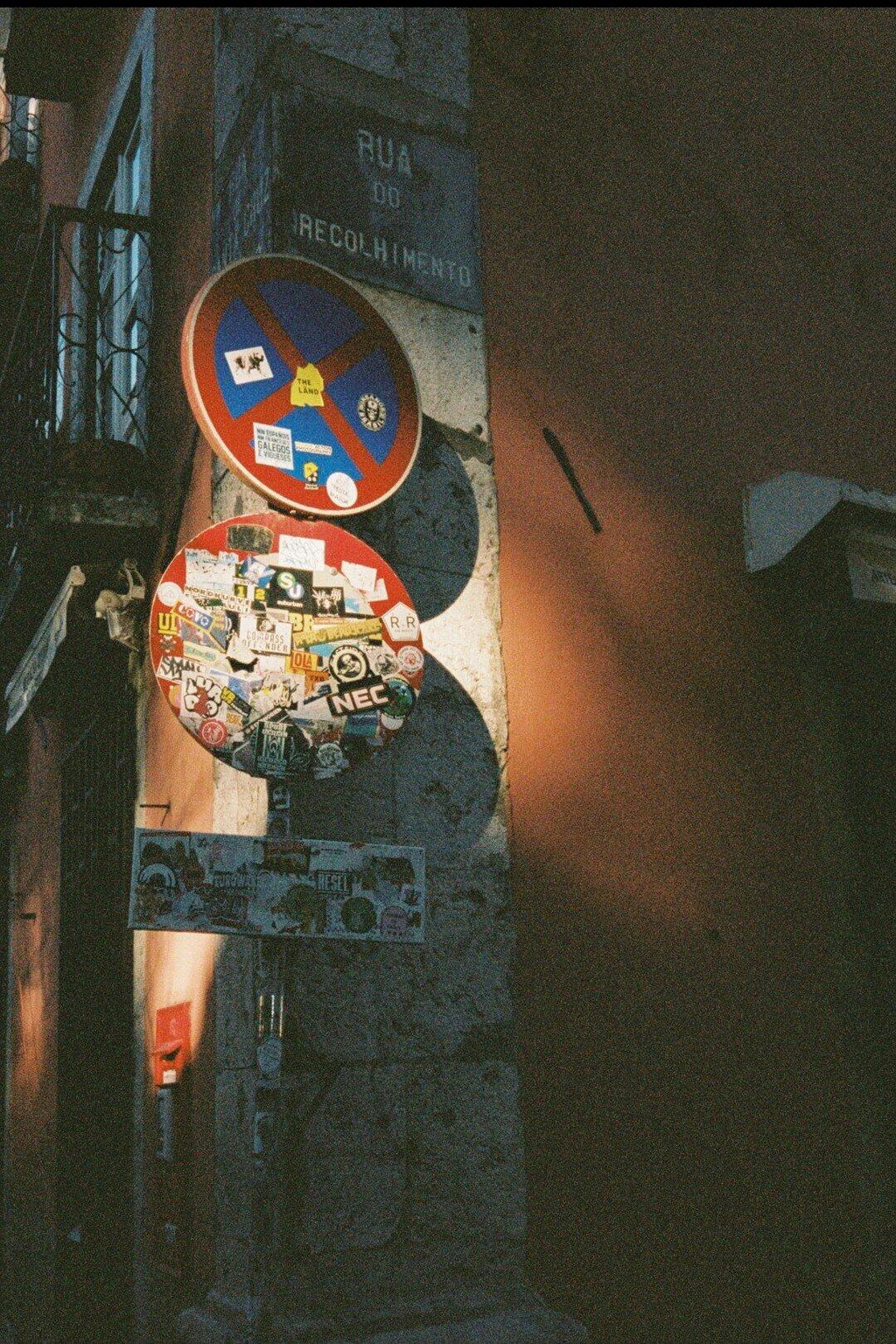
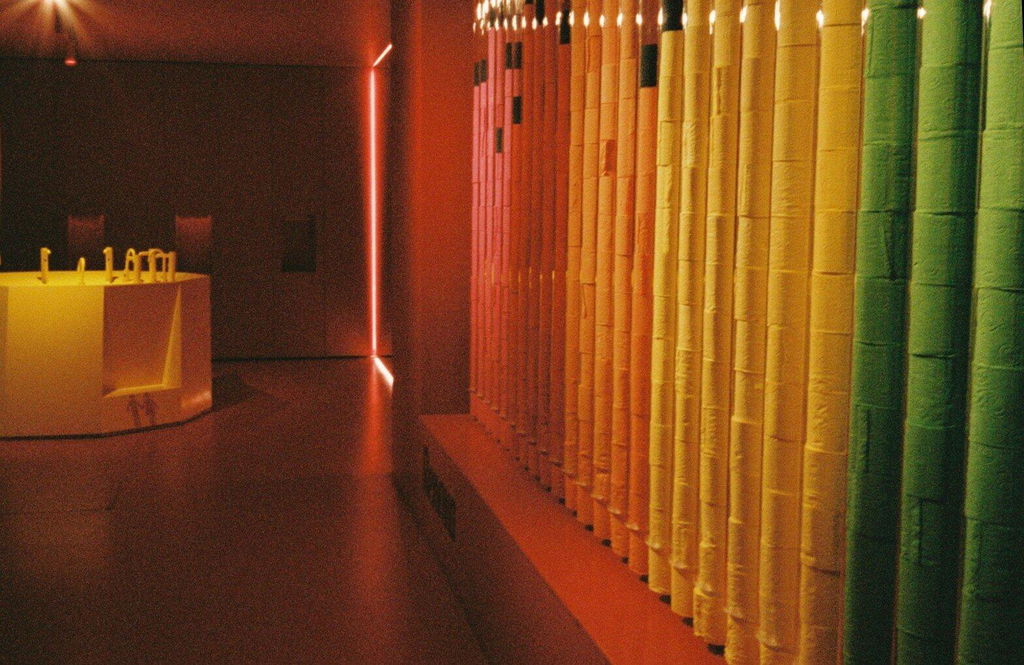
I'm new to analogue photography as always had digital, but I've always lo ed the old school film simulations, as I'm of a certain age ! Lol 😆
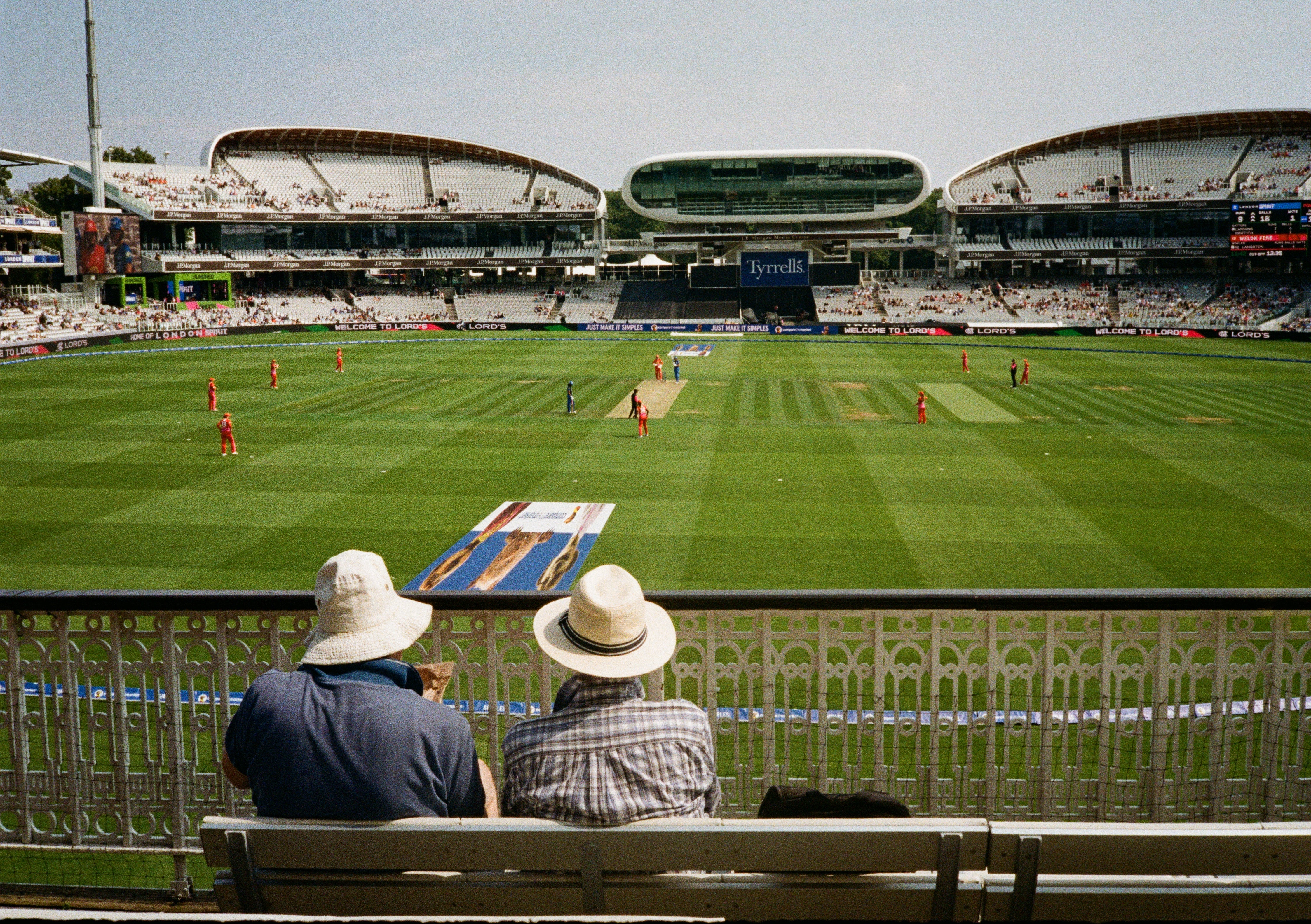
I took this on a 2 day trip to get some time with the Pentax 17 .
When I got back the results from Analogue wonderland lab, I was really quite pleased with the results. The film was kodak colour plus , it was old school colour and lots of film grain which added to the over all look.
I need to get to grips with the zone focus and compensation daily, but when you get it right I loved the results.
Having a built in flash so much easier than carrying around a separate unit.
It's light weight, pocket able, great little analogue camera fun...although the modern cameras are fun, I think this camera does have its place in the analogue world. It's new considering most analogue cameras are 30 to 40 years old.
Well done Pentax
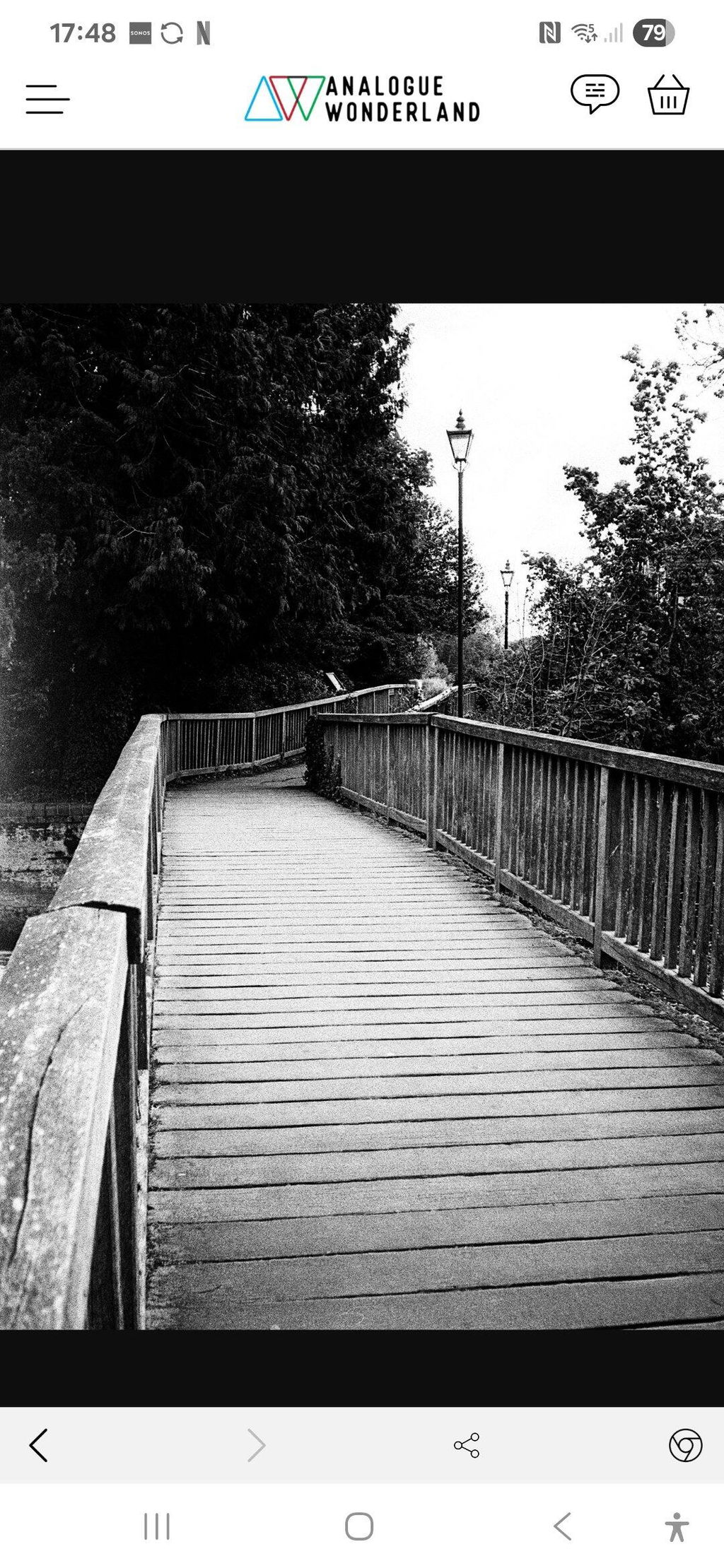
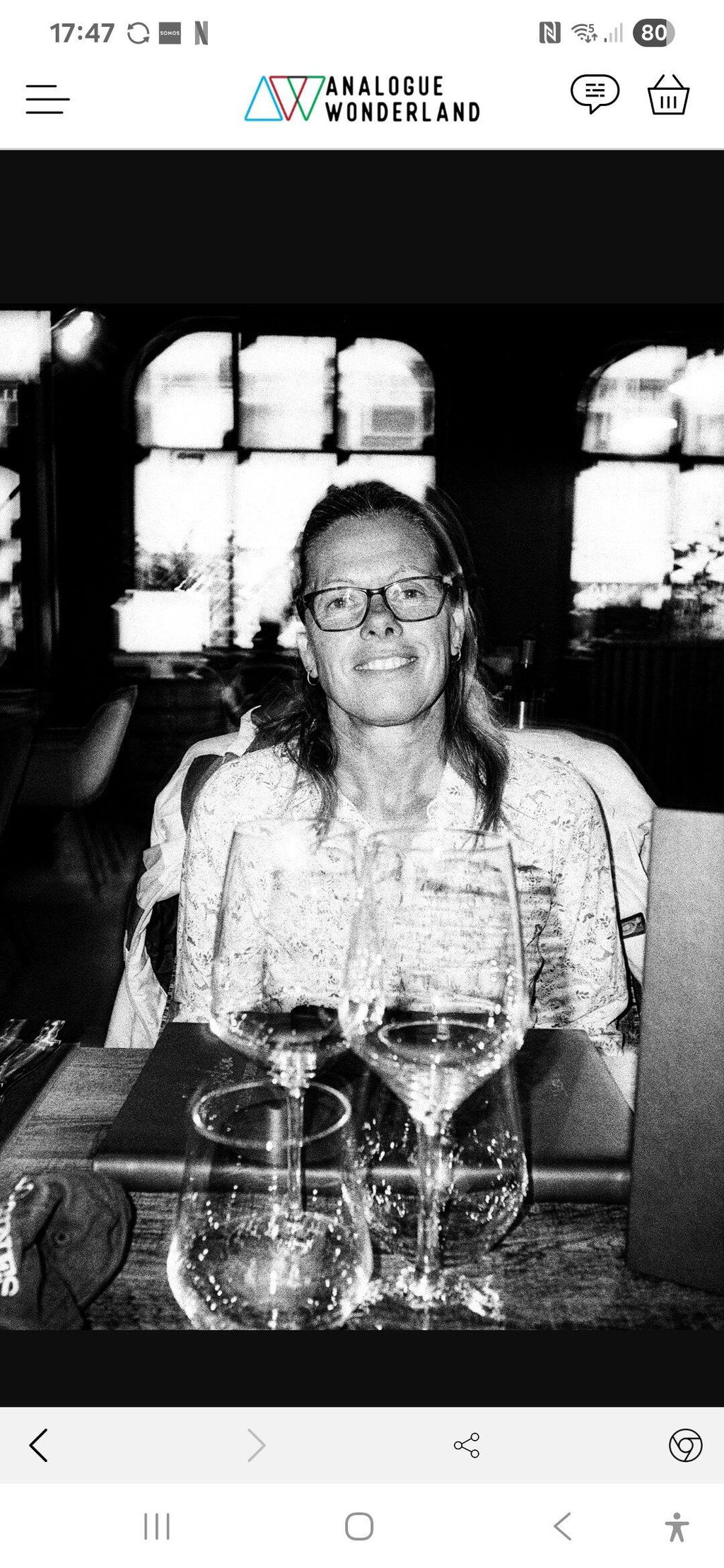
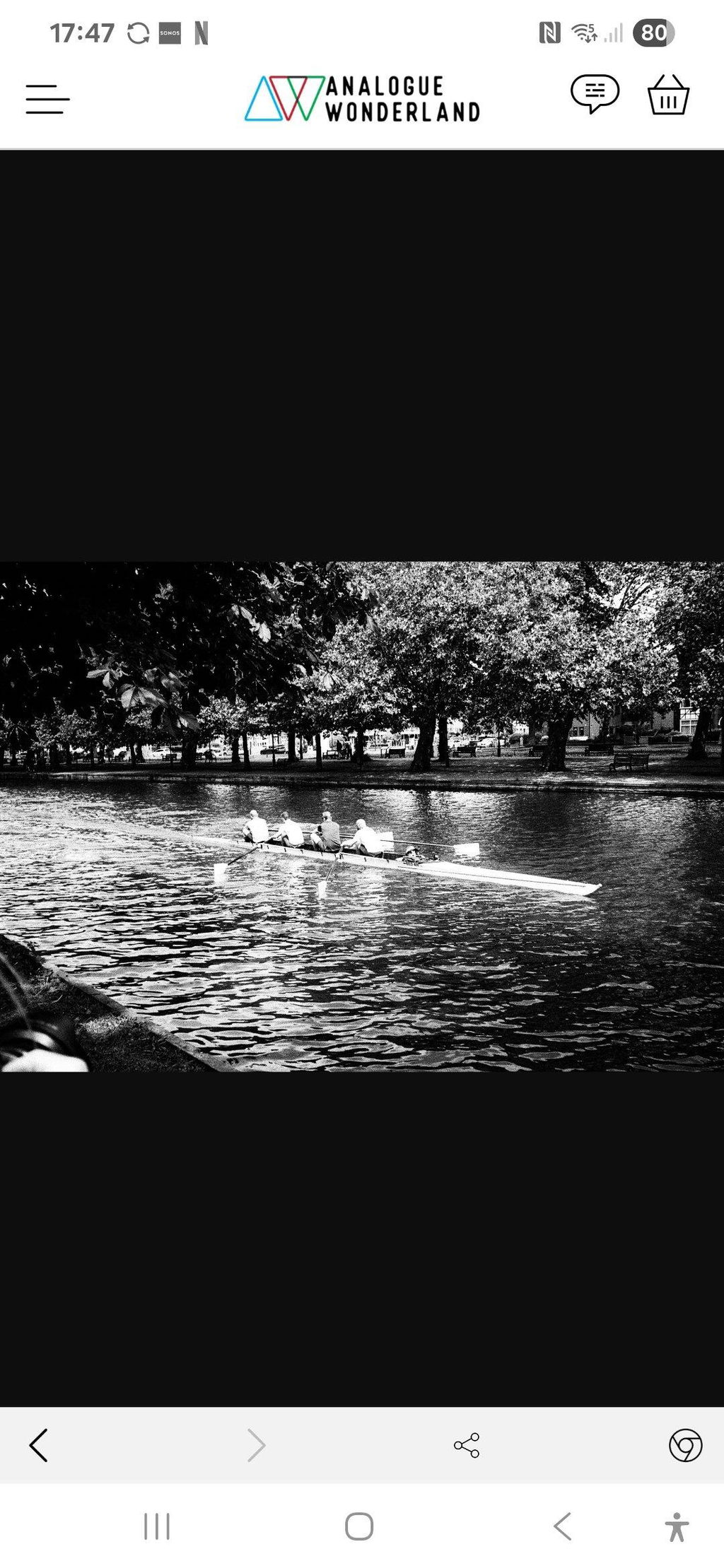
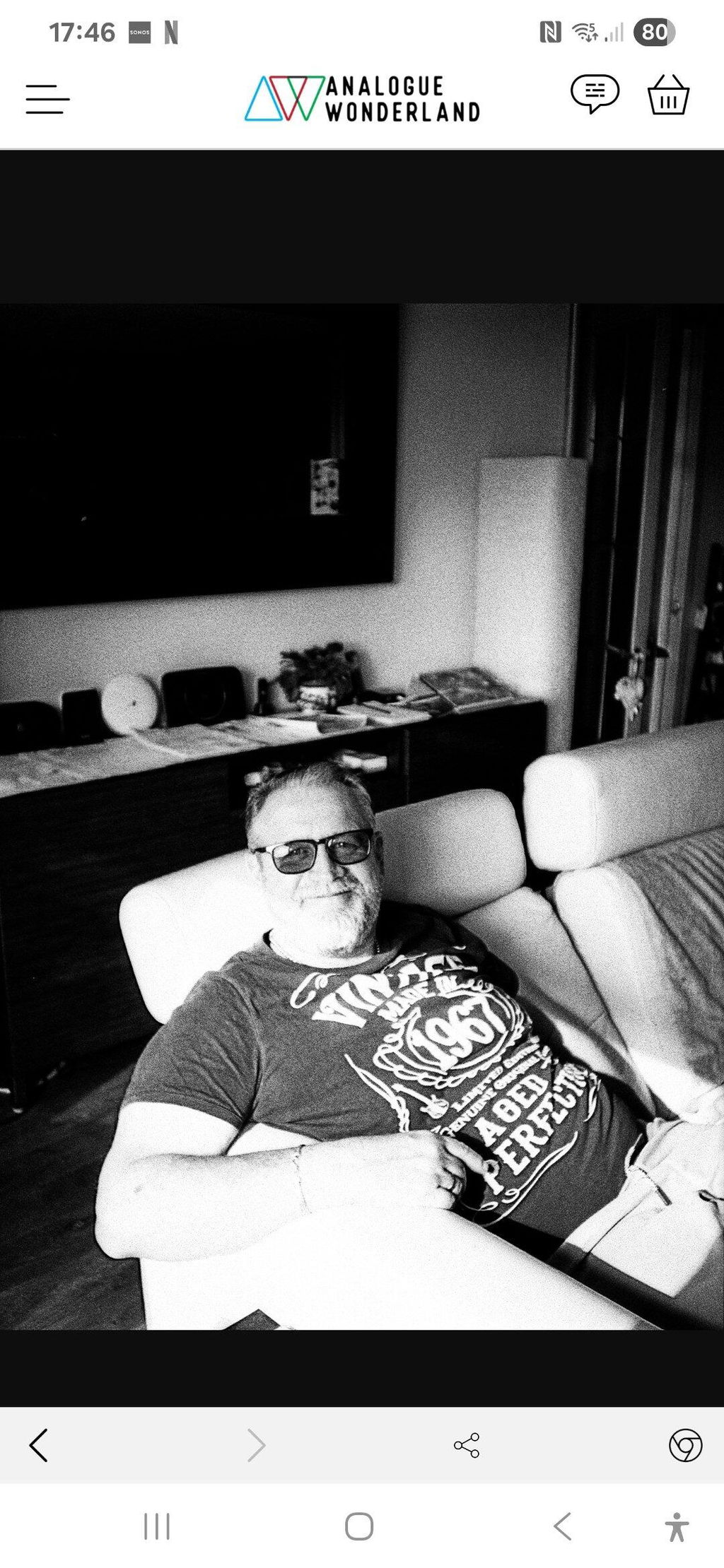

I purchased this camera with high hopes but for some inexplainable reason I just can’t get on with it. The problem is me, not the camera which is well built and does everything you ask of it. The main problem (for me) is that it a half frame camera and I am an impatient photographer. I put in a film cartridge and I waste half the shots trying to finish the film. Nothing wrong with the camera which works beautifully- the problem is the photographer (me)!!
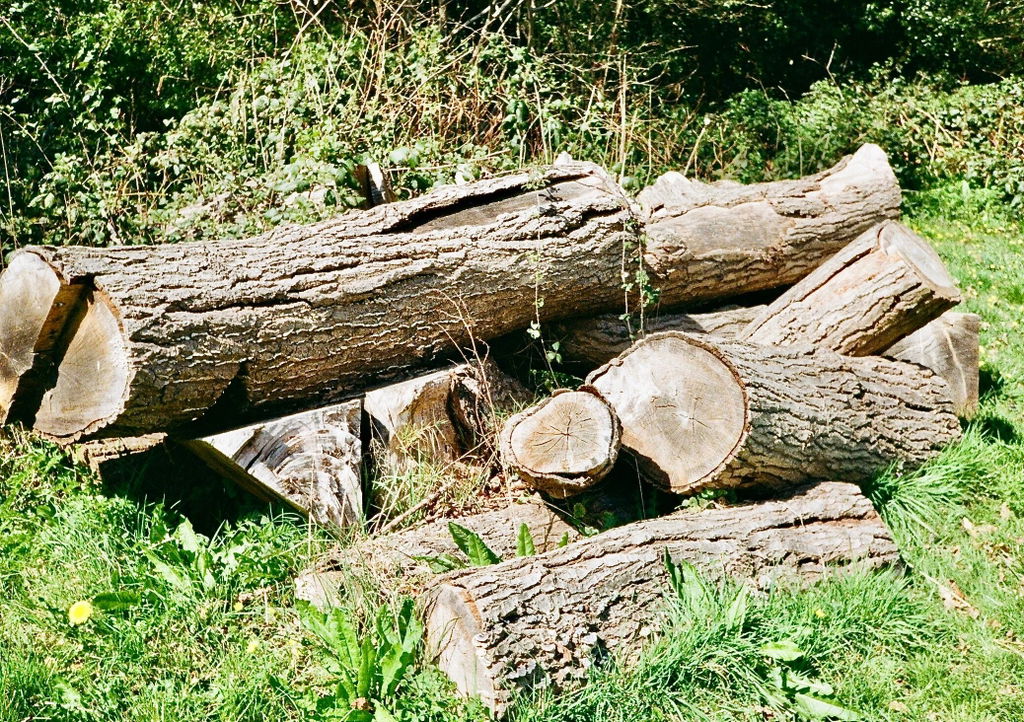
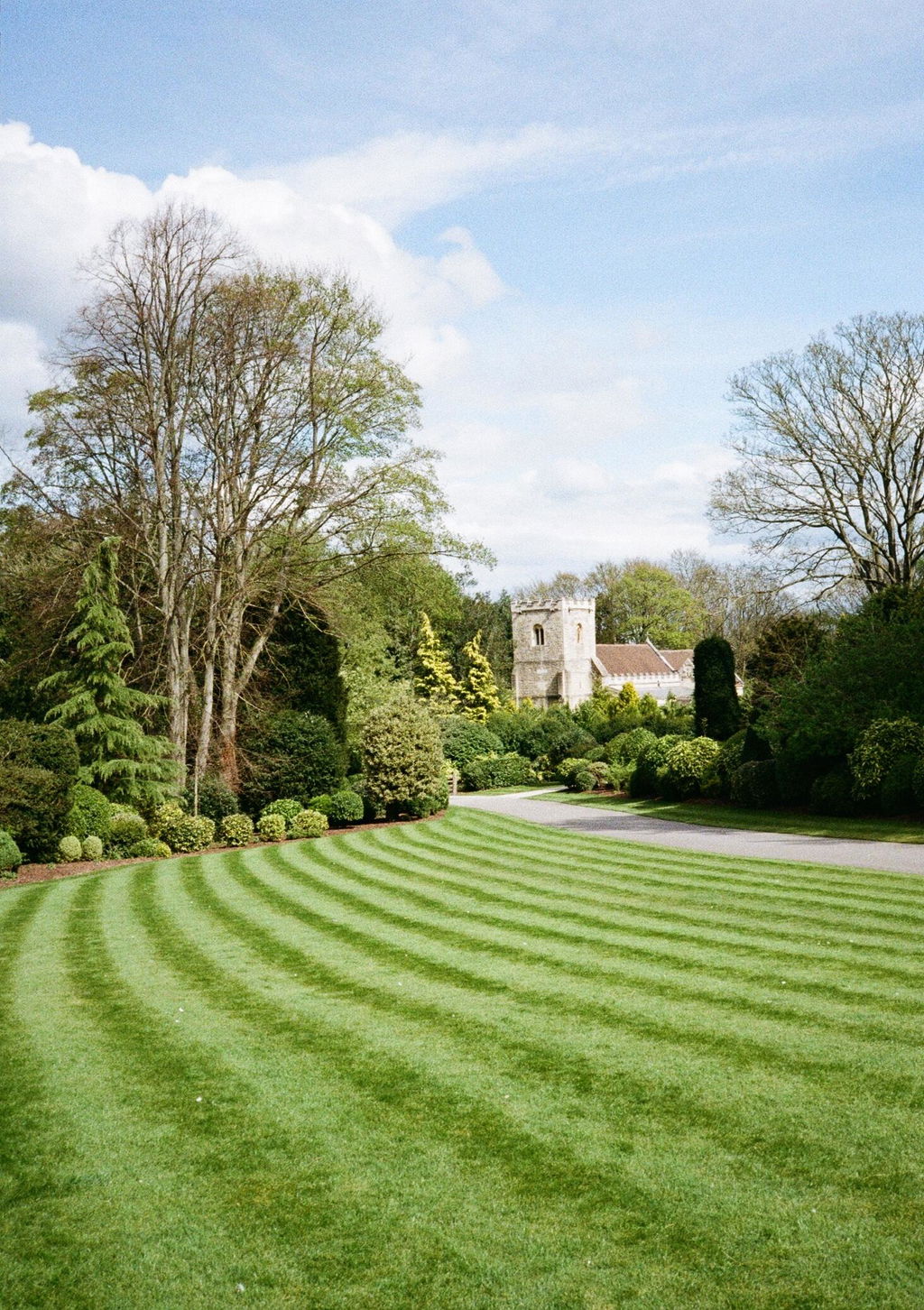
This review will be a bit long. If it's TL;DR then the summary is that I love the Pentax 17 and would recommend it to anyone, perhaps not as their only film camera, but as a 'go anywhere' point and shoot that isn't 20+ years old it's brilliant and has rejuvenated my interest in photography.
Long version. I've had film cameras for, well, getting on for 50 years, 110, 126, 135 and 120. I shot a lot of Kodachrome before Kodak stopped processing it in 2009, but since then I've not really done a lot of analogue photography and I've missed it. I have a nearly mint Nikon FM2n which I bought new when my daughter was a baby, and a dozen old-ish rolls of HP5, FP4 and Foma in the freezer, so did I really need to spend £500 on a Pentax 17 to reawaken my interest in 'proper' photography? What if I decided to stick with digital after all?
Well, as it turns out, I did need to buy this. It reminds me of the first camera I actually owned, a Kodak Instamatic 177X which I got for Christmas 1977 or '78. I had forgotten how I felt about photography back then - as a child it was all to do with the excitement of being able to make an image, any image, of anything I wanted. I didn't reflect for a single second on the limitations of the technology, I just used it. Fixed focus with two choices of exposure setting, the 177X relied on the wide exposure latitude of colour negative film (and a bit of luck perhaps) to get decent photos out of it. And at the time I neither knew nor cared about any of that.
Compared with an Instamatic, the Pentax 17 offers a wide range of controls - 6 focus settings, a range of exposure modes, and an exposure compensation dial. The lens has decent HD glass in it and the focal length is perfect for a general purpose 'walking about' camera. I was particularly drawn by the advantages of half-frame, which not only doubles the number of images you get from a film, but it means that the grain on each individual photo is emphasised and gives an even more low-res 1970s feel to it. Could I replicate that with a modern digital camera and Lightroom? Of course, but who cares, that's missing the point.
There's a learning curve to any camera, and I'm just starting to get a feel for the 17 after putting just one film through it. There are some things to watch out for - it's easy to inadvertently move the exposure mode dial when winding the film on. Likewise the exposure compensation dial turns easily, and I need to remember to check that and the focus zone setting before every shot. I also need to remember to take the lens cap off, notwithstanding the warning light you get in the viewfinder.
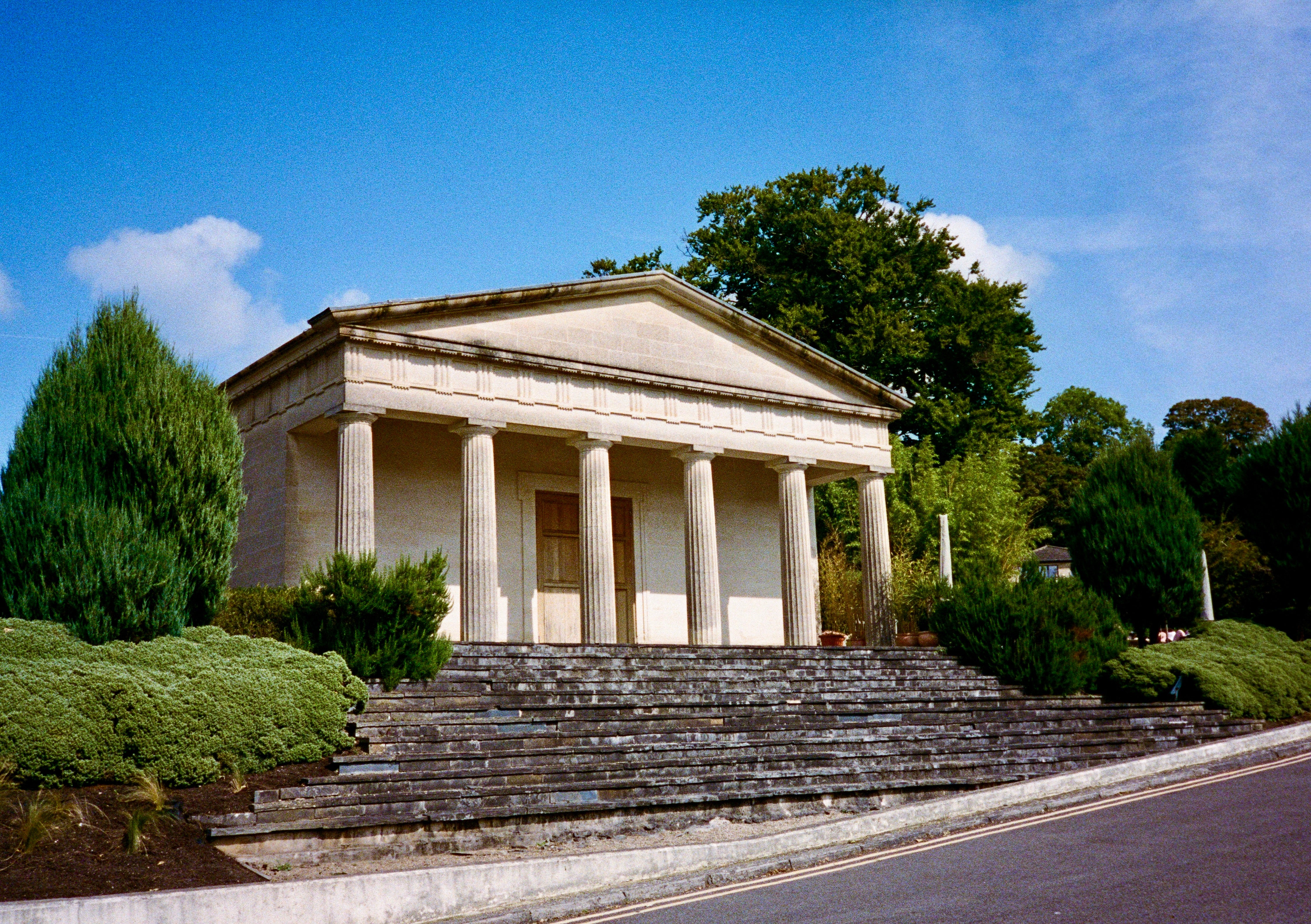
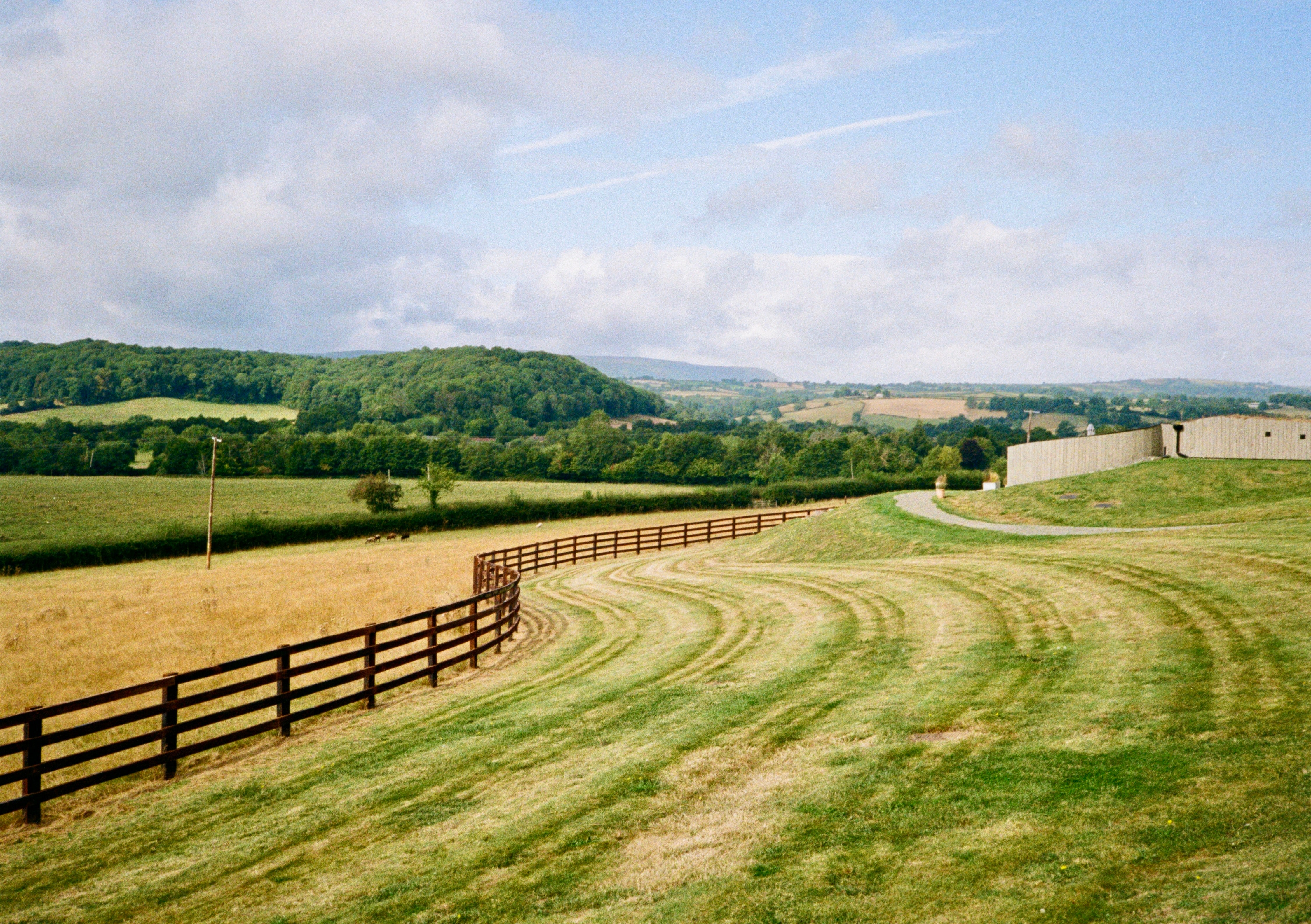
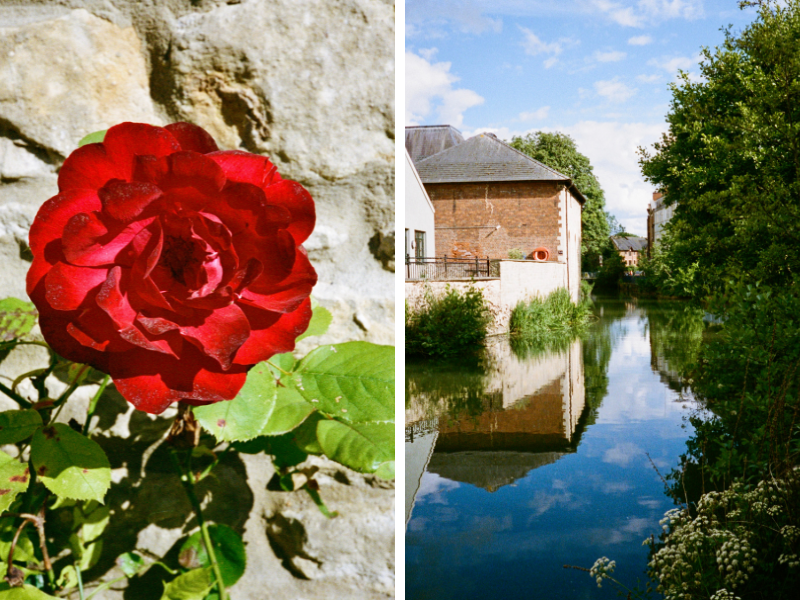
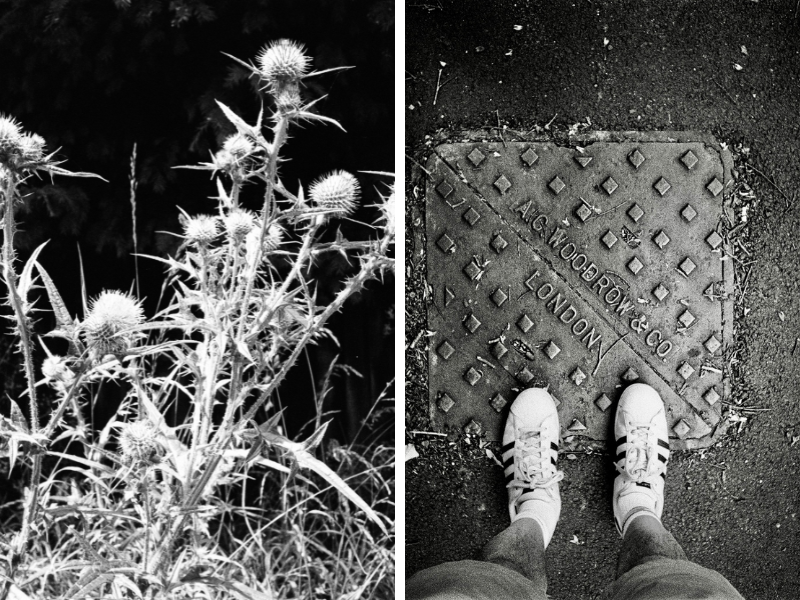
But ultimately this thing is a lot of fun, not a huge amount of money, is actually very usable and it produces images that are a world away from modern digital 'perfection' (whatever that means) and remind me of what made me love photography in the first place. I'll include a few sample images - you'll note some imperfections (sharpness and focus are subjective after all), but I'm happy with them and the results will get better after a few more rolls.
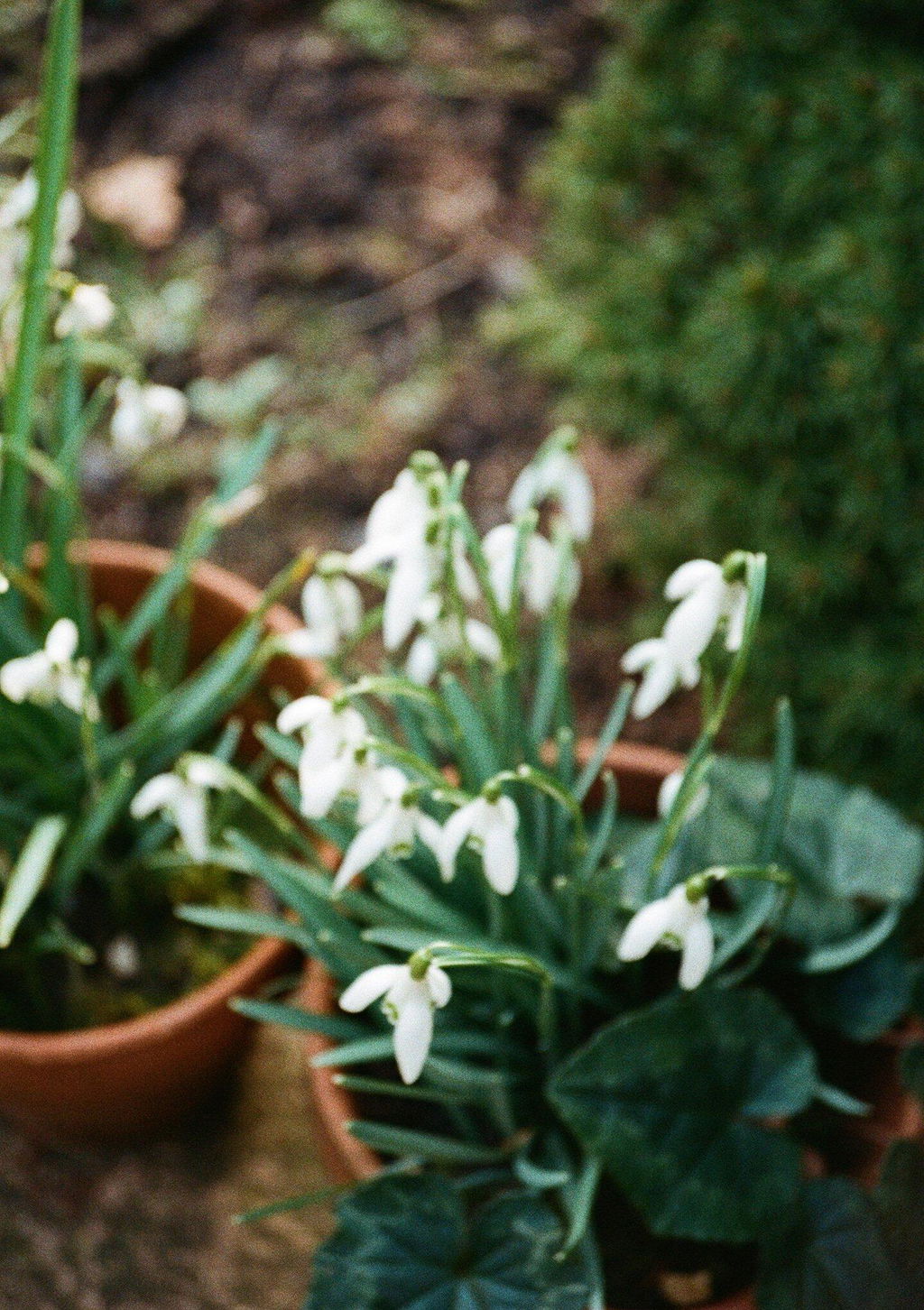
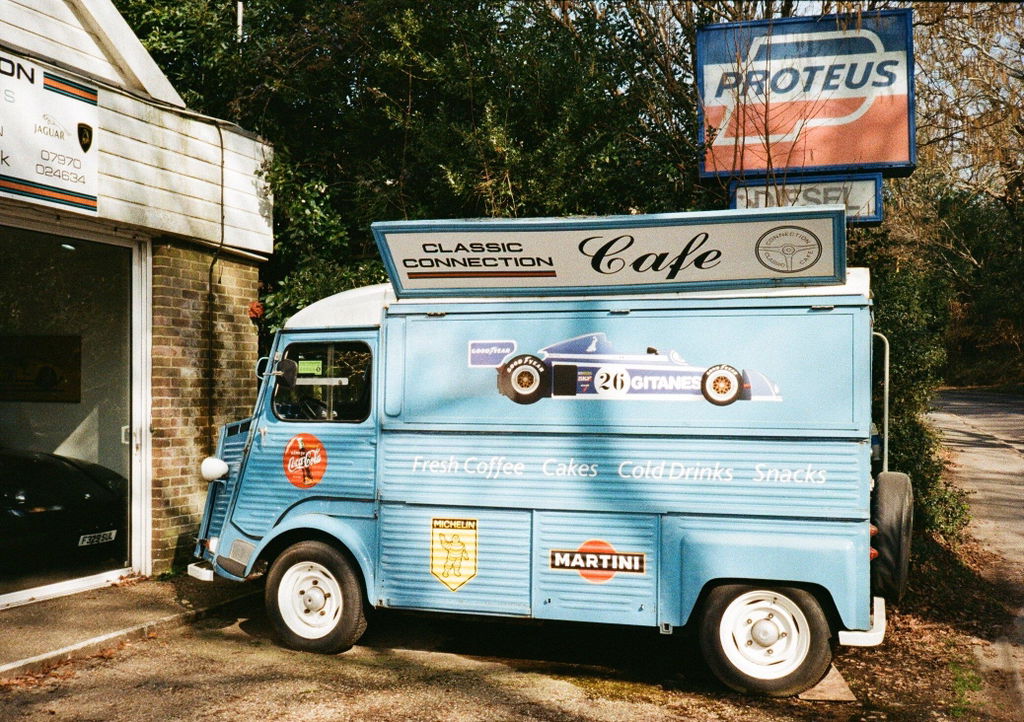
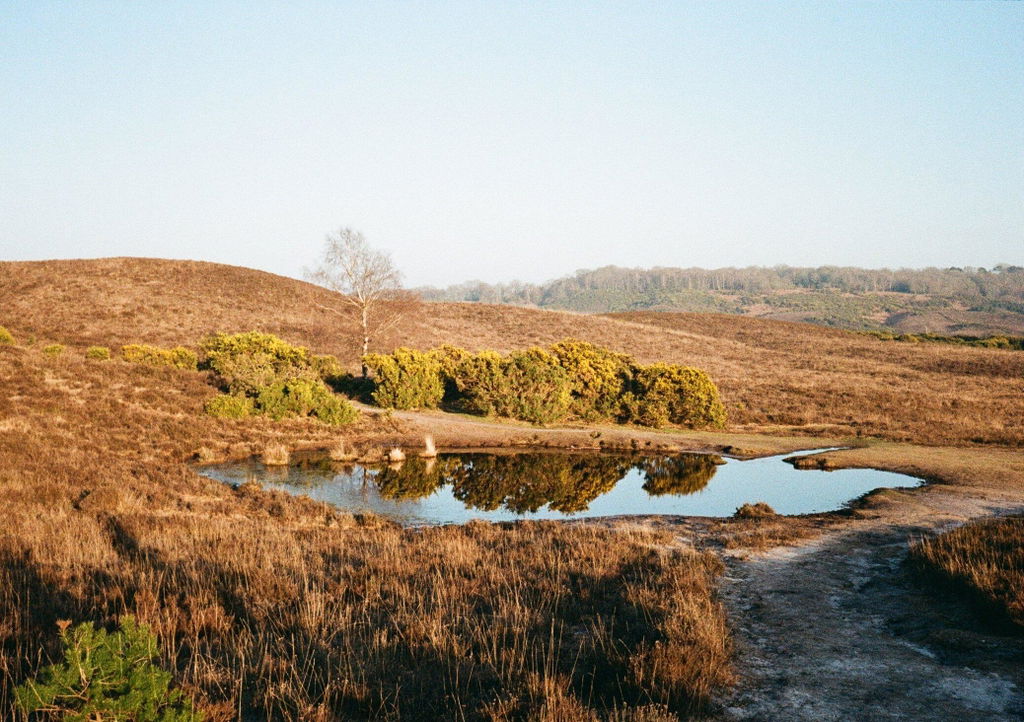
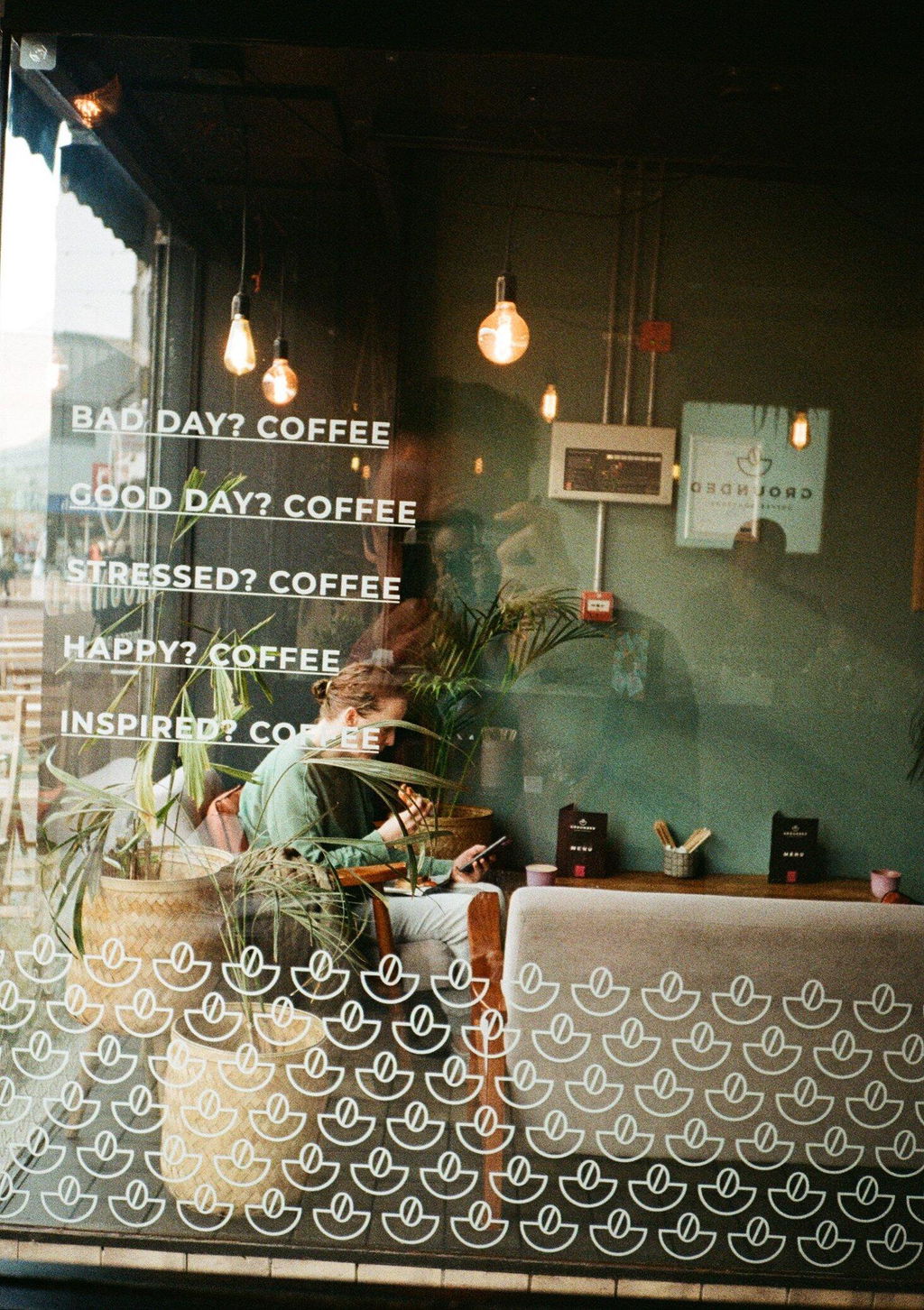
I bought one of these after using a Rollei 35S for years. The Pentax is nice and light, while being really solidly constructed. It has fewer controls than the Rollei, but is a far better option for point & shoot photography ‘on the move’, street photography etc. Has reignited my love for film….
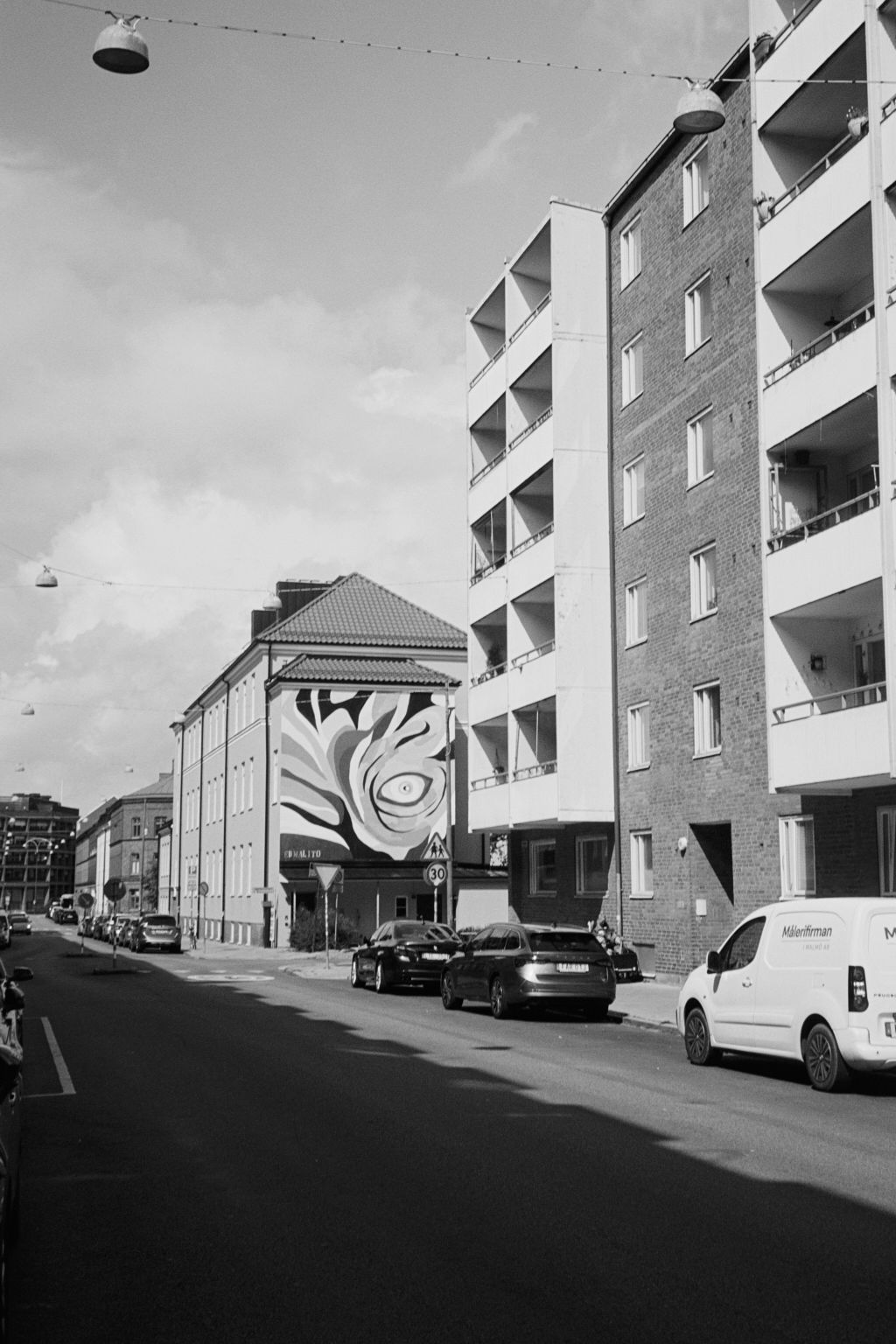
Wasn't too sure at first, but after having used this since it's release day, I can safely say it's very enjoyable. Having an under / over exposure dial is fantastic, and not something that many point and shoots outside of the Contax T2 can offer.
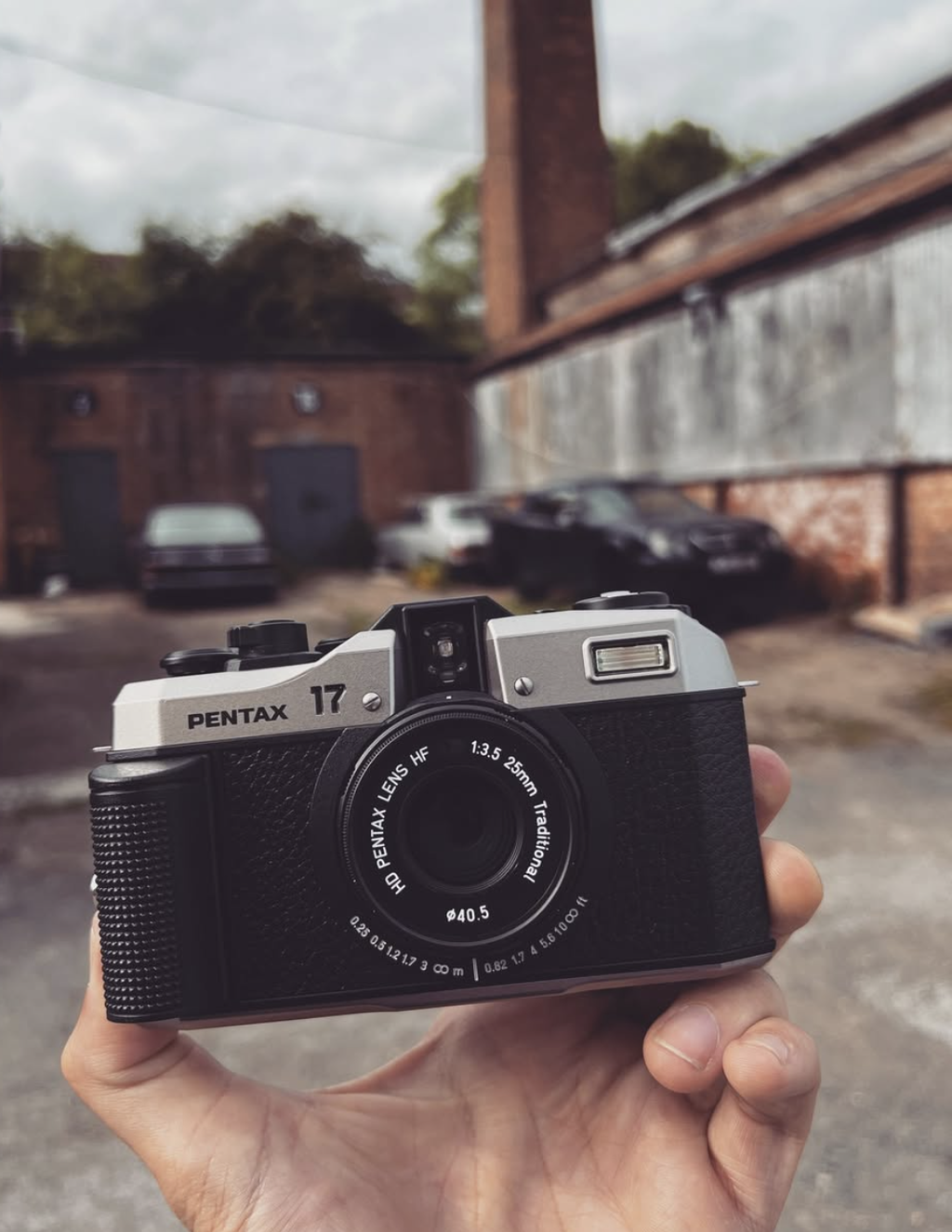
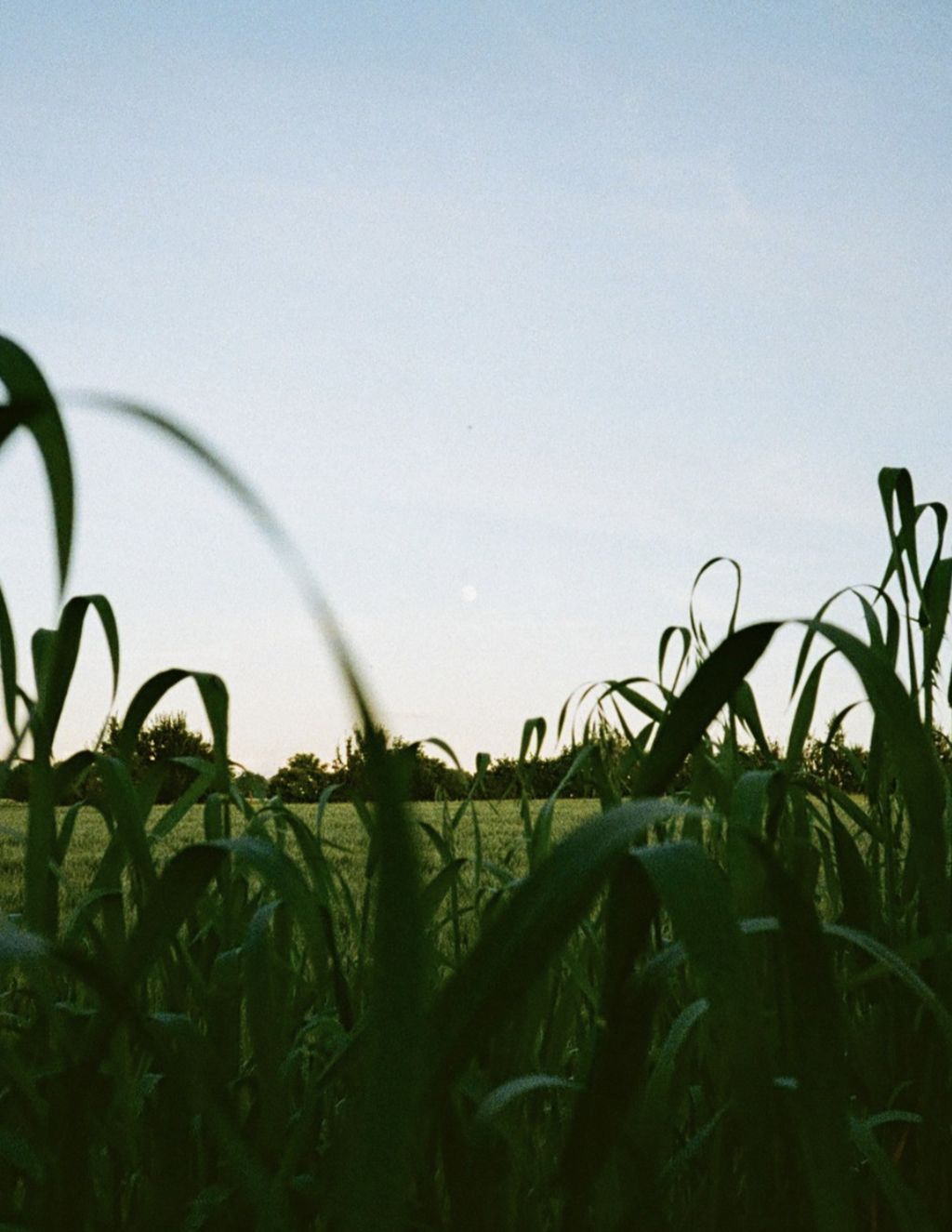
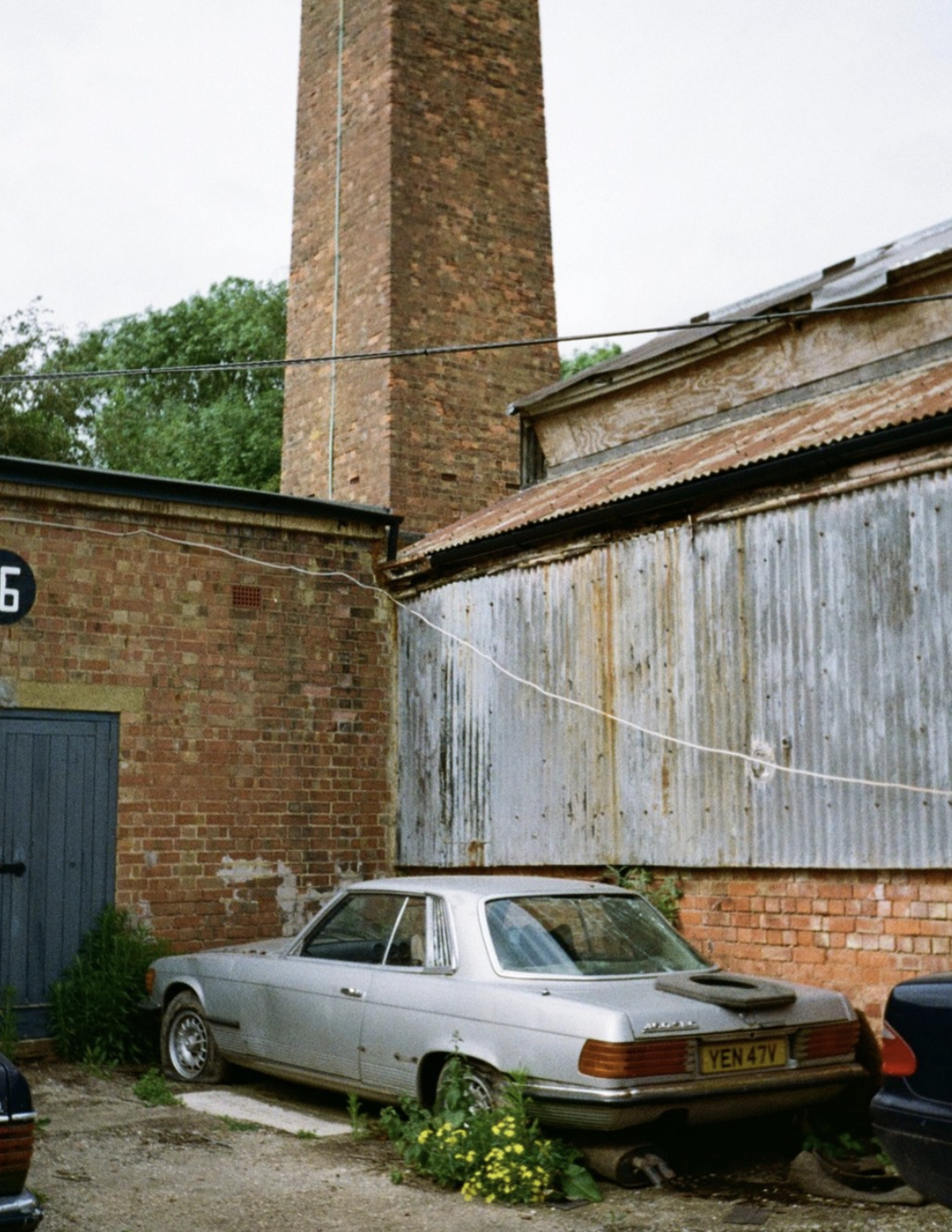
I've had a couple of half frames previously, and always enjoyed them. This one is no different. Having 72 frames reduces pressure to get each frame right and encourages a story telling approach to scenes. The close up setting plus Bokeh mode is good for flexibility.
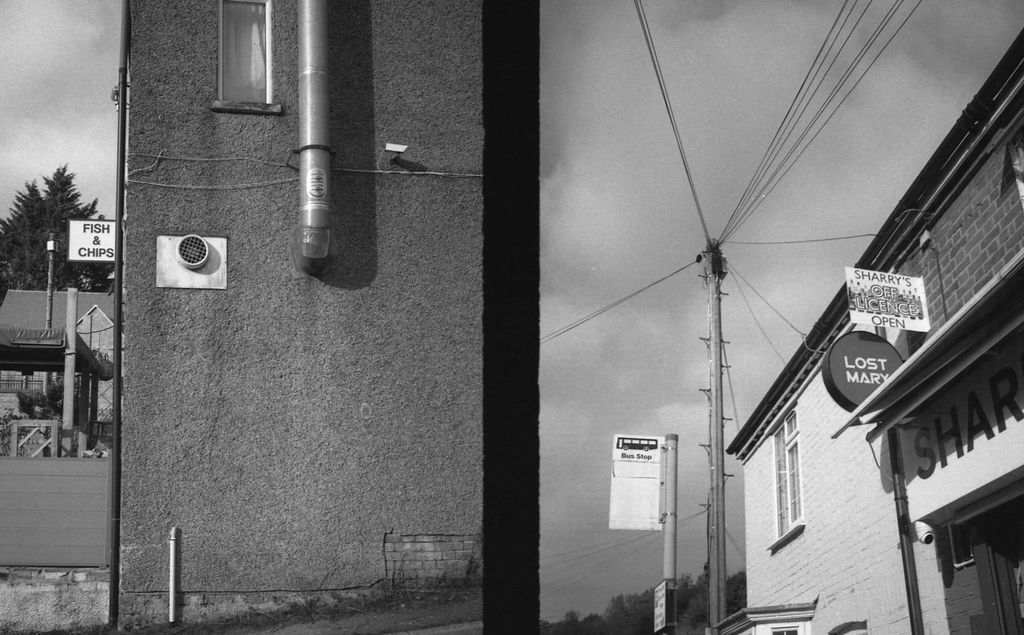
Getting my Pentax 17 and shooting my first rolls of film in perhaps over twenty years has reignited my passion for photography (both digital and film). It's given me a new angle on my hobby. I love using the P17 although I am probably still struggling with the zone focusing system and missing clear focus far too often. But the excitement of using film again, and the anticipation of seeing the scans, has drawn me in; to the extent that I have now bought a vintage Pentax (the K1000) and thoroughly love using it.
I still love digital photography, but after striving for something different for some time now and embracing a more abstract and different approach, perhaps it's the imperfection of film that is really appealing.
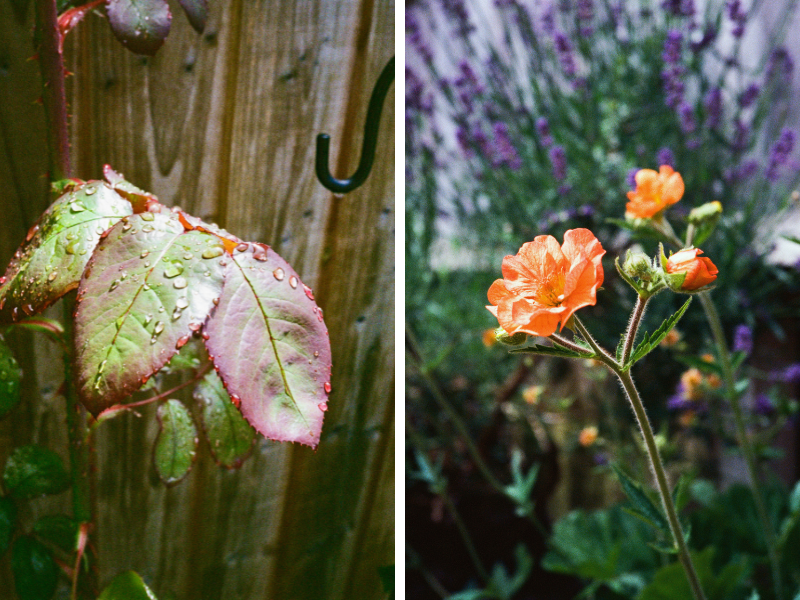
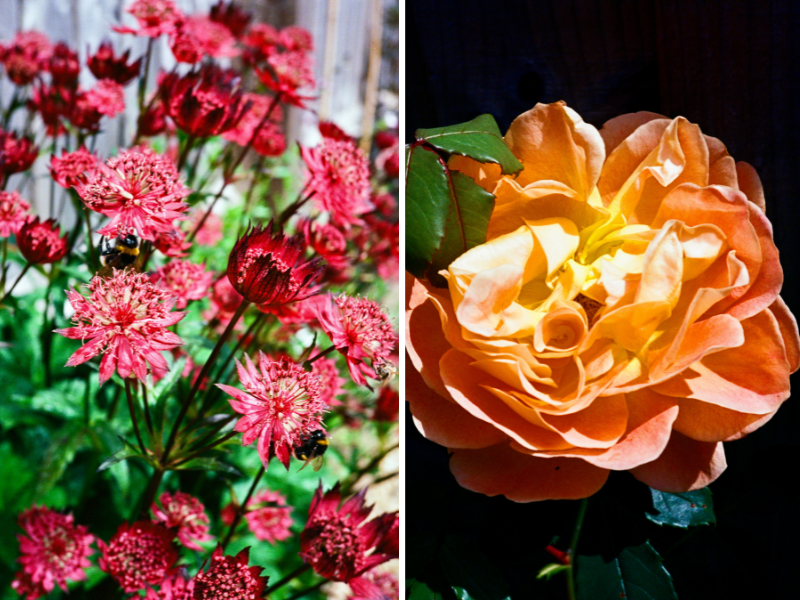
So, taking the plunge, and getting the Pentax 17 has been a real tonic and pushed my photography in a new direction. Shots here are taken on that first film of Kodak Ultramax that came with my bundle.
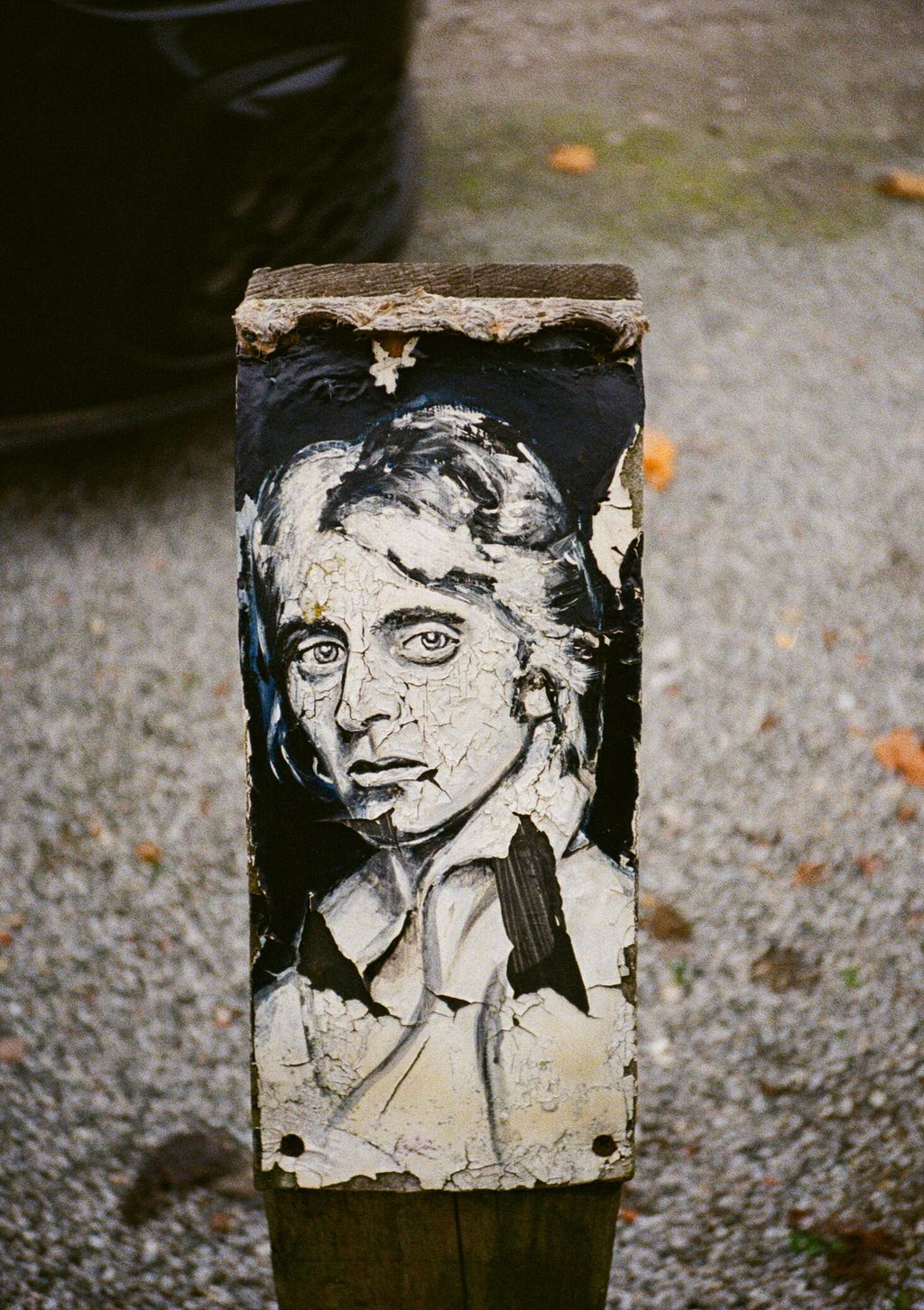
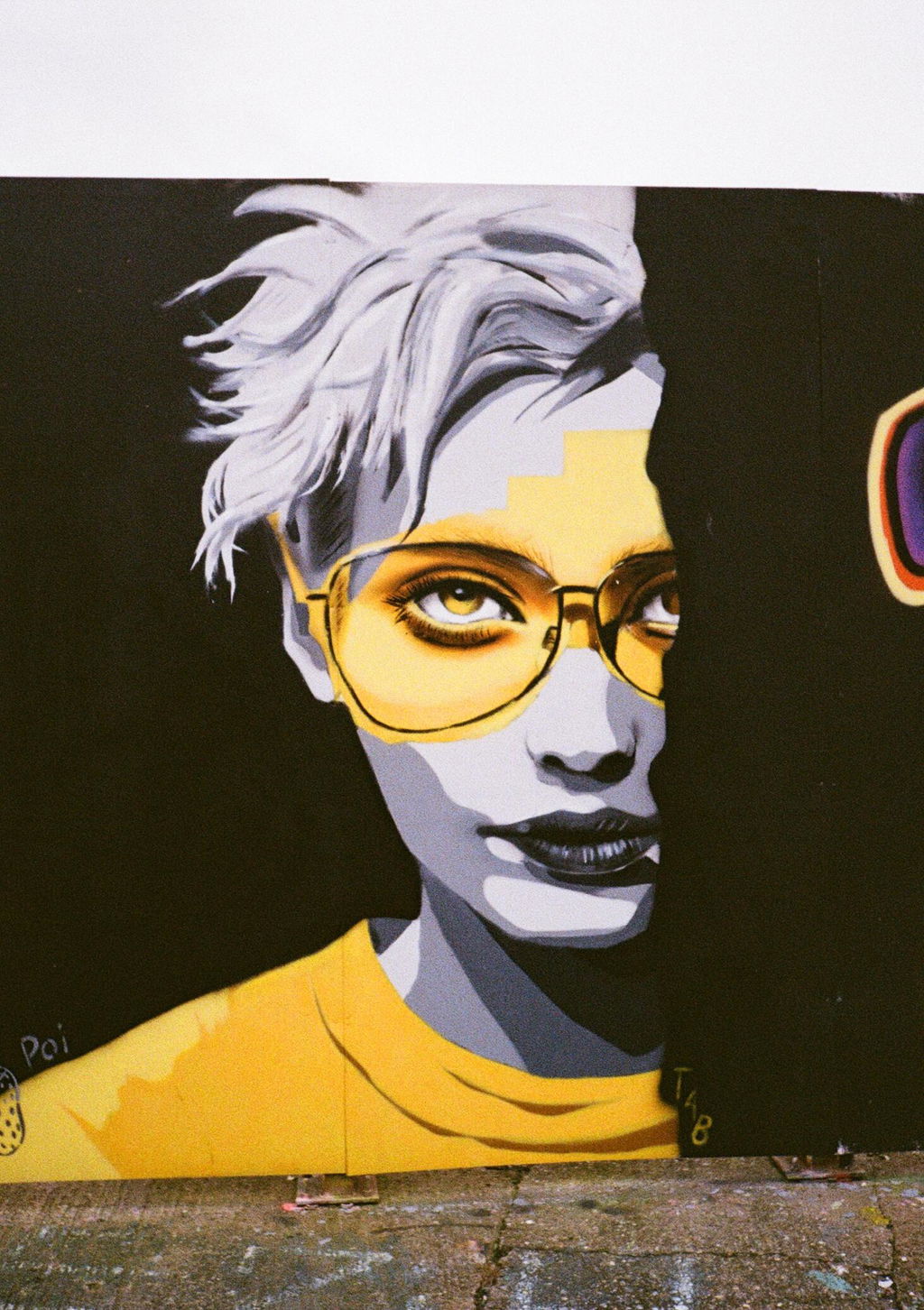
I was lucky enough to receive my Pentax 17 as a 70th Birthday present. As a lifelong Pentax user (I bought my SP 1000 in 1971) it had all the hallmarks and handling of a Pentax and a lot of wonderful retro design features. But what is it like as a camera? I've now put several rolls of film through so I thought it was worth a follow up.
First of all, the half frame images are fine. Its not a format that really gained traction previously but I think lenses have developed, as sensors have got smaller, and I think the image quality is fine.
Second, having so many images on a film takes a bit of getting used to; 72+ can take a while to shoot but I've gone a bit digital in that I can now take several similar pictures when as a film user I might only have taken one.
Third, the zone focussing is fine although I occasionally get it wrong! But with so many images on the film you can always take another ... if you realise you are on the wrong zone, that is.
Fourth, the error lights start by being irritating but eventually they become a lifeline. Basic rule is that if you get an error light of whatever colour, stop and check - usually you havent wound on but occasionally the lens cap is on or you are on Macro.
Fifth, the flash isn't wonderful for anything other than quite close, but that is not unexpected. A hot shoe would have been nice, but I have been using a very ancient Pentax Slave unit to supplement with OK results.
So what about the images? Using Ultramax mainly I've found the images sharp and equivalent to the Canon 300 SLR which has been my go to camera till now. Unless you need more zoom its almost impossible to justify carrying round a bigger and heavier camera than this. I bought the Long Weekend case from AW and it fits perfectly, and then hides away in a coat or trouser pocket until it is required.
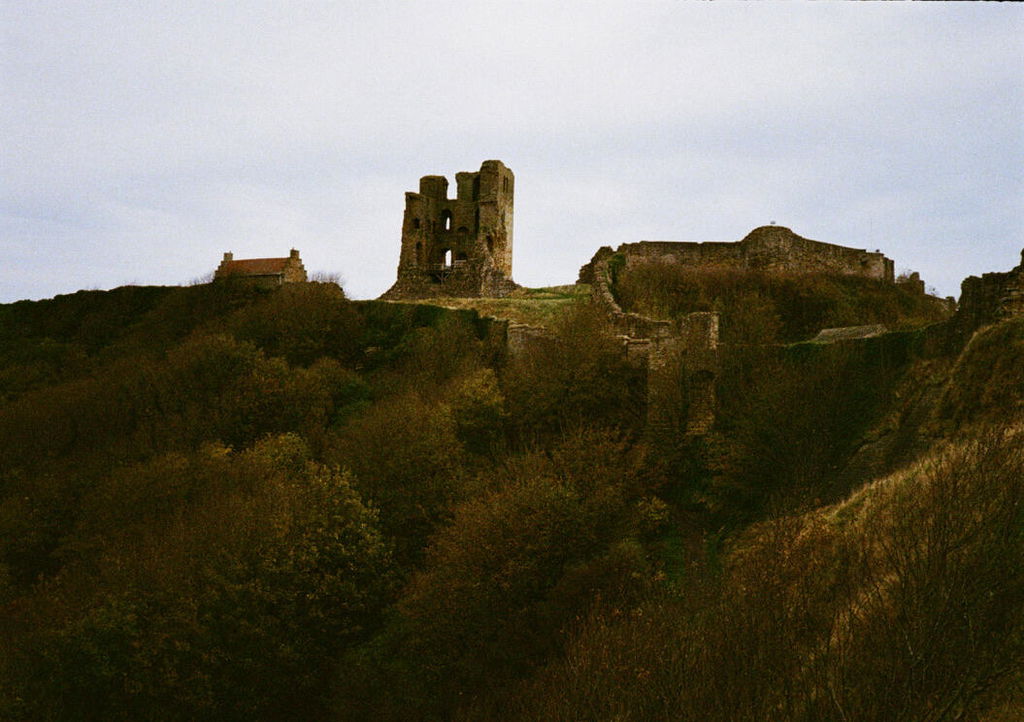
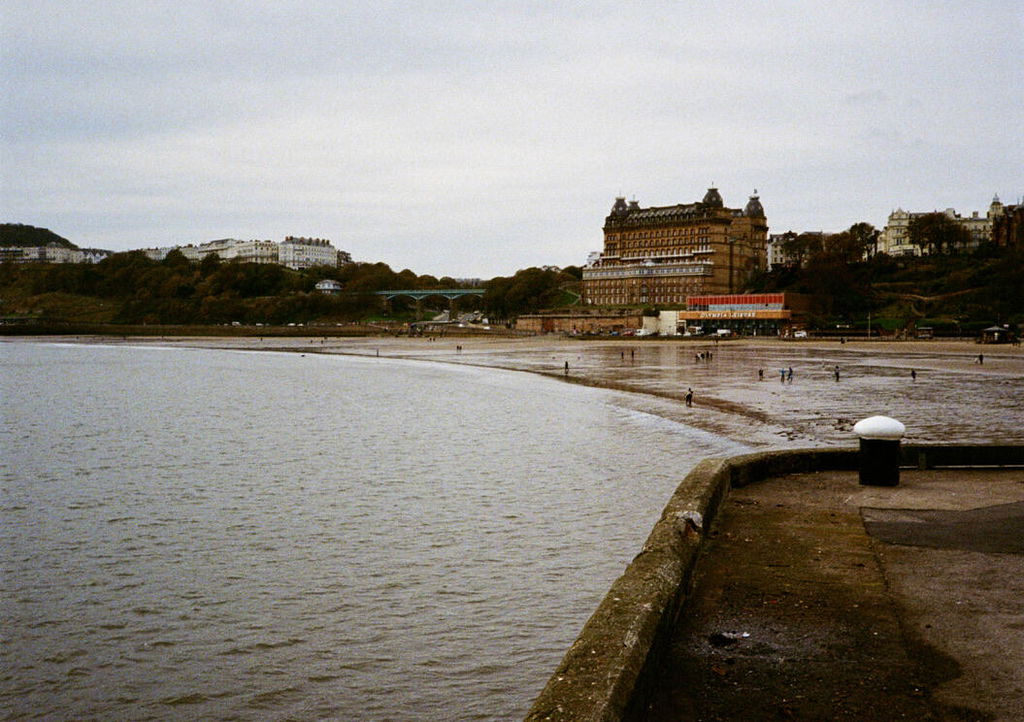
My only disappointments were related to the weather when in a desire to finish the roll I took a number of pictures on a cold, wet and windy day in Scarborough. I suspect even a Leica would have struggled.
Overall I have nothing but praise for this fantastic piece of kit. Well done Pentax for propelling yourselves back to the forefront of Camera design, a place you should never have left.
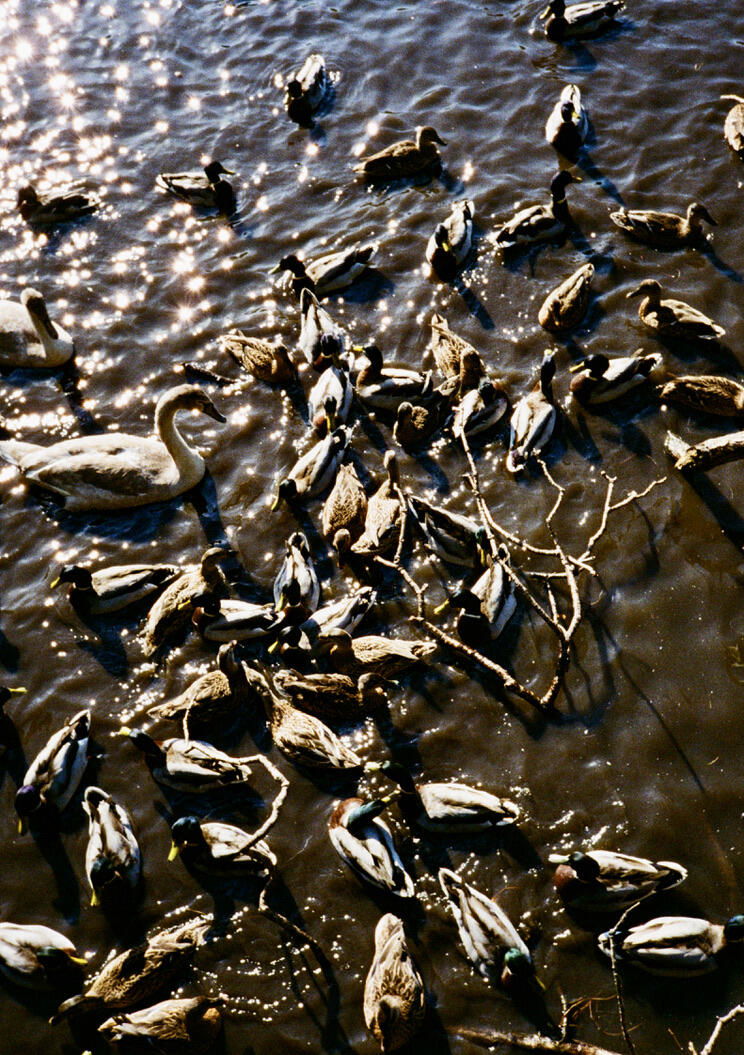
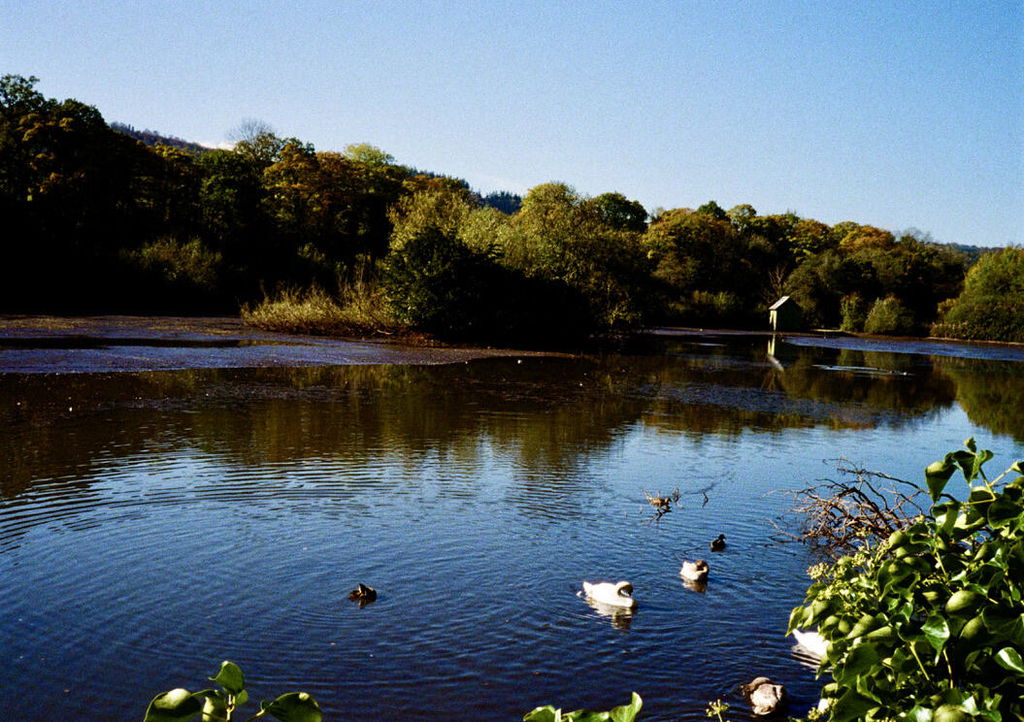
can you use 400ASA film in the Pentax 17 camera?
Hi Derek, yes you can - any 35mm film with any ISO, just be wary of the available light and adjust the exposure dial accordingly! Just set the ISO to what you need. - Amy