


Shop the article
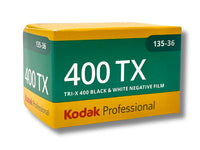


Kodak T-Max 400 vs Kodak Tri-X 400: Battle of the Kodak Black & White Films
While Kodak is best known for its market-leading colour film stocks, its contribution to black and white photography is just as significant. With iconic emulsions like Kodak Tri-X 400 and Kodak T-Max 400, Kodak has shaped both the heritage and the modern evolution of monochrome film. Although they share the same speed and versatility, their distinct emulsions, grain structures, and tonal rendering give them very different personalities - each appealing to different shooting styles, creative intentions, and workflows. So, if you’re choosing between heritage and refinement or grit and precision, the question remains: which is right for you - Tri-X or T-Max?
Which Should You Choose?
There’s no “winning” film here - and no single right answer! The best choice depends on what you’re photographing, the conditions you’re shooting in, and your preferences when it comes to black and white characteristics. Personally, I'm a big fan of Tri-X's gritty contrast and I have had striking results from T-Max 100 pushed +1 stop, but I am yet to try T-Max 400 so this will be an education for us both!
To help you decide which to try next, here’s a simple breakdown based on common priorities.
If you want… | Consider: |
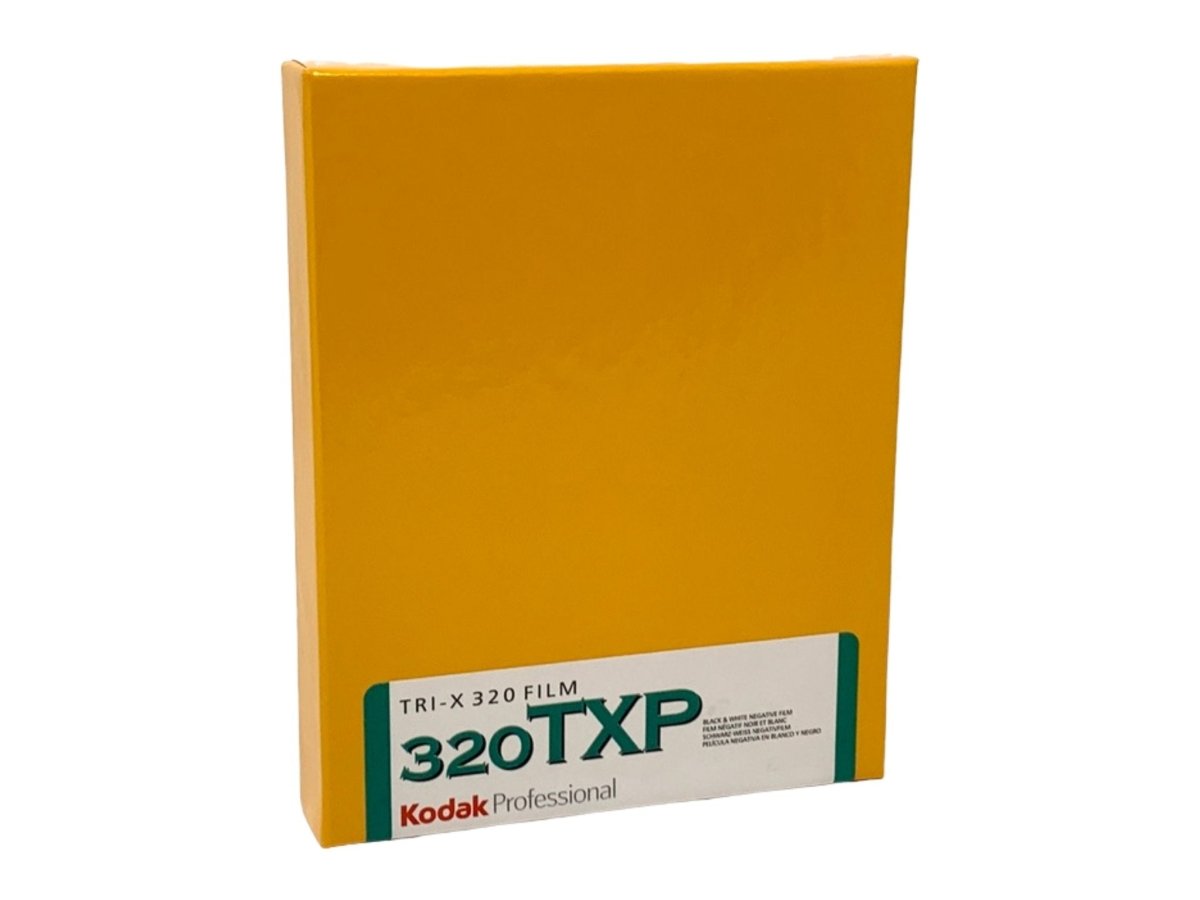
Classic, gritty, high contrast black and white look | Kodak Tri-X 400 |
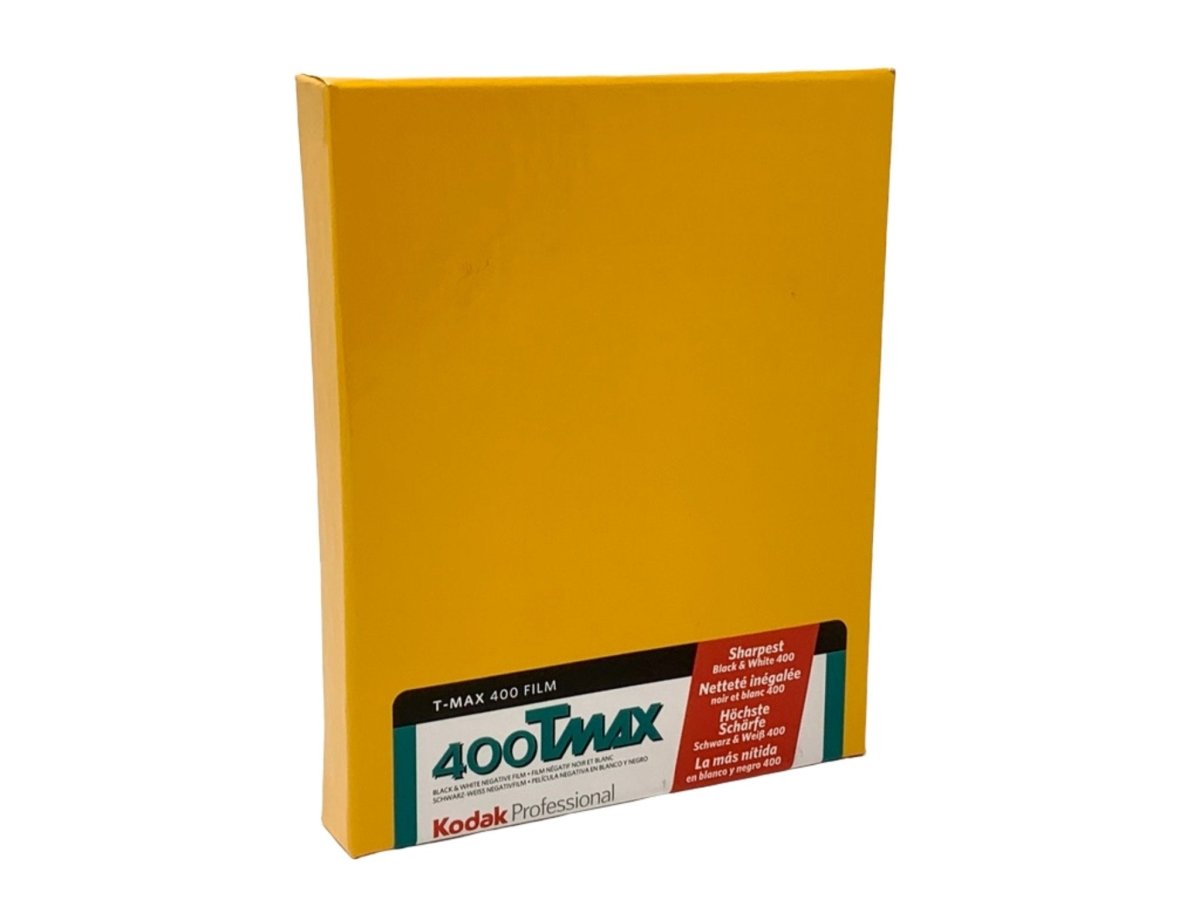
Fine grain, sharp detail, and a cleaner modern aesthetic | Kodak T-Max 400 |
A forgiving film for unpredictable or changing light | Kodak Tri-X 400 |
Smooth tonal transitions and controlled contrast | Kodak T-Max 400 |
A film that shines when pushed | Either! Tri-X becomes bolder and grainier, T-Max stays relatively clean and sharp |
If you’re wondering how it compares to other popular B&W film stocks, check out our top 6 recommendations for every film photographer. Plus, we dive into the eternal debate between our top two best-selling black and white films: Kodak Tri-X and Ilford HP5.
Read on for a more in-depth comparison of 400 TX and 400 TMAX.
Two Films, Two Legacies, and Plenty of Community Reviews!
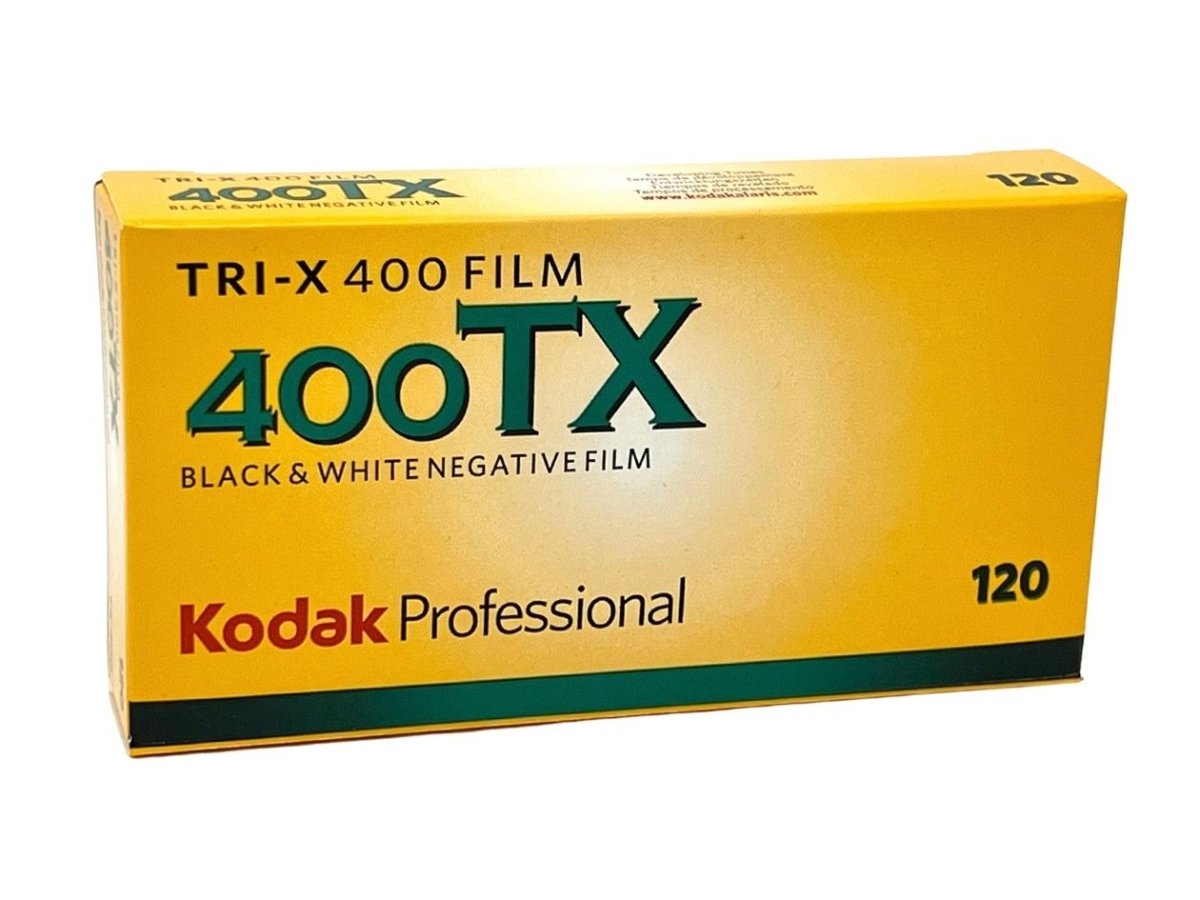
A defining film in 20th-century photojournalism, Kodak Tri-X 400 has been a go-to for documentary and street photographers since the 1940s and is just as impactful today. With an average rating of 4.86 out of 5 across both 35mm and 120 formats, it’s no surprise that 400 TX is our second best-selling black and white film of all time (second to Ilford HP5). Tri-X is celebrated by our community for its character, nostalgia and emotional impact. Learn more about Tri-X in this comprehensive blog and get geeky with the technical data sheet.
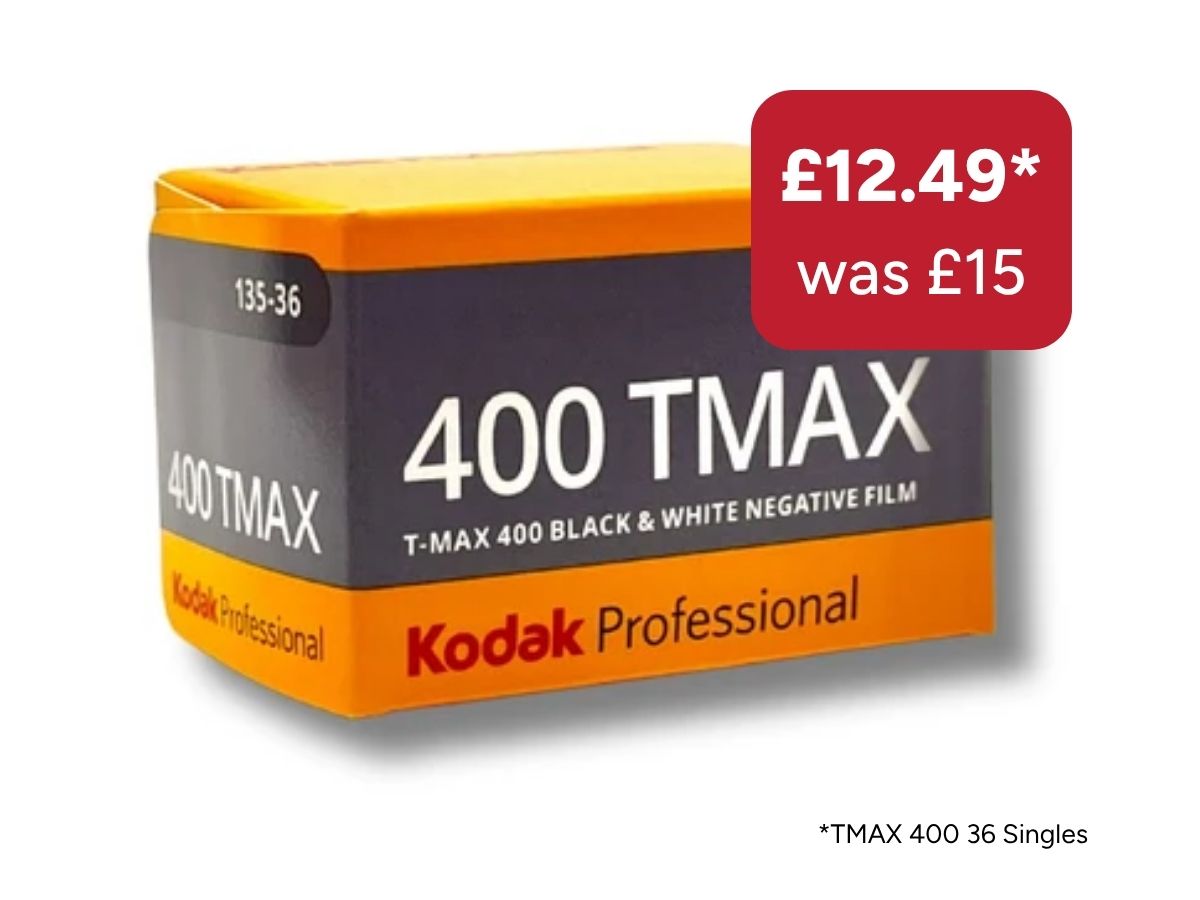
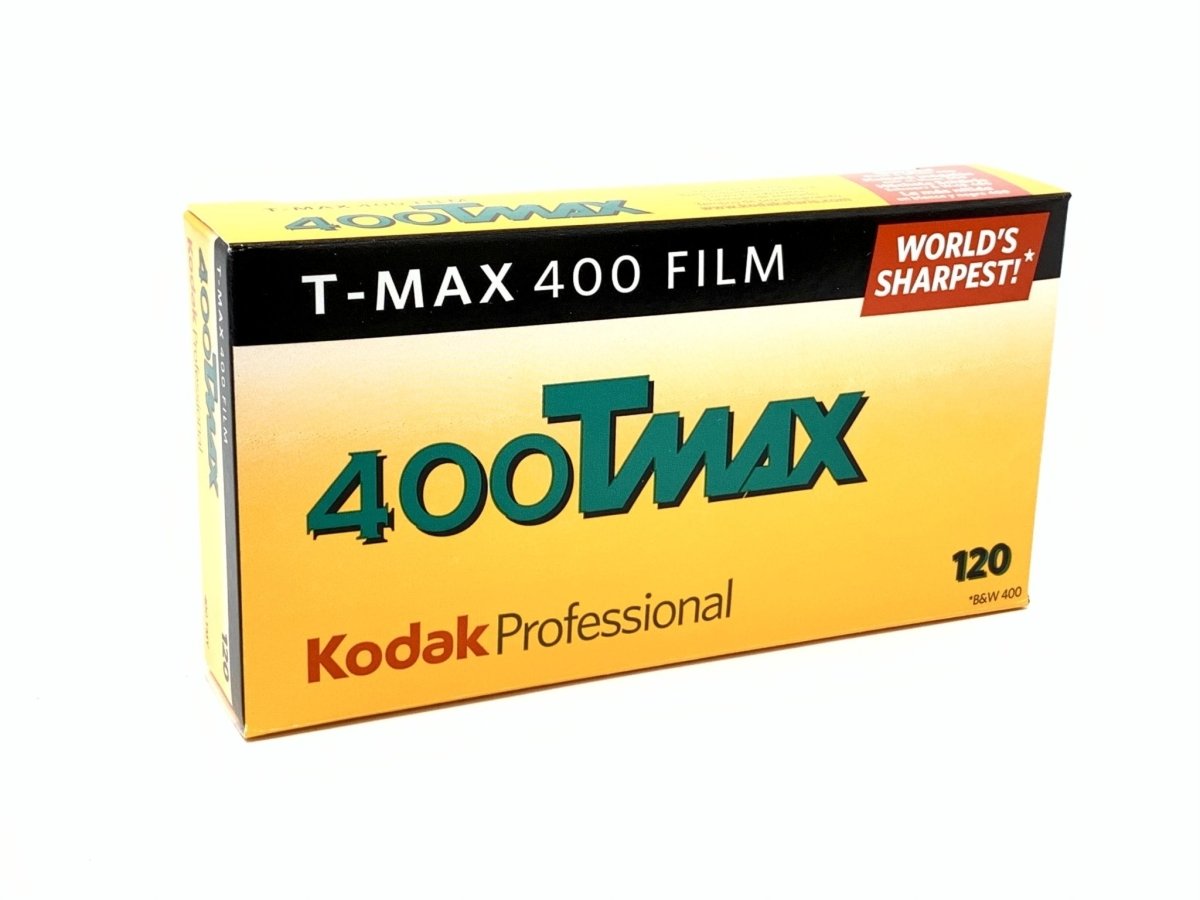
The introduction of professional-grade Kodak T-Max 400 (and T-Max 100) in the late 1980s marks a modern evolution for Kodak, as it was designed to meet the needs of contemporary photographers seeking finer grain and technical performance. Just a touch behind Tri-X, both 35mm and 120 formats of 400 TMAX sit at 4.83 out of 5, with a punchier price point justified by its reliability, sharpness, and consistency in both scanning and printing. Get into the film's details with the technical data sheet.
Both films have their specialties - one rooted in heritage and expression, the other in refinement and modern performance - which plays a part in influencing expectations when it comes to shooting them. Many community members see them as complimentary stocks, rather than competing, choosing them based on project and mood rather than superiority. And so, the choice is entirely subjective!
Look, Latitude & Shooting Style
Kodak Tri-X 400 and Kodak T-Max 400 differ in how they render light, texture, and contrast. Tri-X uses a traditional cubic-grain emulsion that produces visible, expressive grain and a bold, textured black and white look, paired with a naturally punchy contrast and a forgiving exposure latitude. It performs well in unpredictable lighting and responds well to push processing, making it a favourite for instinctive, fast-paced shooting. “Rated at ISO 400, Tri-X handles varied lighting beautifully and pushes well up to 1600 without losing its signature texture,” said reviewer Matthew Tsang.

Captured by © Matthew Tsang on Kodak Tri-X 400 35mm Film.
400 TX is built with Kodak’s modern T-Grain technology (flatter, more ‘tabular’ silver halide crystals in the film’s emulsion), delivering finer grain, higher sharpness, and a cleaner overall appearance. It rewards careful metering with smooth tonal transitions, controlled highlights, and refined shadow detail, encouraging a more deliberate shooting approach where precision and consistency matter. Reviewer Ted Ayre summarises the argument for T-Max 400, “If you've already tried 'traditional' emulsions like Kodak Tri-X or Ilford HP5+ then I would encourage you to give T-Max a try! I really like that it's genuinely an all-rounder film at 400 speed, and can give really dramatic contrast and excellent sharpness.”

Captured by © Ted Ayre on Kodak T-Max 400 35mm Film.
Creative Use Cases
Although both films share a monochrome look and the same ISO, they lend themselves to very different creative uses, each playing to its own strengths. Loved for its grittiness, Tri-X 400 is best for capturing urban street scenes, expressive portraits, documentary work - or whenever you’re craving character and punch. It’s what many regard as that real ‘classic film look’, backed by over 80 years of history.
Sharing his fondness for Tri-X 400 in 120 medium format, reviewer Tom Evans said “Returning to Tri-X 120 after forty years feels like coming home. It still has the same flexibility, tonal range and sympathetic grain - and that extra speed that increases the scope for hand-held work. It's not cheap, but it is now my default film.” He also regards this stock as a great all-rounder for a variety of subjects including portraits, landscapes, street, architecture and travel.

Captured by © Tom Evans on Kodak Tri-X 400 120 Film.
On the flip side, 400 TMAX brings a more refined look as a go-to for fine art, landscapes, studio portraits, and projects where sharpness and subtle tonality take centre stage. While naturally many stumble across it as a secondary option to Tri-X, it offers a ‘cleaner’ look with finer grain which some prefer - such as reviewer Tobias Key who rated the 120 format of T-Max 400 5 stars.
Tobias marked T-Max 400 as an all-round emulsion, and a perfect choice for portraits, landscapes, pinhole/long exposure, architecture, travel and studio work. “It’s probably the best black and white film available. I don't think there is another film that touches it. In terms of quality it offers excellent tonality, sharpness and fine grain with the flexibility of a 400 iso box speed.”

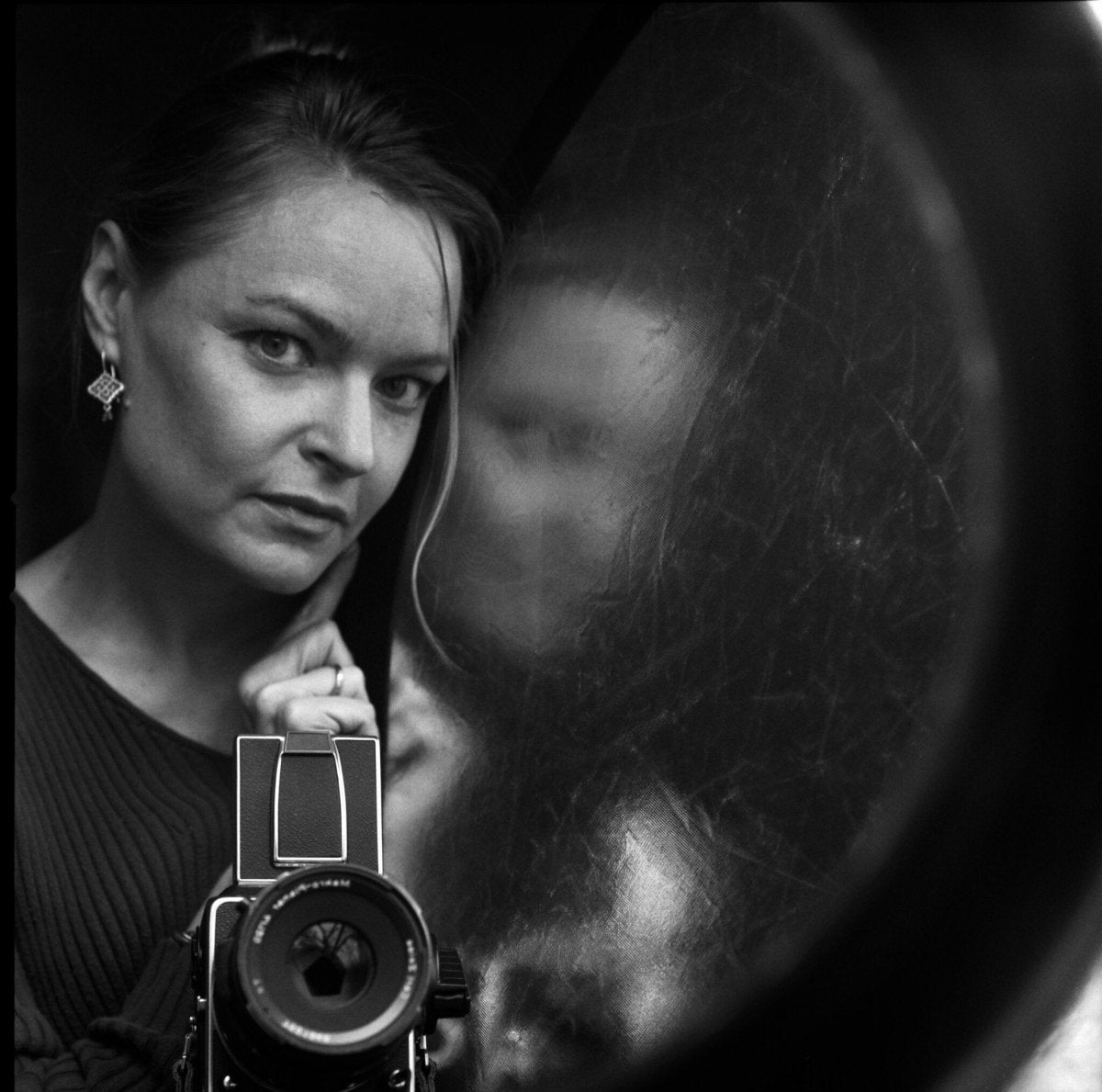
Captured by © Tobias Key on Kodak T-Max 400 120 Film.
What about developing, scanning and printing?
T-Max 400’s fine grain and sharpness make it easy to scan, producing clean images with strong detail and minimal grain interference. Tri-X 400 scans beautifully too, but its grain is a defining part of the image rather than something to minimise. In the darkroom Tri-X delivers rich blacks and contrast, while T-Max allows for greater tonal control during printing. You can trust our dedicated WonderLab team to get optimal results from both of these films.
As always, if you develop or scan at home, a film’s character isn’t fixed. Techniques like pushing or pulling at development, dodging and burning in the darkroom, and adjusting highlights and shadows as you scan allow you to shape the final look to your own personal preferences. Both of these films offer plenty of flexibility for experimentation and creative control.
As you explore these film stocks, we encourage you to share your experiences and photo results with our film community, helping to inspire others’ creative journeys. (You can do this at the bottom of the product pages!) Let us know in the comments which you prefer: is it the classic Kodak Tri-X 400 or modern Kodak T-Max 400? Or do each have a place in your camera bag, for different reasons?
Explore our featured items







Mix & Match - 5 for 4Best SellerNEW





Follow us on Social Media
Ready to dive in?
Keep Reading
View all
Top Tips with the Kodak EC35 Film Camera - Sample Shots on a Disney Cruise
Paul takes a Kodak EC35 film camera on board a Disney cruise ship to test its suitability on a fast-paced family holiday

Film Photographers 🫱🏼🫲🏾 Bouldering
Our Analogue Adventurer headed into a dark and chalk-filled climbing gym to try and learn how to take fantastic bouldering photos on film
- Opens in a new window.